BP8 - Reduce pollutant sources

Code
SF01
Sector
Forest
Year of Issue
2025
Other sector(s)
Agriculture
Urban
Hydro Morphology
Summary

Riparian buffers are areas of land, predominantly covered with trees, shrubs, and sometimes grasses, along, and often up-gradient from, streams, watercourses, or water bodies. These natural or restored buffers serve multiple purposes. By maintaining a relatively undisturbed zone adjacent to open water, they play an important role in water quality and flow...
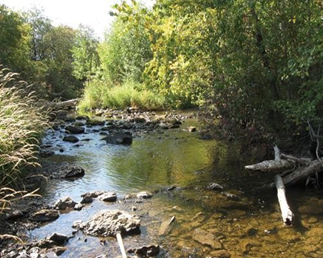
llustration 21: Riparian Forest buffer

Source: Amy Chadwick, Watershed Consulting
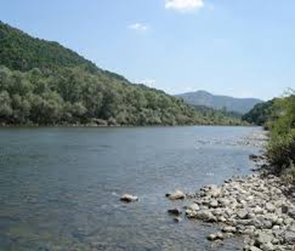
Illustration 22: Riparian buffer of white willow and white poplar (BU)

Source: WWF Bulgaria

Possible benefits with level
Benefits Level
BP1 - Store runoff
Medium
BP2 - Slow runoff
Medium
BP4 - Slow river water
Low
BP5 - Increase evapotranspiration
Low
BP6 - Increase infiltration and/or groundwater recharge
Low
BP7 - Increase soil water retention
Low
BP8 - Reduce pollutant sources
Medium
BP9 - Intercept pollution pathways
Medium
BP10 - Reduce erosion and/or sediment delivery
High
BP11 - Improve soils
Low
BP12 - Create aquatic habitat
Medium
BP13 - Create riparian habitat
High
BP14 - Create terrestrial habitats
Low
BP16 - Reduce peak temperature
Medium
BP17 - Absorb and/or retain CO2
Low
ES1 - Water storage
Low
ES2 - Fish stocks and recruiting
Medium
ES3 - Natural biomass production
Low
ES4 - Biodiversity preservation
High
ES6 - Groundwater/aquifer recharge
Low
ES7 - Flood risk reduction
Low
ES8 - Erosion/sediment control
High
ES9 - Filtration of pollutants
Medium
ES10 - Recreational opportunities
Low
ES11 - Aesthetic/cultural value
Low
ES12 - Navigation
Low
PO1 - Improving status of biology quality elements
Medium
PO2 - Improving status of physico-chemical quality elements
Medium
PO3 - Improving status of hydromorphology quality elements
Medium
PO4 - Improving chemical status and priority substances
Low
PO6 - Improving chemical status
Low
PO7 - Prevent surface water status deterioration
Medium
PO8 - Prevent groundwater status deterioration
Low
PO9 - Take adequate and co-ordinated measures to reduce flood risks
Low
PO10 - Protection of important habitats
Medium
PO11 - Better protection for ecosystems and more use of Green Infrastructure
High
PO12 - More sustainable agriculture and forestry
Medium
PO13 - Better management of fish stocks
Medium
PO14 - Prevention of biodiversity loss
Medium
Code
SU01
Sector
Urban
Year of Issue
2025
Other sector(s)
Forest
Summary

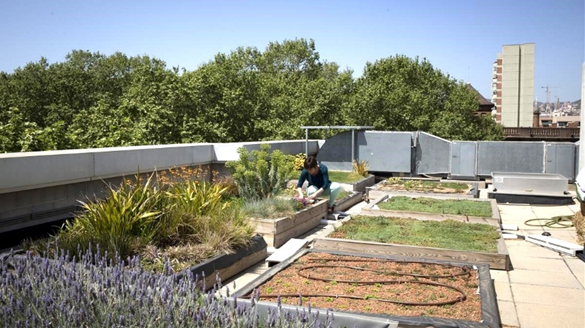
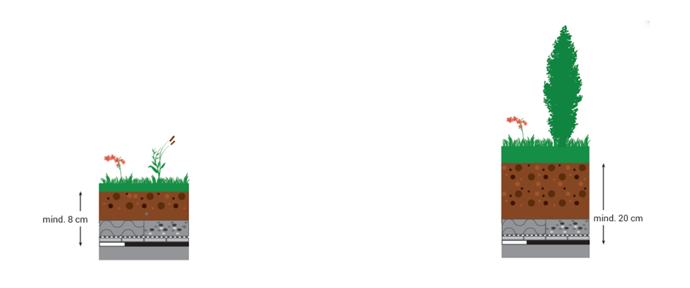
Green roofs are multi-layered systems that cover the roof of a building with vegetation and/or green landscaping over a drainage layer. There are two types of green roof: 

  • Extensive green roofs cover...

Green roof in Barcelona (ES)

Source: Green Roofs 

Extensive vs intensive green roof

Source: European Federation Green Roofs  and Walls

Possible benefits with level
Benefits Level
ES3 - Natural biomass production
Low
ES4 - Biodiversity preservation
Low
ES5 - Climate change adaptation and mitigation
Medium
ES7 - Flood risk reduction
Medium
ES9 - Filtration of pollutants
Low
ES10 - Recreational opportunities
Low
ES11 - Aesthetic/cultural value
Medium
PO2 - Improving status of physico-chemical quality elements
Low
PO4 - Improving chemical status and priority substances
Low
PO7 - Prevent surface water status deterioration
Low
PO9 - Take adequate and co-ordinated measures to reduce flood risks
Medium
PO11 - Better protection for ecosystems and more use of Green Infrastructure
Medium
PO14 - Prevention of biodiversity loss
Low
BP1 - Store runoff
Medium
BP2 - Slow runoff
Medium
BP5 - Increase evapotranspiration
High
BP8 - Reduce pollutant sources
Low
BP9 - Intercept pollution pathways
Low
BP14 - Create terrestrial habitats
Low
BP16 - Reduce peak temperature
Low
BP17 - Absorb and/or retain CO2
Low
Code
SN03
Sector
Hydro Morphology
Year of Issue
2025
Summary

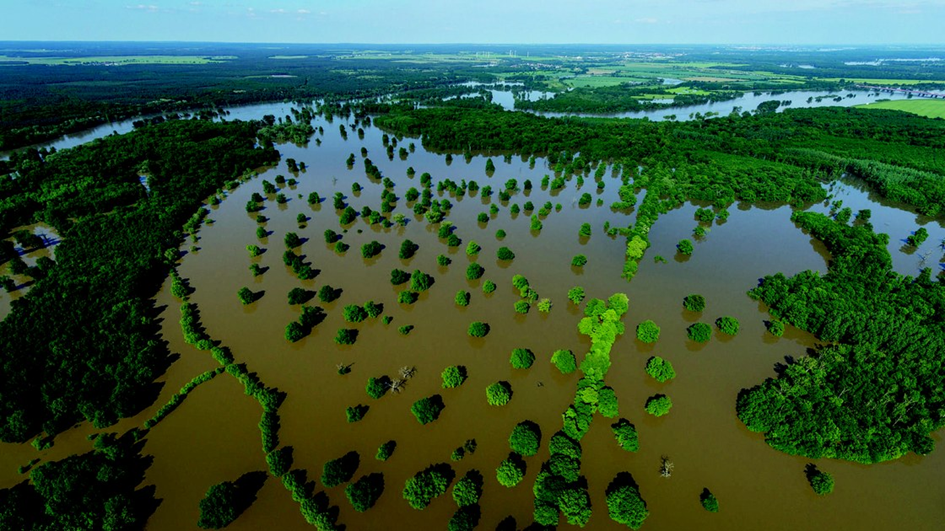
A floodplain is the area bordering a river that naturally provides space for the retention of flood and rainwater.  Because of regular flooding, floodplain soils are generally very fertile and they have often been dried-out to be used as agricultural land. Floodplains in many places have also been separated from the river by dikes, berms or other structures designed to control the flow of the...

Floodplain 

Source: André Künzelmann/UfZ

Possible benefits with level
Benefits Level
BP1 - Store runoff
High
BP2 - Slow runoff
High
BP3 - Store river water
High
BP4 - Slow river water
High
BP5 - Increase evapotranspiration
Medium
BP6 - Increase infiltration and/or groundwater recharge
High
BP7 - Increase soil water retention
Medium
BP8 - Reduce pollutant sources
Medium
BP9 - Intercept pollution pathways
Medium
BP10 - Reduce erosion and/or sediment delivery
High
BP11 - Improve soils
High
BP12 - Create aquatic habitat
Medium
BP13 - Create riparian habitat
High
BP14 - Create terrestrial habitats
High
BP15 - Enhance precipitation
Low
BP16 - Reduce peak temperature
Medium
BP17 - Absorb and/or retain CO2
Medium
ES1 - Water storage
High
ES2 - Fish stocks and recruiting
High
ES3 - Natural biomass production
High
ES4 - Biodiversity preservation
High
ES5 - Climate change adaptation and mitigation
Medium
ES6 - Groundwater/aquifer recharge
High
ES7 - Flood risk reduction
High
ES8 - Erosion/sediment control
High
ES9 - Filtration of pollutants
Medium
ES10 - Recreational opportunities
High
ES11 - Aesthetic/cultural value
High
PO1 - Improving status of biology quality elements
High
PO2 - Improving status of physico-chemical quality elements
High
PO3 - Improving status of hydromorphology quality elements
High
PO4 - Improving chemical status and priority substances
Medium
PO5 - Improving quantitative status
Medium
PO6 - Improving chemical status
Medium
PO7 - Prevent surface water status deterioration
High
PO8 - Prevent groundwater status deterioration
Medium
PO9 - Take adequate and co-ordinated measures to reduce flood risks
High
PO10 - Protection of important habitats
High
PO11 - Better protection for ecosystems and more use of Green Infrastructure
High
PO12 - More sustainable agriculture and forestry
High
PO13 - Better management of fish stocks
High
PO14 - Prevention of biodiversity loss
High
ES5 - Climate change adaptation and mitigation
Low
Case study(ies)
Code
SU09
Sector
Urban
Year of Issue
2025
Summary

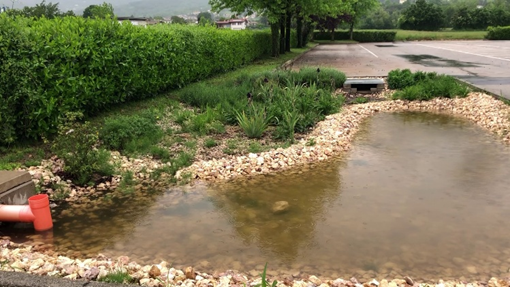
Rain gardens are defined as small-scale vegetated gardens used for storage and infiltration. The term ‘rain garden’ is often used interchangeably with ‘bioretention area’ (although the latter could also be applied more loosely to other measures such as filter strips or swales). 

...

Rain garden (IT)

Source: SpongeScapes project

Possible benefits with level
Benefits Level
ES1 - Water storage
Low
ES3 - Natural biomass production
Low
ES4 - Biodiversity preservation
Medium
ES5 - Climate change adaptation and mitigation
Medium
ES6 - Groundwater/aquifer recharge
Medium
ES7 - Flood risk reduction
High
ES8 - Erosion/sediment control
Low
ES9 - Filtration of pollutants
Medium
ES10 - Recreational opportunities
Medium
ES11 - Aesthetic/cultural value
Medium
PO2 - Improving status of physico-chemical quality elements
Low
PO4 - Improving chemical status and priority substances
Low
PO5 - Improving quantitative status
Medium
PO7 - Prevent surface water status deterioration
Medium
PO8 - Prevent groundwater status deterioration
Low
PO9 - Take adequate and co-ordinated measures to reduce flood risks
High
PO11 - Better protection for ecosystems and more use of Green Infrastructure
High
PO14 - Prevention of biodiversity loss
Medium
BP1 - Store runoff
Medium
BP2 - Slow runoff
Medium
BP5 - Increase evapotranspiration
High
BP6 - Increase infiltration and/or groundwater recharge
High
BP7 - Increase soil water retention
Low
BP8 - Reduce pollutant sources
Low
BP9 - Intercept pollution pathways
Medium
BP10 - Reduce erosion and/or sediment delivery
Medium
BP14 - Create terrestrial habitats
High
BP16 - Reduce peak temperature
Medium
BP17 - Absorb and/or retain CO2
Low
Code
SA08
Sector
Agriculture
Year of Issue
2025
Summary

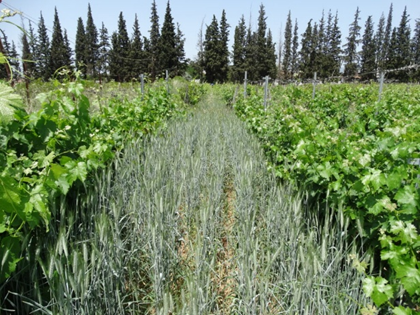
Green cover, cover crops or catch crops refers to crops planted in late summer or autumn, usually on arable land, to protect the soil, which would otherwise lie bare during the winter, against wind and water erosion.  Green cover crops also improve the structure of the soil, diversify the cropping system, and mitigate the loss of soluble nutrients. Green cover crops are good...


Vineyard with green cover (GR)

Source: Biodiversify project

Possible benefits with level
Benefits Level
BP2 - Slow runoff
High
BP5 - Increase evapotranspiration
Medium
BP6 - Increase infiltration and/or groundwater recharge
Medium
BP7 - Increase soil water retention
Medium
BP8 - Reduce pollutant sources
Low
BP9 - Intercept pollution pathways
High
BP10 - Reduce erosion and/or sediment delivery
High
BP11 - Improve soils
Medium
BP14 - Create terrestrial habitats
Low
BP17 - Absorb and/or retain CO2
Medium
ES3 - Natural biomass production
Low
ES4 - Biodiversity preservation
Low
ES5 - Climate change adaptation and mitigation
Medium
ES6 - Groundwater/aquifer recharge
Medium
ES7 - Flood risk reduction
High
ES8 - Erosion/sediment control
High
ES9 - Filtration of pollutants
High
PO2 - Improving status of physico-chemical quality elements
Low
PO3 - Improving status of hydromorphology quality elements
Medium
PO4 - Improving chemical status and priority substances
Low
PO5 - Improving quantitative status
Low
PO6 - Improving chemical status
Low
PO7 - Prevent surface water status deterioration
High
PO8 - Prevent groundwater status deterioration
Medium
PO9 - Take adequate and co-ordinated measures to reduce flood risks
High
PO10 - Protection of important habitats
Low
PO11 - Better protection for ecosystems and more use of Green Infrastructure
High
PO12 - More sustainable agriculture and forestry
High
PO14 - Prevention of biodiversity loss
High
Code
SA03
Sector
Agriculture
Year of Issue
2025
Summary

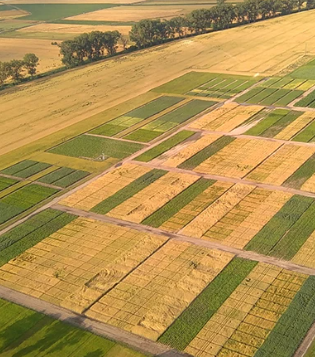
Crop rotation is the practice of growing a series of dissimilar or different types, species, or families of crops in the same area in sequential seasons. Judiciously applied (i.e. selecting a suitable crop) crop rotation can improve soil structure and fertility by alternating deep-rooted and shallow-rooted plants. In turn, this enhances the soil’s sponge-like behaviour by improving structural properties, fostering root-driven...

Fields in crop rotation (PL)

Source: Zuzanna Sawinska, Poznan University of Life Sciences

Possible benefits with level
Benefits Level
BP2 - Slow runoff
Medium
BP6 - Increase infiltration and/or groundwater recharge
Medium
BP7 - Increase soil water retention
Medium
BP8 - Reduce pollutant sources
Medium
BP9 - Intercept pollution pathways
High
BP10 - Reduce erosion and/or sediment delivery
Low
BP11 - Improve soils
High
BP17 - Absorb and/or retain CO2
Medium
ES4 - Biodiversity preservation
Low
ES6 - Groundwater/aquifer recharge
Medium
ES7 - Flood risk reduction
Low
ES8 - Erosion/sediment control
Low
ES9 - Filtration of pollutants
Medium
ES11 - Aesthetic/cultural value
Medium
PO2 - Improving status of physico-chemical quality elements
Medium
PO4 - Improving chemical status and priority substances
Low
PO7 - Prevent surface water status deterioration
Medium
PO9 - Take adequate and co-ordinated measures to reduce flood risks
Low
PO11 - Better protection for ecosystems and more use of Green Infrastructure
Medium
PO12 - More sustainable agriculture and forestry
Medium