PO10 - Protection of important habitats

Code
SA04
Sector
Agriculture
Year of Issue
2025
Summary

Strip cropping is a farming method used when a slope is too steep or too long, or otherwise, when one does not have an alternative method of preventing soil erosion. It alternates strips of closely sown crops which cover fully the soil when growing such as hay, wheat, or other small grains with strips of row crops, such as corn, soybeans, cotton, or sugar beets. This technique helps to stop soil...
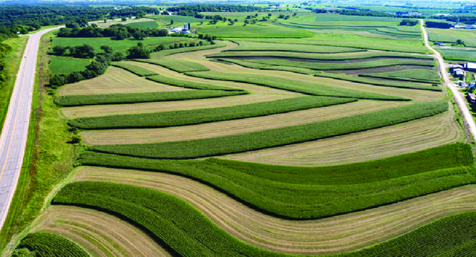
Strip cropping along contour lines

Source: Sanjay Kumar Rathour


Possible benefits with level
Benefits Level
BP2 - Slow runoff
High
BP6 - Increase infiltration and/or groundwater recharge
Medium
BP7 - Increase soil water retention
Low
BP10 - Reduce erosion and/or sediment delivery
High
BP11 - Improve soils
Medium
ES6 - Groundwater/aquifer recharge
Medium
ES7 - Flood risk reduction
Medium
ES8 - Erosion/sediment control
High
ES9 - Filtration of pollutants
Medium
PO3 - Improving status of hydromorphology quality elements
Medium
PO5 - Improving quantitative status
Medium
PO7 - Prevent surface water status deterioration
Medium
PO9 - Take adequate and co-ordinated measures to reduce flood risks
High
PO11 - Better protection for ecosystems and more use of Green Infrastructure
High
PO12 - More sustainable agriculture and forestry
Medium
PO14 - Prevention of biodiversity loss
Medium
Code
SA08
Sector
Agriculture
Year of Issue
2025
Summary

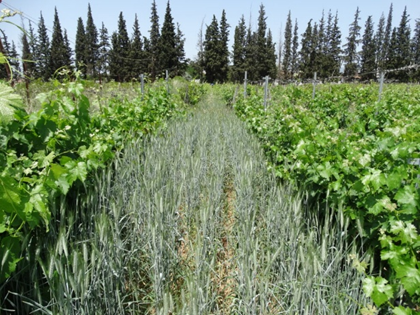
Green cover, cover crops or catch crops refers to crops planted in late summer or autumn, usually on arable land, to protect the soil, which would otherwise lie bare during the winter, against wind and water erosion.  Green cover crops also improve the structure of the soil, diversify the cropping system, and mitigate the loss of soluble nutrients. Green cover crops are good...


Vineyard with green cover (GR)

Source: Biodiversify project

Possible benefits with level
Benefits Level
BP2 - Slow runoff
High
BP5 - Increase evapotranspiration
Medium
BP6 - Increase infiltration and/or groundwater recharge
Medium
BP7 - Increase soil water retention
Medium
BP8 - Reduce pollutant sources
Low
BP9 - Intercept pollution pathways
High
BP10 - Reduce erosion and/or sediment delivery
High
BP11 - Improve soils
Medium
BP14 - Create terrestrial habitats
Low
BP17 - Absorb and/or retain CO2
Medium
ES3 - Natural biomass production
Low
ES4 - Biodiversity preservation
Low
ES5 - Climate change adaptation and mitigation
Medium
ES6 - Groundwater/aquifer recharge
Medium
ES7 - Flood risk reduction
High
ES8 - Erosion/sediment control
High
ES9 - Filtration of pollutants
High
PO2 - Improving status of physico-chemical quality elements
Low
PO3 - Improving status of hydromorphology quality elements
Medium
PO4 - Improving chemical status and priority substances
Low
PO5 - Improving quantitative status
Low
PO6 - Improving chemical status
Low
PO7 - Prevent surface water status deterioration
High
PO8 - Prevent groundwater status deterioration
Medium
PO9 - Take adequate and co-ordinated measures to reduce flood risks
High
PO10 - Protection of important habitats
Low
PO11 - Better protection for ecosystems and more use of Green Infrastructure
High
PO12 - More sustainable agriculture and forestry
High
PO14 - Prevention of biodiversity loss
High