Completed

Summary
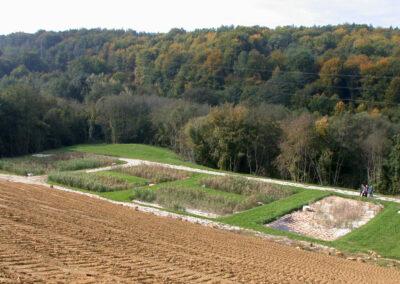
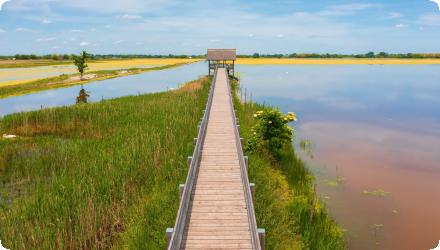
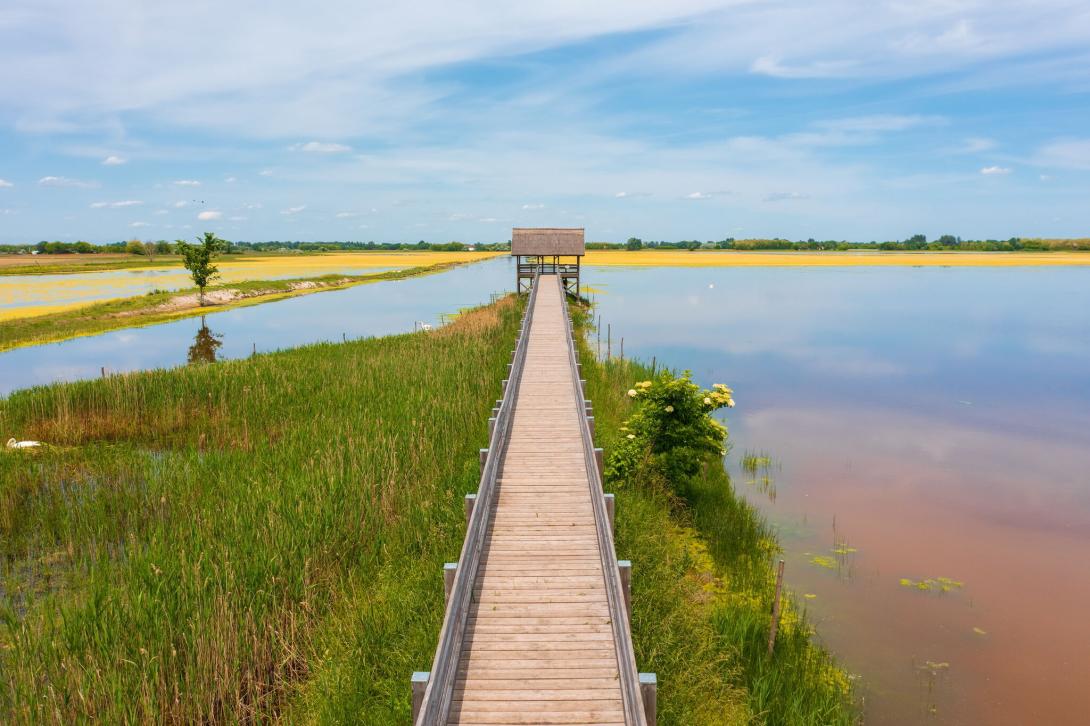
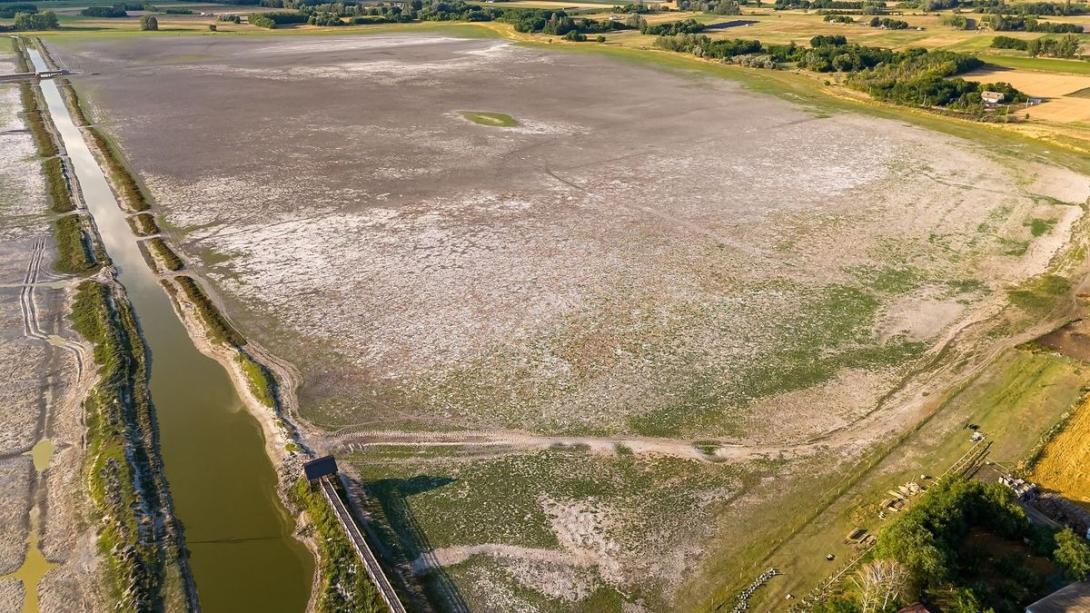
The Nagyszéksós-tó project aimed to safeguard the natural and recreational functions of the protected lake area by improving retention of 1.2 million m³ of water from excess periods and supplying surplus water from the nearby village’s treatment plant, with extra polishing in a newly created wetland. Other objectives included enhancing groundwater recharge, restoring drainage capacity to avoid prolonged waterlogging of farmland, and providing Mórahalom with improved recreation, cultural and educational opportunities.
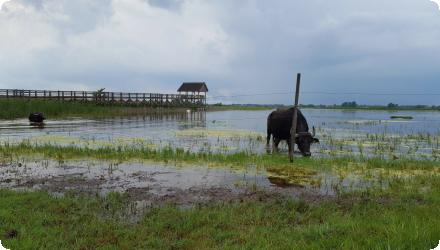
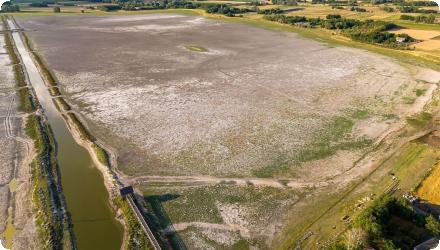
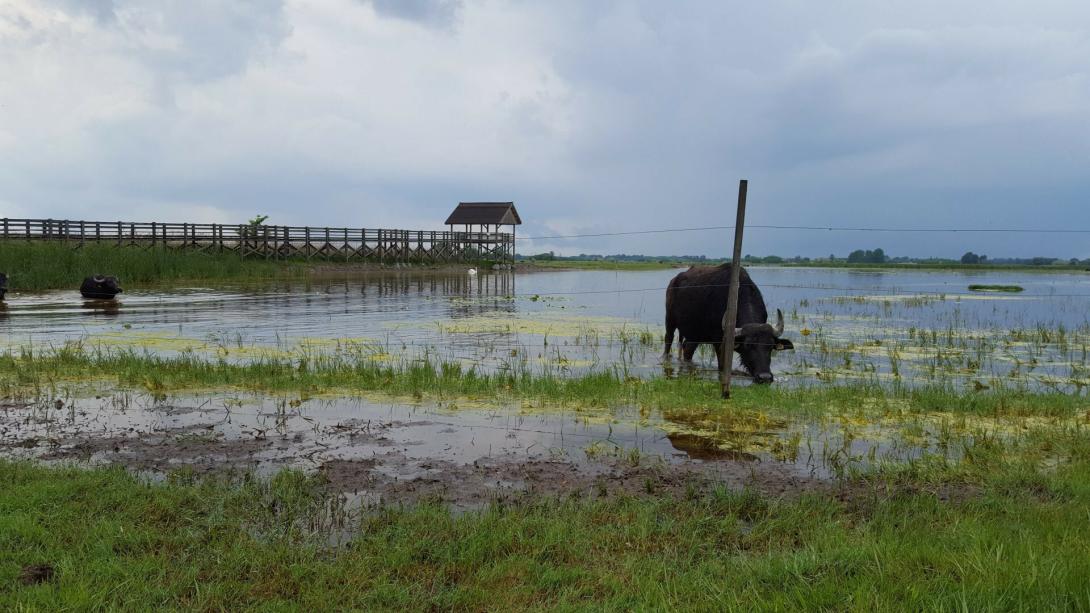
Since completion, the site has become a key habitat, supported by buffalo grazing for vegetation management and seasonal hydrological cycles typical of saline lakes. In recent years, summer drying has recurred, seen by conservationists as a natural phenomenon, though it poses challenges for tourism. A major eco-tourism development started in 2024–2025, led by the Kiskunság National Park Directorate and Mórahalom municipality, will deliver a new visitor centre, thematic trails, birdwatching towers and educational facilities, scheduled to open in 2026, aiming to balance habitat protection with sustainable public access.
Last update
2025
Summary
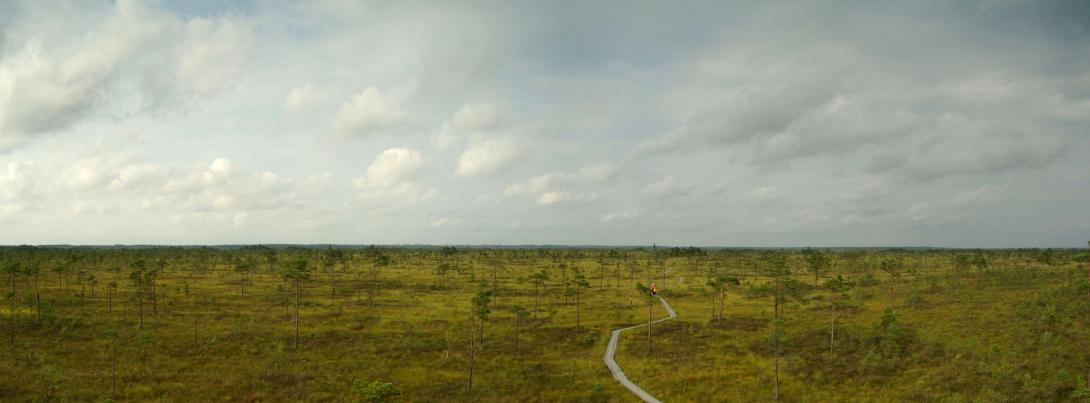
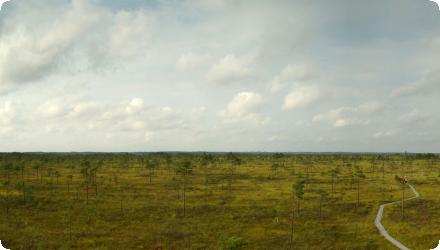
The restoration of the Kuresoo bog aimed to re-establish the natural water regime and typical bog vegetation in a severely drained area within Soomaa National Park, Estonia. Restoration was implemented on a pilot area of approximately 60 ha, where ditches were blocked with peat dams, brushwood and plastic piling. The area had been drained in the 1950s for peat extraction and forestry, resulting in significant degradation of the bog ecosystem.

Monitoring indicates that water levels have been successfully raised, resulting in the development of typical bog vegetation such as sparse pine cover and Sphagnum moss. These changes help reduce carbon emissions from the formerly degraded peat soil and support biodiversity conservation.

Recent sources confirm that over 1,000 dams were built across ~3,000 ha of degraded peatlands at Kuresoo as part of broader national efforts under the LIFE Mires Estonia project (2015–2021). Restoration planning employed drone-based LiDAR surveys and hydrological modelling, while fieldwork included local volunteers and national institutions. Long-term monitoring confirms a stable rise in water levels, recovery of bog vegetation, and return of protected bird species. Some initial restoration structures required corrective work to improve hydrological effectiveness.

As of 2023, the Kuresoo bog restoration is recognized as a national best practice example and has contributed significantly to Estonia’s peatland restoration targets, particularly within Natura 2000 habitats. The site continues to be managed by RMK, with ecological monitoring by the University of Tartu and ELF.
Last update
2025
Summary
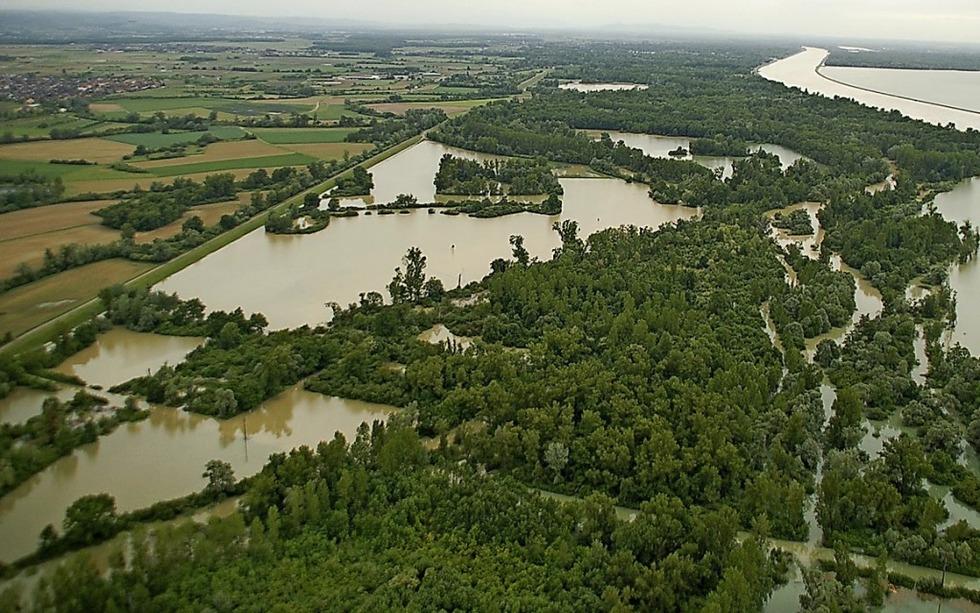
Ecological flooding has been implemented in a polder area near Altenheim, Germany, as part of the Integrated Rhine Programme (IRP). Covering approximately 520 hectares, the Altenheim polders serve a dual function: ecological enhancement and flood retention, with a capacity of up to 17.6 million m³. Since 2001, controlled ecological flooding is triggered when the Rhine’s flow exceeds 1550 m³/s, with infrastructure allowing flows up to 80 m³/s. This approach has significantly improved biodiversity, groundwater dynamics, and habitat conditions.

The project also created recreational opportunities and enhanced landscape connectivity. However, challenges arose related to forest adaptation (notably shifts in tree species), mosquito proliferation, and groundwater level management. In response, new measures were introduced—including permanent swing barriers (installed in 2021) to protect wildlife during floods, and coordinated post-flood clean-ups involving local authorities and forestry services.

Recent evaluations confirm ongoing positive ecological effects, including increased amphibian, fish, and mammal presence. Regular maintenance and monitoring are coordinated by the Regional Council (Regierungspräsidium Freiburg), ensuring the multifunctional goals of flood protection, ecological restoration, and local engagement are maintained.
Last update
2025
Summary
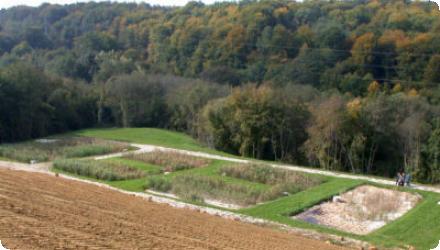
The project applied an eco-remediation methodology at the Dobrava landfill (Municipality of Ormož, Slovenia) in the Pannonian lowlands. It aimed to demonstrate a green technology that reduces landfill impacts through a closed hydrological and pollution cycle, complementing and exceeding legislation. The Limnotop approach combines a dense, high-evapotranspiration woodland cover as a water barrier with recirculation and a constructed wetland for leachate treatment, to protect surface and groundwater.

Since project completion, the landfill has been permanently closed to additional landfilling and reconstructed; the constructed wetland remains in operation for leachate treatment (as confirmed by site managers). Post-LIFE, the site has been under operational monitoring by the authorities. In 2019 the environmental permit required additional leachate treatment, and a 2020 municipal plan considered routing leachate to the Ormož wastewater treatment plant to complement the wetland. A separate collection/transfer center now operates adjacent to the closed landfill. Overall, the case shows long-term use of nature-based treatment integrated with closure works, with upgrades pursued to meet current standards.
Last update
2025
Summary
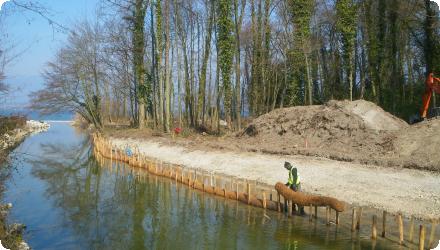
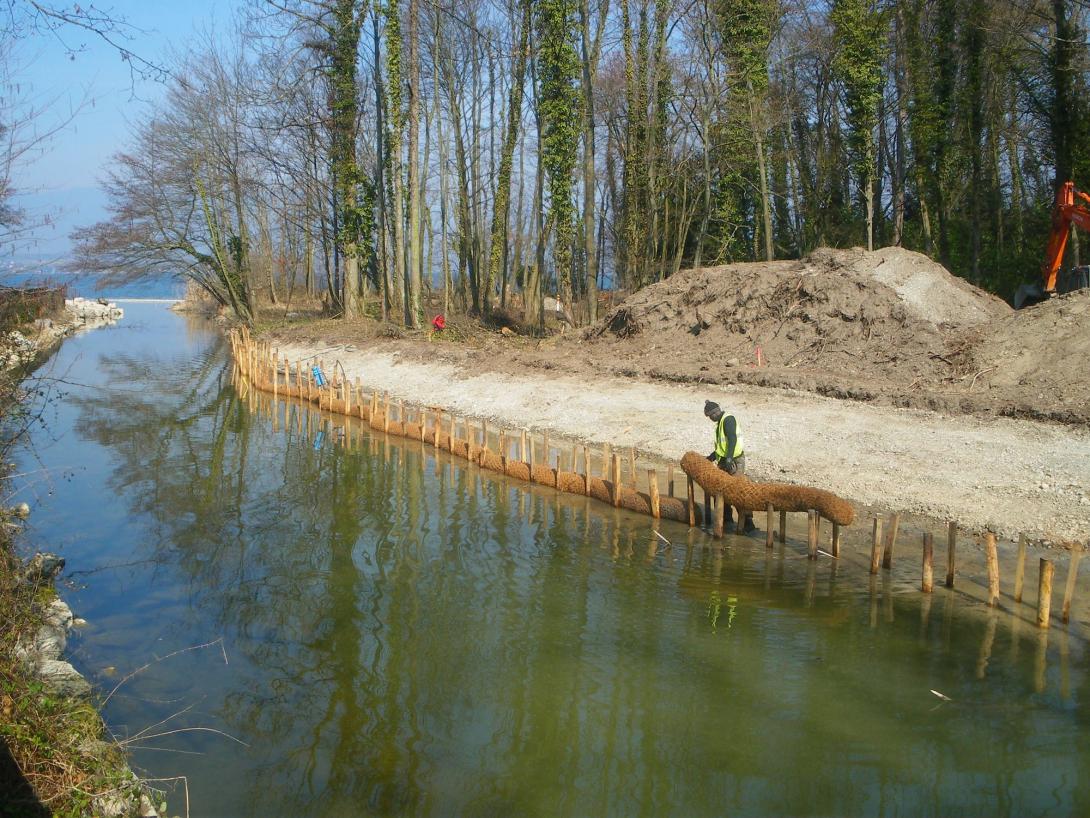
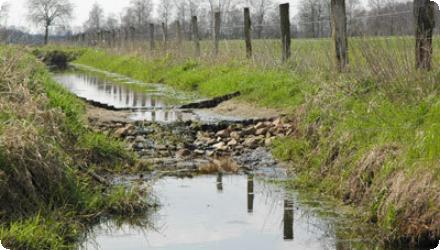
Hermance is a French–Swiss transboundary river. Since 2006, within a cross-border river programme led by SYMASOL with support from the Canton of Geneva, restoration has re-meandered the channel, widened the mouth, renaturalised the bed and banks, replanted riparian vegetation, and used the Mermes marsh as flood-storage via a retention pond ; reducing flood risk for ~100 homes and reconnecting people to their river with a riverside path (opened in 2017). More recent records show the programme extended in phases through 2016–2017, reaching ~3 km of restored river in Veigy-Foncenex, with a total budget reported at €2.5 M (excl. tax). Cross-border works included the 2010 renaturation of the Pont-Neuf–Pont-des-Golettes reach and the 2011 revitalisation of the river mouth. Complementary lacustrine actions created/reinforced reedbeds on the French shore at Chens-sur-Léman (2012, 2016). Flood-risk management was strengthened upstream by a ~12,000 m³ flood-retention basin. Ongoing follow-up includes a 2021 hydrological/hydraulic review of the Hermance dams in Veigy-Foncenex to check performance and safety. Overall, the project combines flood protection, ecological recovery and public amenity at a transboundary scale.
Last update
2025
Summary
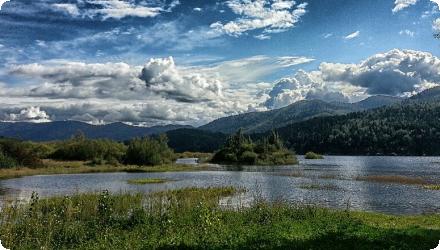
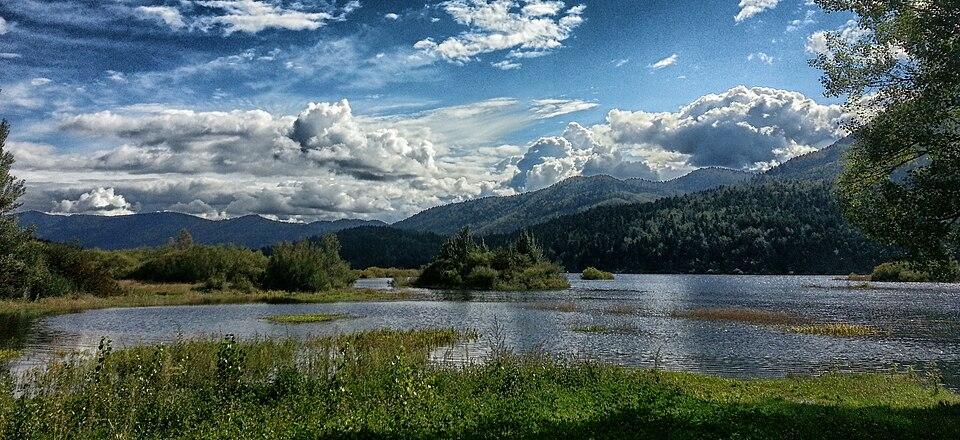
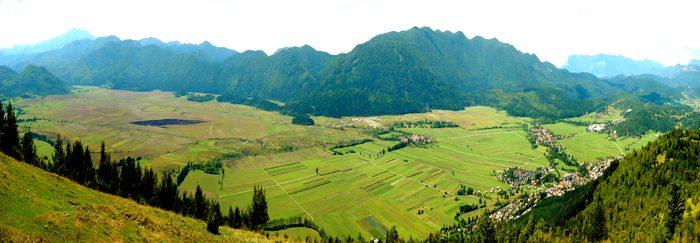
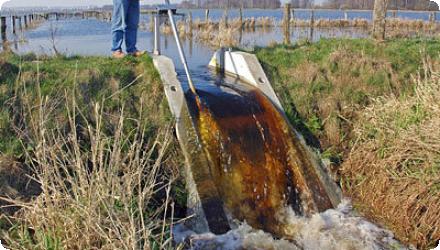
The project aimed to create suitable conditions for protecting and conserving species and habitats at Lake Cerknica, Slovenia’s largest intermittent lake, while promoting sustainable agriculture, forestry, fishing, tourism, recreation, and education in harmony with natural values. Coordinated by Notranjska Regional Park with the Biotechnical Faculty, the Municipality, and Inženiring za vode d.o.o., it was funded by the LIFE programme.

Following the initial actions (2007–2009) – including land purchase, riverbed restoration, and wet grassland management – successive LIFE projects have continued and expanded this work. LIFE STRŽEN (2017–2023) restored over 2 km of the Stržen riverbed, improved hydrological conditions over 60 ha, enhanced habitats for priority bird species such as the bittern, and reduced tourism pressures. The ongoing LIFE TRŠCA (2023–2029) focuses on managing marsh habitats for waterfowl, adapting mowing regimes, removing excess biomass, reducing disturbance, and introducing innovative biomass use. Recent monitoring combines field surveys and satellite imagery to track water levels and reedbed dynamics, ensuring long-term ecological resilience and adaptive management of this Natura 2000 site.
Last update
2025
Summary
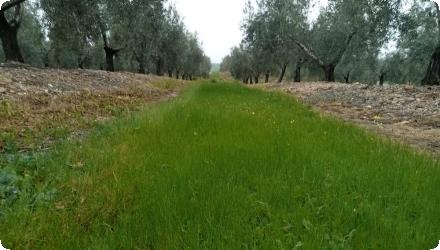
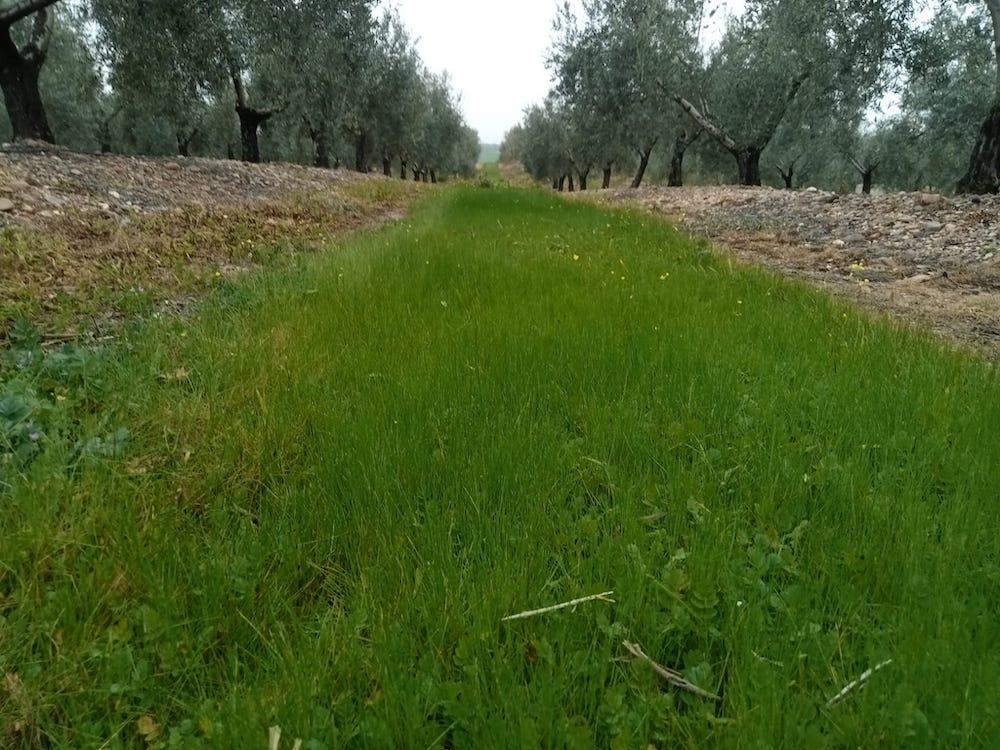
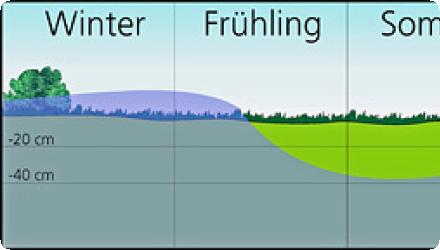
“La Conchuela” is a commercial olive orchard located about 10 km west of Córdoba, Andalusia, near the A-431 road. Over seven years, it served as a long-term experimental site to assess alternative soil management practices (specifically no-tillage and temporary spontaneous cover crops) to reduce soil erosion and runoff. Results showed that these practices significantly improved soil moisture retention, reduced erosion, and enhanced biodiversity, without compromising yields.

More recent studies confirm and expand these findings. Spontaneous cover crops have been shown to enhance carbon sequestration (up to 642 kg C ha⁻¹ yr⁻¹), nutrient retention (N, P, K), and support vegetation diversity. Ongoing research highlights their contribution to maintaining soil organic carbon and resilience under drought conditions, which are increasingly frequent in the Guadalquivir basin. The site is also referenced in broader Andalusian initiatives promoting regenerative olive farming, including the Living Lab Andaluz launched in 2024 to monitor soil health across olive groves in the region.

This case illustrates the long-term viability and scalability of green cover and no-tillage practices in Mediterranean tree crops, especially on rolling terrain vulnerable to erosion.
Last update
2025
Summary
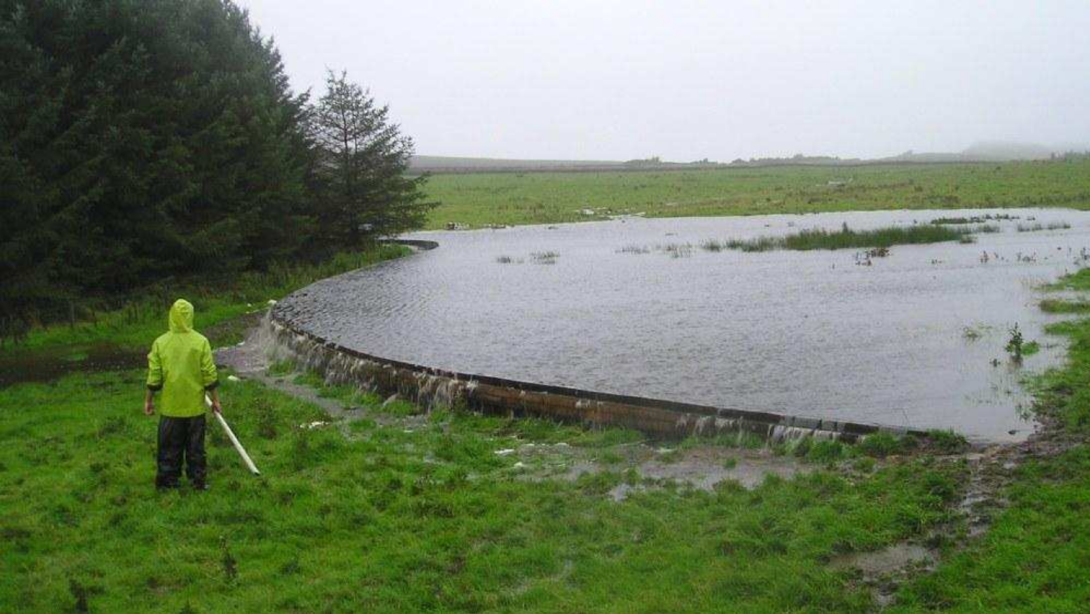
Measures to attenuate runoff were installed in the small Belford catchment, in northeast England, in order to reduce the risk of flooding to the village downstream. The installations involved a network of small measures to capture and delay runoff from the rural catchment, including detention basins and overland flow features, as well as sediment capture measures to improve water quality.

However, since the implementation, the features were not maintained by the landowner, and have been then decommissioned. The measures that were implemented are no longer functional.
Last update
2025
Summary
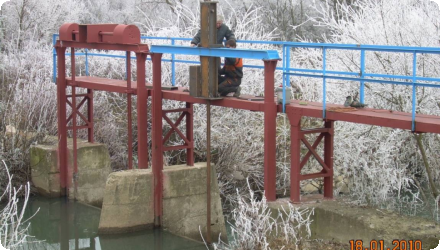
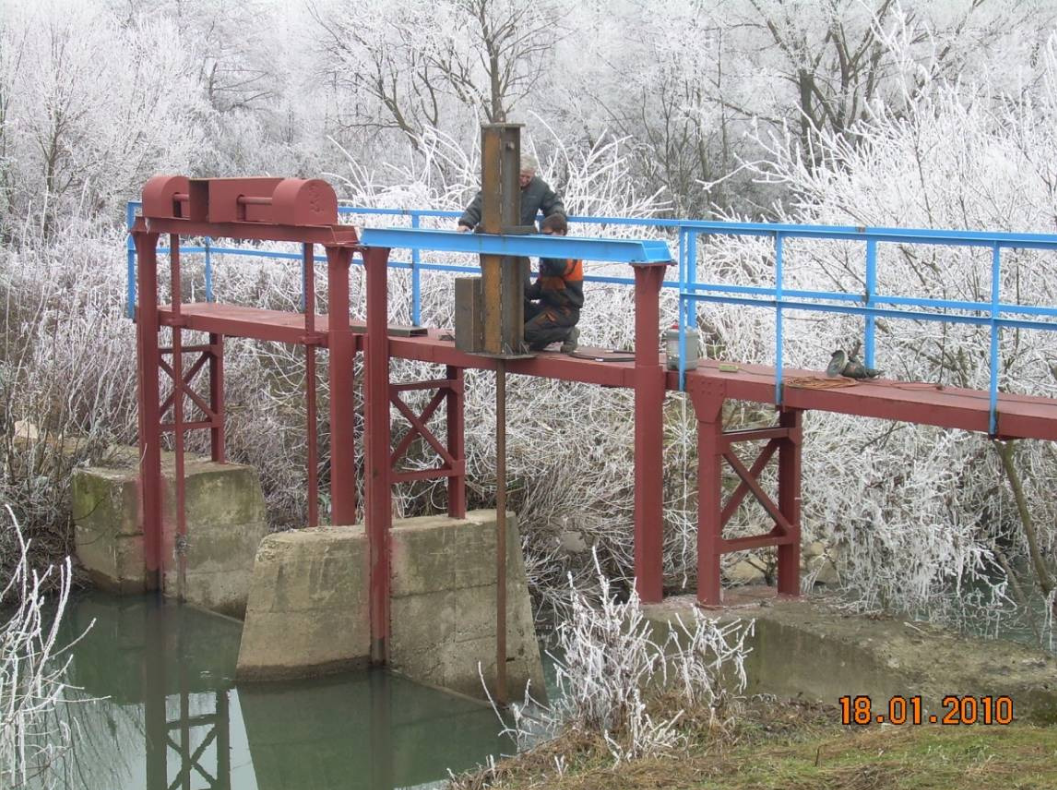
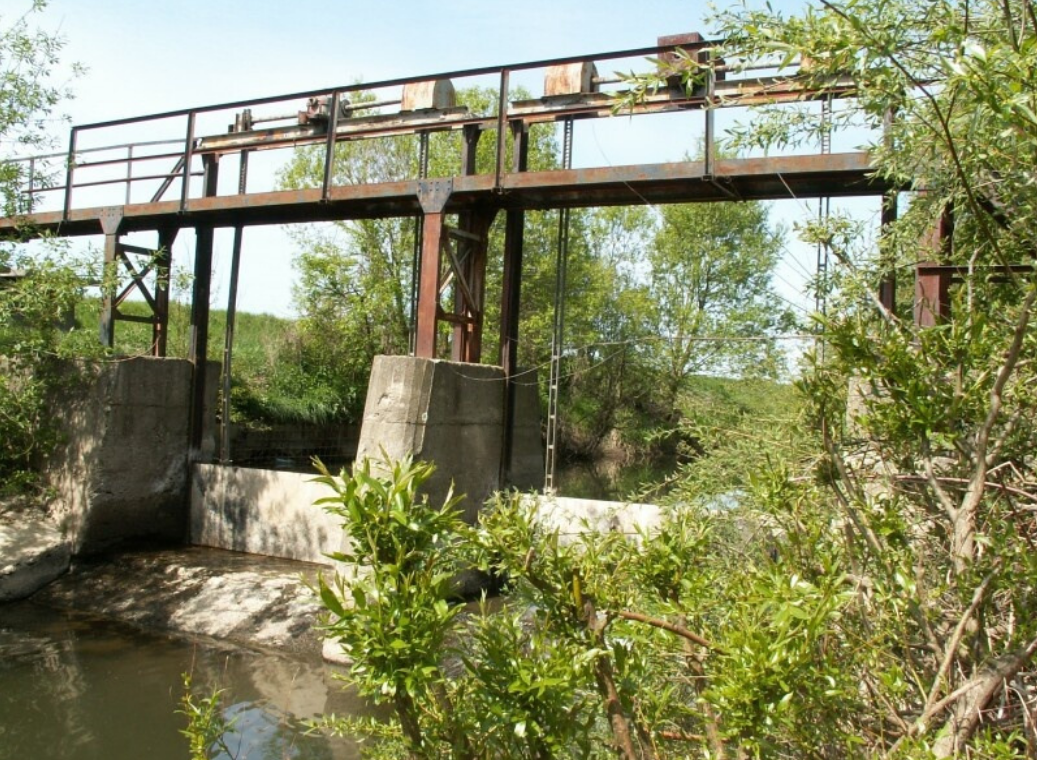
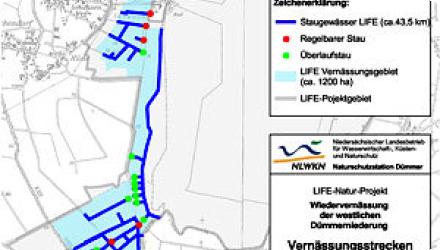
Originally implemented under the UNDP/GEF Tisza MSP, the measure rebuilt an existing floodgate at the confluence of a drying bypass channel and the Žiarovnický stream in the Senné depression (Bodrog basin). The gate enables gravity supply to the Senné fishponds NNR in dry periods and during floods, and reduces discharges to the Stretávka pumping station. It was financed by the Global Environment Facility and delivered by Global Water Partnership Slovakia with local authorities.
Since then, complementary works have expanded upkeep and control of the small-hydraulic network. A LIFE project for the Senné & Medzibodrožie SPAs restored water-level control via gates/sluices and dyke repairs, improving the hydrological regime around the ponds and Ostrovik meadows.
Most recently (2020–2023), SOS/BirdLife Slovakia repaired/maintained ~1.69 km of dikes and ~2.17 km of supply canals and improved the water regime across ~814 ha; managers now manipulate existing stavidla annually to sustain wetland habitats. These actions and targets are embedded in the 2022 Care Programme for the SPA.
Last update
2025
Summary
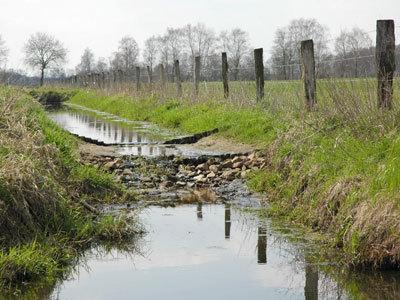
This project combined several natural water retention measures: restoration of meadows and pastures, reduced tillage, reduced stocking density, and wetland restoration . Located in north-west Germany (Weser basin, DE4000), it was funded under the LIFE Program and aligned with the WFD, Habitats, and Birds Directives. Since 2017, over 30 ha of wetlands have been restored, and a reed polder (>80 ha) is being developed to reduce phosphorus loads. Additional river restoration measures have been implemented in the Hunte and Elze catchments. The project involved a wide range of stakeholders, including conservation bodies, water managers, farmers, and local NGOs. It successfully increased meadow bird populations and fostered constructive stakeholder cooperation. Recent efforts also include fish removal and a shift from technical to nature-based solutions, with key goals targeted for 2027.
Last update
2023