Completed

Summary
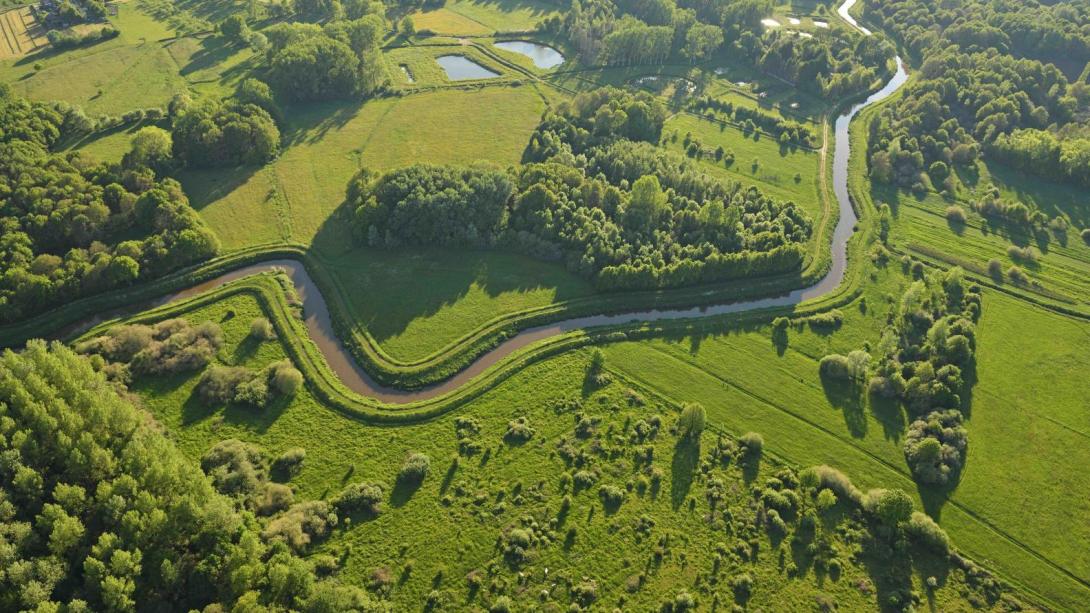
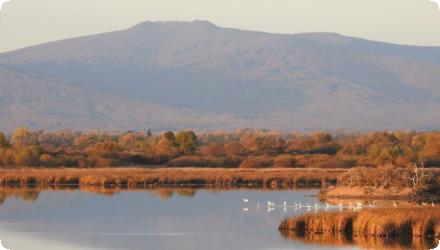
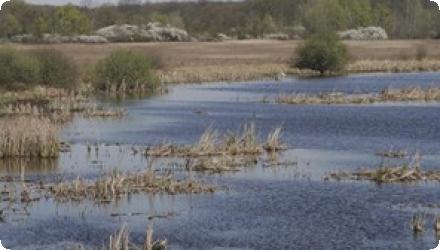
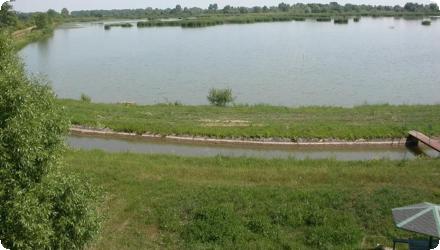
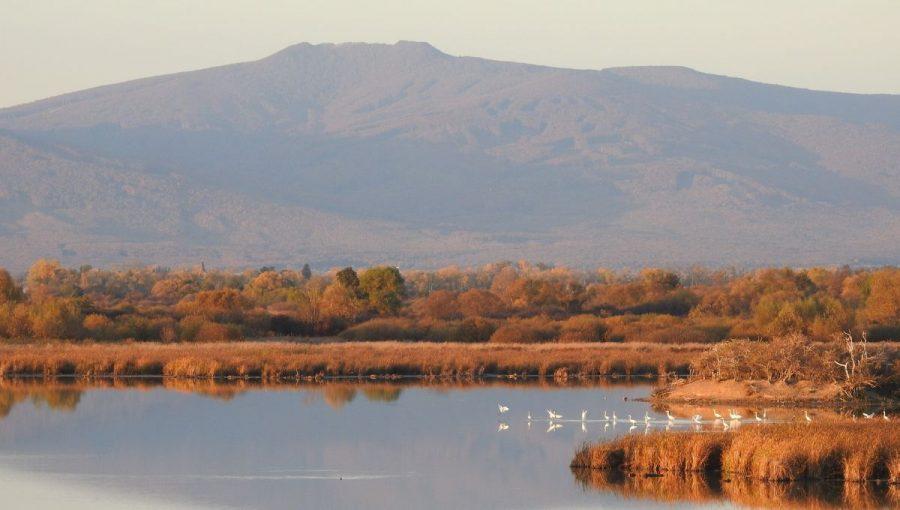
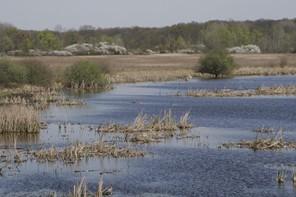
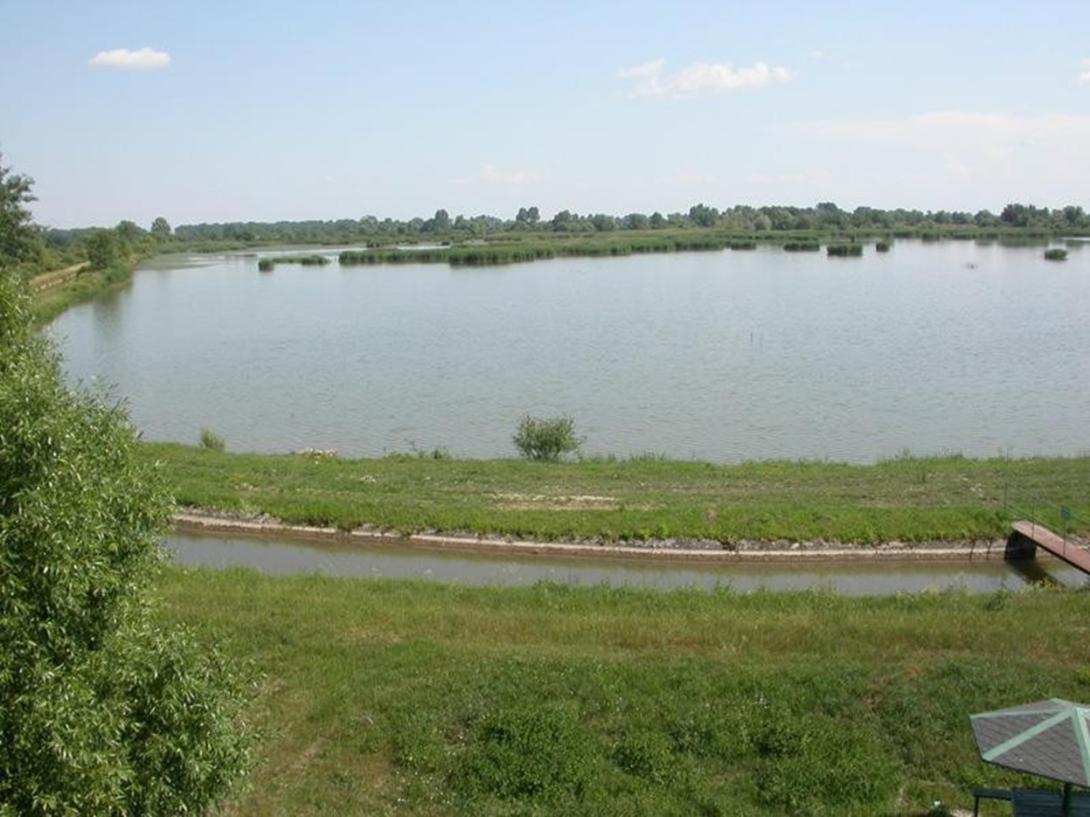
The action, led by the State Nature Conservancy of the Slovak Republic with NGO partners and funded by LIFE and national sources, set out to restore the favourable conservation status of breeding and migratory Birds/Habitats Directive species in the Senné (Senianske rybníky) and Medzibodrožie SPAs by improving key wetland habitats. Since then, conservation has continued under follow-on projects and plans. In Medzibodrožie, LIFE AYBOTCON (2011–2018) restored c.280 ha of water biotopes, created buffer zones, modified 1 770 m of power lines to reduce collisions, purchased land, and improved occurrences of bittern and ferruginous duck. In Senné, LIFE IPORSEN (2017–2027) focuses on hydrological restoration - repairing four sluice gates, 1.6 km of channels and 1 km of dykes, and reconnecting oxbow arms - alongside reedbed/grassland management, creation of nesting sites and small visitor infrastructure.
Both SPAs now have government-approved management plans for 2022–2051 that set long-term objectives, measures and indicative budgets for water-regime restoration and habitat management.
In 2023, IPORSEN works at Senné included repairing dikes and reconstructing the supply canal to secure water levels across the pond system.
Last update
2025
Summary
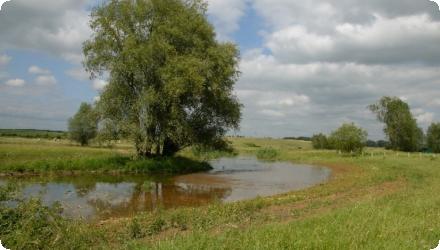
In the 1950s–60s, the Alzette floodplain was straightened for intensive agriculture, reducing water retention and ecological value. At Dumontshaff (Schifflange), the project set out to restore river-floodplain functioning (frequent overbanking, wetland habitat recovery) and to shift meadows to extensive management (late mowing, no fertiliser or biocides). After feasibility and land reallocation, works returned the river to its natural thalweg, widened and raised the bed, reactivated a secondary arm, and enabled floodplain and wetland restoration.
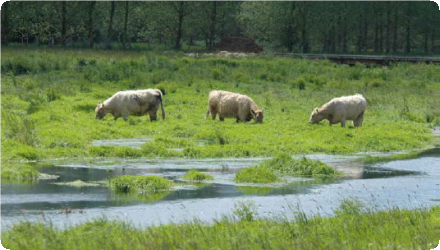
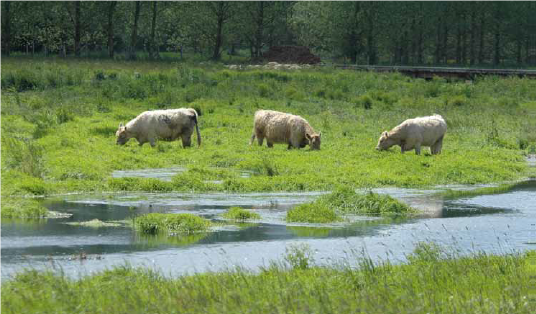
The main works on the Dumontshaff–Lameschmillen reach were completed in 2005 within a ~1.4 km section of the Alzette (plus ~600 m of the Kiemelbaach), with thalweg relocation and bed re-profiling; a dedicated project page reports a cost of ~€920k (excl. VAT). The wetland was formally designated as a National Nature Reserve in May 2023. Management now relies on year-round extensive grazing by Galloway cattle and water buffalo over >40 ha, and a nature trail (~4.4 km, 24 stations, observation tower) supports public access. Ecological outcomes include the return of Greater Spearwort (Ranunculus lingua) in 2009 and regular breeding of White Stork in the restored valley. Nearby, further renaturation on the Kiemelbaach was undertaken in 2020, while broader Alzette restoration continues upstream in separate projects.
Last update
2025
Summary
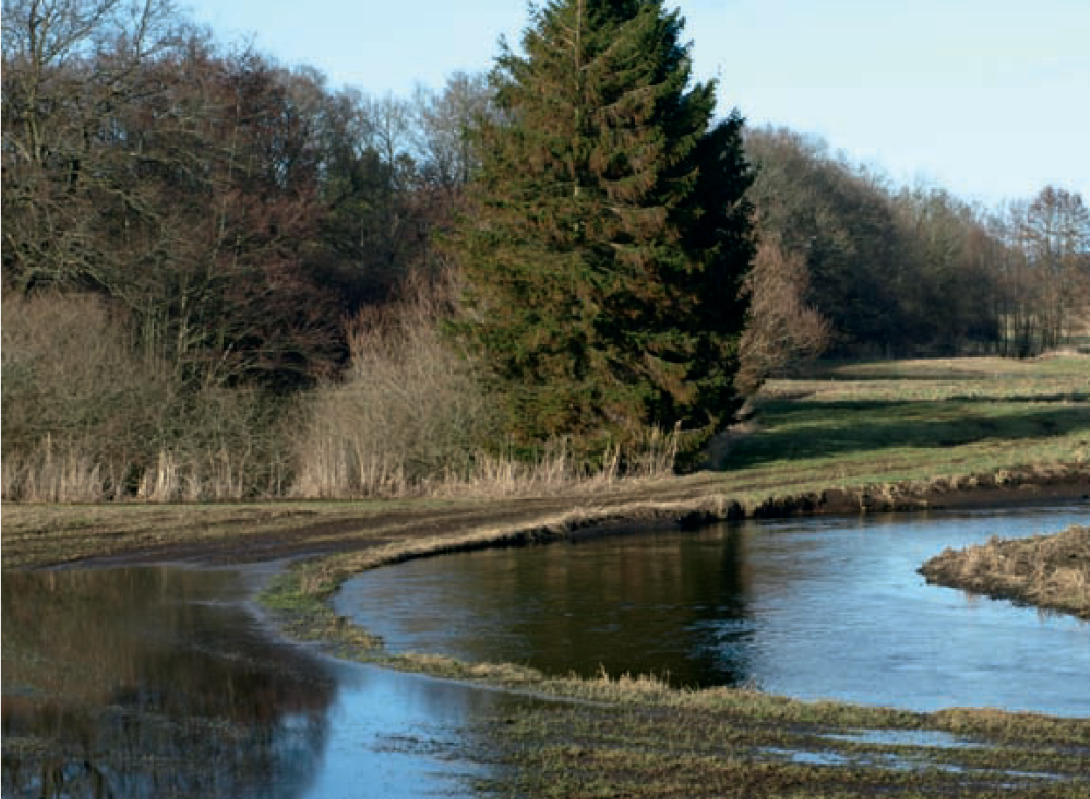
The Odense is a river in southern Denmark. It was channelized and deepened in the late 1940s to improve agriculture. The NWRM consists of a series of measures to restore floodplain connectivity along a 17 km section of the river. The measures will prevent flooding in downstream towns and cities. This will have a number of effects on the pressures relevant for the WFD. Reduced risk for flooding of urban environment reduces the risk for storm overflows from sewers as well as diffuse pollution resulting from flooding in general. Re-meandering reduces the pressure from previous physical alterations for flood protection and agricultural purposes. It will also potentially have a positive effect on ground water recharge in temporarily flooded areas.

Since 2004, ~12 km of Odense River have been remeandered and 350 ha of wetlands restored under LIFE REGAIN. Recent actions include removal of migration barriers, and mussel habitat restoration.

In 2024, two artificial stone reefs (4500 tonnes) were established in Odense Fjord to enhance marine biodiversity. The project was led by SDU in partnership with Odense and Nordfyn municipalities and Aage V. Jensen Naturfond. The reefs aim to improve conditions for fish fry, seagrass, and aquatic invertebrates, and contribute to the ecological recovery of the fjord.
Last update
2025
Summary
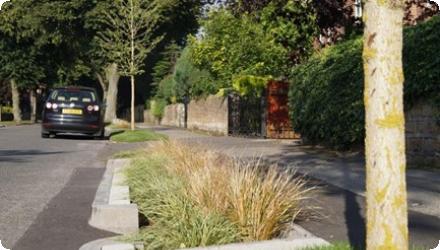
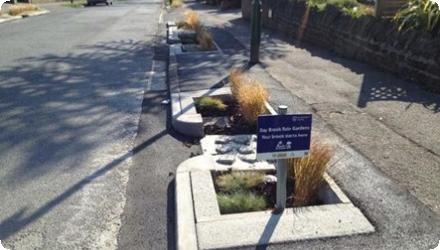
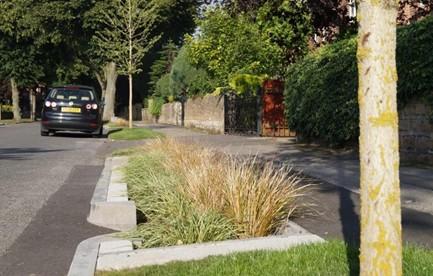
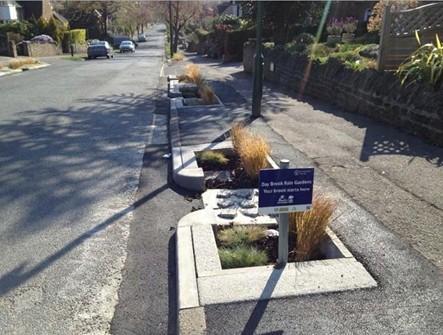
A rain garden was installed along the verges of a residential road in Nottingham, England. The purpose of the rain garden was to control the rate of runoff and water quality reaching the downstream watercourse (Day Brook).
A total of 21 linear rain gardens were constructed within the grass verge of Ribblesdale Road, to manage surface water run off within the catchment of Day Brook. Water contained within the gardens soaks away rather than entering the local surface water sewer which flows to the Day Brook. Construction was completed in May 2013.

The Nottingham rain gardens reduced surface water runoff by up to 30%. They help lower local flood risk, reduce combined sewer overflow, and improve water quality through filtration. Over 150 rain gardens were installed, enhancing biodiversity, creating attractive green space, and supporting pollinators. Maintenance costs are low and community feedback has been positive. The project also contributes to climate resilience and urban cooling.
Last update
2025
Summary
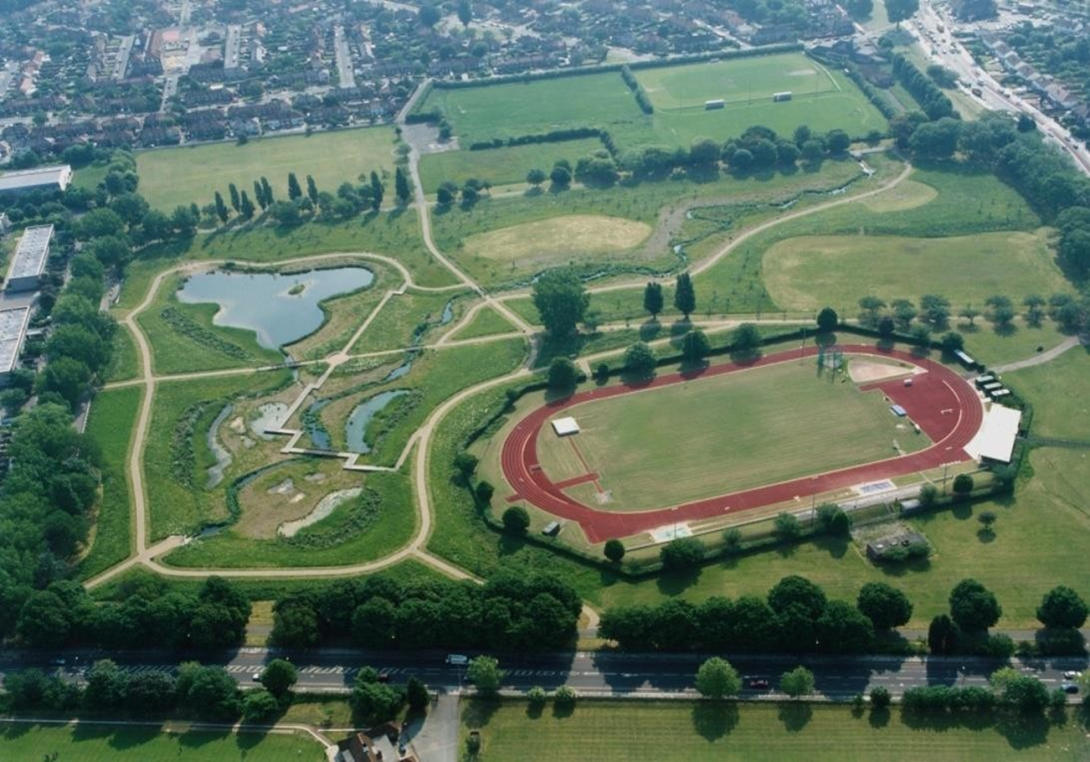
Between 1990 and 2005, the River Quaggy programme in southeast London combined river restoration and flood management to address growing urban flood risk: de-culverting and reconnecting floodplain (notably at Sutcliffe Park), construction of detention basins, set-back defences and channel re-profiling. The scheme took a catchment-scale view, was delivered by a multi-disciplinary team, and drew heavily on community advocacy. Since then, the sites have been managed as long-term green infrastructure: Sutcliffe Park is a Local Nature Reserve with a 2019–24 management plan (updated 2022) to maintain flood-storage function and biodiversity. Lewisham’s 2022–27 Local Flood Risk Management Strategy adopts a “make space for water” approach and cites Quaggy/Sutcliffe Park as exemplars. Recent works extend benefits upstream at Chinbrook Meadows, where Thames21 and partners created new wetland cells (2023–24) to intercept the polluted Grove Park Ditch, improve water quality and habitat, slow flows and enhance community amenity; the wetlands opened to the public in September 2024. River status has also evolved: the Environment Agency now classifies the Quaggy water body as having Moderate ecological status (2025), with physical modification and point-source pollution remaining pressures.
Last update
2025
Summary
This scheme is part of the long-term SigmaPlan in Flanders, designed to increase flood storage in the Scheldt catchment while restoring natural habitats. On the Grote Nete, the project reconnects the river with its floodplain, previously cut off by dykes. In the middle reach, controlled flood storage areas (GOGs) are being developed, while in the upper and lower reaches free connections are restored, creating opportunities for wetlands, grasslands, and riparian forests.

Since 2015, planning has advanced through a spatial implementation plan (GRUP) and a subdivision into three sub-areas: Zammelsbroek, Tussen Hellebrug en Herenbossen, and Ter Borght–De Merode. Works are ongoing in Zammelsbroek and Hellebrug–Herenbossen, with dike modifications, creation of winter beds, reconnection of tributaries, and restoration of wetlands. The Ter Borght–De Merode section is progressing administratively, with environmental procedures under way. By 2024–2025, public information points and guided visits confirmed the transition to implementation on site.

The project is managed by De Vlaamse Waterweg nv and the Agency for Nature and Forest (ANB), within the broader valley programme “Het Grote Net(e)werk” led by the Province of Antwerp. This coalition aligns flood protection, water quality, and ecological objectives across about 900 ha along 30 km of river. Funding is supported by the SigmaPlan and the Flemish Blue Deal (2025–2029). Implementation requires addressing sediment and water quality constraints but is expected to deliver multiple benefits: improved flood safety, reconnected habitats, and increased resilience of the Grote Nete valley.
Last update
2025
Summary
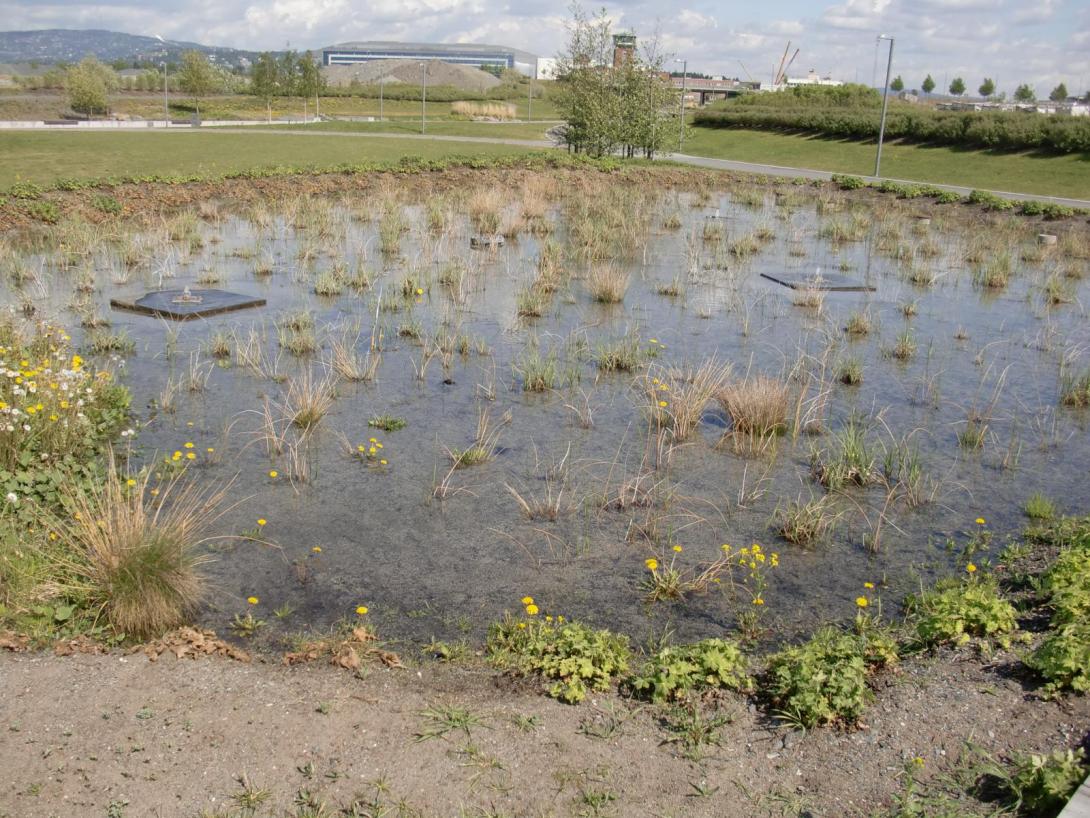
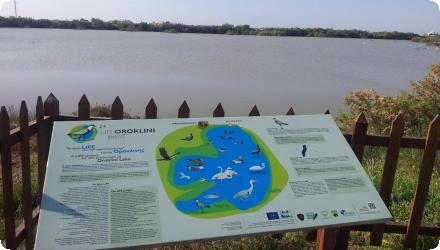
Fornebu is a brownfield development project with a focus on sustainable stormwater management and green infrastructure. The transformation of Fornebu, a decommissioned airport near Oslo, into a resilient, multifunctional urban landscape exemplifies nature-based stormwater management. Originally abandoned in 1998, the 340 ha brownfield site was redeveloped into a mixed residential and industrial area where stormwater systems were designed not as hidden infrastructure, but as visible, ecological assets. Swales, filter strips, permeable surfaces, detention basins and retention ponds were implemented to handle runoff and purify water, replacing conventional pipe networks. These measures were led and financed by Statsbygg (the Norwegian Directorate of Public Construction and Property), in collaboration with the City of Oslo, Bærum Municipality, and design input from Bjørbekk & Lindheim AS, supported by research from Interconsult ASA and Aalborg University.
From inception, the project aimed to enhance recreational and ecological values while ensuring cost-effective water management. Retention structures were sized to cope with flows from 1‑ to 20‑year return period storms, and water quality improvements were significant—modelled reductions of suspended solids (up to 90 %), phosphorus (≈ 65 %), copper (≈ 65 %), zinc (≈ 45 %) and nitrogen (≈ 40 %) were achieved.
Today, the Fornebu stormwater system is considered complete and serves as a meso‑scale model of blue‑green infrastructure integration, combining flood protection, water purification, biodiversity enhancement, recreational space and urban development stimulus. Its notable legacy is the shift from traditional stormwater management toward multifunctional, visible, sustainable urban design, resilient in the face of climate change and rooted in cross‑government collaboration.
Last update
2025
Summary
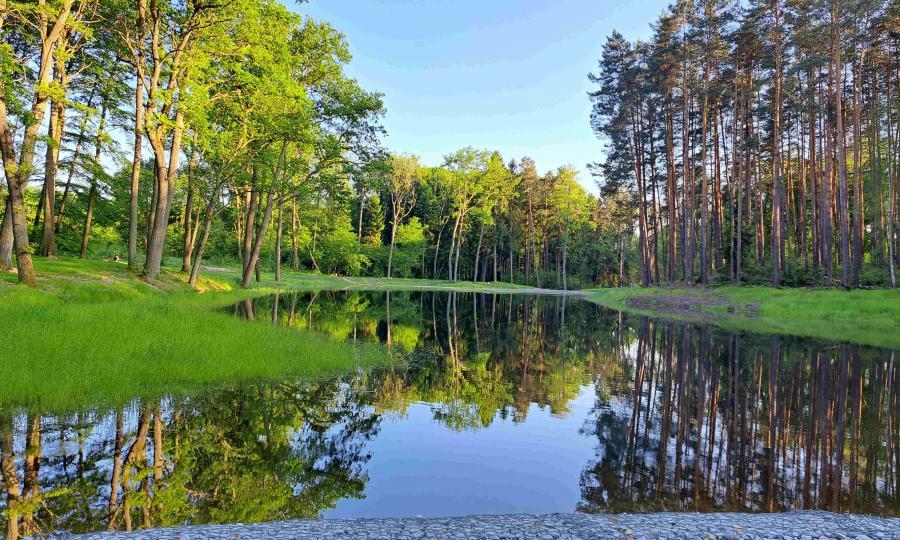
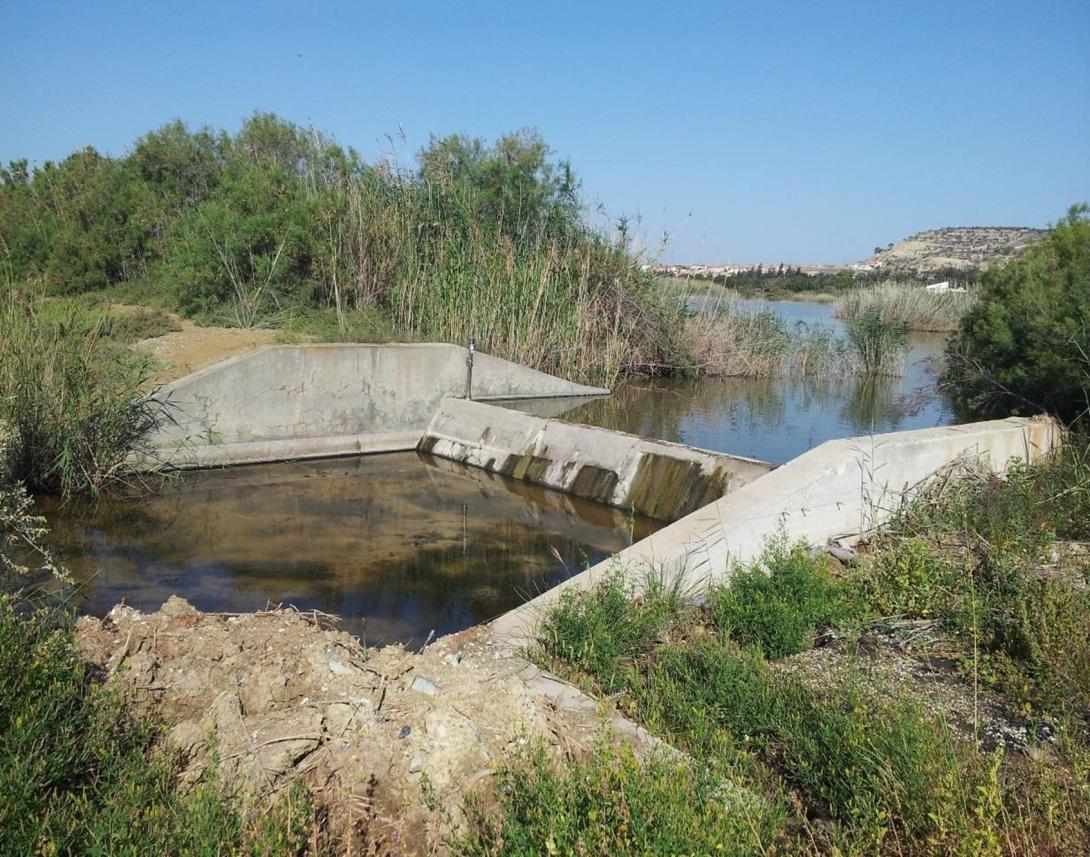
The Polish governmental agreement on water retention in small‑scale infrastructures was signed in 1995 to improve the structure of the water balance of small catchments by 2015. Regional authorities (voivodships) elaborated retention development programmes, largely completed by 1996. The plan focused on small water bodies - ponds - anticipating retention gains of approximately 860 million m³ across 4 789 reservoirs.
Since then, however, new initiatives and practices have emerged. The State Forests (Lasy Państwowe) have been implementing and consolidating small‑scale retention works in lowland forest ecosystems since the mid‑1990s, under EU‑funded programs. By 2014, this effort increased landscape storage from about 8.38 million m³ (2007) to roughly 31 million m³, enhancing biodiversity via wetland restoration and management.
In parallel, a growing number of micro‑retention (rainwater harvesting) schemes have been observed in rural and urban contexts: individual rainwater systems for households, small reservoirs, and green‑blue infrastructure, used to counter drought, reduce stormwater runoff, and support local water availability.
However, the national “My Water” subsidy programme (2020–2024), which supported residential micro‑retention installations, is not being continued in 2025. Instead, many municipalities now offer their own incentives and grants - for example in Goleszów, Gostyń, Warsaw, and Lubliniec - supporting rainwater retention systems with varying subsidy levels.
Last update
2025
Summary
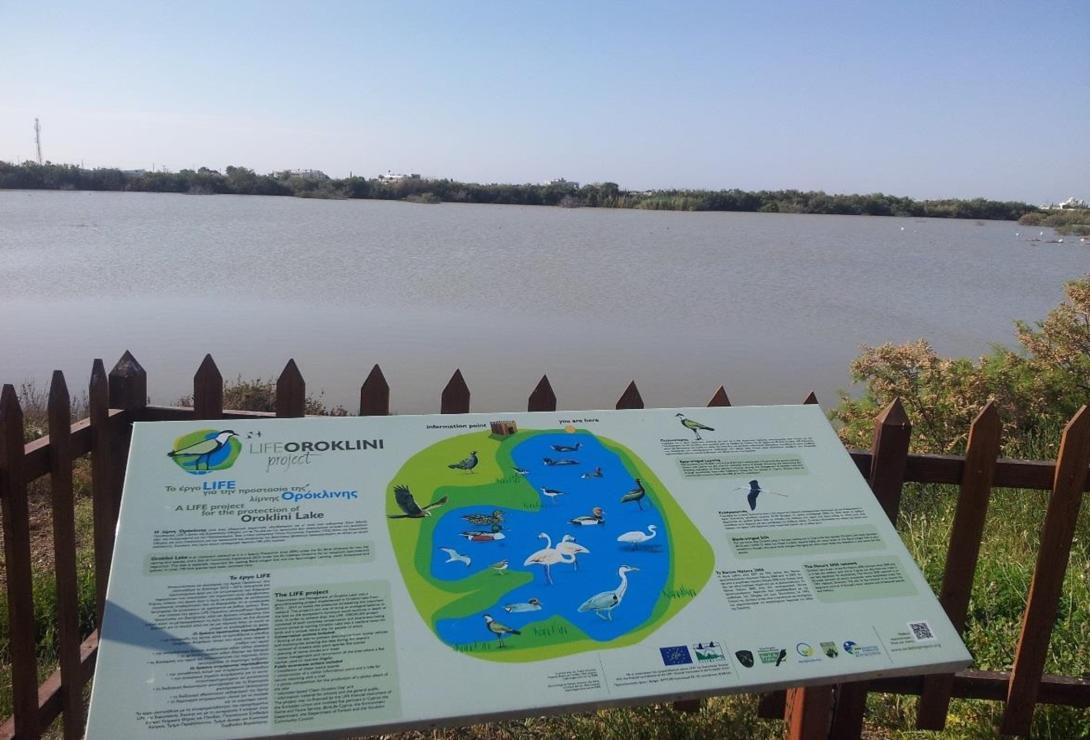
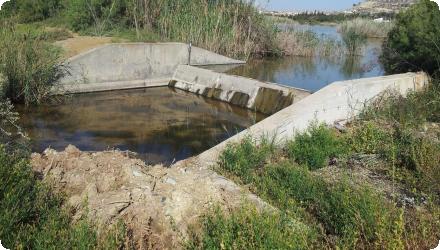
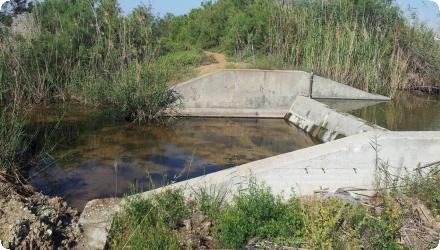
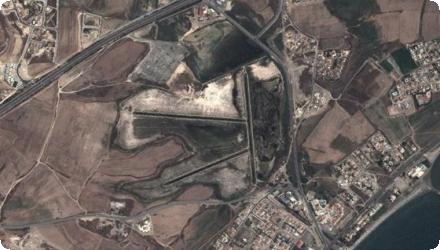
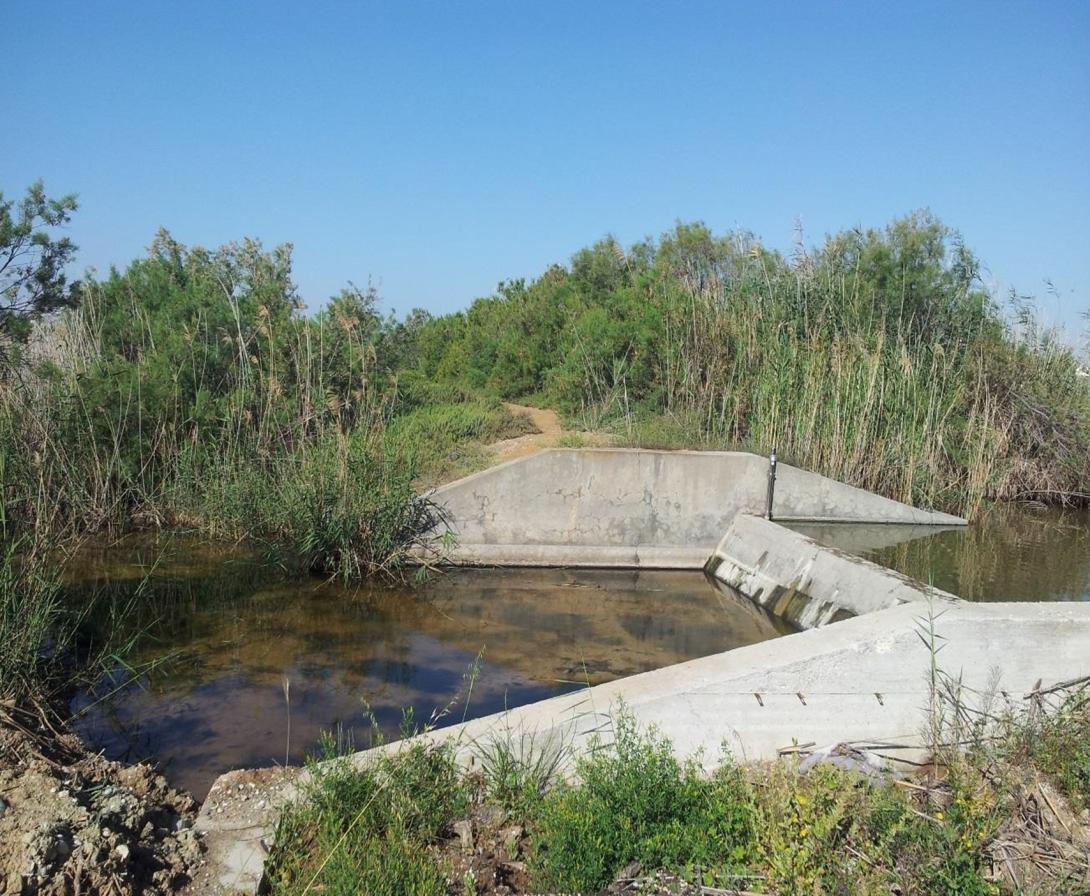
Oroklini Lake lies near Larnaca within Oroklini village. The wetland was modified in the mid-1940s to promote desiccation for health reasons. NWRM actions aimed to retain water and restore habitats for two key breeding species (Black-winged Stilt, Spur-winged Lapwing) and wider biodiversity, including small hydraulic works in the upper basin.
In 2012–2014 the LIFE “Oroklini” project restored and managed the site (water-level management, nesting islets, fencing and visitor facilities), and it was later recognised as a Best LIFE project (2018).
Since 2014, After-LIFE management continues: monthly waterbird counts and nesting surveys, predator monitoring, reed control, and operation of water-control structures to release excess water during floods; bird-collision “diverters” were also installed on power lines.
Recent science characterises Oroklini as a brackish lake (mean salinity ~7.4‰, ≤20‰) with occasional high phytoplankton abundance, influenced by catchment dominated by artificial and agricultural land uses, nformation valuable for water-level and vegetation management.
Under LIFE IP “Pandoteira” (2023–2029), measures relevant to Oroklini include access management to reduce disturbance, water-level plans, reed management and control of non-native predators.
A local issue flagged in late-2023 concerns an upstream runoff channel to the lake that has not been cleaned for decades, raising flood-risk and maintenance needs.
Last update
2025
Summary
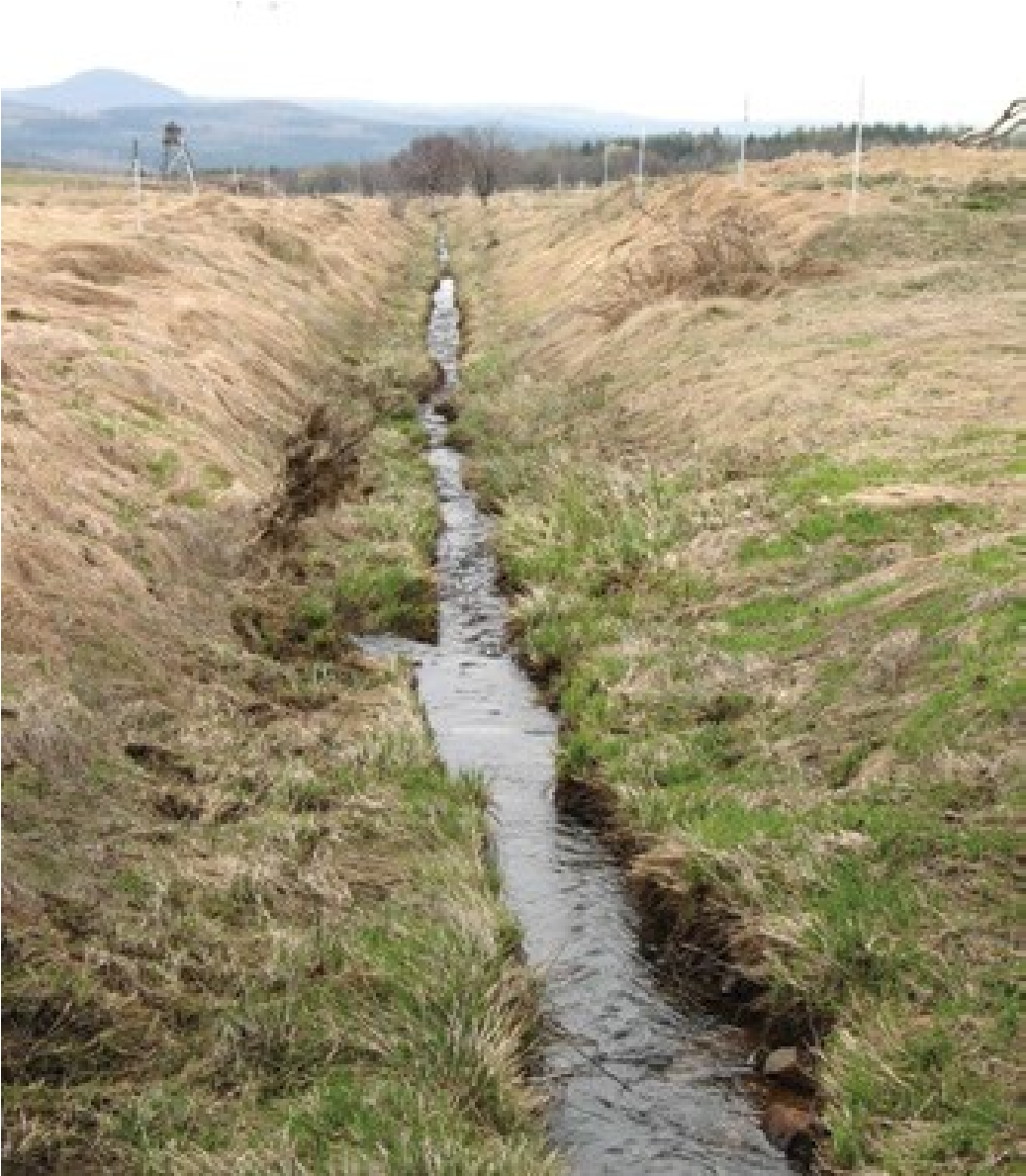
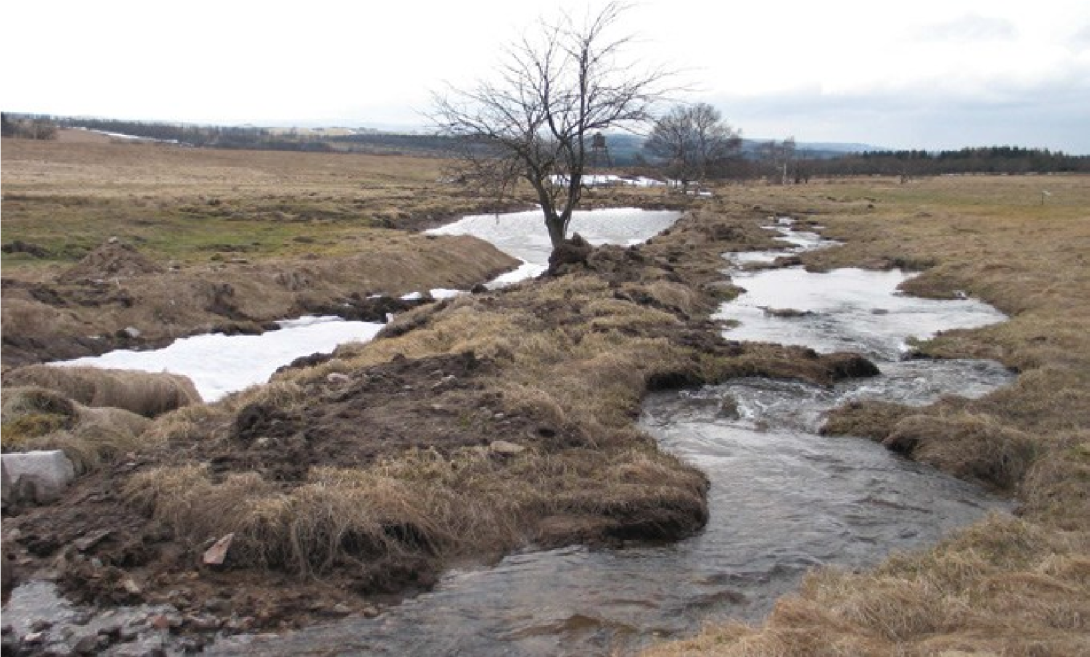
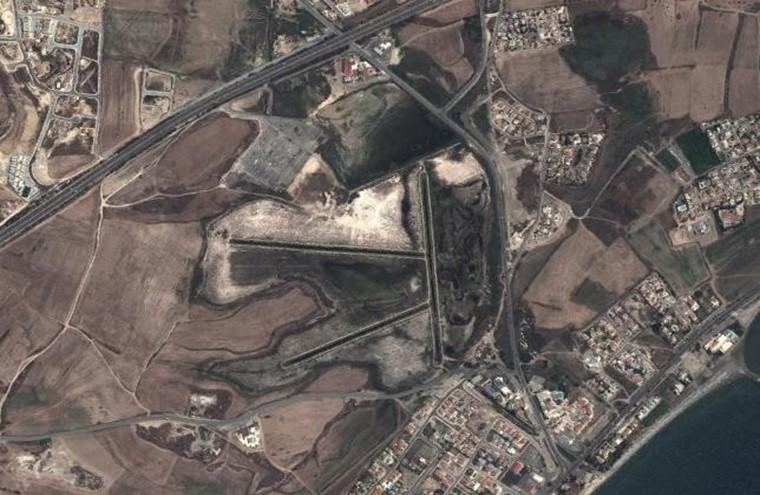
The Nature Conservation Agency of the Czech Republic (AOPK ČR) restored the Černý potok (Black Brook) in the Černá louka Nature Reserve (Ore Mountains, near Adolfov). Early trials began in 2001–2003; the main works in 2009–2010 (OP Environment/ERDF) went beyond in-channel fixes: shallow, meandering channels were newly excavated and reconnected to remnants of the historical course or led across alluvial meadows to reduce depth/volume, slow runoff and re-wet the peat meadows. Designed by Terén Design and built by EPS-Servis, the project reshaped ~2.5 km within the reserve and delivered c. 1,820 m of new channels, ~0.963 ha of ponds/wetland and an ~8 ha meander belt.
Post-restoration monitoring by UJEP found only very small lateral movement (≤10 cm), no significant incision, and that after 1980s straightening had shortened length by ~52% the restored reach in 2011 was ~43% longer than the straightened channel. AOPK notes continued monitoring and documented fish passage, incl. brown trout spawning. Media coverage during the 2019 drought reported the area stayed wet and ponds held water. In 2022, ČSOP with private partners extended restoration to a small tributary just outside the reserve.
Last update
2025