Last update
2026
Summary
Sponge Scapes case study UK 06
These two catchments benefited from floodplain restoration (river remeandering, logjams, etc) in the early 2000’s.
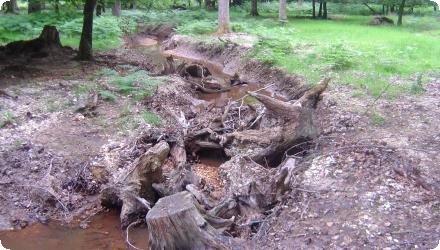
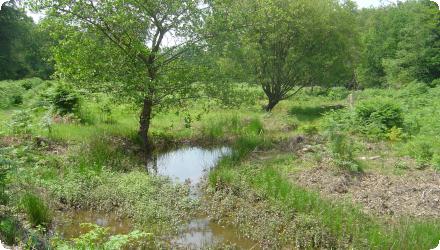
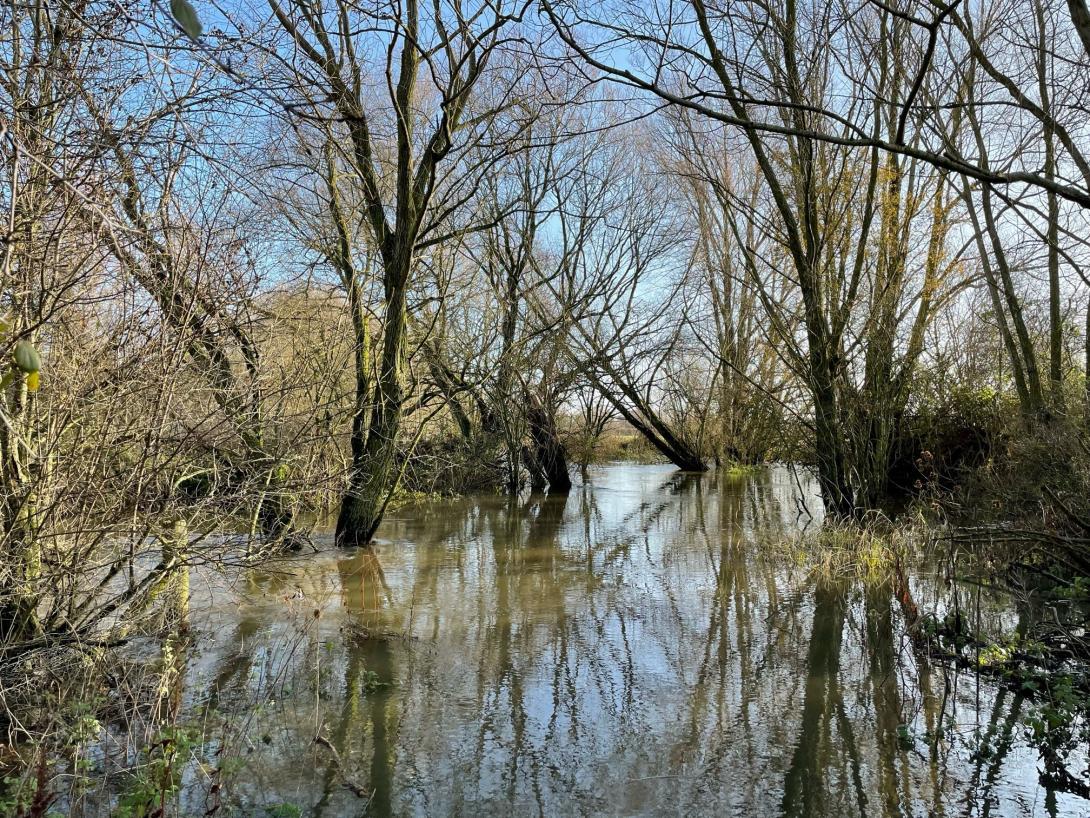
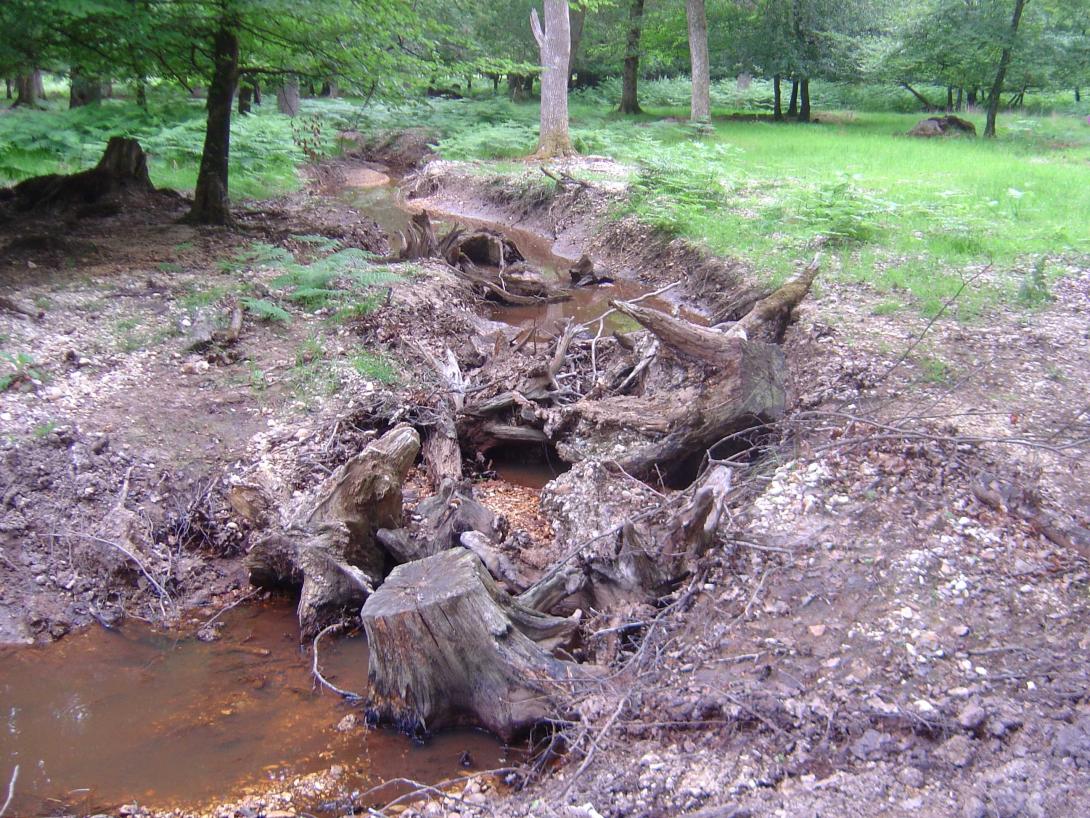
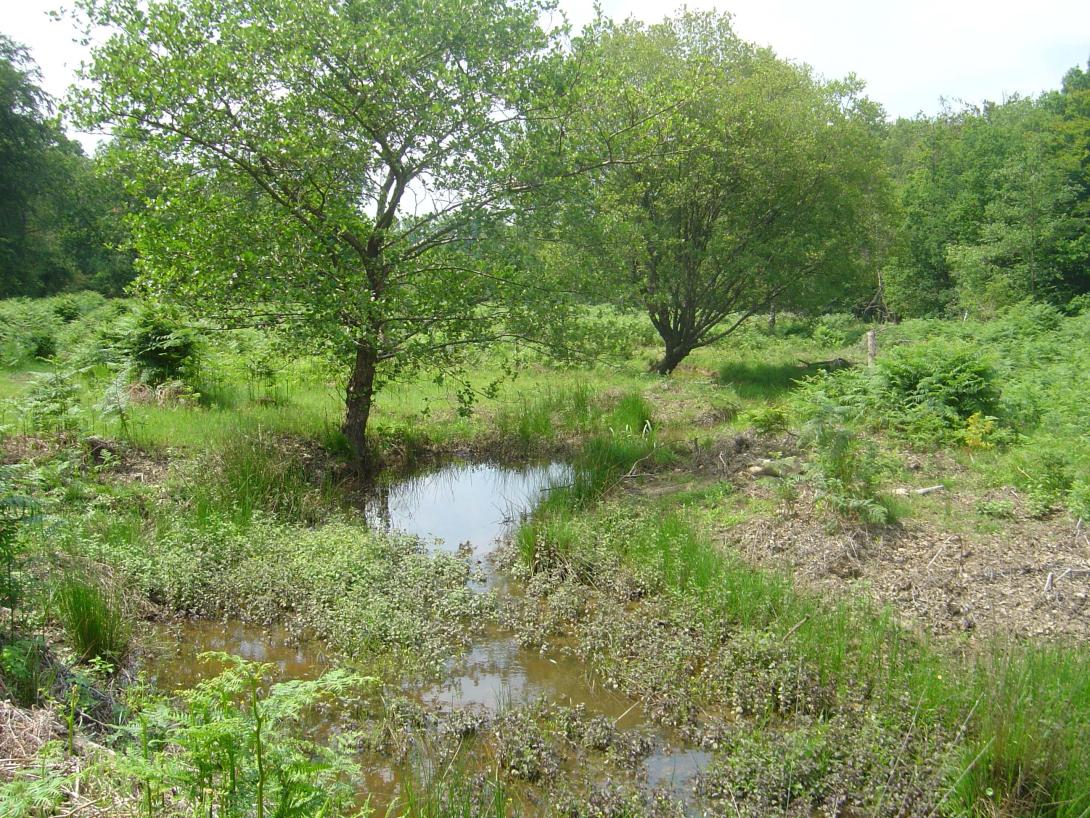
Blackwater and Highland Water, sub-catchments of the Lymington river in the New Forest National Park (in the UK South-East River Basin District), underwent restoration in the early 2000s. Straightening of historic woodland streams in the 19th century disrupted natural seasonal flooding, dried the forest, limited animal access, and accelerated erosion. Restoration efforts reconnected the river with its floodplain, restored its natural forms, and revitalized the surrounding floodplain forest habitats.
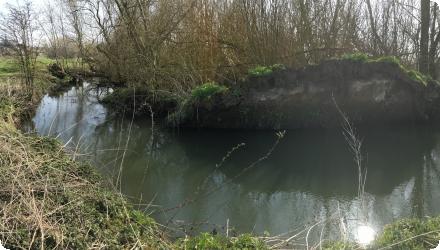
The River Cole is located in the Thames River Basin District, west of Oxford. Predominantly rural, the river catchment faces flooding and water quality issues, worsened by urban run-off from the urban area of Swindon at is headwaters. Rehabilitation projects in the early 2010s addressed these challenges, enhancing wildlife corridors and benefiting key species.
These two catchments benefited from floodplain restoration (river remeandering, logjams, etc) in the early 2000’s.
Blackwater and Highland Water, sub-catchments of the Lymington river in the New Forest National Park (in the UK South-East River Basin District), underwent restoration in the early 2000s. Straightening of historic woodland streams in the 19th century disrupted natural seasonal flooding, dried the forest, limited animal access, and accelerated erosion. Restoration efforts reconnected the river with its floodplain, restored its natural forms, and revitalized the surrounding floodplain forest habitats.
The River Cole is located in the Thames River Basin District, west of Oxford. Predominantly rural, the river catchment faces flooding and water quality issues, worsened by urban run-off from the urban area of Swindon at is headwaters. Rehabilitation projects in the early 2010s addressed these challenges, enhancing wildlife corridors and benefiting key species.
Position
Latitude
50.535
Longitude
1.3848
Project
SpongeScapes
Transboundary
0
Photo gallery

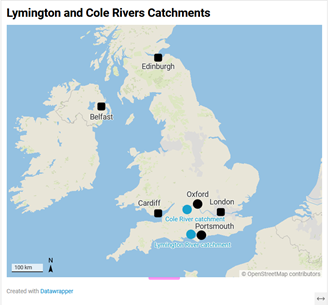
Location of the project
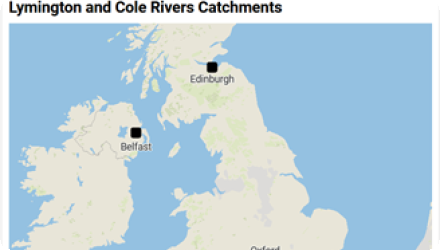
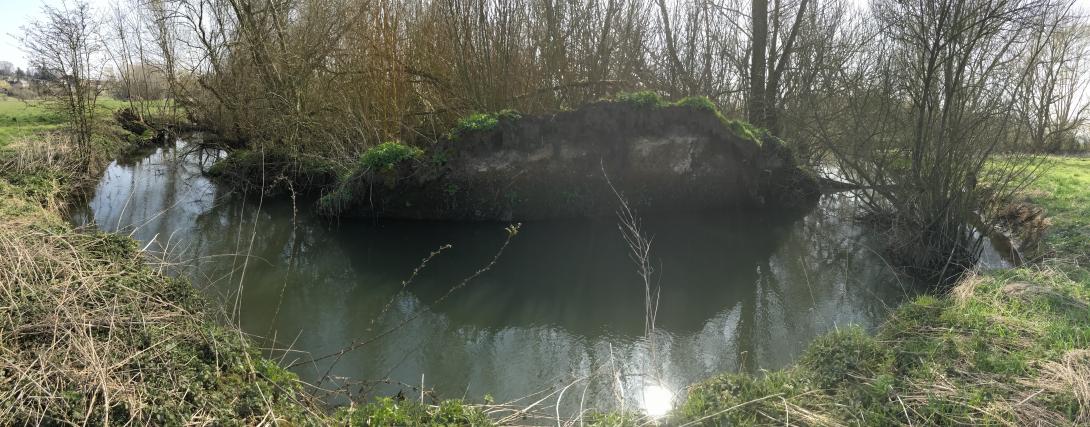
Blackwater and Highland Water are sub-catchments of the Lymington river in the New Forest National Park (in the UK South-East River Basin District). The River Cole is located in the Thames River Basin District, west of Oxford.
Project's objectives
The core objective is to understand better the impact of floodplain restoration activities in the long term (over almost three decades). Has the Restoration activity altered the flood hydrology? Can we detect the type and trend of hydraulic change over the period of restoration? How has the restoration altered the instream ecology?
Involved Partners
| Authority type | Authority name | Role | Comments |
|---|---|---|---|
Climate zone
cool temperate moist
Community involvment
No
Design consultation activity
| Activity stage | Name | Key issues | Comments |
|---|---|---|---|
Policy target
| Target purpose |
|---|
Policy pressure
| Pressure directive | Relevant pressure |
|---|---|
Pressures remarks
Along the Lymington river, straightening of historic woodland streams in the 19th century disrupted natural seasonal flooding, dried the forest, limited animal access, and accelerated erosion.
The river Cole catchment faces flooding and water quality issues, worsened by urban run-off from the urban area of Swindon at is headwaters.
The river Cole catchment faces flooding and water quality issues, worsened by urban run-off from the urban area of Swindon at is headwaters.
Policy impact
| Impact directive | Relevant impact |
|---|---|
Requirement directive
| Requirement directive | Specification |
|---|---|
Contractual arrangements
0
| Arrangement type | Responsibility | Role | Name | Comments |
|---|---|---|---|---|
Part of wider plan
0
Wider plan type
| Wider plan type | Wider plan focus | Name | Comments |
|---|---|---|---|
For this case study, there is long-term data (since 1994) on river flow, calibrated hydraulic models before/after floodplain restoration and ecological data (macrophytes and macroinvertebrates) at the restored and a control site taken after the restoration. Data gathering, analysis and modelling will help identify sponge functioning over the past 18 years relative to 26 years of natural variability. The eco-survey will be repeated to quantify and understand changing biodiversity.
For this case-study, we have long-term data (since 1994) on river flow, calibrated hydraulic models before/after floodplain restoration and ecological data (macrophytes and macroinvertebrates) at the restored and a control site taken after the restoration. Data gathering, analysis and modelling will help identify sponge functioning over the past 18 years relative to 26 years of natural variability. We will also repeat the eco-survey to quantify and understand changing biodiversity.
Success factor(s)
| Success factor type | Success factor role | Comments | Order |
|---|---|---|---|
Driver
| Driver type | Driver role | Comments | Order |
|---|---|---|---|
English