Last update
2026
Summary
Sponge Scapes case study UK 07
Regenerative agriculture aims to improve the sponge function of the soil.
One location compares permanent grazing (perennial ryegrass) by cattle or sheep, including mob grazing, against mature broadleaf woodland (mix of native species including ash, sycamore and hawthorn) with low density grazing by deer. A second location compares different arable practices on silty clay soils over Chalk geology. In this case, one site uses a diverse crop rotation, with controlled traffic, min till and cover crops; the other site uses a grass ley in the crop rotation, along with min till during the cropped period.
Regenerative agriculture aims to improve the sponge function of the soil.
One location compares permanent grazing (perennial ryegrass) by cattle or sheep, including mob grazing, against mature broadleaf woodland (mix of native species including ash, sycamore and hawthorn) with low density grazing by deer. A second location compares different arable practices on silty clay soils over Chalk geology. In this case, one site uses a diverse crop rotation, with controlled traffic, min till and cover crops; the other site uses a grass ley in the crop rotation, along with min till during the cropped period.
Position
Latitude
51.4951
Longitude
0.573
Project
SpongeScapes
Transboundary
0
Photo gallery

Location of the project
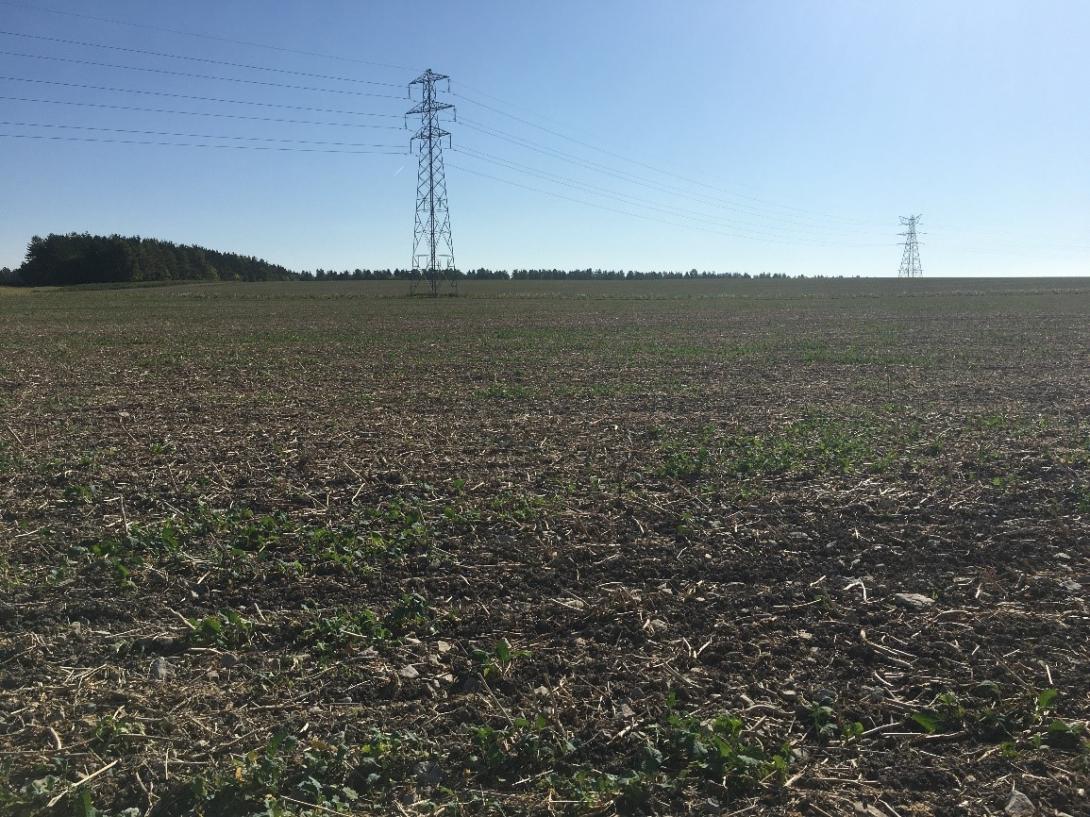
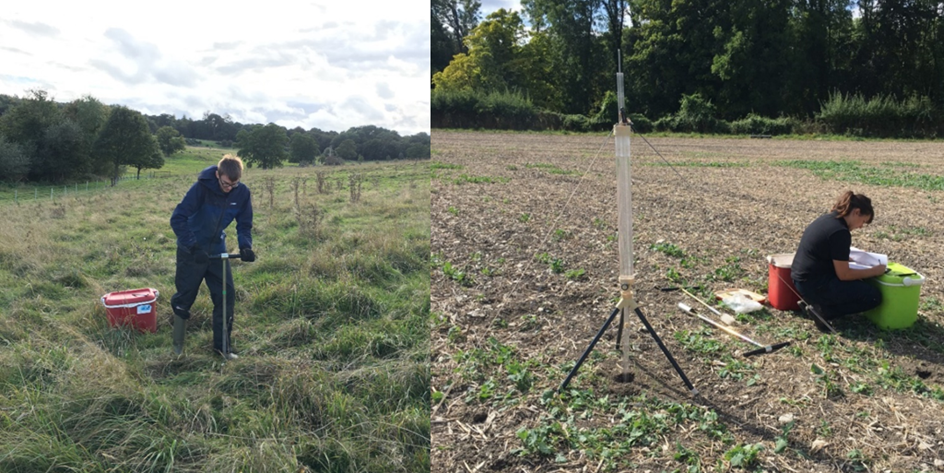
The Thames regenerative agriculture sites which we are studying are predominantly located on farms in Oxfordshire and Berkshire, UK. One location compares permanent grazing (perennial ryegrass) by cattle or sheep, including mob grazing, against mature broadleaf woodland (mix of native species including ash, sycamore and hawthorn) with low density grazing by deer. Both of these sites are on slowly permeable loamy/clayey soils over a Mudstone geology. A second location compares different arable practices on silty clay soils over Chalk geology.
Project's objectives
Innovative focused monitoring will be performed during the 4-year period of the project, including surveys of soil physical and hydraulic properties and use of the latest technology (e.g., Cosmic Ray Neutron Sensor stations and rovers). Results from these monitoring efforts will be used to provide guidance on how to further broaden the evidence-base of sponge measures by such innovative agricultural management techniques and inform better selection, design, monitoring, maintenance and ultimately effectiveness of measures and strategies. Special attention will be paid to the analysis of longevity of the measures, the need for monitoring and maintenance and co-benefits and trade-offs, particularly in terms of changes in soil organic matter for the Thames regenerative agriculture sites.
Involved Partners
| Authority type | Authority name | Role | Comments |
|---|---|---|---|
Climate zone
cool temperate moist
Project scale
Micro
Project area
10
Area specifications
0,1 km² agriculture plot
Community involvment
No
Design consultation activity
| Activity stage | Name | Key issues | Comments |
|---|---|---|---|
Policy target
| Target purpose |
|---|
Policy pressure
| Pressure directive | Relevant pressure |
|---|---|
Policy impact
| Impact directive | Relevant impact |
|---|---|
Requirement directive
| Requirement directive | Specification |
|---|---|
Contractual arrangements
0
| Arrangement type | Responsibility | Role | Name | Comments |
|---|---|---|---|---|
Part of wider plan
0
Wider plan type
| Wider plan type | Wider plan focus | Name | Comments |
|---|---|---|---|
The Thames regenerative agriculture sites have a wealth of soil hydrological and meteorological data collected by previous and ongoing research projects (including LANDWISE over 2021, COSMOS-UK since 2013, UK-GHG-Flux-Network since 2017, and the UKCEH neutron probe database).Innovative focused monitoring will be performed during the 4-year period of the SpongeScapes project, including surveys of soil physical and hydraulic properties and use of the latest technology (e.g., Cosmic Ray Neutron Sensor stations and rovers). Results from these monitoring efforts will be used to provide guidance on how to further broaden the evidence-base of sponge measures by such innovative agricultural management techniques and inform better selection, design, monitoring, maintenance and ultimately effectiveness of measures and strategies. Special attention will be paid to the analysis of longevity of the measures, the need for monitoring and maintenance and co-benefits and trade-offs, particularly in terms of changes in soil organic matter for the Thames regenerative agriculture sites.
Success factor(s)
| Success factor type | Success factor role | Comments | Order |
|---|---|---|---|
Driver
| Driver type | Driver role | Comments | Order |
|---|---|---|---|
English