Content
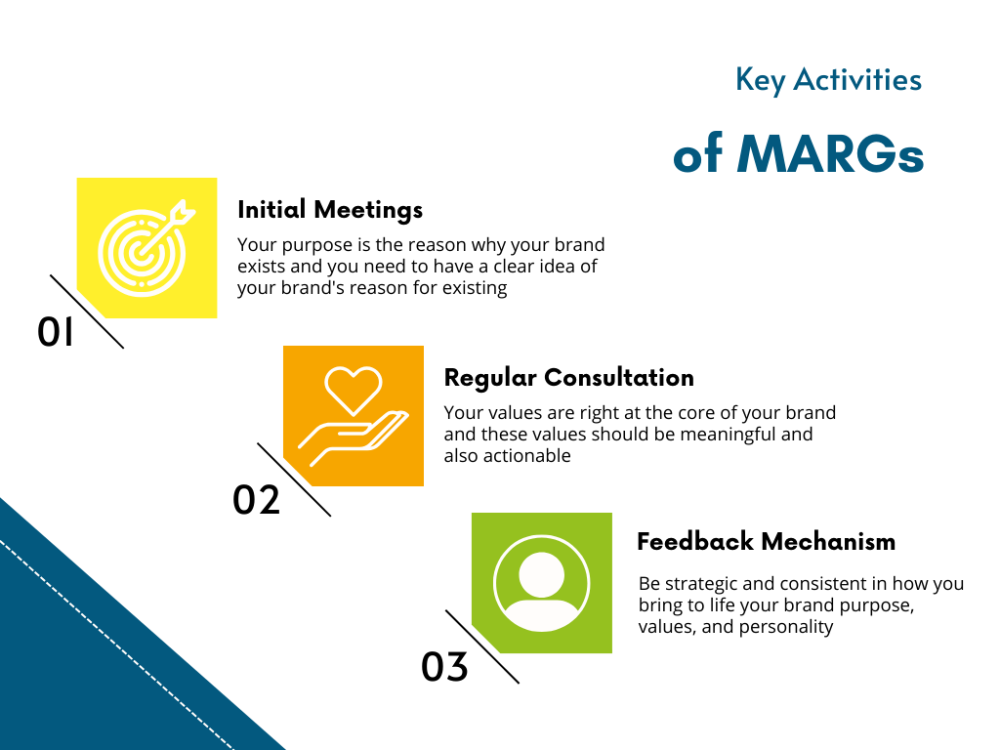
The Multi-Actor Reference Groups (MARGs) were a central component of stakeholder engagement within the OPTAIN project. Established in each case study region, MARGs brought together representatives from farming communities, advisory services, research institutions, public authorities, and environmental organisations.
Their role was not to implement measures in practice, but to contribute to the co-design and contextualisation of the modelling and optimisation framework used to analyse Natural Small Water Retention Measures (NSWRM).
Purpose and Function of the MARGs
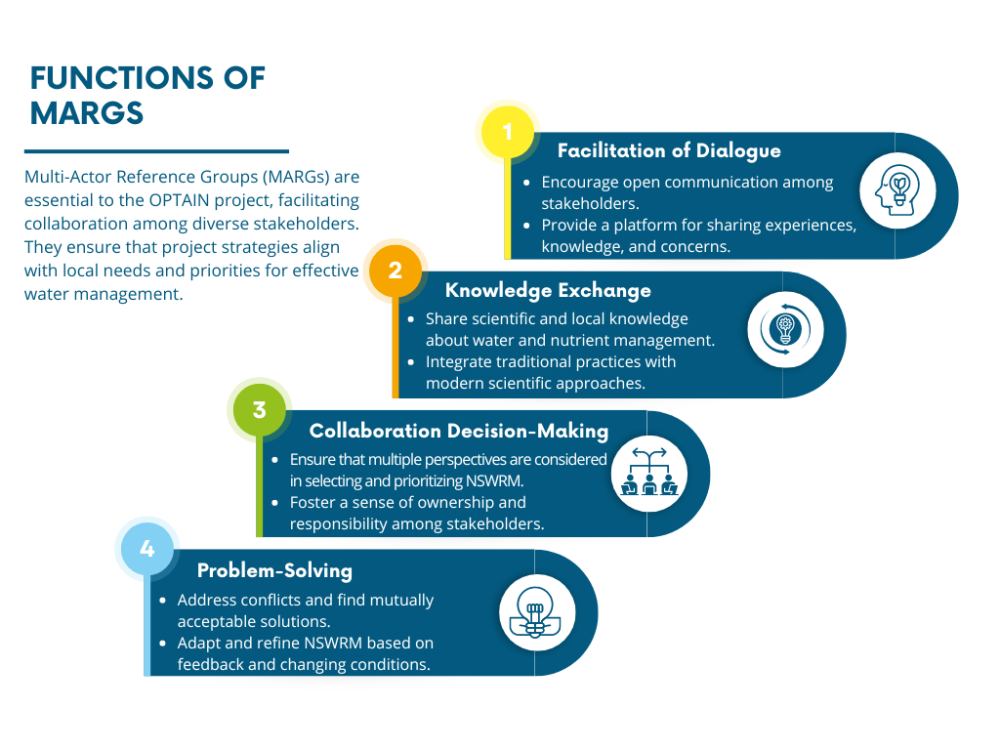
The MARGs served as structured consultation platforms throughout the project. They provided regional expertise and supported:
-
Identification of locally relevant NSWRM for inclusion in modelling scenarios
-
Assessment of feasibility constraints under real farming conditions
-
Discussion of spatial allocation options within catchments
-
Validation of modelling assumptions and scenario realism
-
Evaluation of optimisation outputs and trade-offs
This ensured that analytical results reflected local agricultural systems rather than purely theoretical configurations.
Contribution to Scenario Development
During dedicated workshops and meetings, MARG members reviewed potential measures and contributed to refining scenario assumptions. Their input helped determine:
-
which measures were considered technically realistic,
-
where measures could plausibly be located within the catchment,
-
how intensively measures might be applied in different sub-areas,
-
which objectives were most relevant at regional level.
These discussions informed the design of model simulations and multi-objective optimisation runs.
Interpreting Optimisation Results
A distinctive element of OPTAIN was the use of multi-objective optimisation algorithms, producing sets of Pareto-optimal NSWRM portfolios. These portfolios reflect efficient trade-offs between water retention, nutrient retention, agricultural productivity and cost indicators.
MARGs played an important role in:
-
reviewing alternative portfolios,
-
expressing preferences among trade-offs,
-
discussing perceived acceptability and practicality of different configurations,
-
highlighting context-specific constraints not captured by modelling alone.
Their feedback supported interpretation rather than validation of implementation outcomes.
Strengthening Analytical Robustness
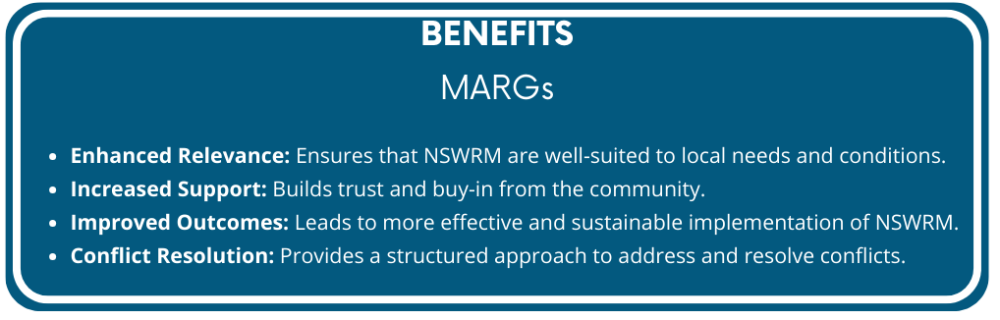
By integrating regional knowledge into the modelling cycle, the MARGs enhanced:
-
Context sensitivity of simulated scenarios
-
Credibility of optimisation analyses
-
Transparency of assumptions
-
Transferability of insights across biogeographical regions
The MARG approach ensured that OPTAIN’s results were not purely technical model outputs, but analytically robust insights informed by stakeholder expertise.
Context of operation
MARGs operate within the framework of local and regional water management initiatives. They are typically formed at the beginning of a project and continue to function throughout the project lifecycle, adapting their roles as needed.