Last update
2025
Summary
Agroforestry in Tuscany links farm practice and research to build climate resilience. Two complementary trial sites show how trees, crops and livestock are combined under AGROMIX and the regional GO NEWTON network. At Tenuta di Paganico (Grosseto), a silvopastoral system uses tree shade to buffer Mediterranean heat. Monitoring tracks animal behaviour, heat load, performance and hair cortisol. Results show clear summer benefits: cattle in shaded paddocks maintain average daily gain and lower heat stress, while in spring differences fade when thermal stress is low. At Arnino (CiRAA, Pisa), silvoarable alley cropping tests tree rows within rotations to improve soil fertility, biodiversity and carbon. Measurements cover yields, soils, weeds, microclimate and plant water status, building a long-term evidence base.
Design choices focus on tree density, windbreaks and machinery access, with practical challenges such as wildlife pressure and tree protection. Funding combines H2020 AGROMIX and the Tuscan rural programme; governance relies on a living-lab approach with farmers, universities and regional partners. Outreach includes demos and an Agroforestry School. Expected hydrological co-benefits are higher infiltration and soil moisture retention, supporting drought adaptation. The case shows that shade delivers fast welfare gains in hot summers, while soil and carbon benefits require time, making agroforestry a robust path for Mediterranean farms.
Design choices focus on tree density, windbreaks and machinery access, with practical challenges such as wildlife pressure and tree protection. Funding combines H2020 AGROMIX and the Tuscan rural programme; governance relies on a living-lab approach with farmers, universities and regional partners. Outreach includes demos and an Agroforestry School. Expected hydrological co-benefits are higher infiltration and soil moisture retention, supporting drought adaptation. The case shows that shade delivers fast welfare gains in hot summers, while soil and carbon benefits require time, making agroforestry a robust path for Mediterranean farms.
Position
Latitude
43.66
Longitude
10.32
Project
NWRM
Installation date
2018-ongoing
Contact
University of Pisa – CiRAA; Tenuta di Paganico Soc. Agr. S.p.A.
Transboundary
0
Photo gallery
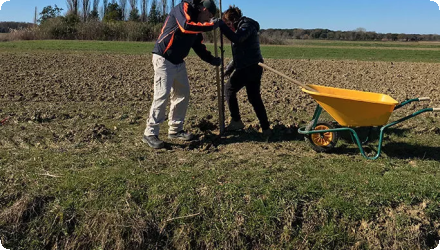
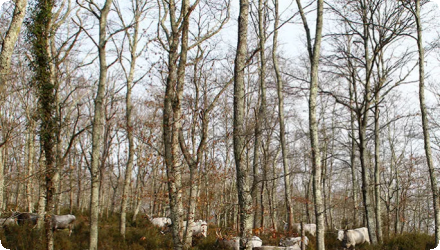
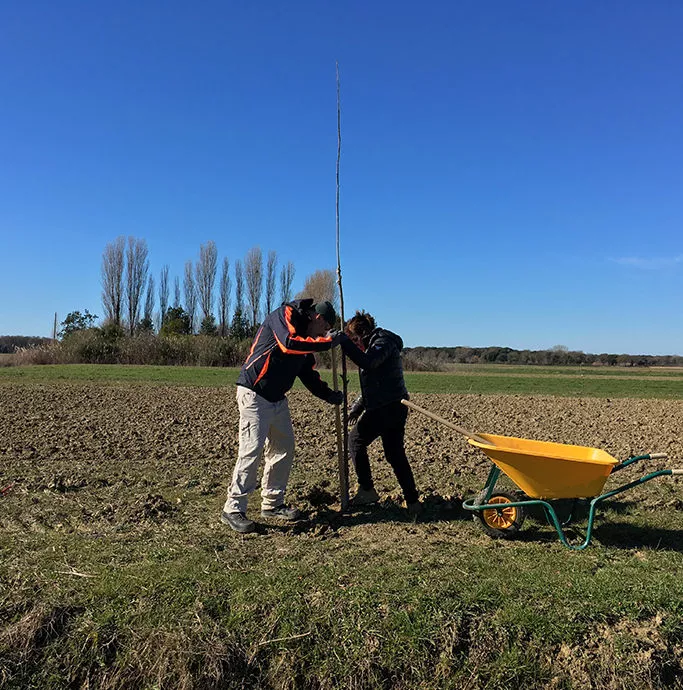
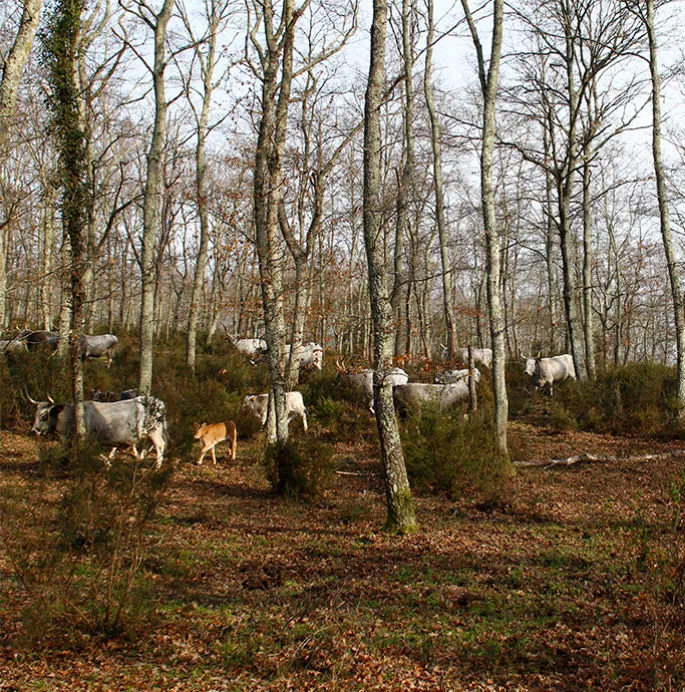
Location of the project
Sites at Tenuta di Paganico (Civitella Paganico, Grosseto) and at CiRAA “Enrico Avanzi” in San Piero a Grado (Pisa).
Project's objectives
Reduce livestock heat stress and stabilise summer weight gain
Enhance soil fertility and carbon sequestration
Improve microclimate, biodiversity and overall farm resilience
Enhance soil fertility and carbon sequestration
Improve microclimate, biodiversity and overall farm resilience
Involved Partners
| Authority type | Authority name | Role | Comments |
|---|---|---|---|
Climate zone
warm temperate dry
Temperature
15°C
Annual rainfall range
600 - 900 mm
Elevation range
1 - 65 m
Slope range
Low to gentle slopes
Vegetation class
Mediterranean pastures and woodland for silvopastoral system; arable crops with tree rows for silvoarable
Water bodies: Ecological Status
Unknown
Water bodies: Chemical Status
Failing to achieve good
Project scale
Micro
Project scale specification
Tenuta di Paganico: 1,100 ha estate with forests, pastures, olive groves, vineyards and arable fields Arnino: 40 ha long-term experimental farm blocks
Performance timescale
< 1 year
Project area
40 ha + 1,100 ha
Lifespan
Long-term farm management and long-term experiment
Multifunctionality and climate adaptation
Tree shade and diversified structure to buffer heat and drought
Alley-cropping to integrate trees with crops and livestock
Living-lab approach linking researchers and farmers
Tree shade and diversified structure to buffer heat and drought
Alley-cropping to integrate trees with crops and livestock
Living-lab approach linking researchers and farmers
Mediterranean summer heat and drought increase the value of tree shade
Coastal plain winds and wildlife pressure at
Arnino require adapted layouts and protection
Operational constraints include machinery access in alleys and grazing management around trees
Coastal plain winds and wildlife pressure at
Arnino require adapted layouts and protection
Operational constraints include machinery access in alleys and grazing management around trees
Total cost
unknown
Financing authorities
Type of funding
Other
Comments
H2020 (AGROMIX)
Type of funding
Sub-national funds
Comments
PSR FEASR GO NEWTON
Compensations
0
Policy context
Climate adaptation and sustainable intensification in Mediterranean agriculture Contributions to soil conservation, biodiversity, animal welfare and carbon objectives
Community involvment
Yes
Design consultation activity
| Activity stage | Name | Key issues | Comments |
|---|---|---|---|
|
Implementation phase
|
Workshops, open days, guided visits and a regional Agroforestry School under GO NEWTON
|
Target Remarks
Improve animal welfare and productivity under heat stress
Test agroforestry for soil fertility, carbon and biodiversity benefits
Test agroforestry for soil fertility, carbon and biodiversity benefits
Pressures remarks
Rising summer heat stress on livestock
Soil and water stress in dry summers
Need for diversified, resilient farm systems
Soil and water stress in dry summers
Need for diversified, resilient farm systems
Contractual arrangements
0
Part of wider plan
1
Wider plan type
| Wider plan type | Wider plan focus | Name | Comments |
|---|---|---|---|
|
Agriculture
|
AGROMIX project
|
||
|
Regional
|
Agriculture
|
GO NEWTON regional network
|
Structured monitoring at both sites Animal performance, heat load indices, behaviour and hair cortisol Crop yield, soil fertility and carbon, weed diversity, microclimate and plant water status Regular meetings in living labs between researchers and practitioners
Maintenance
Tree protection and pruning Rotational grazing planning and pasture management Row management in alley-cropping and machinery lanes
Field trials with treatment comparisons
On-farm trials with seasonal measurements Combination of quantitative indicators and qualitative farm feedback
On-farm trials with seasonal measurements Combination of quantitative indicators and qualitative farm feedback
Knowledge co-production and skills development via regional network
Seasonal stability of average daily gain during hot periods
Summer animal welfare improved in shaded silvopastoral paddocks
Seasonal stability of average daily gain during hot periods
Summer animal welfare improved in shaded silvopastoral paddocks
Information on retained water
Expected increase in infiltration and soil moisture retention under tree-crop-pasture mosaics
Key lessons
Shade delivers clear welfare benefits in hot Mediterranean summers
Benefits are context-dependent in mild seasons
Operational details matter: layout, tree density, windbreaks and access for livestock and machinery
Farmer–researcher co-design accelerates adoption
Benefits are context-dependent in mild seasons
Operational details matter: layout, tree density, windbreaks and access for livestock and machinery
Farmer–researcher co-design accelerates adoption
Success factor(s)
| Success factor type | Success factor role | Comments | Order |
|---|---|---|---|
|
Attitude of relevant stakeholders
|
main factor
|
<p>Large estate and university farm enabling robust trials</p>
|
|
|
Communication activities
|
main factor
|
<p>Regional school, demos and certification pilots building capacity and legitimacy</p>
|
Driver
| Driver type | Driver role | Comments | Order |
|---|---|---|---|
|
Balancing different objectives
|
main driver
|
Heat stress risks and the search for resilient systems
|
Transferability
Approach is transferable to Mediterranean areas with summer heat stress Design must adapt to local soils, wind, wildlife and farm machinery
Cost effectiveness
Tree establishment and protection are upfront costs; welfare and resilience gains materialise quickly in hot seasons while soil and carbon benefits need longer horizons
Source(s)
English