Content
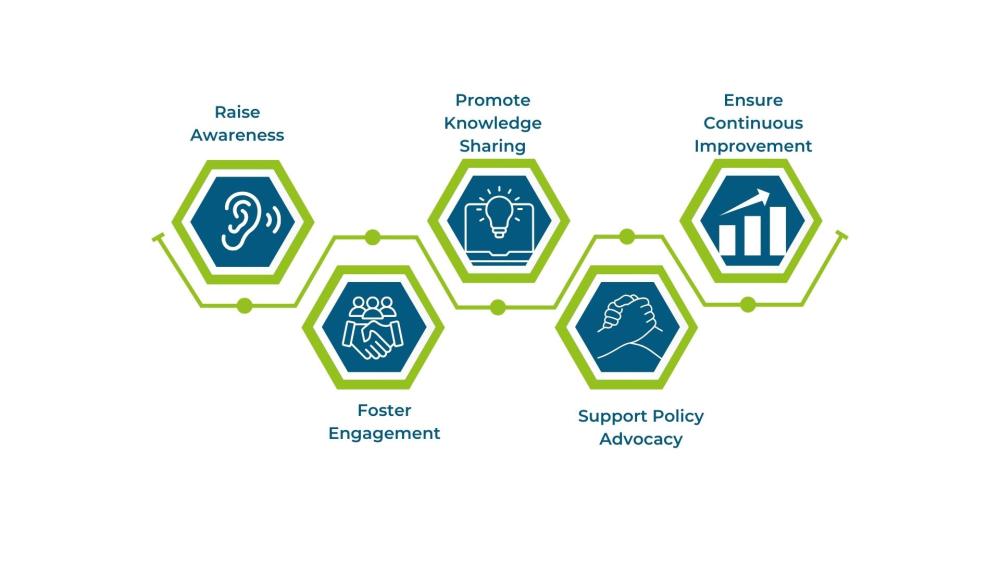
1. Raise Awareness
The primary objective of communication within OPTAIN is to increase awareness of the project’s model-based assessment of Natural Small Water Retention Measures (NSWRM) and its analytical contributions to sustainable water and nutrient management.
Activities focus on disseminating accessible information about the project’s process-based modelling framework, optimisation approach and scenario simulations through digital platforms, newsletters and public events.
2. Foster Engagement
Another key objective is to promote constructive engagement with stakeholders across scientific, policy and practice communities. Engagement activities are designed to facilitate dialogue on modelling methodologies, optimisation results and scenario-based analyses, rather than on field implementation.
Workshops, stakeholder meetings and online forums provide spaces to discuss analytical findings and explore planning implications within different regional contexts.
3. Promote Knowledge Sharing
Communication efforts aim to facilitate the exchange of knowledge related to modelling approaches, indicator development and optimisation techniques across case studies and biogeographical regions.
Training materials, case study summaries, deliverables and webinars support understanding of how NSWRM performance is assessed through simulation and how trade-offs are analysed within the optimisation framework.
4. Support Policy Dialogue
Rather than advocating for specific implementation measures, the project seeks to inform evidence-based policy dialogue. Communication materials such as policy briefs and technical summaries present simulation-based findings and highlight analytical insights that may support strategic planning discussions at regional and European levels.
5. Ensure Continuous Improvement
Finally, communication objectives include the continuous refinement of dissemination materials and analytical explanations. Feedback collected through surveys, workshops and digital platforms contributes to improving the clarity, usability and accessibility of the Learning Environment and associated modelling tools, ensuring that communication remains scientifically accurate and responsive to stakeholder needs.