
Content
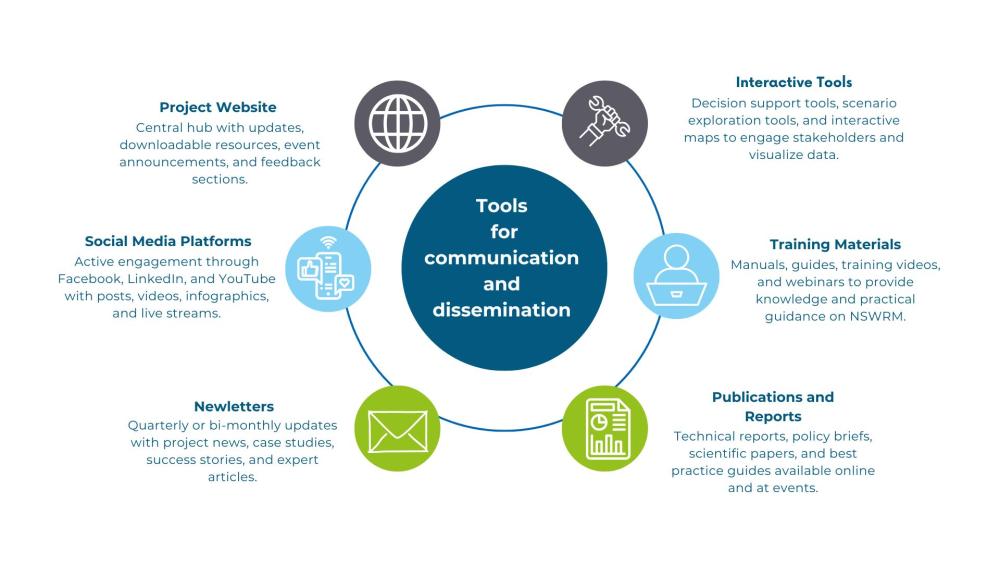
Effective communication is essential to ensure that the analytical results, modelling framework and knowledge resources developed within OPTAIN are accessible to diverse stakeholder groups. The project therefore relies on a combination of digital platforms, publications, events and interactive tools to communicate its model-based findings and methodological contributions related to Natural Small Water Retention Measures (NSWRM).
The project website serves as the central information hub, providing access to objectives, deliverables, modelling summaries, case study descriptions and the Learning Environment. It hosts downloadable reports, event announcements and explanatory materials that present the project’s analytical outputs in a structured and transparent manner.
Social media platforms, including Facebook, Twitter, LinkedIn and YouTube, complement the website by disseminating updates on modelling progress, optimisation insights and upcoming events. These channels enable broader outreach and facilitate engagement with stakeholders beyond the immediate project consortium.
Regular newsletters further support structured communication by summarising key developments, recent deliverables and ongoing analytical work. These communications provide stakeholders with concise updates on modelling activities, scenario simulations and optimisation results across the case studies.
Publications and reports constitute a core dissemination pillar. Technical deliverables, policy-oriented briefs and scientific publications document the process-based modelling approaches, optimisation methodologies and simulation-based assessments conducted within the project. These materials ensure methodological transparency and provide detailed explanations of analytical procedures and findings.
Educational and training materials, including guides, videos and webinars, are developed to support understanding of the modelling workflow and the interpretation of optimisation outputs. Rather than focusing on field implementation, these materials explain how NSWRM performance is assessed through simulation and how trade-offs between environmental and economic objectives are analysed.
Finally, interactive tools such as the NSWRM catalogue, scenario exploration interfaces and decision-support functionalities enhance user engagement. These tools allow stakeholders to explore modelled scenarios, compare optimisation results and visualise trade-offs in an accessible format, supporting informed discussion and planning processes.
Through this integrated set of communication channels, OPTAIN ensures that its simulation-based evidence and optimisation insights are disseminated clearly, consistently and transparently across different audiences.
Channels for Communication and Dissemination
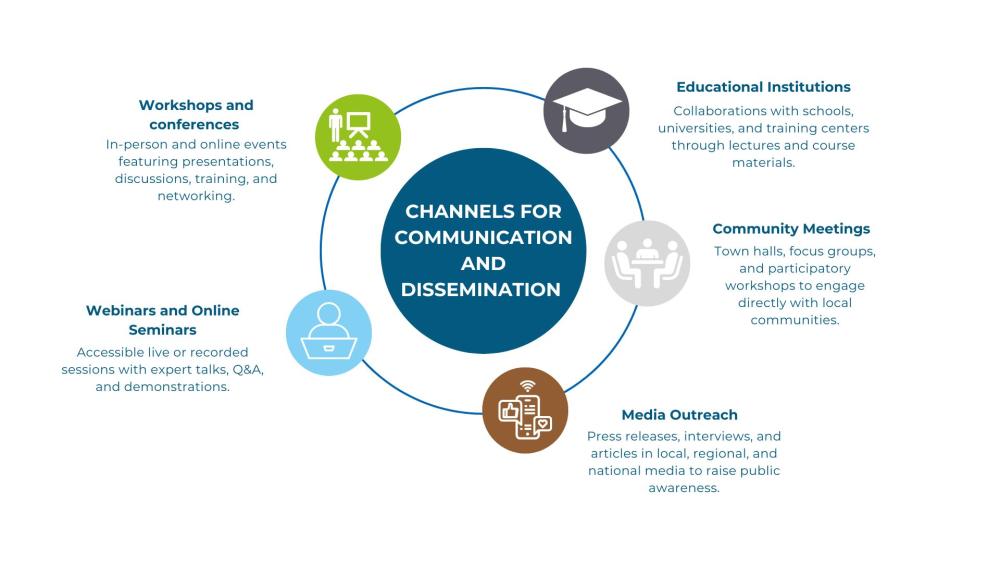
1. Workshops and Conferences
- Purpose: Engage stakeholders in interactive sessions to share knowledge, discuss challenges, and develop solutions.
- Format: In-person and virtual events.
- Content: Presentations, panel discussions, hands-on training, and networking opportunities.
2. Webinars and Online Seminars
- Purpose: Provide accessible, remote learning opportunities for a wide audience.
- Format: Live and recorded sessions.
- Content: Expert presentations, Q&A sessions, and practical demonstrations.
3. Media Outreach
- Purpose: Raise public awareness and reach a broader audience.
- Channels: Press releases, media interviews, and articles in popular media.
- Coverage: Local, regional, and national media.
4. Community Meetings
- Purpose: Directly engage local communities and gather feedback.
- Format: Town hall meetings, focus groups, and participatory workshops.
- Content: Project updates, local impact discussions, and feedback collection.
5. Educational Institutions
- Purpose: Integrate NSWRM knowledge into educational curricula.
- Format: Collaboration with schools, universities, and training centers.
- Content: Lectures, course materials, and research collaborations.
By utilizing a diverse range of tools and channels, the OPTAIN project ensures effective communication and engagement with its stakeholders. This multifaceted approach helps to disseminate information widely, foster collaboration, and support the successful implementation of NSWRM.