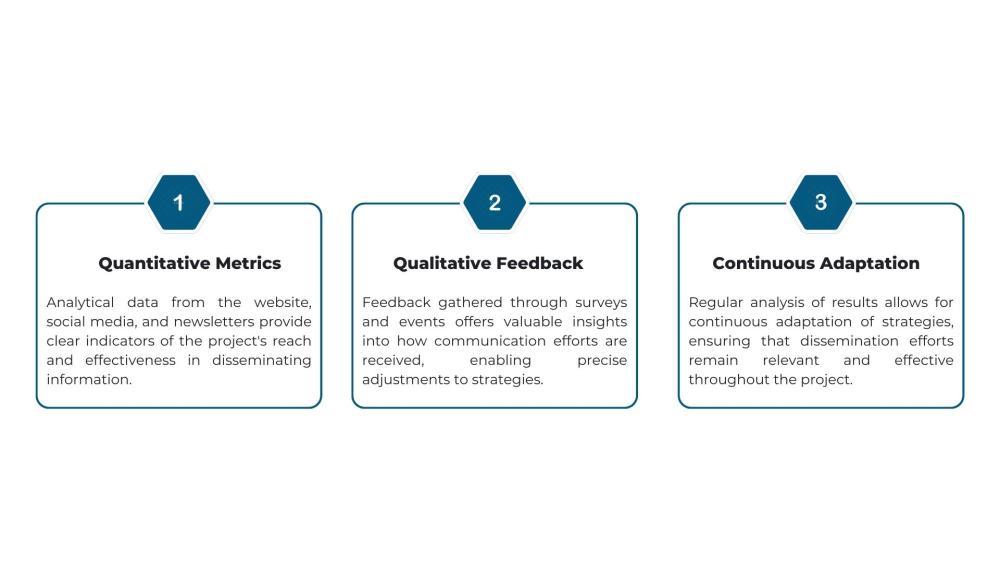
Content
The OPTAIN project applies a structured dissemination strategy to ensure that its modelling framework, analytical tools and knowledge resources related to Natural Small Water Retention Measures (NSWRM) are effectively shared with relevant stakeholders. The objective of these activities is not to promote implemented measures, but to communicate model-based findings, explain optimisation methodologies, and support evidence-based dialogue on water and nutrient management strategies.
Workshops, conferences and stakeholder meetings have provided opportunities to present modelling approaches, optimisation results and scenario simulations. Events such as the Berlin workshop (February 2021) and the Budapest conference (November 2022) focused on discussing modelling assumptions, spatial allocation strategies and interpretation of simulation outputs across case studies. These exchanges allowed stakeholders to better understand the analytical framework underpinning the project and to contribute to discussions on indicator selection and scenario design.
A central component of the dissemination effort consists of project deliverables and technical reports documenting the modelling procedures and optimisation analyses. For example, Deliverable D4.4 – Assessment of NSWRM effectiveness at the catchment scale (2024) presents simulation-based evaluations of NSWRM performance derived from process-based models. All findings communicated within the project are based on predictive modelling and optimisation analyses, as no NSWRMs were implemented or monitored in the field within OPTAIN.
The project website and social media channels serve as continuous dissemination platforms, providing access to deliverables, modelling summaries, the NSWRM catalogue and the Learning Environment. Updates shared online focus on explaining analytical developments, presenting optimisation insights and informing stakeholders about upcoming events.
Regular newsletters and targeted email communications have further supported transparent information exchange, summarising modelling progress, methodological developments and scenario analyses. Media outreach activities, including press releases and interviews, have contributed to raising awareness of the project’s analytical contributions, particularly its use of harmonised modelling and multi-objective optimisation across different European biogeographical regions.
In addition, educational materials such as technical guides, explanatory videos and webinars have been developed to facilitate understanding of the modelling workflow and interpretation of optimisation results. These resources support stakeholders in navigating the analytical tools developed within OPTAIN and in interpreting trade-offs between environmental and economic objectives.
Through this integrated dissemination approach, OPTAIN ensures that its simulation-based evidence, modelling framework and optimisation insights are communicated clearly and transparently. The project contributes methodological and analytical knowledge to the discussion on NSWRM planning strategies, without implying practical implementation or field monitoring of measures.
Key metrics
Assessing the effectiveness of the OPTAIN project's communication and dissemination activities relies on the use of key metrics that measure the impact of these efforts. This section outlines the primary performance indicators (KPIs) used to track engagement, reach, and overall success of the communication strategies employed.
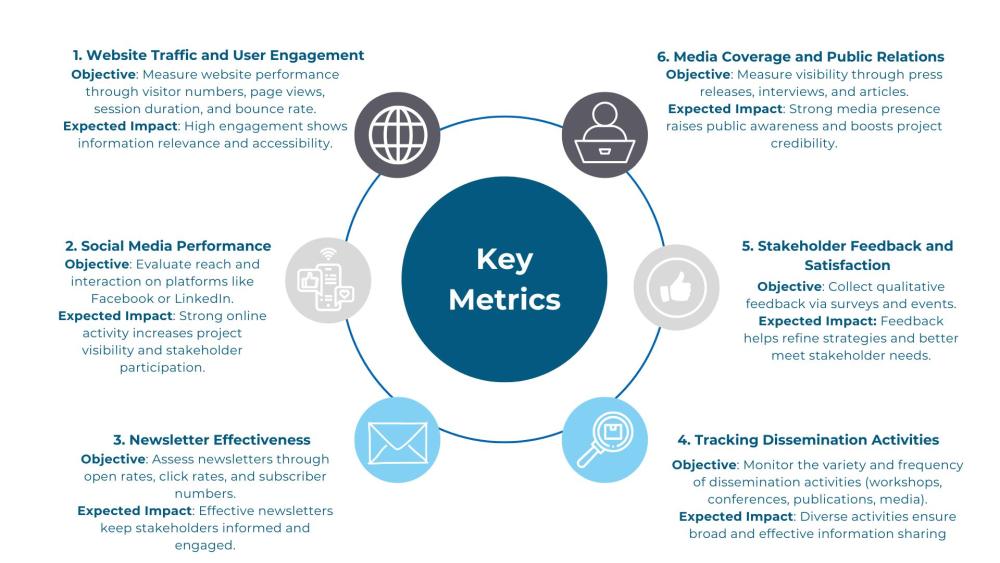
Impact Assessment:
The impact assessment relies on continuous analysis of these key metrics combined with qualitative feedback from stakeholders. This ensures that communication and dissemination strategies remain aligned with the objectives of the OPTAIN project and continue to effectively engage target audiences.