Content
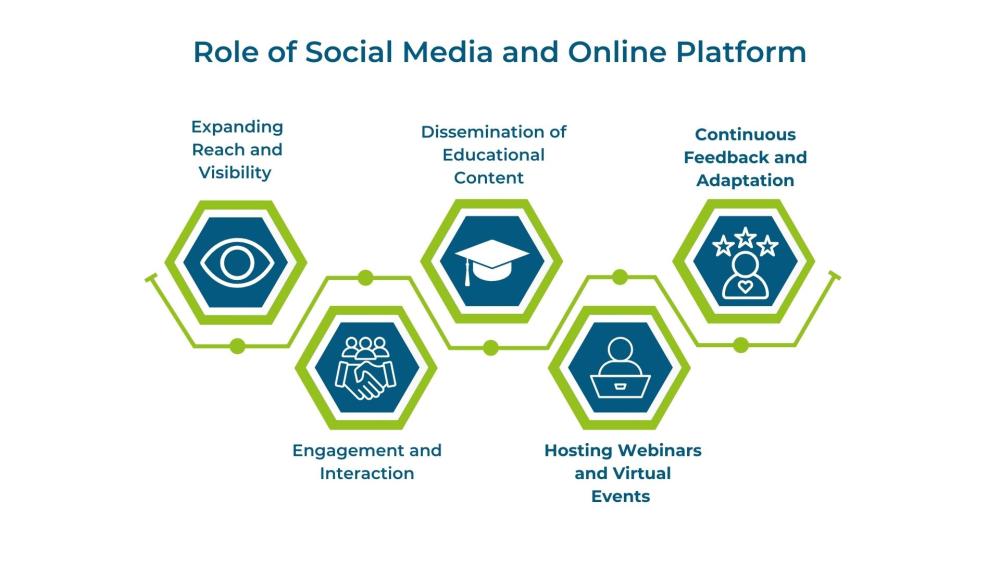
Social media and online platforms play an important role in the OPTAIN project’s dissemination strategy by providing accessible channels for communicating its modelling framework, analytical tools and multi-objective optimisation results related to Natural Small Water Retention Measures (NSWRM). These platforms extend the reach of project outputs beyond the research consortium and support transparent exchange with stakeholders.
Platforms such as Twitter, Facebook and LinkedIn are used to share updates on model-based findings, deliverables, scenario simulations and optimisation insights. By communicating project milestones and analytical developments in real time, social media enhances visibility and ensures that information remains accessible to a broad audience. Rather than showcasing implemented measures, these communications focus on explaining process-based modelling approaches and highlighting simulation-based results across case studies.
Social media also facilitates interaction and dialogue. Through discussion threads and interactive exchanges, stakeholders can ask questions, comment on analytical outputs and engage with the project team. This interaction contributes to clearer communication of modelling results and improves understanding of trade-offs identified through optimisation analyses.
The OPTAIN website serves as the central online repository for project resources. It provides access to deliverables, summaries of modelling methodologies, the NSWRM catalogue and the Learning Environment. Educational materials, explanatory videos and scenario descriptions are made available to support interpretation of model outputs and optimisation results. Regular updates ensure that content reflects the latest analytical developments.
Webinars and virtual events hosted through online platforms further support knowledge exchange. These events present modelling methodologies, scenario simulations, and optimisation outcomes, allowing participants to engage directly with project partners and discuss analytical implications for planning and policy contexts.
Finally, digital platforms provide opportunities for structured feedback on tools and content. User interactions contribute to the refinement of communication materials and the continuous improvement of the Learning Environment and associated analytical resources.
Through these channels, social media and online platforms support the dissemination of simulation-based evidence, facilitate informed dialogue and enhance the accessibility of OPTAIN’s modelling and optimisation framework.