Led by University of La Reunion

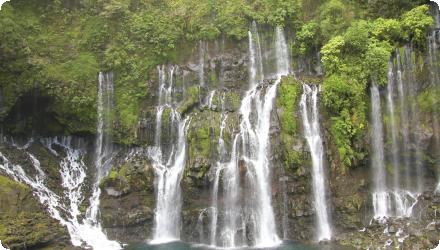
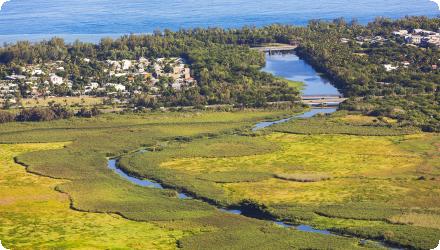

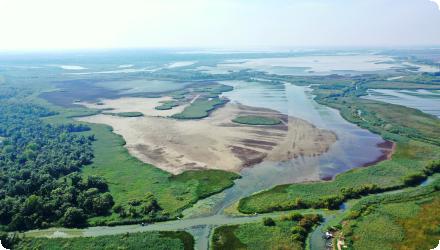
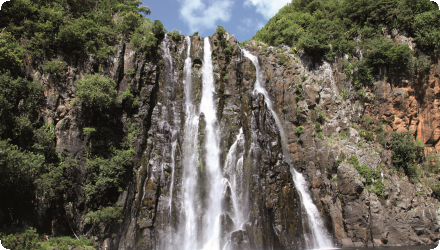
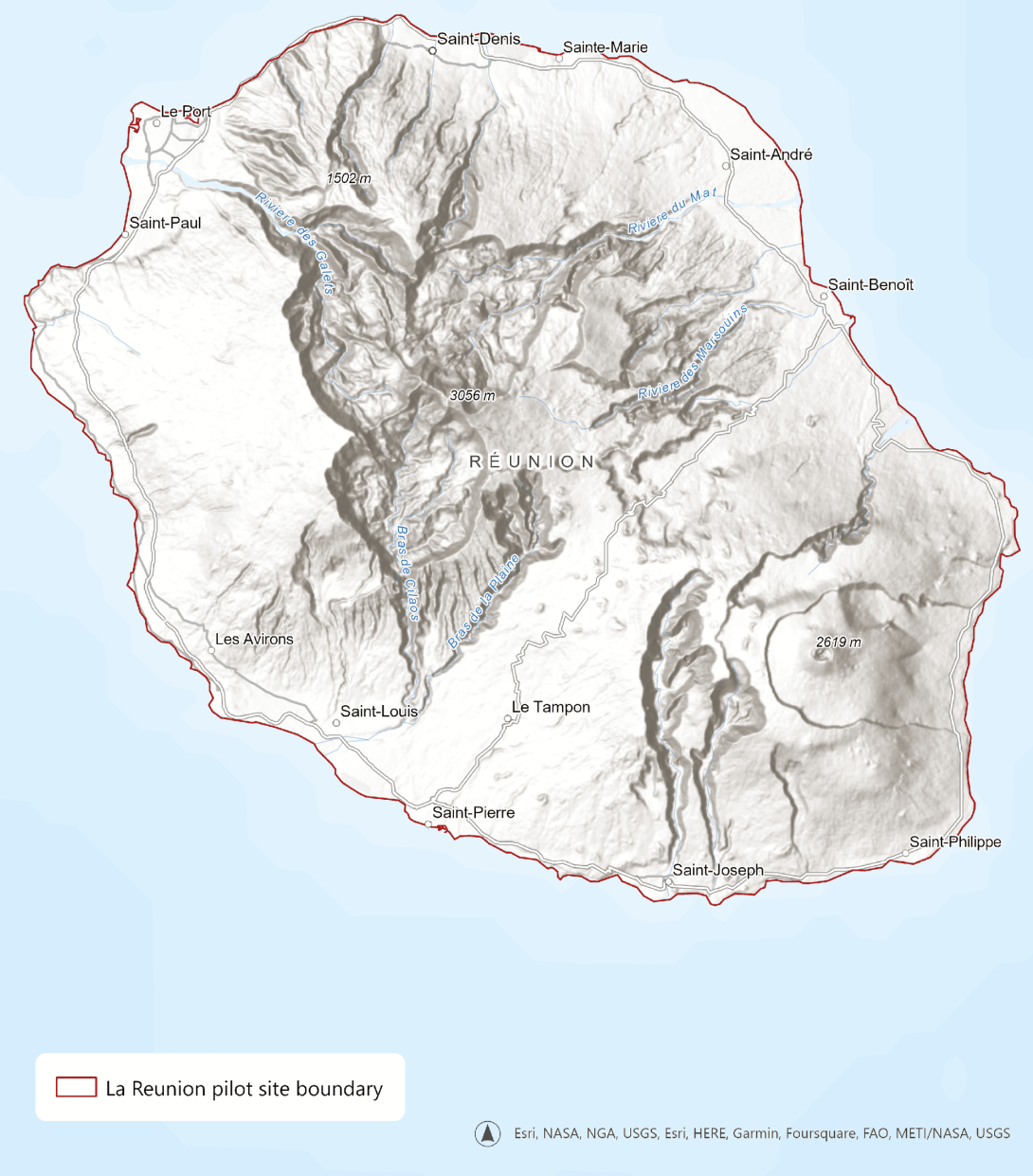
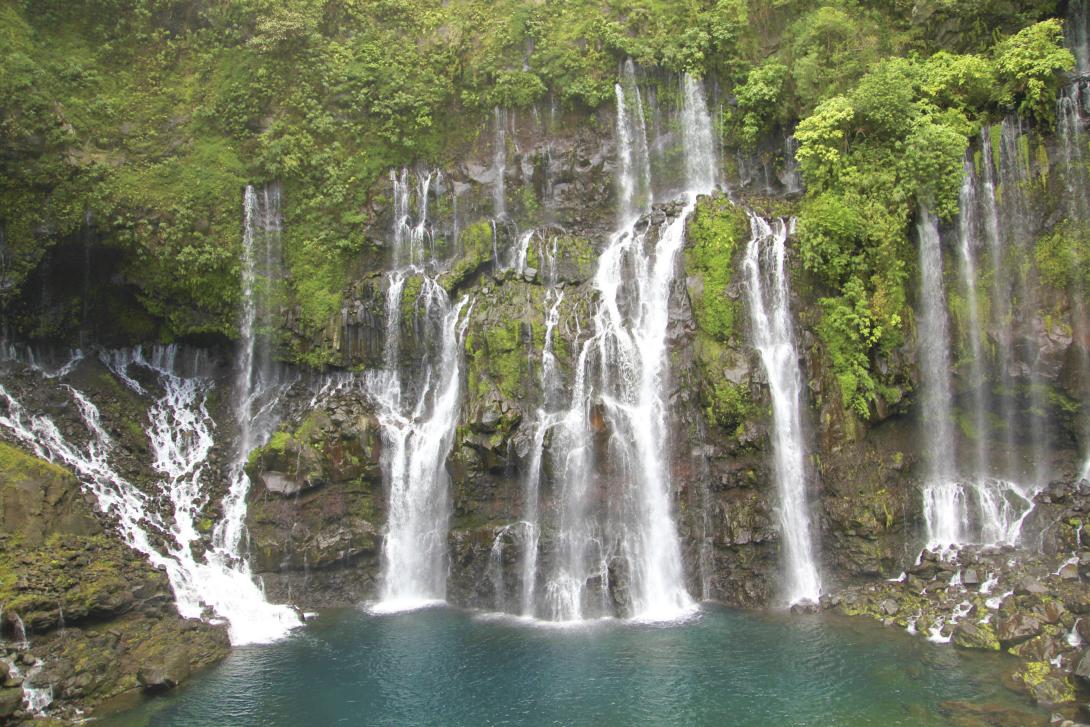
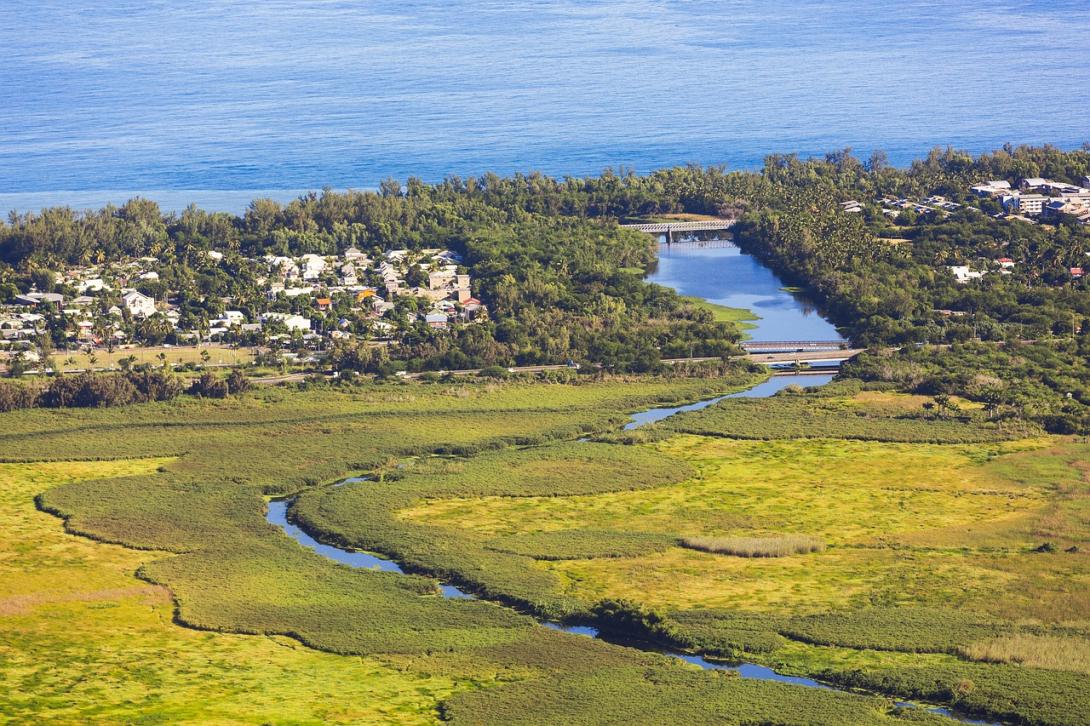
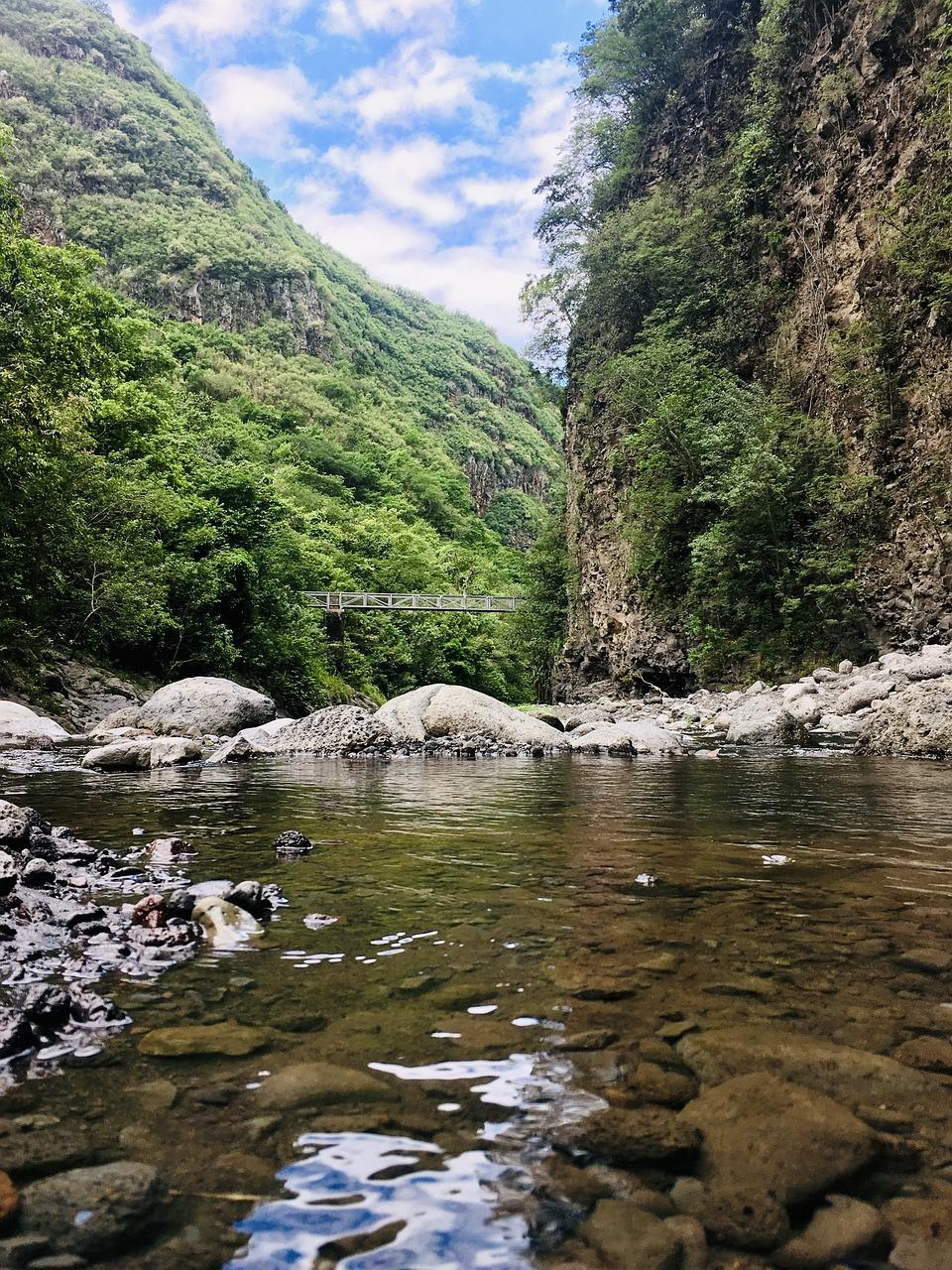
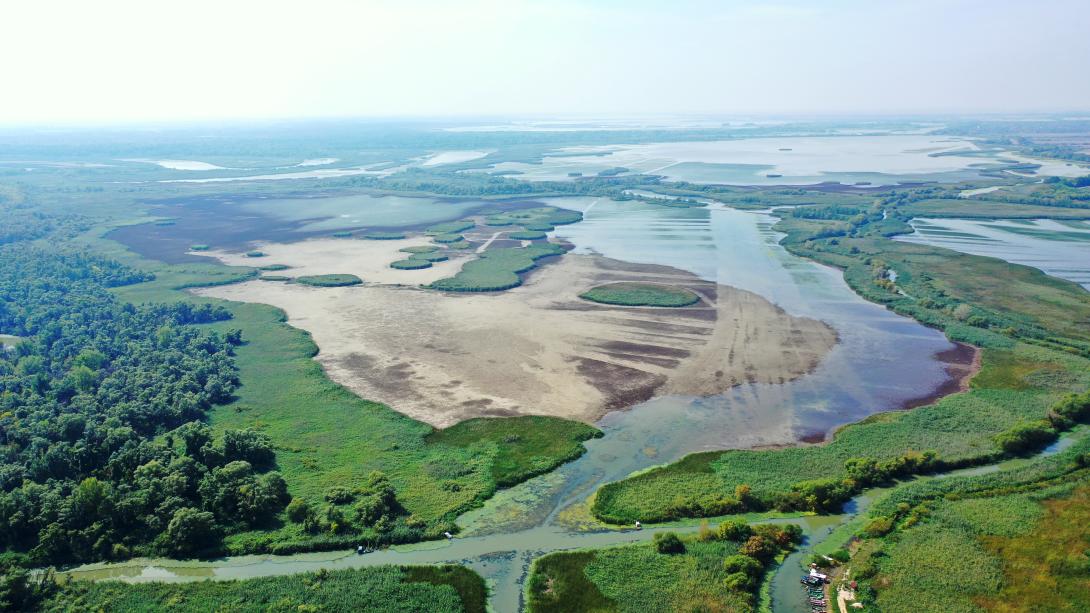
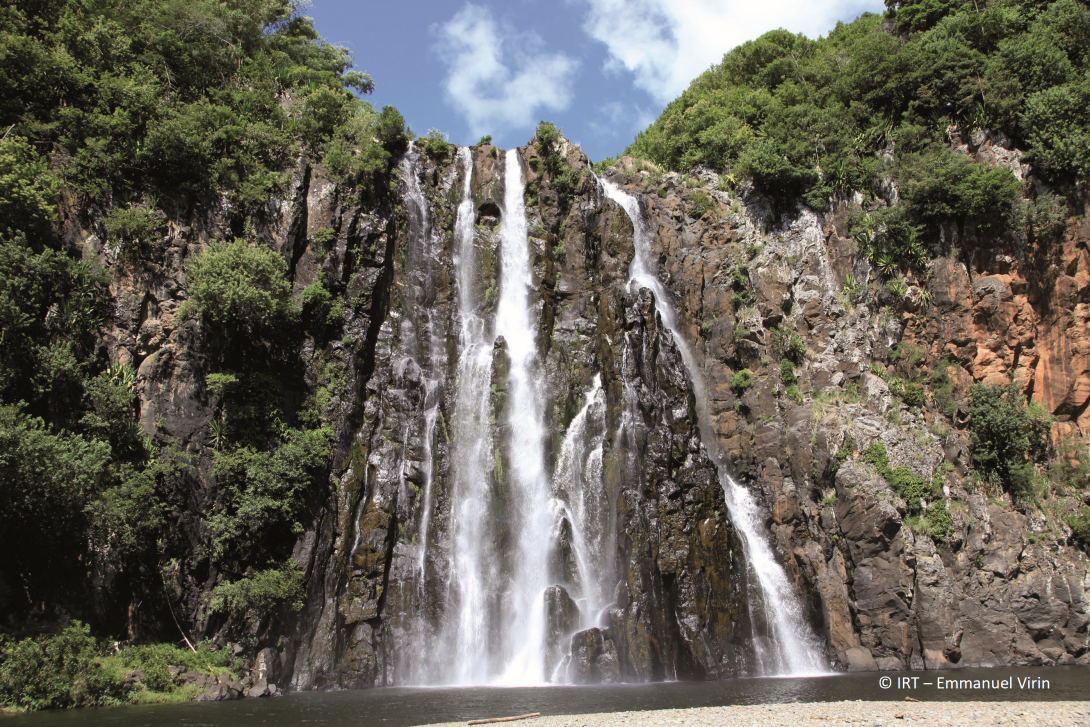
Réunion Island is a French volcanic island located in the western Indian Ocean, east of Madagascar. Covering approximately 2,500 square kilometres, it is characterised by steep mountainous terrain and a narrow coastal plain where most of the population is concentrated. The island’s climate is humid and tropical, strongly influenced by oceanic currents and trade winds, which create significant contrasts between the wet eastern slopes and the drier western regions. Annual rainfall can exceed 7,000 millimetres in the east, while the western coast often receives less than 600 millimetres. This climatic variability, combined with the island’s complex topography, shapes its hydrological patterns and ecosystems. Réunion hosts exceptional biodiversity, including numerous endemic species within its forests, wetlands and coral reef systems, but these ecosystems are increasingly exposed to pressures from urbanisation and climate change. The island is also subject to recurrent natural hazards such as tropical cyclones, floods and periodic droughts, all of which directly affect water resources and infrastructure management.
Water Bodies and Precipitation
24 river water bodies, 3 ponds, 27 groundwater bodies, 12 coastal waters (4 reefs)
Annual precipitation: 7.6 billion m³ (2.9 evapotranspiration, 1.6 runoff, 3.1 infiltration)
24 fish species (9 endemic)
Water Withdrawals and Supply
Total withdrawals: >200 million m³/year (140 for drinking, 50 for irrigation, 10 for industry/hydroelectricity)
Drinking water: 47% from groundwater (89 catchments), 53% from surface water (126 catchments)
Agriculture/industry: 90% from surface water
Storage capacity: 400,000 m³ (382 structures)—limited by geology
Drinking Water and Sanitation Networks
25 water treatment plants, 5,900 km of distribution (62% efficiency, vs. 80.4% national average)
380,000 subscribers; average consumption: 194 m³/year/subscriber (vs. 118 m³ national)
Withdrawals for drinking water: 387 m³/year/subscriber (2016)
16 wastewater treatment plants; 52% of households connected to collective sewerage, 48% non-collective
37 million m³ of wastewater treated; 9,558 tons of dry matter/year from sludge
Tariffs and Affordability
Progressive social pricing (Increasing Block Tariff, IBT): First blocks subsidized by higher blocks (cross-subsidy)
Average unit cost: €1.26/m³ (drinking water), €2.46/m³ (water + sanitation)
Annual bill: €225 (water), €430 (water + sanitation); higher budget share than national average for many households
Main Issues
1. Complexity of Pricing Policy: Stakeholders lack a clear view of the socio-economic impacts of various pricing policies. All utilities use Increasing Blocks Tariffs (IBT), but calibration is complex.
2. Infrastructure Investment Needs:
Water network efficiency is low (62%, with some cities as low as 23.3%).
Causes: aging pipes (1/3 over 30 years), poor pressure management, difficult terrain.
Recent improvements have yielded environmental gains (~20 m³/year/subscriber), but further investment is needed.
Individual sanitation systems are often outdated (70% not up to standard).
Climate change models predict more severe winter droughts (up to –50% resources in some regions), reduced aquifer recharge, and increased risk of saline intrusion in coastal aquifers.
3. Governance Reform: Since 2020, water and sanitation management shifted from 24 municipalities to 5 inter-municipal authorities. Tariff equalization across diverse networks will require careful management of monetary transfers.
4. High Domestic Consumption and Low Willingness to Pay: High usage in a context of low prices, high poverty, and low willingness to pay, especially for sanitation. This leads to chronic deficits in the West and South, and threatens financial sustainability due to unpaid bills.
Social and Perception Issues
Some residents do not understand why they must pay for water/sanitation, especially as other public services are free or nearly free.
Legal context prohibits water cuts and flow restrictions.
Service quality issues (frequent disruptions, poor water quality) further reduce willingness to pay.
Environmental Risks
Over-abstraction during low water periods disrupts ecosystems, especially in the west and south.
Saline intrusion in coastal aquifers threatens both environment and water supply.
Surface water quality is degraded (40% of stations in poor chemical condition; 20% with high suspended matter). 30% of groundwater stations are in poor condition, mainly in the west.
Financial Needs
Estimated €800 million needed over the next 10 years for water resource and ecosystem protection.
€400 million in operator programming capacity over 6 years (including €160 million in solidarity funding, €45 million pooled, €196 million self-financing).
Governance and Stakeholder Engagement
La Réunion Pilot Site community: Local Water Agency, DEAL, Water and Biodiversity Committee, Departmental Council, EDF, professional chambers, CESER, local utilities.
Community meetings: Multi-sectoral stakeholder meetings to identify and prioritize issues (governance, pollution, access, infrastructure investment).
Citizen engagement: Providing personalized information on pricing policy performance, especially affordability and equity.
Economic and Digital Tools
Economic modelling: Use of CGE and micro-simulation models to quantify trade-offs in pricing policy (affordability, incentives, equity, efficiency, cost recovery).
Progressive pricing: 22 of 24 communes use tiered tariffs (2–5 bands), with Réunion serving as a case study for France.
Digital tools: Development of modelling tools to understand water–economy interactions and support decision-making.
Policy and Infrastructure
Support for harmonized pricing: Policy support for harmonizing tariffs across new inter-municipal authorities.
Investment planning: Emphasis on infrastructure upgrades and maintenance to improve network efficiency and adapt to climate risks.
Modelling tools developed to inform collective decision-making and support multi-sectoral water management.
Stakeholder mobilization: Local actors engaged in testing and improving tools, with regular community meetings and webinars.
Knowledge sharing: Lessons from Réunion are being shared with other pilot sites and at the European level.
Policy impact: The site’s experience is contributing to the design of more equitable, efficient, and sustainable water governance models for insular and vulnerable regions.
Monitoring and evaluation: Ongoing tracking of key performance indicators (stakeholder involvement, citizen participation, replication potential).
Evidence-based tariff design is needed to balance affordability, conservation, and cost recovery, given high per-subscriber use and low distribution efficiency that drive investment needs.
Leakage reduction and pressure management should be prioritised to improve network efficiency and underpin sustainable finance through multi‑year infrastructure planning.
Climate variability and hazards (cyclones, floods, droughts) must be integrated into abstraction rules, demand management, and resilience investments to secure supply.
Limited island storage capacity makes demand management and efficient operations the first lever, with clear cross-sector allocation principles agreed in multi-actor forums.
Mixed reliance on groundwater and surface water calls for integrated resource planning to protect vulnerable ecosystems and maintain service reliability.
Structured stakeholder engagement through the pilot community and webinars is essential for acceptability, shared learning, and consistent implementation across actions.
Using WP4 diagnostic and micro‑simulation tools to test demand-side and investment scenarios at Réunion supports transparent, data‑driven decisions before scale‑up.
Common indicators and transparent reporting across the pilot community strengthen monitoring, help demonstrate benefits, and support replication to other contexts.