An interactive calculator was developed with Etra SpA, the Consiglio di Bacino Brenta and the technical support of Etifor | Valuing Nature. The tool allows users to explore the annual cost of the integrated water service, compare their water consumption to the local average, and better understand how water tariffs are allocated.
Access the calculator here: https://etra.etifor.net/
Led by CBB and ETIFOR
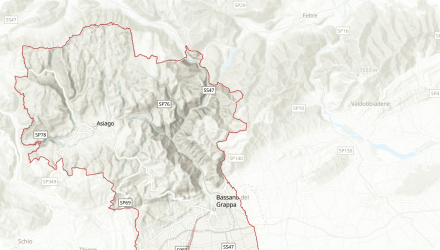
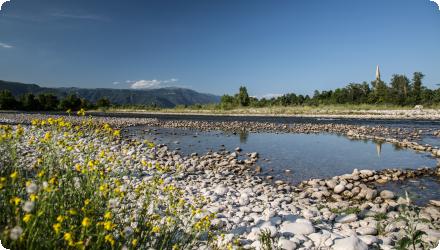

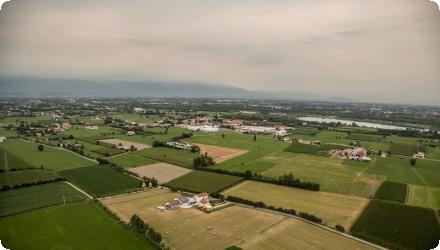
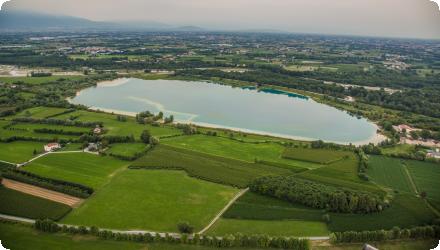
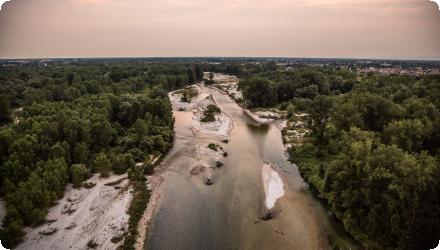
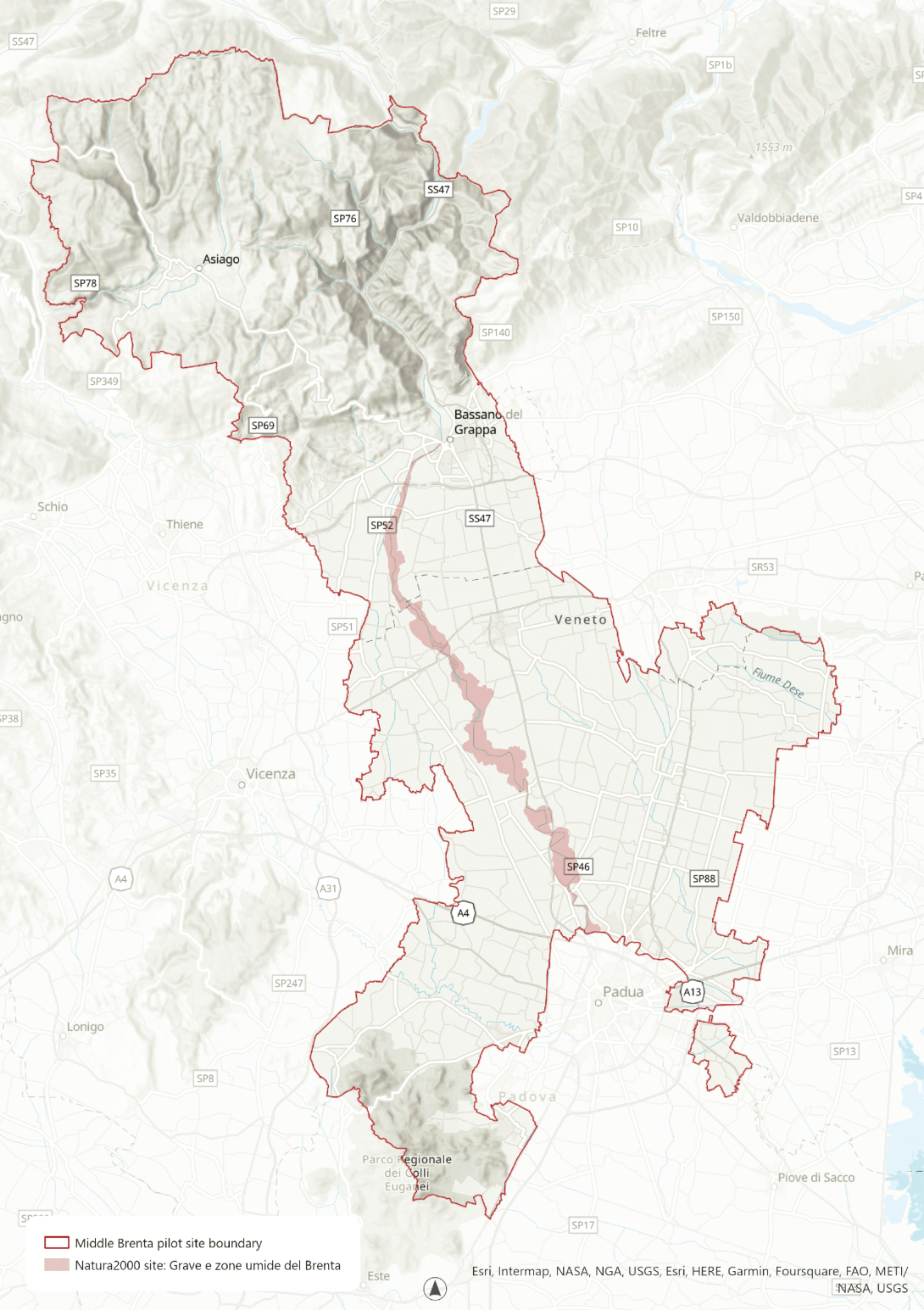
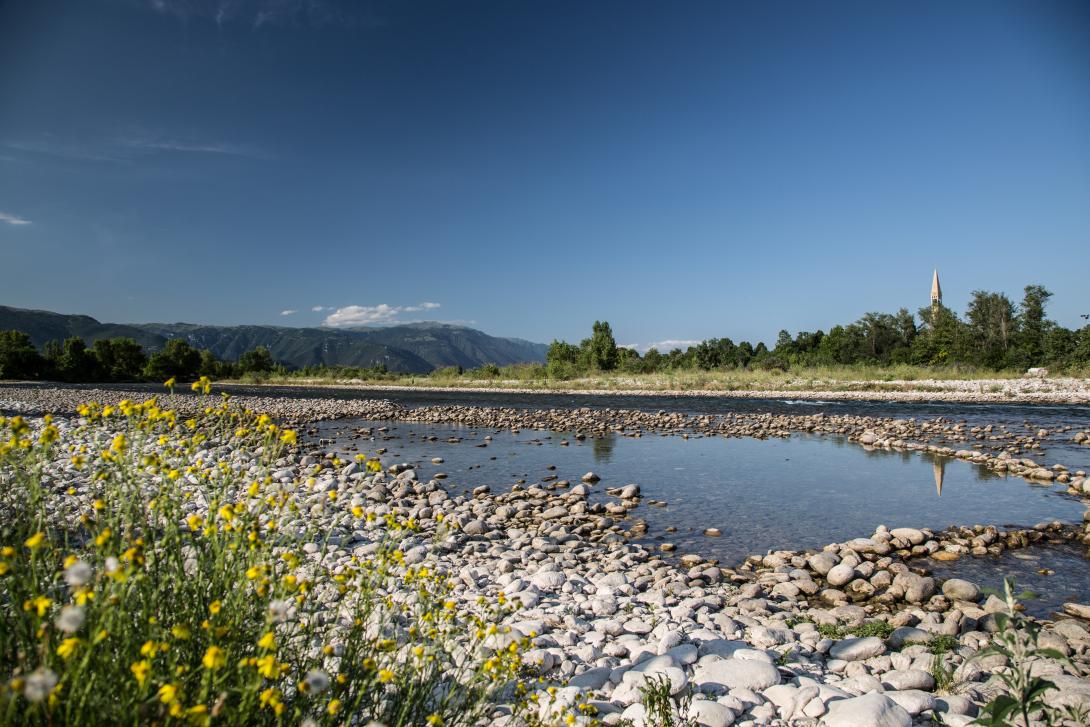
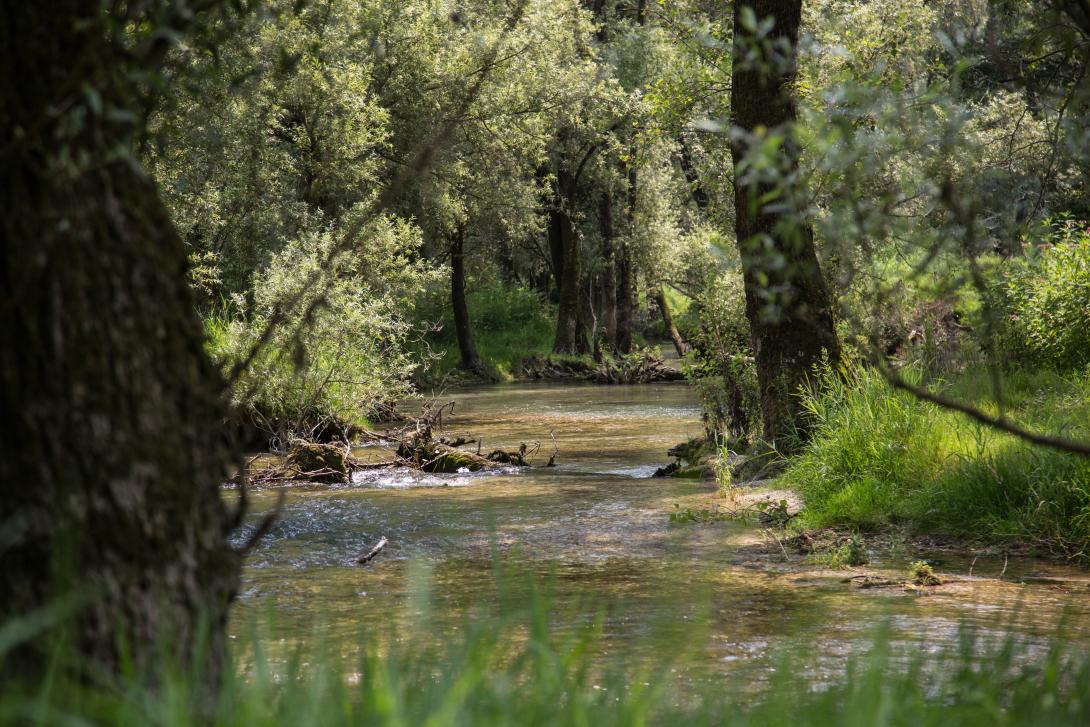
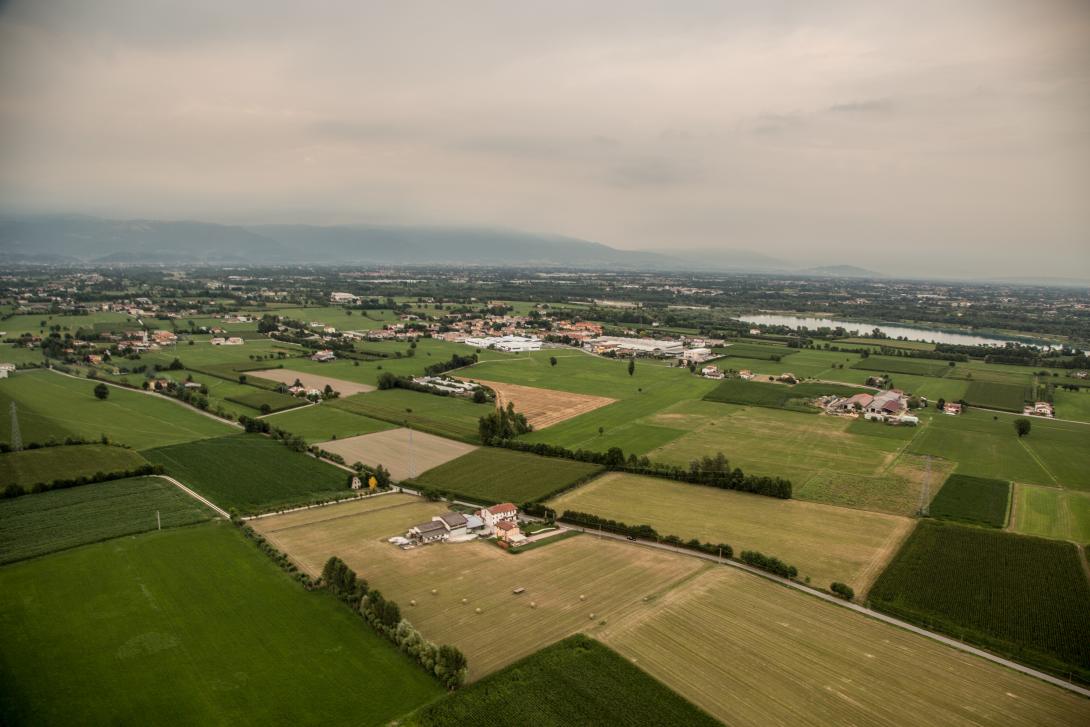
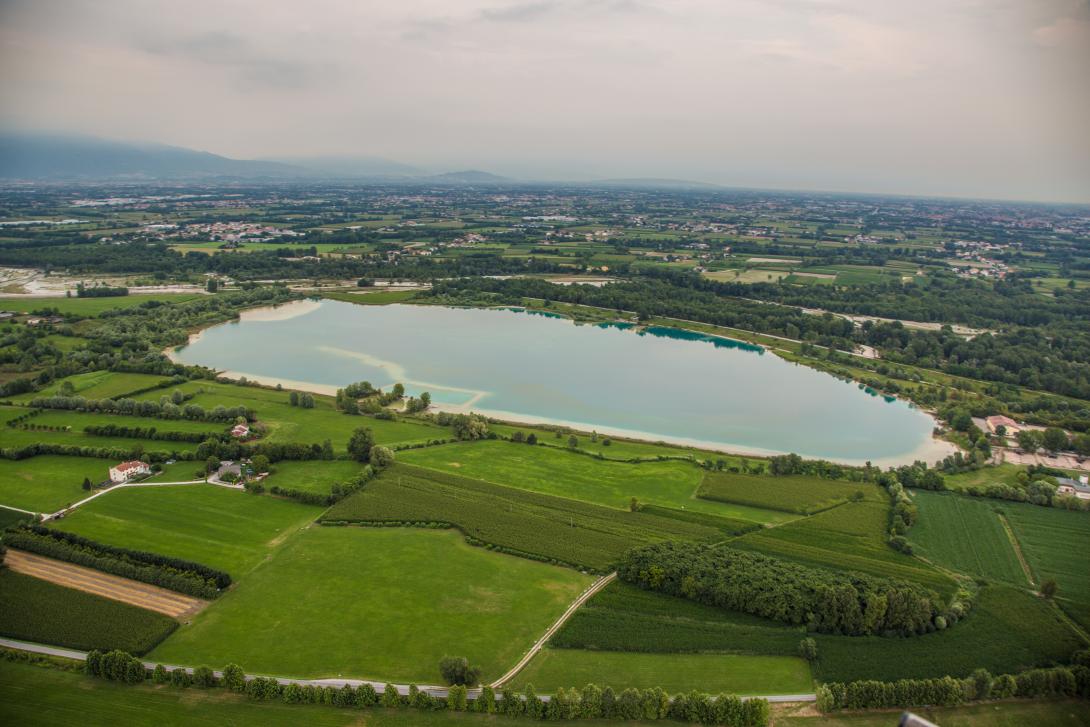
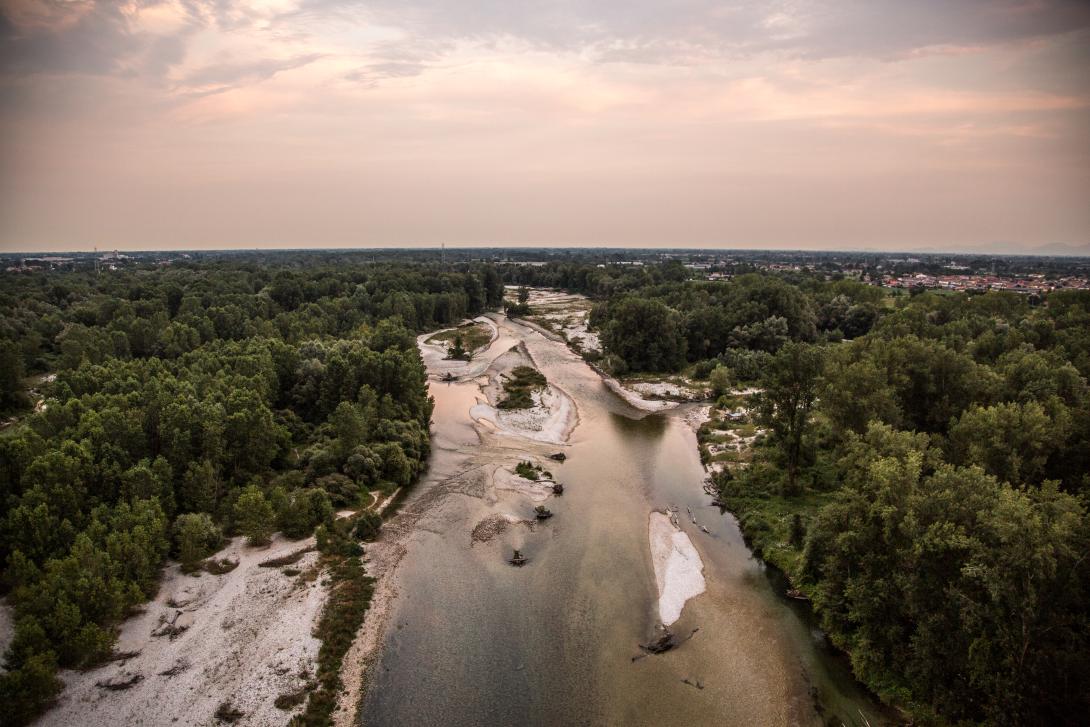
The Middle Brenta Basin is located in the Veneto region of northeast Italy, spanning the provinces of Vicenza and Padova. The area of focus is the riverine corridor, a Natura 2000 site covering 3,848 hectares of riparian forests, wetlands, and aquatic habitats within 15 municipalities. The Brenta’s groundwater is a vital resource, distributed by ETRA to supply drinking water to over 1.5 million people across the region. The area is also a popular destination for recreation, with thousands visiting the Natura 2000 site annually.
• Main sources: Brenta River, groundwater aquifers, and spring-fed wetlands (“risorgive”).
• Water supply: Groundwater distributed by ETRA provides drinking water to over 1.5 million people across 68 municipalities.
• Irrigation: Managed by Consorzio di Bonifica Brenta, covering about 30,000 ha of farmland through a 2,300 km canal network.
• Reservoirs: Several mountain reservoirs regulate flows and secure irrigation during dry periods.
• Recharge areas: Managed aquifer recharge (MAR) zones and forest infiltration areas enhance groundwater replenishment.
• Modernisation: Ongoing conversion from gravity-fed to pressurised irrigation systems to improve efficiency.
• Energy use: Nine small hydroelectric plants (≈2 MW total) and two photovoltaic systems support irrigation operations.
• Monitoring: Digital tools and smart meters being introduced for real-time data and improved water management.
• Main issues: Declining groundwater levels, leakage in ageing canals, and increasing drought frequency affecting resource stability
Main Issues
Governance Complexity: Absence of a unified managing body for natural capital, with multiple entities involved and reduced public spending for new parks, leading to degraded conditions.
Water Abstraction: Intensive withdrawals for agriculture and urban supply threaten both farming viability and ecosystem health. Groundwater levels are at risk due to over-extraction.
Biodiversity Conservation: Need to protect riparian forests and wetlands while ensuring water supply.
Ecological Fragmentation: Agricultural and mining activities have reduced and fragmented habitats.
Implementation of Environmental and Resource Costs (ERC): Integrating ERC into water tariffs to promote sustainability and the polluter/user-pays principle (as per Article 9 of the Water Framework Directive).
Communication and Awareness: Ensuring that households and water users understand the impact and value of ERC and ecosystem services.
Recreational Impact: High recreational use without adequate regulation disturbs wildlife and damages habitats.
Governance and Stakeholder Engagement
Brenta Pilot Site Community : regional government biodiversity department, regional agency for agriculture and forests, regional office with hydraulics and water police functions, regional office with forest conservation functions, drinking water mlanagement authority, water and waste utility, river basin management authority, irrigation boards, local municipalities, farmer associations, environemental association, landowners, fishermen associations, private entreprise, drinking water users, recreational users.
Integrated management committee: Creation of a participatory committee for integrated water and biodiversity governance, involving all key sectors and stakeholders.
Renovation of user advisory committees: Enhancing representation and participation of associations, groups, and citizens in local water planning.
Synergy assessment: Systematic evaluation of links between water management and biodiversity conservation.
Economic and Digital Tools
ERC in tariffs: Application of Environmental and Resource Costs in drinking water tariffs, with exploration of extending the polluter/user-pays principle to agriculture.
Smartphone app: Development of an app for households to promote water-saving behaviors, raise awareness of biodiversity, and provide information on water quality, quantity, and pricing (ERC).
Communication campaigns: Informing and engaging water users about the importance of ERC and ecosystem services.
Monitoring, Evaluation, and Knowledge Sharing
Webinars and workshops: Organization of local and cross-cutting events to share progress, gather feedback, and adjust strategies.
Performance indicators: Tracking stakeholder involvement, citizen participation, and the potential for replicating successful models in other regions.
Participatory governance: A new management committee brings together water, agriculture, biodiversity, and citizen interests.
ERC innovation: The Environmental and Resource Costs (ERC) have been included in the drinking water tariff as foreseen by Art. 9 of the Water Framework Directive. The process to define and apply the ERC costs, initiated with the previous LIFE Brenta 2030 project, successfully came to an end in March 2024 with the approval of the new local planning of the drinking water service, which includes interventions for environmental mitigation and compensation (such as nature-based solutions, green and blue infrastructures) financially supported by those specific tariff headings
Digital engagement: A dedicated app and communication campaigns increase transparency and user awareness.
Synergy with LIFE Brenta 2030: Builds on previous successes in ecosystem restoration and governance innovation.
Ongoing monitoring: KPIs track stakeholder engagement, citizen participation, and the potential for replication in other regions.
Overall Progress
Middle Brenta is fully operational as a pilot site, with concrete results in participatory governance, ERC implementation, and digital tool development.
Actions undertaken are informing European discussions on sustainable, equitable, and participatory water management, especially in regions with high biodiversity value and complex stakeholder landscapes.
Start from the institutional level: the strategic adhesion of the local municipalities is essential to produce concrete improvements for the integrated governance of water and biodiversity.
Keep the non-institutional stakeholders informed on the process: through the Users Advisory Committee and the webinars promoted by the LIFE Brenta 2030 project addressing the general audience (including local associations and citizens).
Stop and think about what we can do to improve the engagement level: within WP3, each phase of governance (from the communication/information to the decision-making) was analysed and a set of objectives were defined to improve the current level of engagement and move towards a more bottom-up governance approach. This exercise was actually very useful to understand current needs and priorities of action. For instance, we understand we need to “reshape” some communication messages to make our voice heard by citizens, so it did provide practical outputs.
Working at the rooting level: technicians and non-technical stakeholders have different paradigms and languages: defining strategies and tools to facilitate the meeting and understanding between these two words could be very helpful.