Led by EUT and FIGUERES
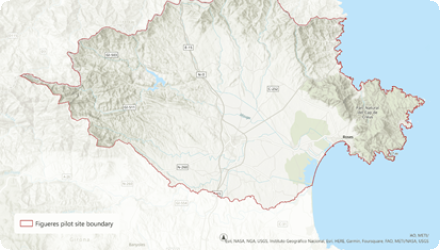
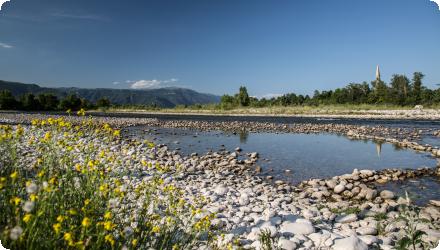
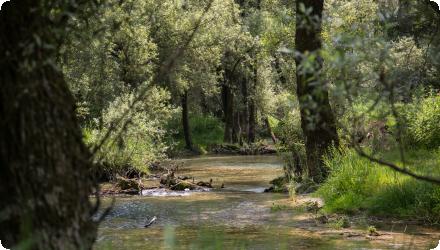
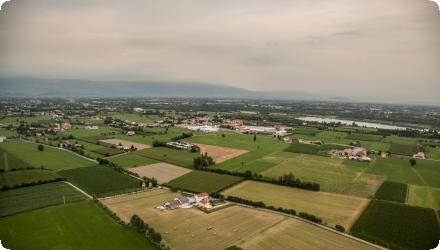
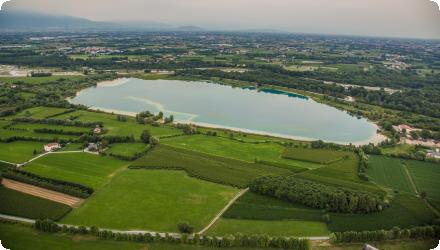
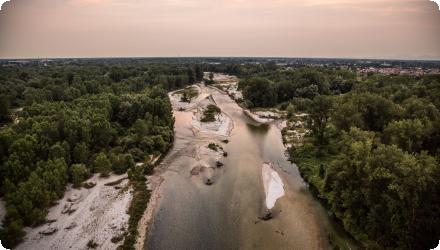
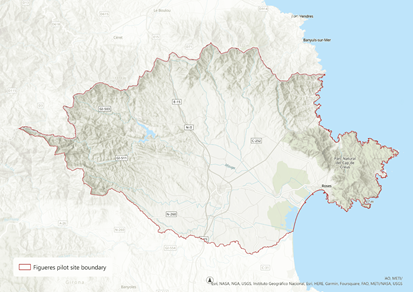
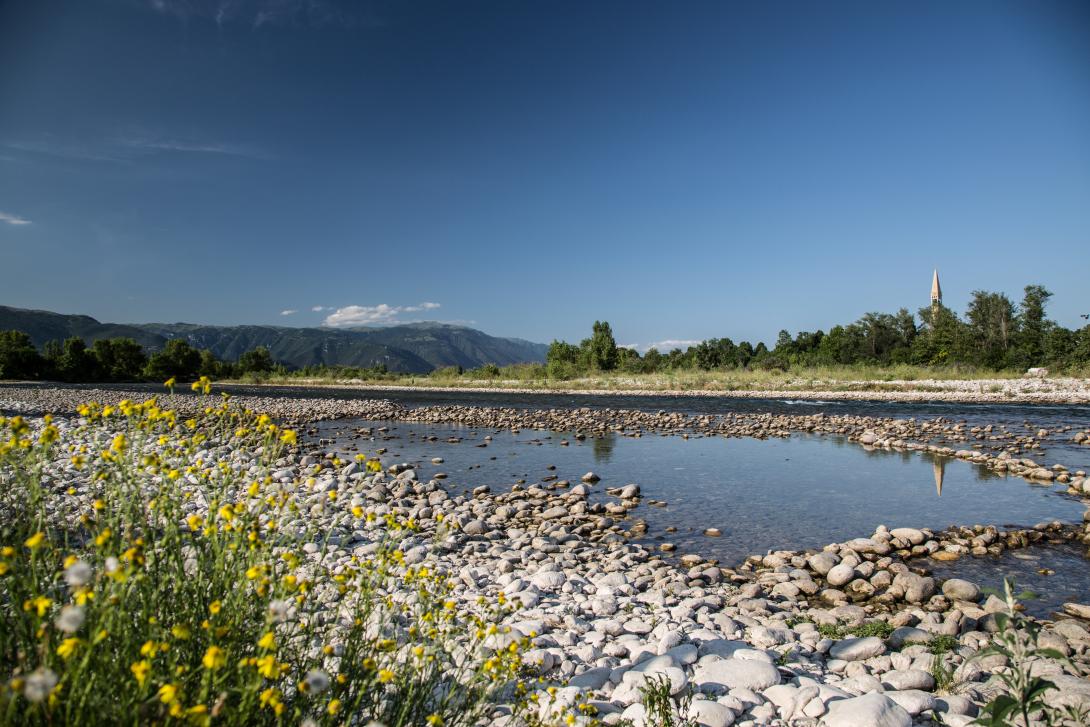
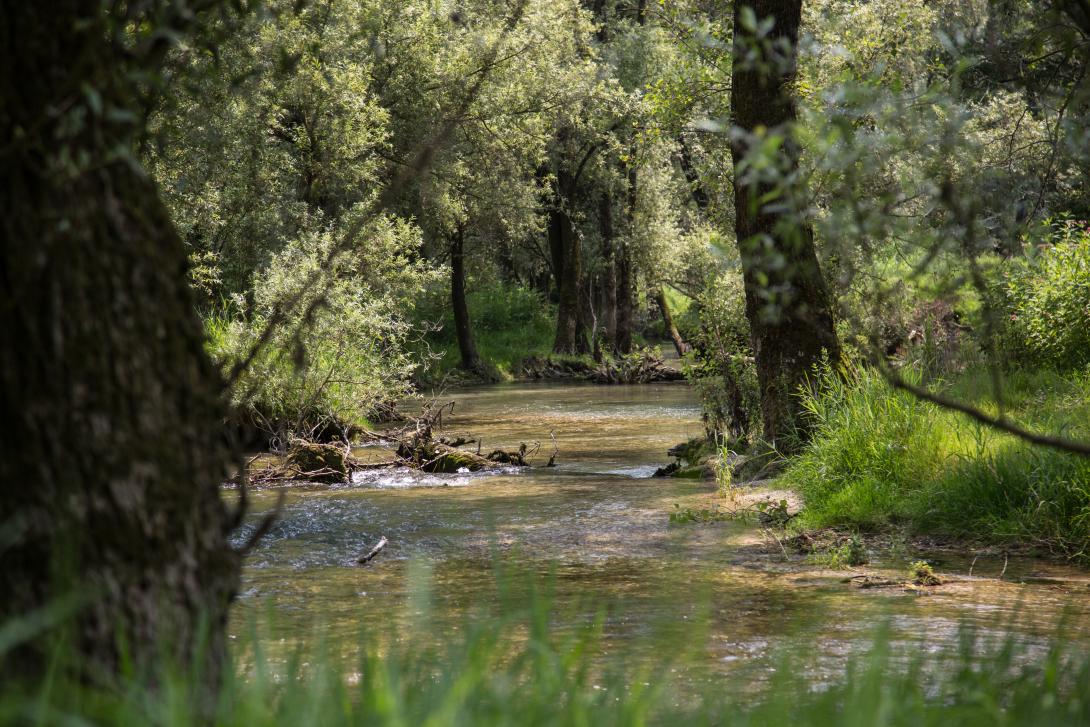
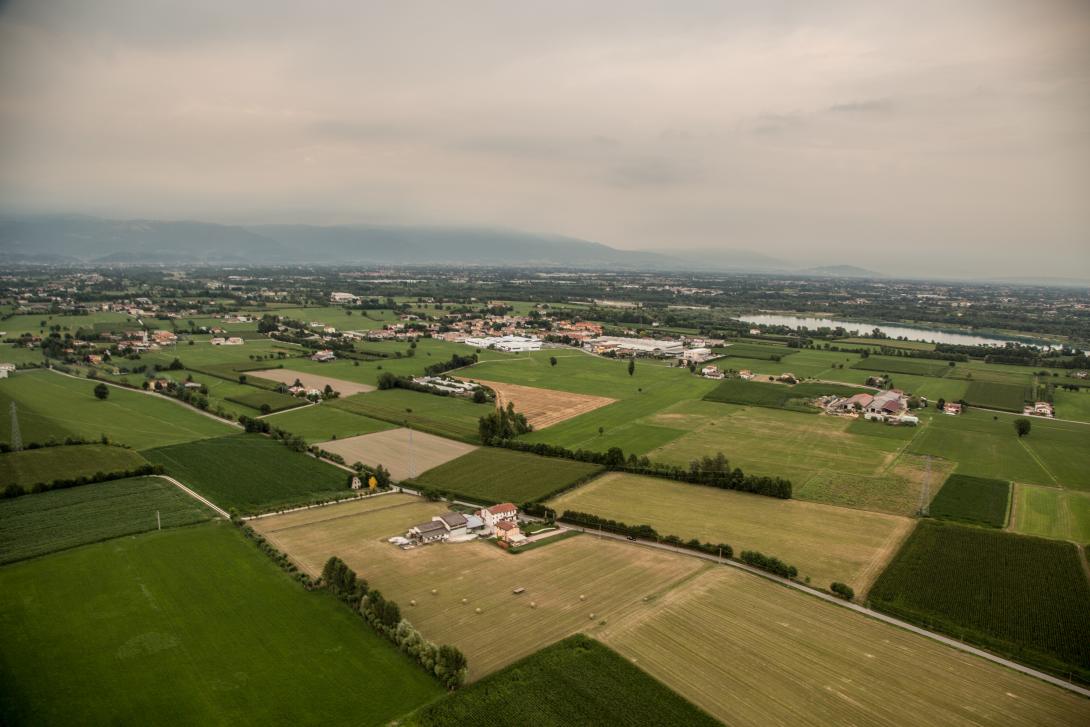
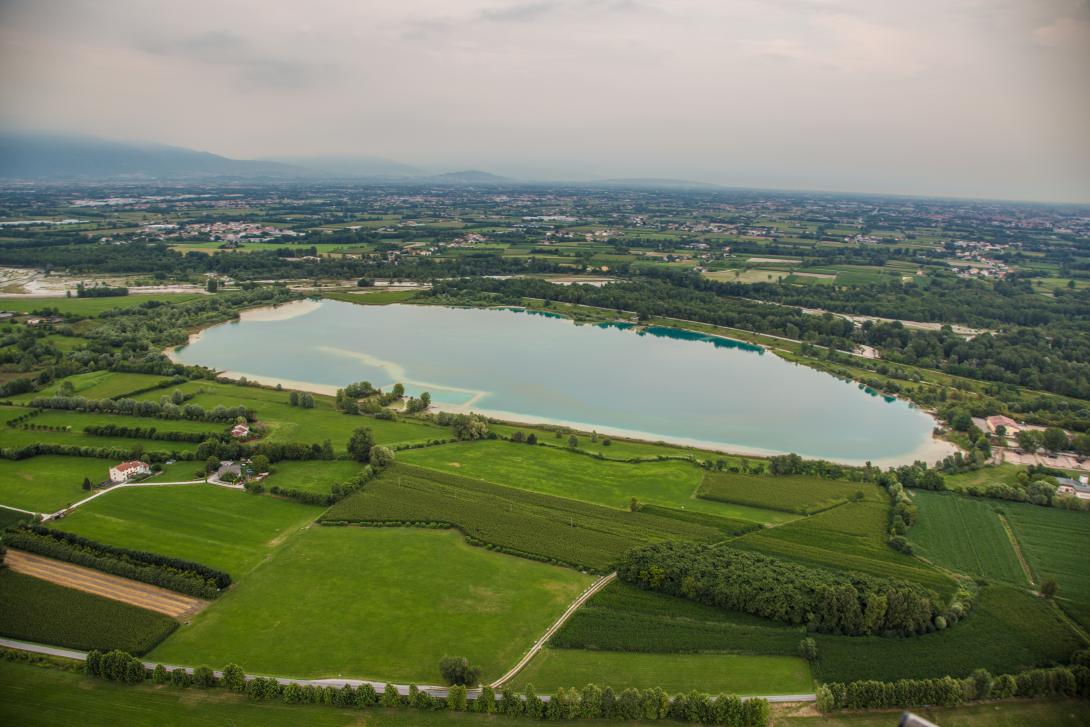
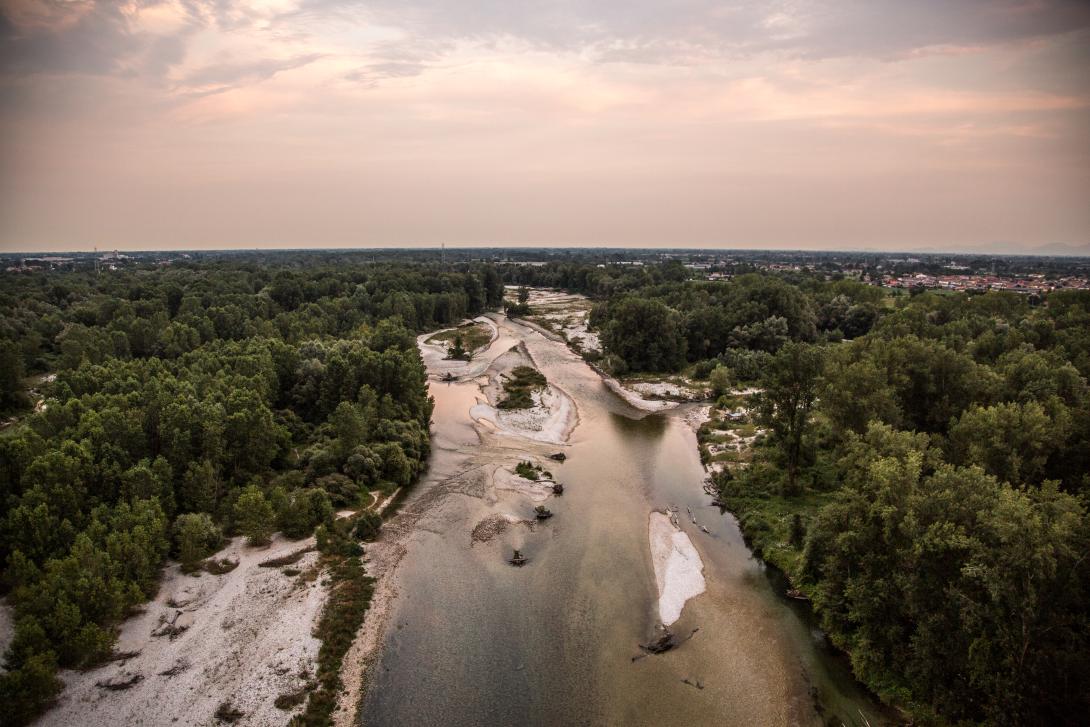
Figueres is the county capital of Alt Empordà, located in the northeast of Spain, close to the French border. The county comprises 68 municipalities with a total population of 136,000 (2021), while Figueres itself has just over 47,000 inhabitants and covers 19.2 km². The region’s main economic activities are commerce, agriculture, and tourism. Figueres is a major tourist destination, receiving over 1 million visitors annually, notably to the Dalí Museum.
Water sources: 84% of Figueres’ water comes from the Boadella reservoir (fed by the Muga River), and 16% from groundwater wells.
Water quality: Extremely high, but the area faces significant challenges related to drought, especially during the summer when tourism and agricultural irrigation drive up demand.
Wastewater: Wastewater and rainwater are not separated in most of the sewer network. Treated water is released into the River Muga, which flows into the Mediterranean.
Water supply: Boadella reservoir (84%), groundwater (16%).
Peak demand: During June–August, daily consumption can reach 10,000 m³.
Wastewater treatment: Treated water is released into the River Muga via the Mal Pas Canal.
Sewer network: Wastewater and rainwater are not separated, leading to challenges in water management and quality.
Main Issues
Water Scarcity: The Mediterranean climate brings mild winters and hot, humid summers, but water scarcity is the primary challenge, exacerbated by high seasonal demand from tourism and agriculture.
Seasonal Peaks: Summer demand can reach 10,000 m³/day. If winter rains (January–March) are insufficient, severe supply problems arise.
Tourism Pressure: The influx of tourists in summer intensifies water demand, straining resources.
Agricultural Use: Most agricultural water is used for fodder crops for livestock, with some mixed crops, vineyards, and olive trees.
Wastewater Management: Lack of separation between wastewater and rainwater complicates treatment and environmental protection.
Governance Fragmentation: Coordination between Figueres and neighboring municipalities is inconsistent, leading to fragmented management of the Muga river system
Allocation Authority: The Catalan Water Agency (ACA) allocates water among agriculture, tourism, and urban uses.
Public Awareness: Interest in water issues spikes during crises (e.g., 2007–2008 drought) but wanes once restrictions are lifted.
Governance and Stakeholder Engagement
Figueres Pilot Site Community : Ajuntament de Figueres (municipal government), representatives of the municipalities at both a political level (Mayors and Councillors) and a technical level (engineers, environmentalists, biologists), Catalan Water Agency (ACA), IAEDEN (local environmental group), water private companies, universities (University of Girona and University of Barcelona), of the farmers and the irrigators' communities, of the local ecological entities (ONG), a consortium of municipalities in the upper area of the basin, an expert in water and management of Water User Communities, Alt Empordà Regional Council, Aiguamolls de l'Empordà Natural Park, representatives of the tourism sector and of water research centres.
Cross-sectoral Transparency: Promoting greater transparency and cross-sectoral approaches, involving both socio-political (Quintuple Helix) and technical (WEFE Nexus: Water-Energy-Food-Ecosystems) levels.
Creation of the River Basin Water Forum (RBWF): Establishment of a RBWF and reinforcement of the local Environment Network to bridge governance levels and stakeholders.
Participatory Planning: Involving all relevant actors in water allocation and governance decisions.
Digital and Diagnostic Tools
Water Governance Diagnostic Tool: Used to monitor progress and test governance innovations throughout the project.
Governance Toolbox: Application of governance tools to support decision-making and transparency.
Monitoring, Evaluation, and Knowledge Sharing
Webinars and Workshops: Several webinars and meetings, mainly discussing the establishment of a Water User Community with the involvement of all water users. The Water User Communities are a legal entity regulated by Catalan hydraulic regulations and promoted by the Catalan Water Agency with the aim of articulating legitimate territorial interlocutors in water decision-makingPerformance Indicators: Tracking stakeholder involvement, citizen participation, and the potential for replicating successful models in other regions.
Community Building: Emphasis on building water user communities and strengthening institutional coordination.
Participatory governance: The RBWF vision fosters cross-sectoral dialogue and inclusive decision-making.
Digital engagement: Diagnostic tools and awareness campaigns increase transparency and user involvement.
Community building: Strong focus on building water user communities and strengthening institutional coordination.
Ongoing monitoring: KPIs track stakeholder engagement, citizen participation, and replication potential.
Overall Progress
Figueres is fully operational as a pilot site, with concrete results in participatory governance, social and economic innovation, and digital tool deployment.
Actions undertaken are informing European discussions on sustainable, equitable, and participatory water management, especially in Mediterranean regions facing water scarcity and high tourism pressure.
Water must be managed in a global way, taking into account all aspects, users and agents involved.
Until now, each actor has defended its particular interests and there has been no global, shared vision, nor sufficient collaboration between sectors.
A good territorial area for water planning and management is one that is consistent with the availability and uses of water. The river basin is a good management area.
When a problem appears that affects all actors, in our case water scarcity, this promotes collaboration, cooperation and the search for joint solutions.
It is important that there is strong leadership recognized by all parties to carry out shared projects. There are often difficulties in finding such leadership.
In water management, technical leadership is necessary because that beyond the short-term political vision, since water must be managed with a long-term vision.
Projects like InnWater can be the instrument to promote collaboration between actors and awaken new synergies. In the face of the second part of the InnWater project, efforts will need to be concentrated on finishing the work begun and opening a new front to involve unorganized citizens.