Led by WRT
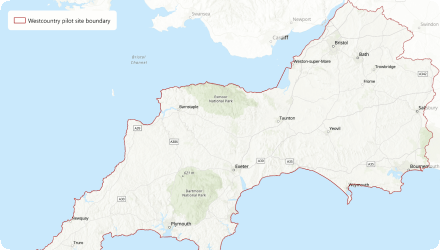

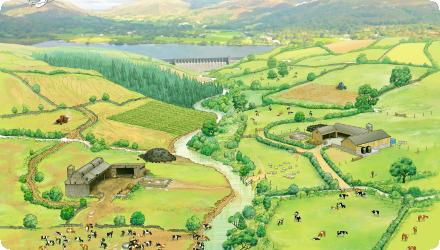
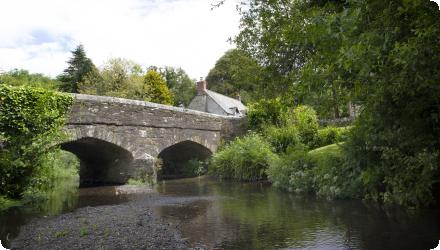
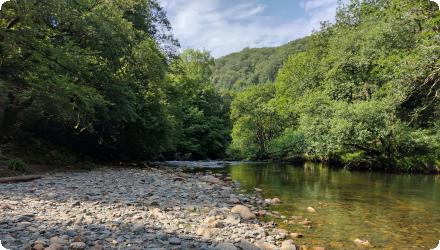
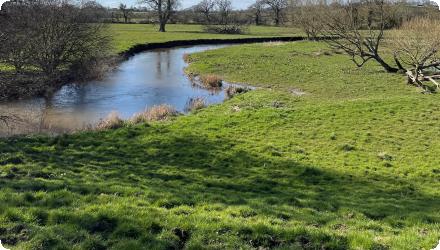
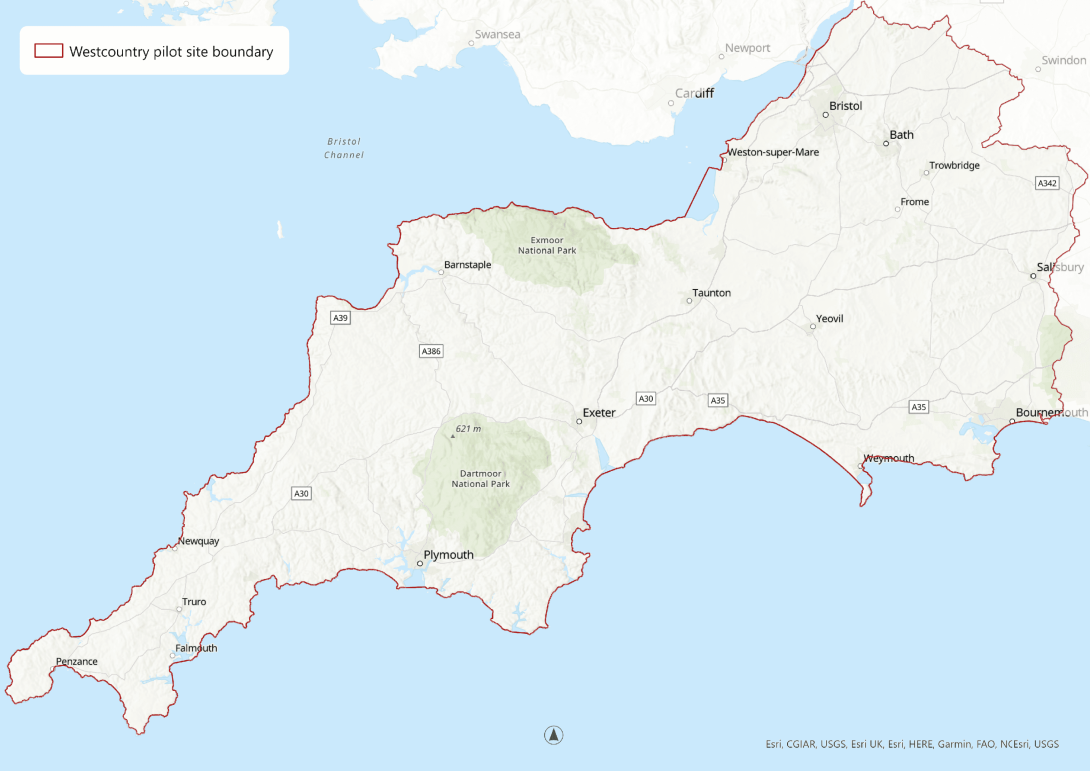
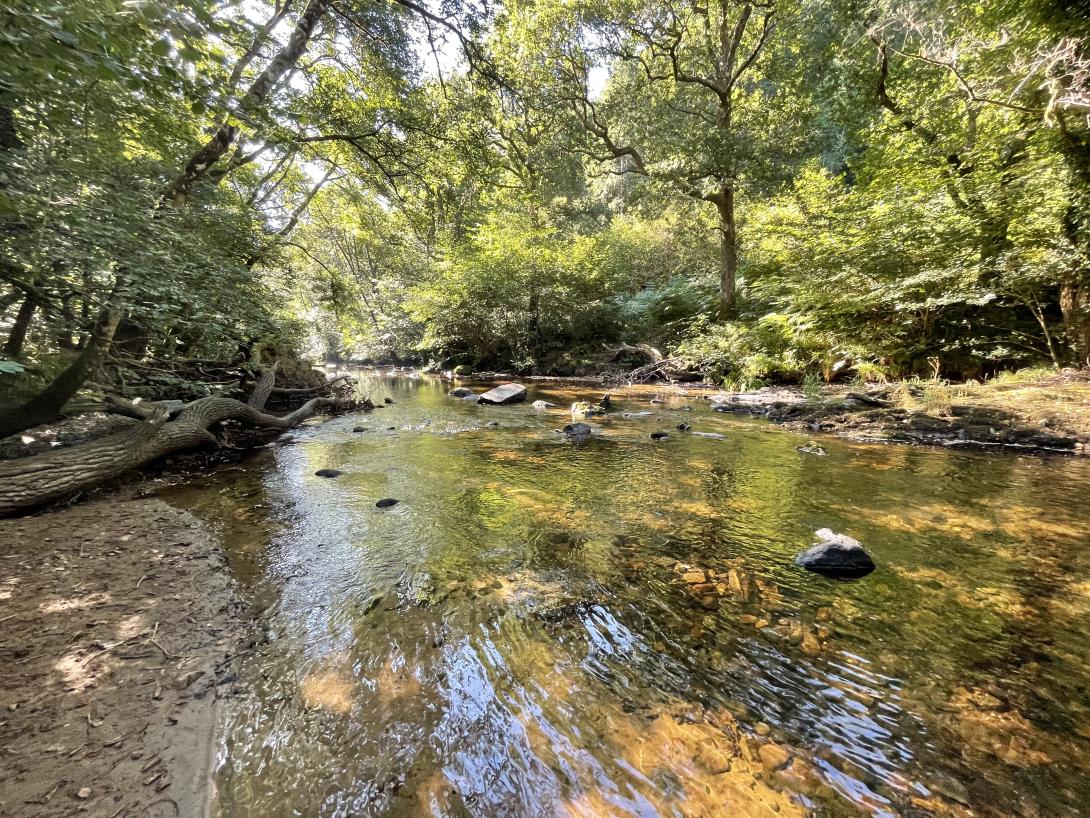
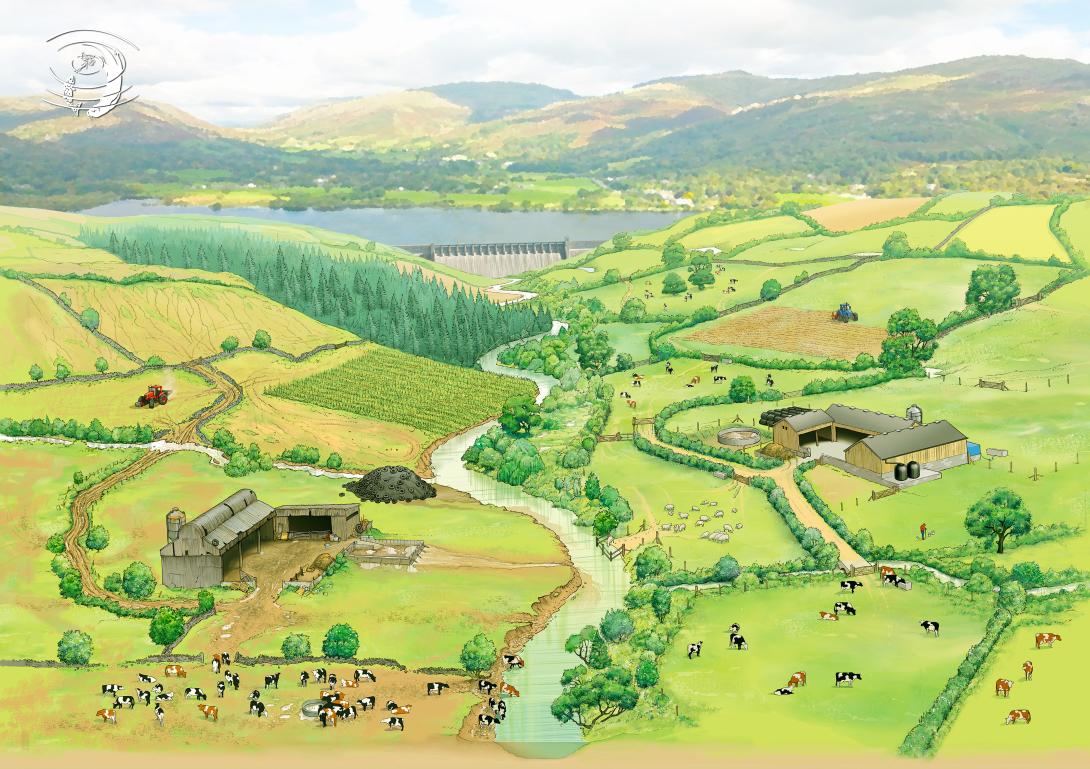
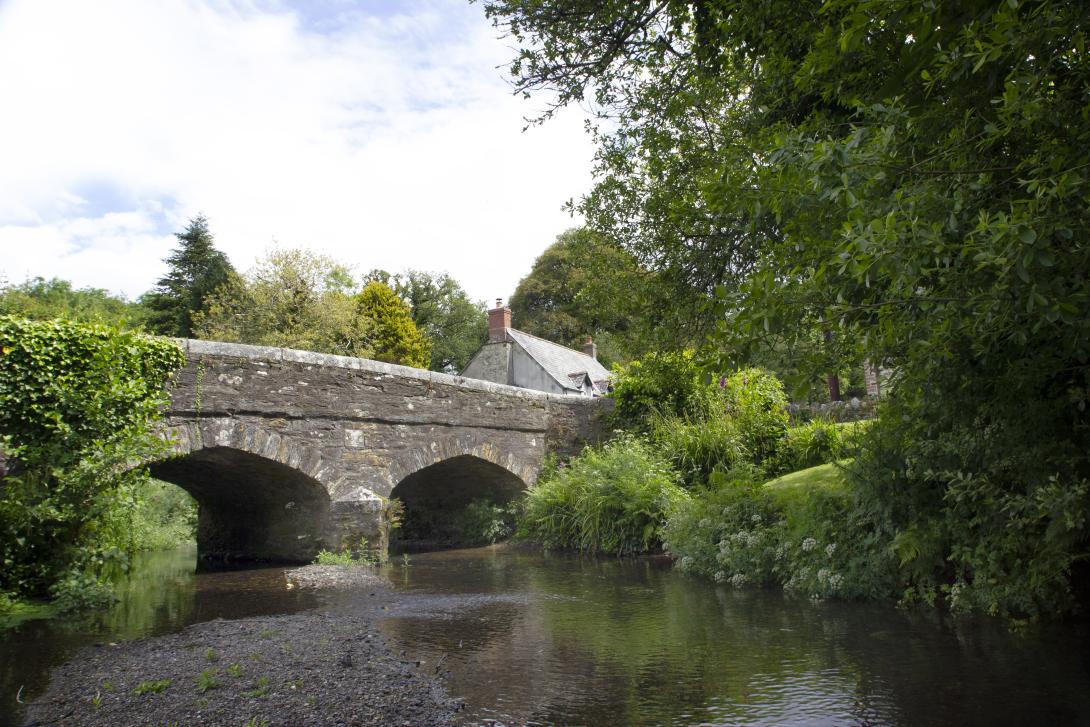
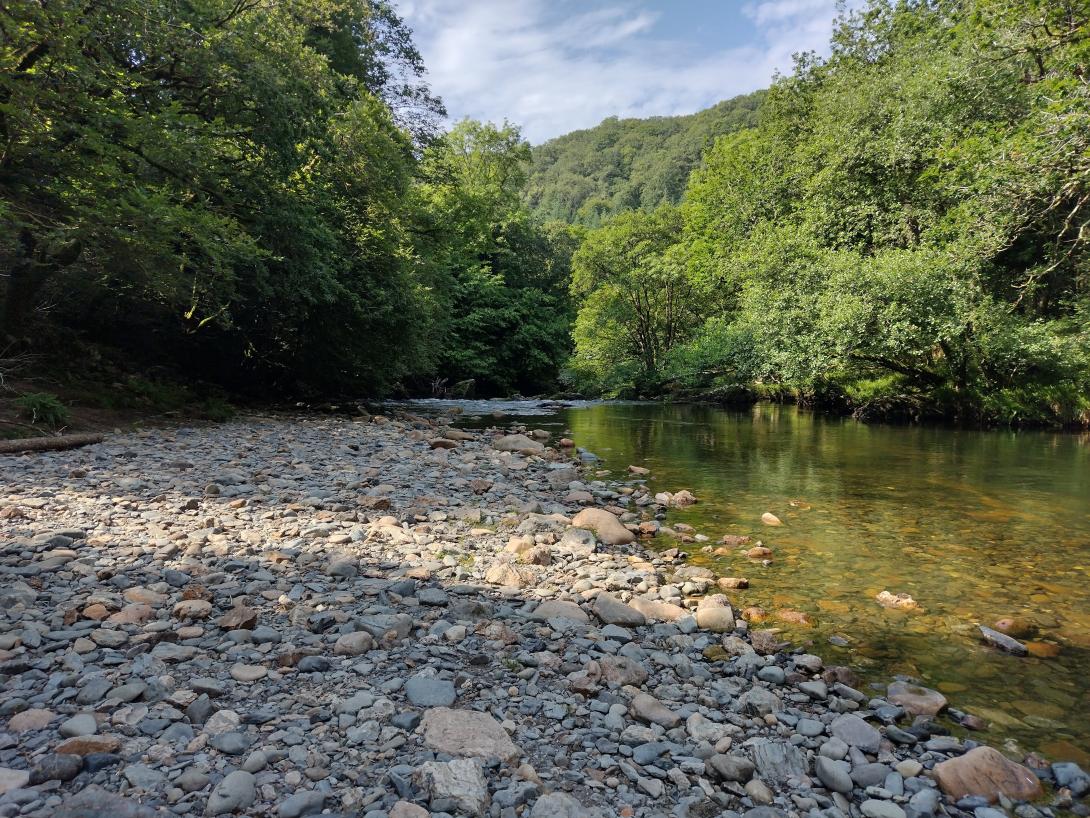
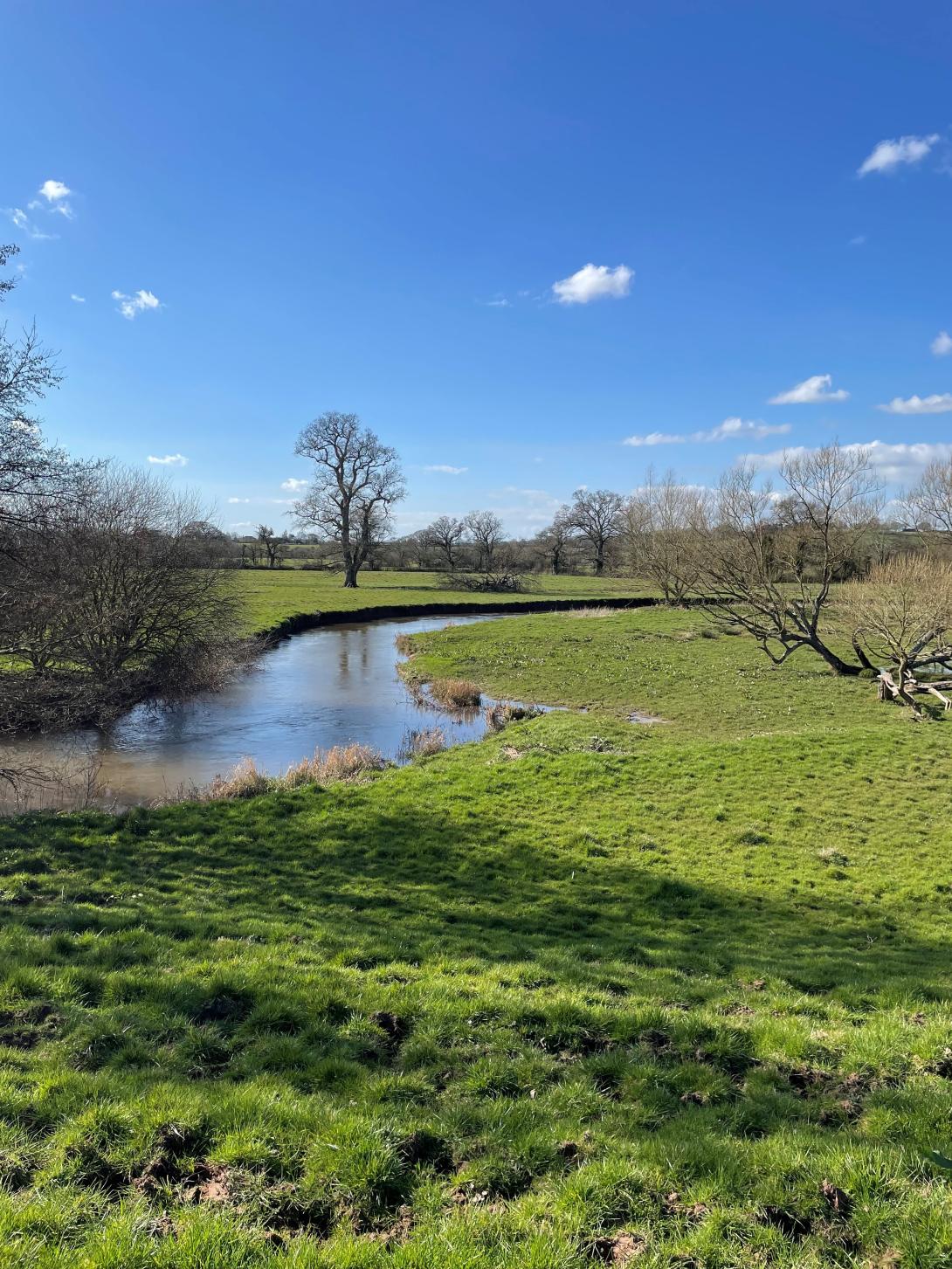
The Westcountry pilot site covers the Western Peninsula of the UK, stretching from Bristol and Wiltshire down to Devon and Cornwall, encompassing an area of approximately 23,000 km², with 4,7 million residents across urban and rural communities.. This region is characterized by a diverse landscape of rivers, estuaries, and coastal zones, with a height range up to 621 meters. The area is home to a mix of urban centers, rural communities, and significant agricultural activity, all of which place varying demands on water resources.
Key features:
Extensive river networks and catchments.
High biodiversity, including protected habitats and bathing waters.
Popular for recreation and tourism, with many designated bathing sites.
Climate variability, with increasing frequency of droughts and floods.
Water supply: Sourced from rivers, reservoirs, and groundwater, managed by South West Water and other utilities.
Bathing water quality: The region boasts some of the best bathing water quality in the UK, with 100% compliance at monitored sites in recent years, up from 29% in the 1990s.
Infrastructure: Ongoing investment in water treatment, leakage reduction, and stormwater management, including new reservoirs and desalination projects.
Main Issues
Water Quality: Pollution from agriculture, urban runoff, and wastewater overflows remains a persistent challenge, especially during heavy rainfall and storm events.
Climate Change: Increased frequency of droughts and floods, impacting water availability and quality.
Catchment Fragmentation: Multiple catchment partnerships and agencies require improved coordination for integrated water management.
Stakeholder Engagement: Ensuring inclusive participation from diverse groups, including underrepresented and rural communities.
Data Gaps: Need for better data on water quality and quantity, especially in smaller catchments.
Governance and Stakeholder Engagement
WestCountry Pilot Site Community : Westcountry Rivers Trust (WRT), South West Water (regional water utility), local authorities, catchment partnerships, environmental NGOs, citizen science groups and local communities
Catchment Partnerships: Uniting catchment partnerships across the Westcountry to foster integrated water management and data sharing.
Community Building: Engaging local communities, farmers, and businesses in water governance through participatory processes and regular stakeholder meetings.
Understanding governance within the network :an objective is to assess the linkages, joint interests and overlaps between the different water sector groups. These have been historically siloed into flooding, drought, water quality and biodiversity.
Citizen Science: Expansion of the Westcountry Citizen Science Investigations (CSI) scheme, empowering volunteers to collect water quality data and monitor river health.
Economic and Digital Tools
Water Governance Diagnostic Tool: Early-stage testing of this tool in the Westcountry to assess governance gaps and support decision-making.
Data Hubs: Development of digital data hubs to centralize water quality and quantity information, including citizen science contributions.
Policy and Infrastructure
Investment in Resilience: Major investments in water infrastructure, including new reservoirs, treatment capacity, and leakage reduction, to ensure long-term water security.
Nature-Based Solutions: Promotion of green infrastructure and catchment-based approaches to reduce pollution and enhance ecosystem services.
Key Results and Achievements
Integrated catchment management is being strengthened through partnerships and data sharing.
Citizen science is central, with thousands of water samples collected by volunteers to inform management.
Ongoing investment in infrastructure and nature-based solutions is enhancing resilience to climate change.
Overall Progress
Westcountry is fully operational as a pilot site, with concrete achievements in governance innovation, citizen engagement, and water quality improvement.
Actions and lessons from the site are informing national and European discussions on sustainable, participatory, and resilient water management, especially in regions facing complex catchment and climate challenges.
Over the last 2 years the main lessons learned from the West Country Pilot Site Community are:
There is no one size or scale for water governance as if you try and accommodate all sectors at all scales the partnership will be too large to be productive and you are unlikely to get attendance as partners tend to want to discuss issues at their scale and interest.
Looking at the network interactions and degrees of closeness between partners, individuals and organisations is critical to ensure good communication but individuals must know they act as the glue between groups.
Governance in the UK is particularly involved in bottom up engagement with a good level of under-represented groups involved but Catchment Partnerships have limited power and agency to act.
Work is needed to improve the governance of the region but tools like the online governance assessment are useful in assessing strengths, weaknesses, opportunities and threats.
There are tools to collate and analyse water quality data from across partnerships but this is challenging and are only as good as the level of updates they receive. Work on low cost methods are needed if there is an absence of significant funding but higher cost models with more powerful analytics should be an ambition.