Publisher
PNR Millevaches en Limousin
Year
2016
Source type
Other
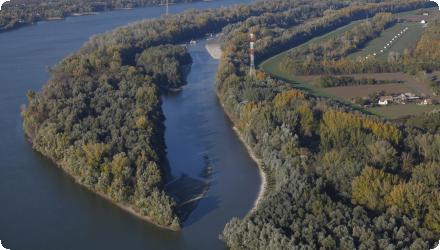
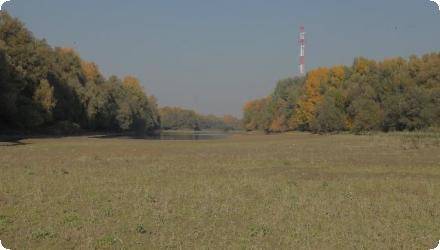
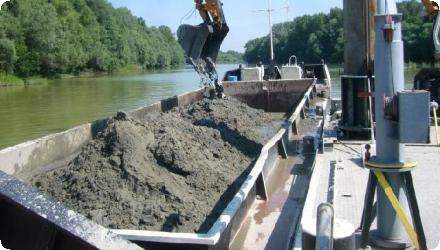
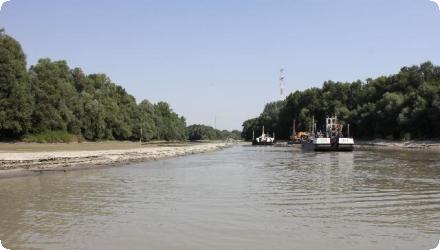

Nature-based solutions aim to help societies address a variety of environmental, social and economic challenges in sustainable ways.
They are actions which are inspired by, supported by or copied from nature.
Some involve using and enhancing existing natural solutions to challenges, while others are exploring more novel solutions, for example mimicking how non-human organisms and communities cope with environmental extremes.
Nature-based solutions use the features and complex system processes of nature, such as its ability to store carbon and regulate water flow, in order to achieve desired outcomes, such as reduced disaster risk, improved human well-being and socially inclusive green growth. Maintaining and enhancing natural capital, therefore, is of crucial importance, as it forms the basis for implementing solutions. These nature-based solutions ideally are energy and resource-efficient, and resilient to change, but to be successful they must be adapted to local conditions.
"Water sensitive driving" requires an awareness of the wet areas (mires, peatlands, etc.) in the landscape and an ability to avoid them while conducting forestry operations. Water sensitive driving is focussed primarily on minimizing water quality impacts of forestry including nutrient leakage and an increased potential for methylmercury formation.