
Photo gallery


Summary
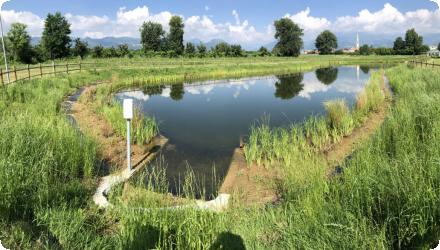
In Veneto, Italy, floods, landslides, and erosion have significantly affected the region. Municipalities face increased flood risks due to rising land consumption, more in northern Italy. Santorso and Marano Vicentino, in Vincenza's north, use sponge measures to counter pluvial flooding and improve rainwater management.
Last update
2026
Photo gallery

Summary
In Veneto, Italy, floods, landslides, and erosion have significantly affected the region. Municipalities face increased flood risks due to rising land consumption, more in northern Italy. Santorso and Marano Vicentino, in Vincenza's north, use sponge measures to counter pluvial flooding and improve rainwater management.
Last update
2026
Photo gallery


Summary
In Veneto (Italy), floods, landslides and erosive phenomena have severely affected the region in recent years. Municipalities are exposed to the risk of flooding. This is exacerbated by increasing land consumption, which is more pronounced in northern Italy than in the rest of the country. For this reason, the municipalities of Santorso and Marano Vicentino (in the northern province of Vincenza) have implemented sponge measures in order to mitigate pluvial flooding and improve rainwater management.
Last update
2026
Photo gallery

Summary
Sponge Scapes case study SI 08
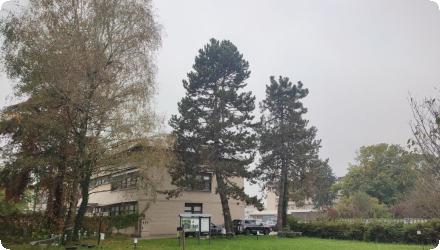
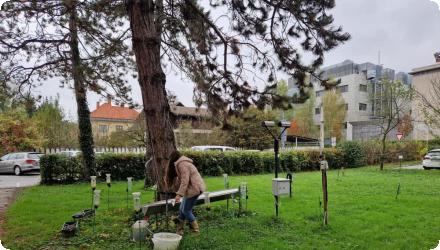
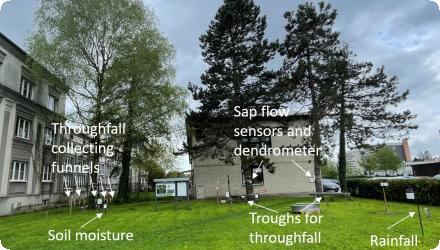
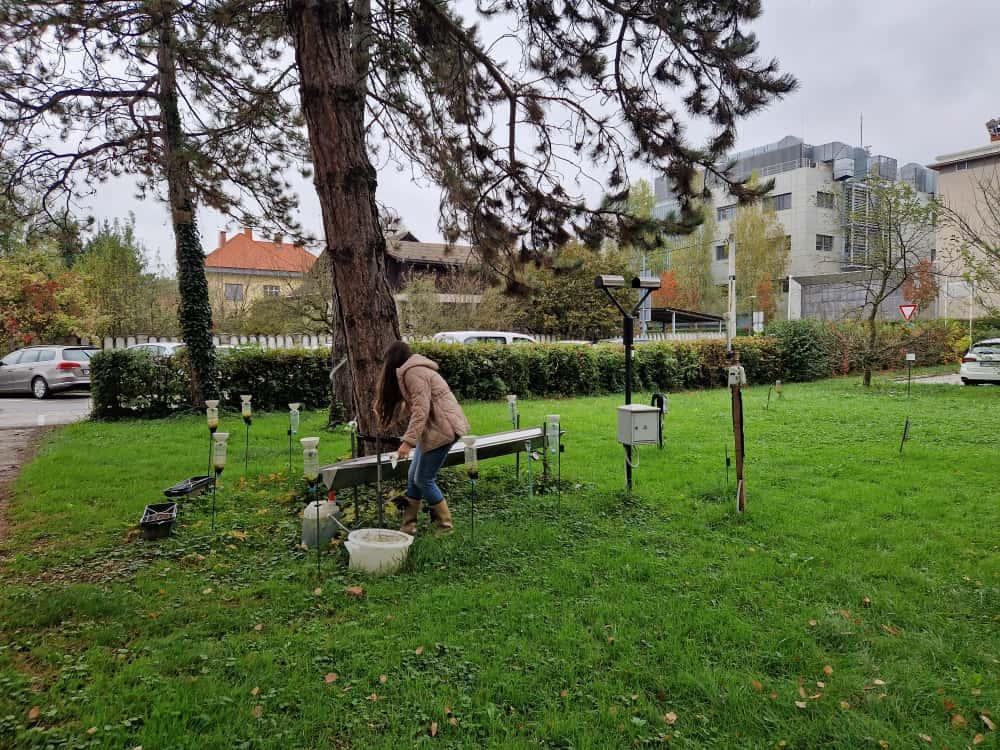
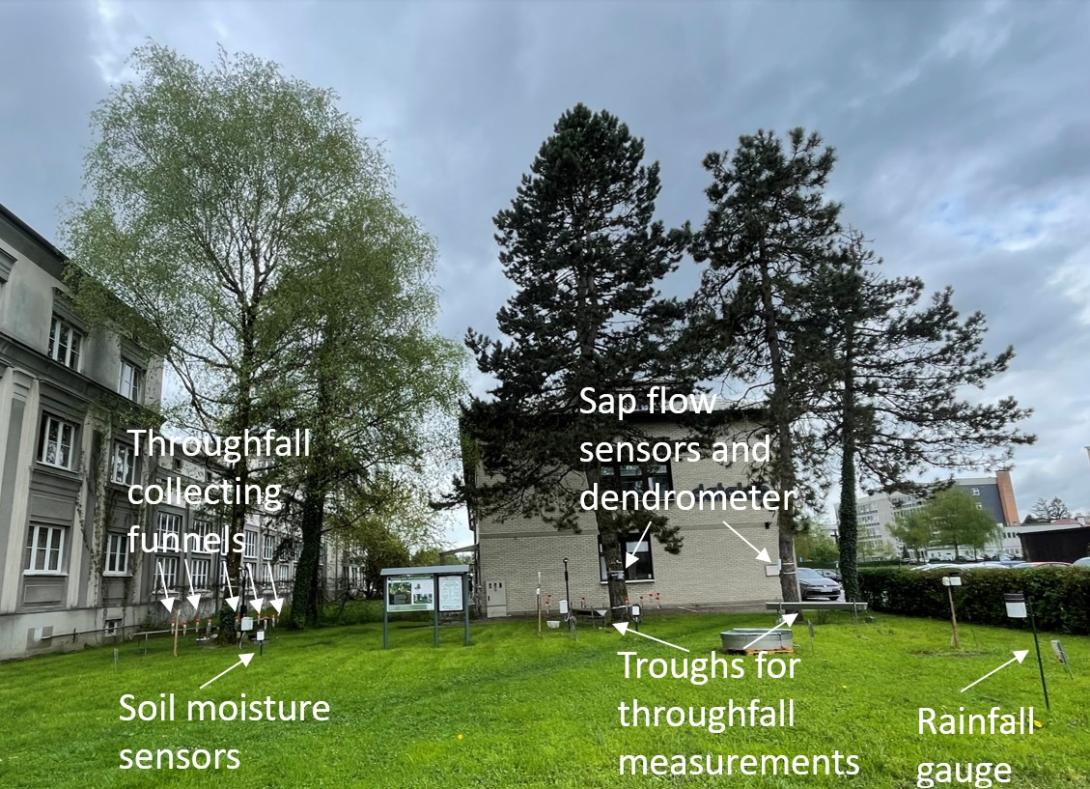
The rainfall partitioning study plot is situated in the city of Ljubljana, Slovenia and is part of the Gradaščica river catchment. The Gradaščica River has typical torrential characteristics in the headwater part of the catchment, which increases the risk of floods in the downstream areas that are populated and urbanized, such as the city of Ljubljana.
This case study research is not only key to evaluating the sponge function of forests but also holds significant interest for local stakeholders and the general population in terms of reducing flood and drought risks, as well as mitigating related issues like soil erosion.
The rainfall partitioning study plot is situated in the city of Ljubljana, Slovenia and is part of the Gradaščica river catchment. The Gradaščica River has typical torrential characteristics in the headwater part of the catchment, which increases the risk of floods in the downstream areas that are populated and urbanized, such as the city of Ljubljana.
This case study research is not only key to evaluating the sponge function of forests but also holds significant interest for local stakeholders and the general population in terms of reducing flood and drought risks, as well as mitigating related issues like soil erosion.
Last update
2026

Definition
Opportunity map (OM) for water retention is a spatial representation of the potential for different types of Sponge Measures/NWRMs to be implemented in a particular area. It can be used to identify areas where water retention measures could be effective. For example, in terms of general enhancement of water retention capacity, reducing flood risk, negative effects of drought, ....