Ongoing

Summary
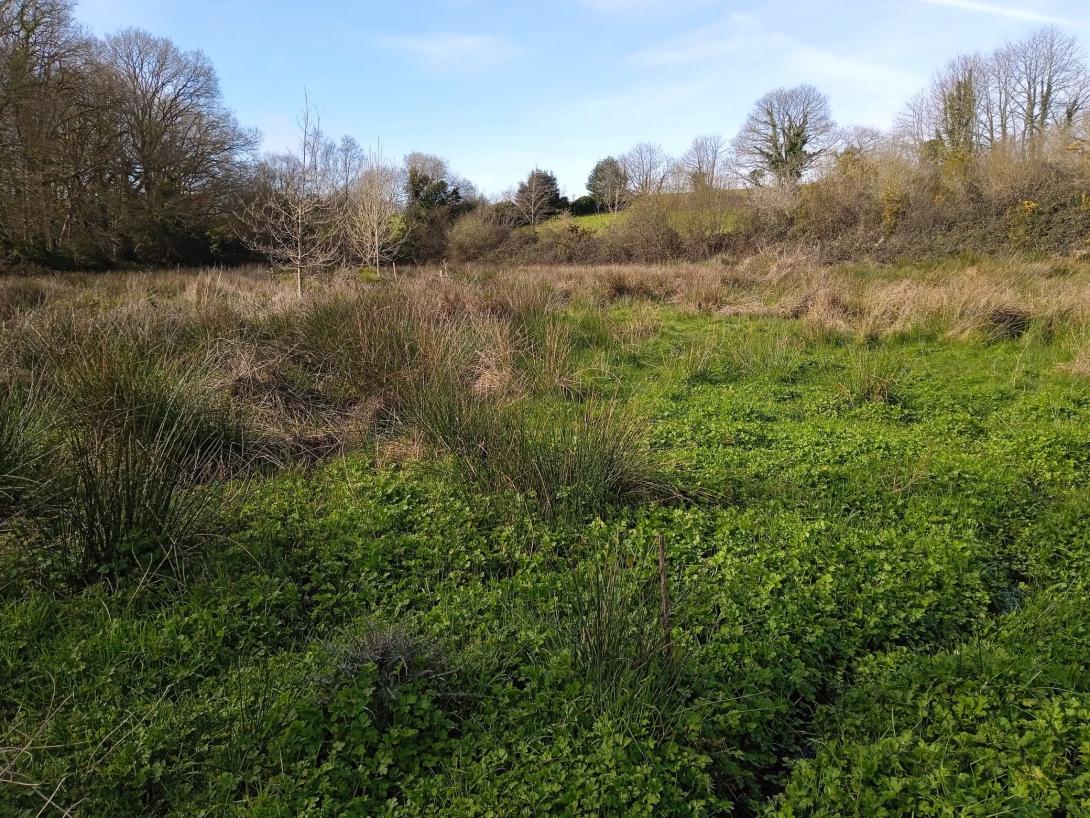
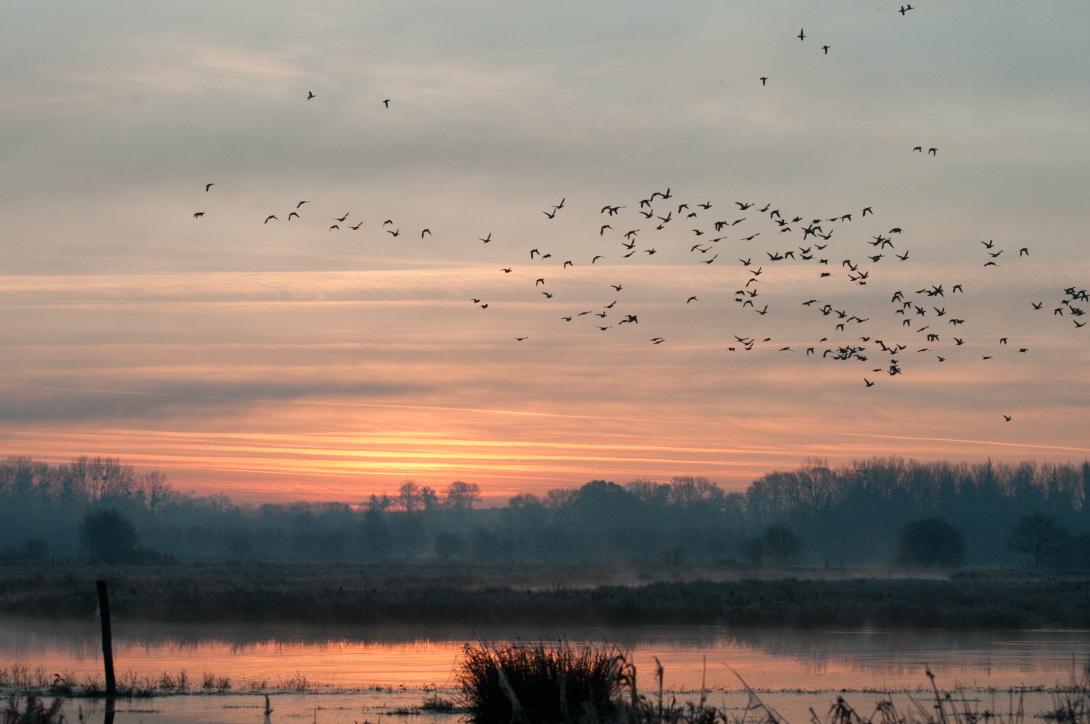
The LIVEDRAVA project, funded by the LIFE programme, transformed 61 ha of former wastewater basins at the Ormož sugar factory into semi-natural wetlands on the Drava River in eastern Slovenia. Since 2017 the site has been legally designated as the Ormož Lagoons Nature Reserve (≈66 ha) and is managed by DOPPS–BirdLife Slovenia under an operational management plan. Management focuses on dynamic water-level control and conservation grazing with water buffalo to maintain open reedbeds and wet meadows. Visitor facilities now include several bird hides built from shipping containers and an educational trail; in 2023 an interpretation centre within the regional “Drava Natura 2000” initiative opened in Ormož. Post-LIFE actions have consolidated the site, including the purchase of adjacent land (1.09 ha) and restoration of additional species-rich grasslands in 2022–2023. The reserve lies within the Mura-Drava-Danube UNESCO Biosphere Reserve and has become an important hub for migratory and breeding wetland species.
Last update
2025
Summary
In the Danube Delta Biosphere Reserve, the ARBDD pursued ecological restoration by reconnecting the former Holbina–Dunavăț fish-farm basins to surrounding wetlands through breaches in the ring dikes, restoring natural hydrological exchange. The 5,630-ha complex was investigated from 1994, with works implemented in 2003–2004, and the project is recorded as complete. Post-restoration monitoring by the Danube Delta National Institute (2016–2017) in the Holbina 1 sector reported 25 fish species and a natural fish productivity of ~159 kg/ha/yr, indicating recovery of aquatic habitats. Today these areas are administered within the Biosphere Reserve and continue to appear in ARBDD annual activity reports (e.g., Holbina I, Holbina II, Dunavăț III). Socio-economic use has shifted towards regulated ecotourism and catch-and-release recreational fishing (e.g., Holbina – 3 Bibani), alongside traditional activities. Overall, the project has re-established wetland habitats, breeding grounds for fish and waterbird, and a sustainable local economy based on nature-compatible use.
Last update
2025
Summary
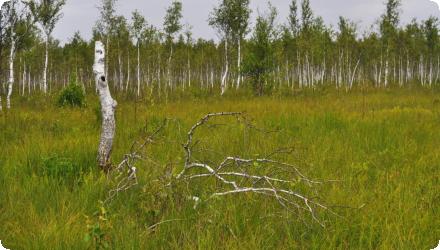
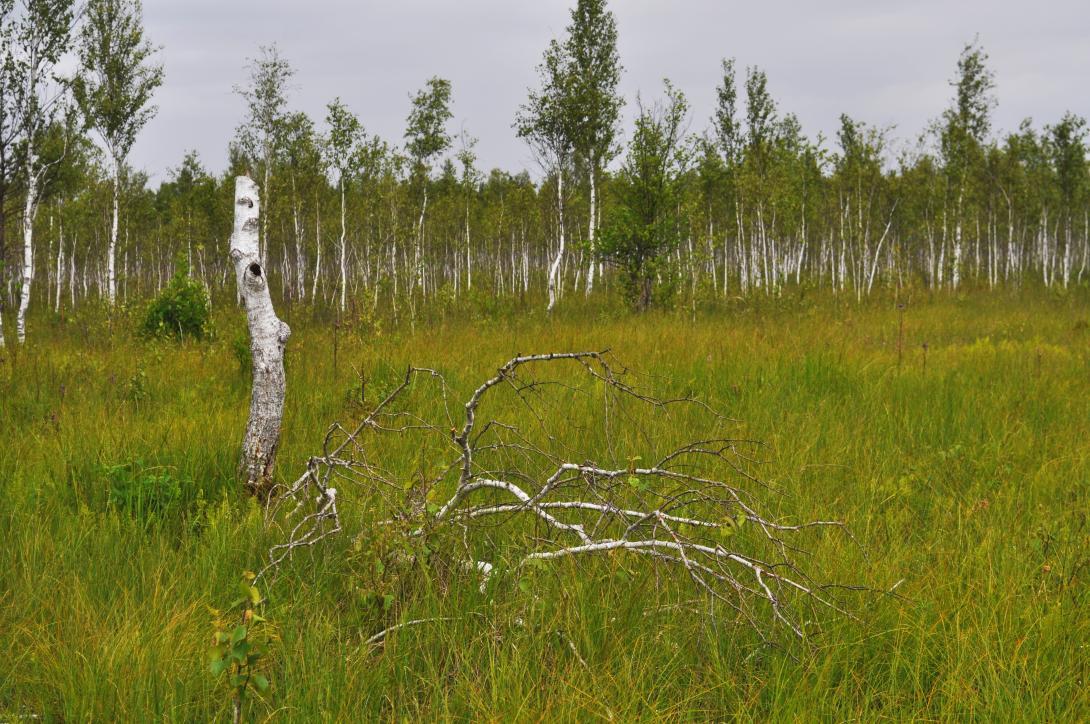
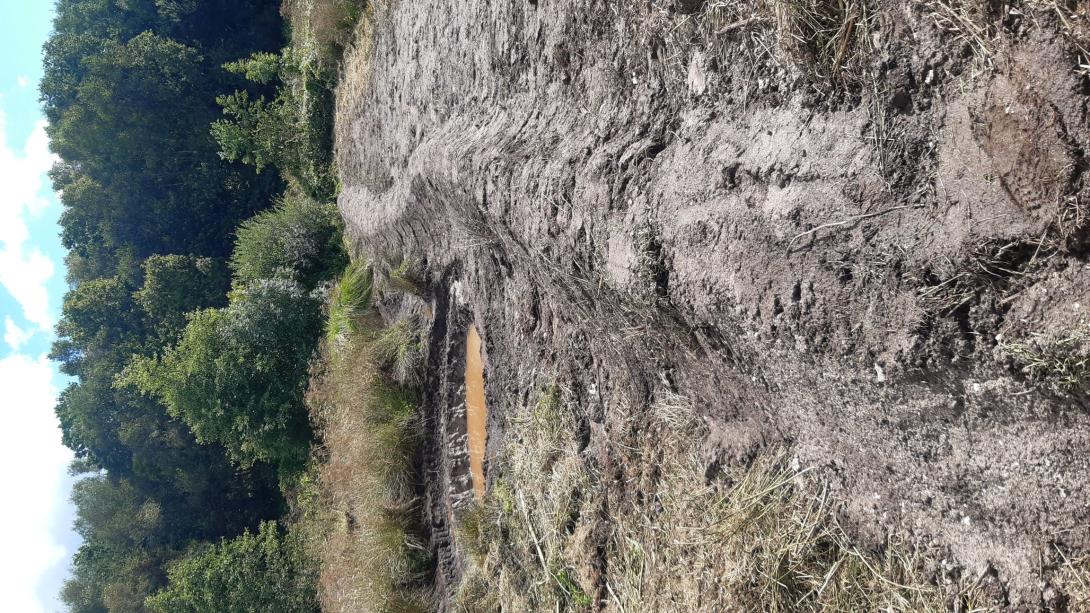
Soumarský Most (Šumava NP) is a raised bog once almost destroyed by industrial peat mining. In 2004, the park and local authorities restored the site with national funding, re-establishing wetland and peat-forming vegetation and improving the water regime; hydrology and vegetation were monitored from 2000–2011. Soumarský Most is the first former industrial restored bog in the Sumava region. Since then, outcomes are visible on the ground: a 1.5-km nature trail opened in 2012 to interpret the restoration, and in 2022 the boardwalk had to be rebuilt as groundwater has steadily risen for nearly two decades : evidence the rewetting is functioning. In June 2025 the wooden lookout tower was closed for safety and is being redesigned; the trail remains open. Biodiversity has responded: 371 moth and butterfly species were documented in 2011–2016, including bog specialists recolonising from nearby peatlands. Community involvement continues, e.g., volunteers built peat dams on drainage channels in 2019 to further raise water levels. Overall, Soumarský Most shows lasting hydrological recovery and conservation benefits following peatland restoration.
Last update
2025
Summary
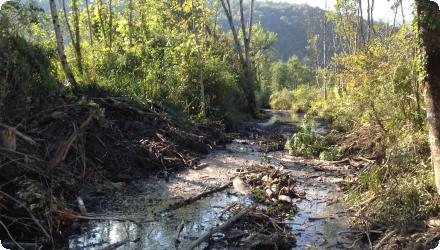
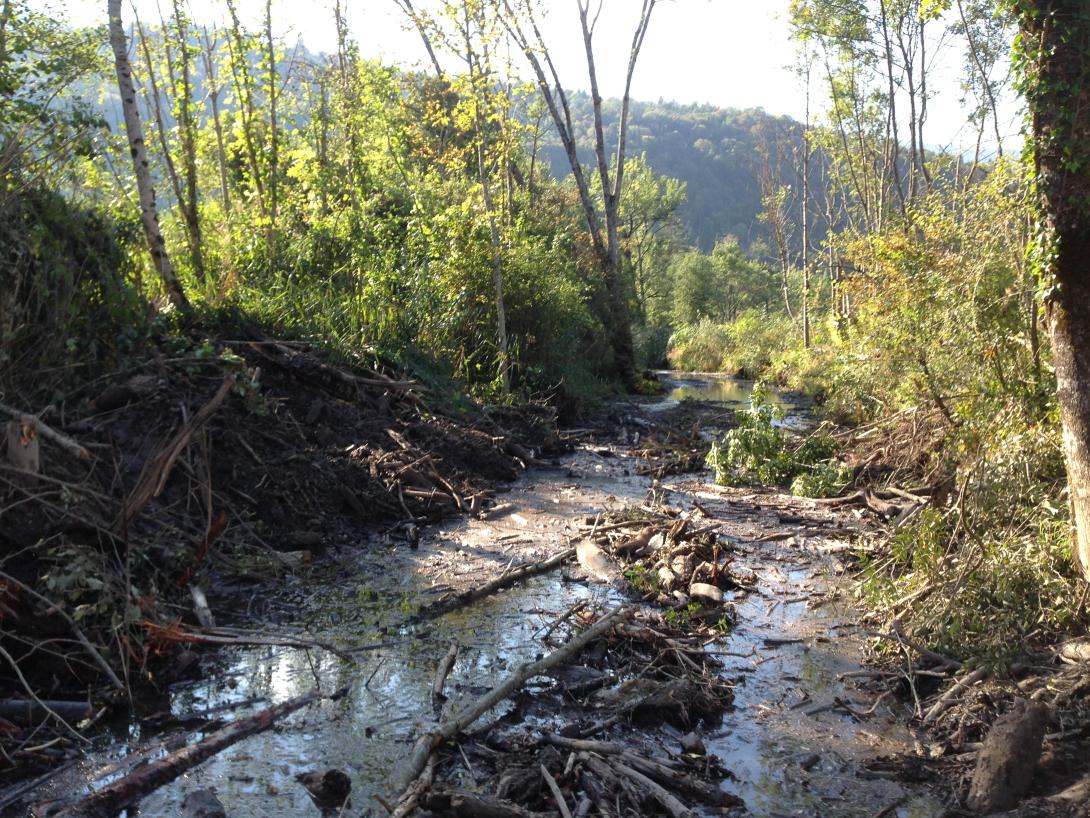
WETREST (LIFE05 NAT/SK/000112) in the Záhorie Lowland (western Slovakia) focused on wetland restoration and public awareness, funded by the LIFE programme together with the Ministry of Environment. Implemented by the State Nature Conservancy with SVP and BROZ (2005–2008), it improved hydrology across eight Natura 2000 sites. A fish pass was built on the Rudava at Veľké Leváre to re-establish fish migration.
Since then, restoration has continued: in 2022 BROZ and partners re-naturalised ~2.2 km of the lower Rudava near Veľké Leváre under the Interreg Alpine–Carpathian River Corridor, removing concrete lining and re-meandering the channel; the river became ~180 m longer, with works completed on 22 Sept 2022.
New actions under LIFE-IP Natura 2000 SK (2024–2025) will block ~10 km of drainage ditches with 366 small dams, create ~10 ha of wetlands, and repair two sluices in the Rudava and Kaltenbruk sites to retain water and support priority species. Complementary efforts in the Morava floodplain near Malé Leváre (2022–2024), led by Green Foundation with BROZ and NINA, targeted the restoration of at least 210,000 m² of degraded wetlands and awareness-raising.
Last update
2025
Summary
Domestic rainwater harvesting in Malta is the long-running Alter Aqua programme. Launched in 2011 in Gozo by GWP-Med with national partners, Alter Aqua installed and reinstated RWH in public buildings - first four Gozo schools for toilet flushing, plus additional school and farm systems - and a greywater unit at Gozo Stadium; it then expanded to Malta. By late 2024 the programme restored historic cisterns (e.g., Birgu) and launched a Reservoir Trail. In 2025 the new “Alter Aqua RECAP” phase adds a focus on domestic greywater recycling. EWA reports the programme now replenishes ~20 million L/year.
Malta’s policy context is distinctive: all buildings must incorporate a rainwater cistern, with sizing/drainage rules in Technical Document F; the 2024 Green Stormwater Infrastructure Manual links building guidance to practical use. A national Domestic Cisterns Restoration Scheme administered by the regulator (REWS) supports household upgrades and has been extended to 31 Dec 2025.
Overall, Malta pairs a deep cistern heritage with modern retrofits, incentives and education ; making RWH effective for non-potable uses and strengthening water resilience on a scarce island setting.
Last update
2025
Summary
DANUBE FORESTS, coordinated by BROZ and funded by the LIFE programme, preserves the remaining floodplain forests of the Slovak Danube inland delta and introduces sound, sustainable forest management. Since then, a wider EU-LIFE effort has reconnected side-arms and restored wetlands while agreeing a new operational water regime: over 75 ha of wetlands and 18.5 km of tributaries have been brought back to life, supported by an operational manual that integrates Natura 2000 needs into water-management decisions.

Controlled “simulated floods” are now released via the Dobrohošť inlet, with flows up to 120 m³/s tested in 2023 and implemented again in spring 2024 to refresh the inland delta. In 2024 the Vojčianske side arm was reopened and in 2025 the Foki arm in the old Danube bed was restored, improving connectivity, habitats and local water retention. Further actions continue under Dynamic LIFE Lines Danube (AT–SK) and LIFE RESISTANCE, which also tackles invasive plants. Several areas proposed by DANUBE FORESTS have since been formally protected (e.g., Foráš PR, Pečniansky les protected area, Ostrovné lúčky).
Last update
2025
Summary
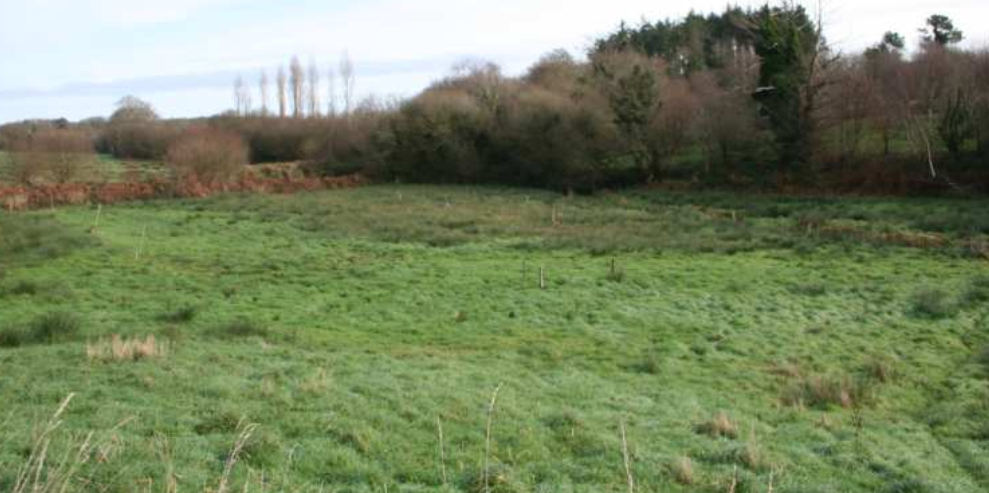
The Babina polder (~2,100 ha) was reconnected to the Danube in 1994, with recovery monitored by the Danube Delta National Institute. Within a few years, site-specific biodiversity redeveloped and ecosystem services such as nutrient retention and fish recruitment became evident; the reopened polder also supports reed harvesting, grazing, fishing and ecotourism.
Recent evidence shows how the system has evolved after three decades: remote-sensing analysis in the Matița–Merhei complex (including Babina Lake) detected a decline in open-water area between 2006 and 2018 (−13.4% at Babina) alongside expansion of aquatic vegetation, indicating sedimentation and succession.
In 2022, the reserve authority and DDNI implemented dredging of key links (Babina–Matița and Babina South–Ocolitor Pardina) to improve hydraulic connectivity.
Ongoing biological monitoring includes fish surveys that sampled Babina and Merhei lakes in 2016, underscoring the role of the restored complex for recruitment and fisheries.
Overall, Babina remains a flagship deltaic restoration now managed adaptively to sustain connectivity and habitat mosaics.
Last update
2025
Summary
Since 1992, the city of Heilbronn (Germany) has implemented a field margin programme to reduce erosion, improve water infiltration, and promote biodiversity in the agricultural landscape. Farmers receive compensation for yield losses and maintenance work. The programme includes various strip types, such as grasslands, hedgerows, and orchard rows, planned according to local soil and biodiversity maps. Recent efforts highlight synergies with education (school orchards), pollinator protection, and landscape aesthetics. The initiative is embedded in the city’s ecological corridor strategy and contributes to soil, water, and habitat conservation.

So far, it has been found that the field margins have a significant positive impact on soil erosion and species composition. The partridge protection strips in particular have had a positive effect on the partridge population.

The project has grown over the last 30 years in terms of area and number of contractual partners. Although some contractual partners withdrew a few years ago, the area has not changed significantly. New applications for new areas are still recieved.
Last update
2025
Summary
The initiative is aimed at the recovering and maintenance of a cultural and historical heritage with the promotion of new agricultural activities (not necessarily for economic purposes). A large part of terraces are no longer used today, as landowners either emigrated or are too old to take care of them. As a consequence, these terraces are increasingly degraded. The Committee "Adotta un terrazzamento" (Adopt a Terrace) acts as a mediator among landowners and people interested in "adopting" a terrace": with a contribution of 10 euros, any private citizen can be assigned a terraced plot to establish a vegetable garden. In exchange, the private citizen commits to restore and take care of the terrace at his/her disposal. The recovery of the terraces permits the valorization of the local resources, combining social/economic aims with the need to safeguard infrastructures that prevent hydro-geological instability.
Last update
2025
Summary
The Exmoor Mires project is part of a wider Upstream Thinking programme initiated by the local water company South West Water (SWW) to use land management to tackle problems of water quality and quantity across South-west England. The benefit to SWW is in potentially reducing the costs of water treatment. Demonstration of success will allow SWW to approach the regulator (OFWAT) for permission to develop PES schemes to deliver these benefits in future. The Exmoor Mires project involves peatland restoration through blocking historic drainage ditches with a target of restoring 2000 ha by 2015. The primary benefits of the project have been to reduce runoff (32%) and increase water storage (additional 364 m3/ha). The success of the project has been aided by the land ownership and public engagement by the Exmoor National Park Authority and support from other public agencies and research from universities.
Last update
2025