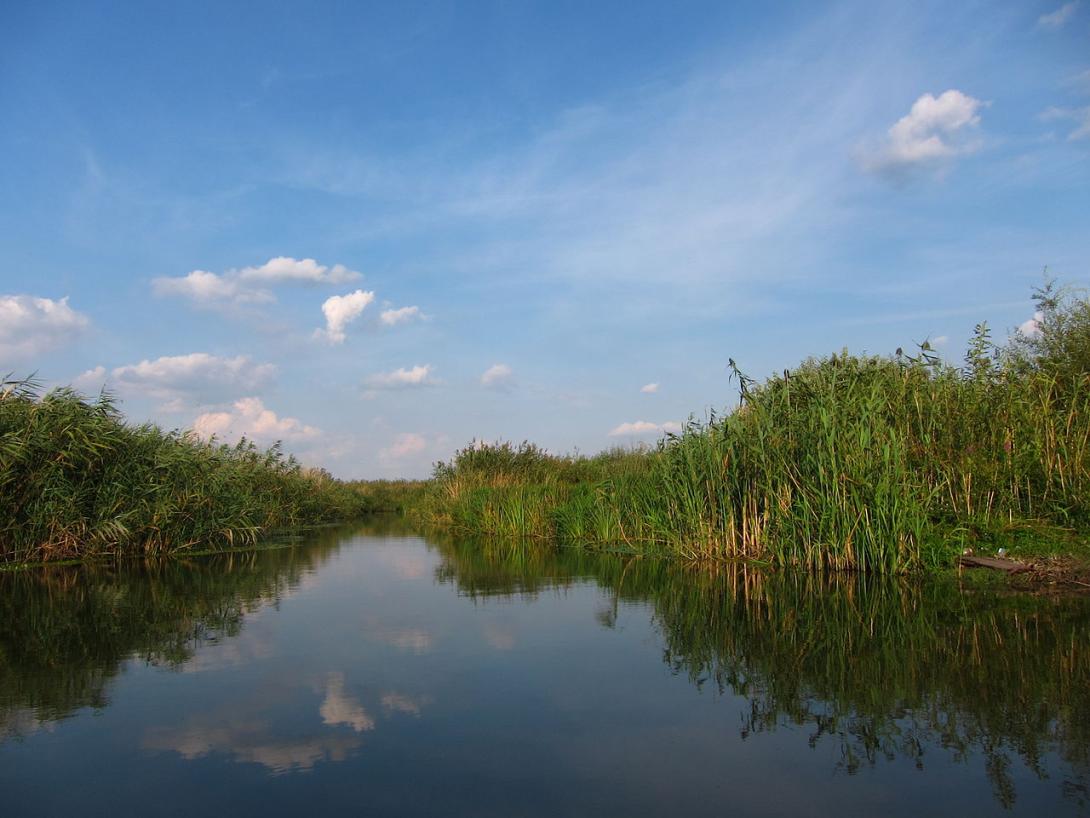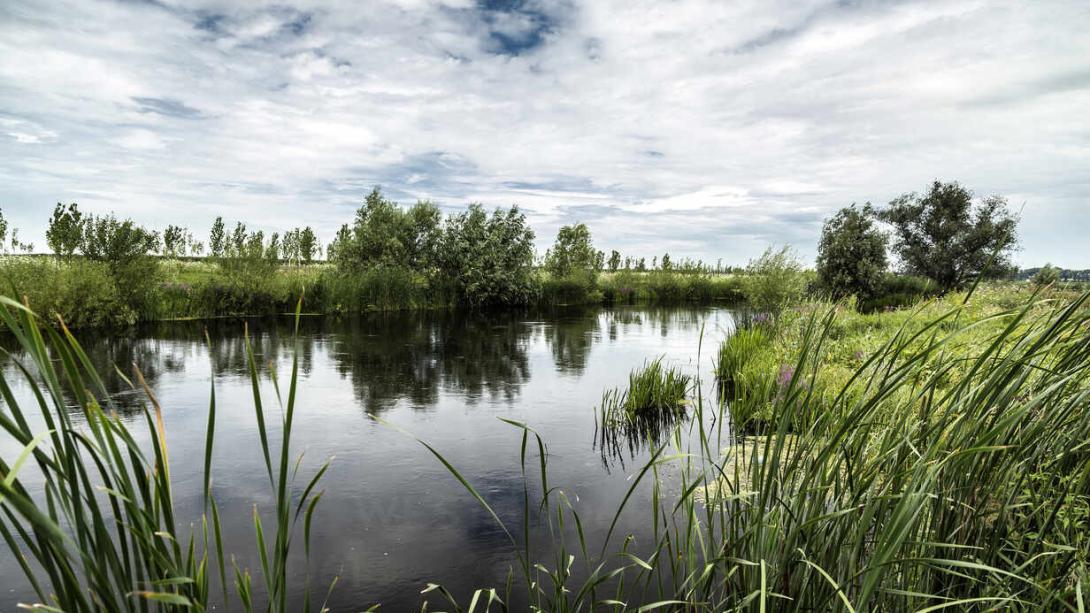
Photo gallery
Summary
The restoration of the Kuresoo bog aimed to re-establish the natural water regime and typical bog vegetation in a severely drained area within Soomaa National Park, Estonia. Restoration was implemented on a pilot area of approximately 60 ha, where ditches were blocked with peat dams, brushwood and plastic piling. The area had been drained in the 1950s for peat extraction and forestry, resulting in significant degradation of the bog ecosystem.
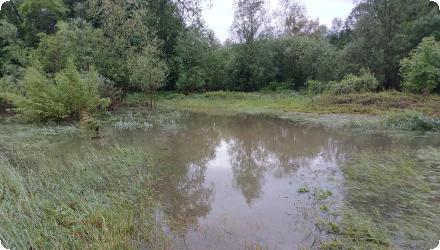
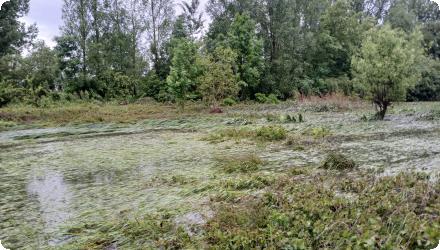
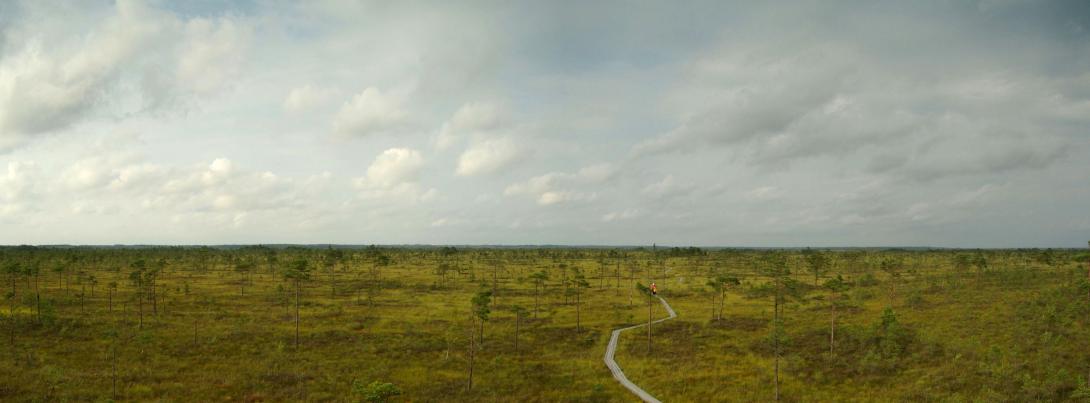
Monitoring indicates that water levels have been successfully raised, resulting in the development of typical bog vegetation such as sparse pine cover and Sphagnum moss. These changes help reduce carbon emissions from the formerly degraded peat soil and support biodiversity conservation.
Recent sources confirm that over 1,000 dams were built across ~3,000 ha of degraded peatlands at Kuresoo as part of broader national efforts under the LIFE Mires Estonia project (2015–2021). Restoration planning employed drone-based LiDAR surveys and hydrological modelling, while fieldwork included local volunteers and national institutions. Long-term monitoring confirms a stable rise in water levels, recovery of bog vegetation, and return of protected bird species. Some initial restoration structures required corrective work to improve hydrological effectiveness.
As of 2023, the Kuresoo bog restoration is recognized as a national best practice example and has contributed significantly to Estonia’s peatland restoration targets, particularly within Natura 2000 habitats. The site continues to be managed by RMK, with ecological monitoring by the University of Tartu and ELF.
Monitoring indicates that water levels have been successfully raised, resulting in the development of typical bog vegetation such as sparse pine cover and Sphagnum moss. These changes help reduce carbon emissions from the formerly degraded peat soil and support biodiversity conservation.
Recent sources confirm that over 1,000 dams were built across ~3,000 ha of degraded peatlands at Kuresoo as part of broader national efforts under the LIFE Mires Estonia project (2015–2021). Restoration planning employed drone-based LiDAR surveys and hydrological modelling, while fieldwork included local volunteers and national institutions. Long-term monitoring confirms a stable rise in water levels, recovery of bog vegetation, and return of protected bird species. Some initial restoration structures required corrective work to improve hydrological effectiveness.
As of 2023, the Kuresoo bog restoration is recognized as a national best practice example and has contributed significantly to Estonia’s peatland restoration targets, particularly within Natura 2000 habitats. The site continues to be managed by RMK, with ecological monitoring by the University of Tartu and ELF.
Last update
2025