Completed

Summary
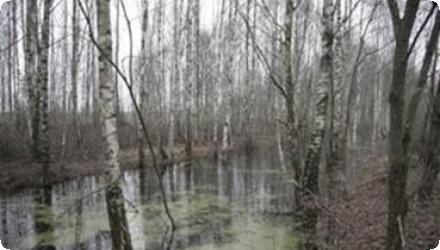
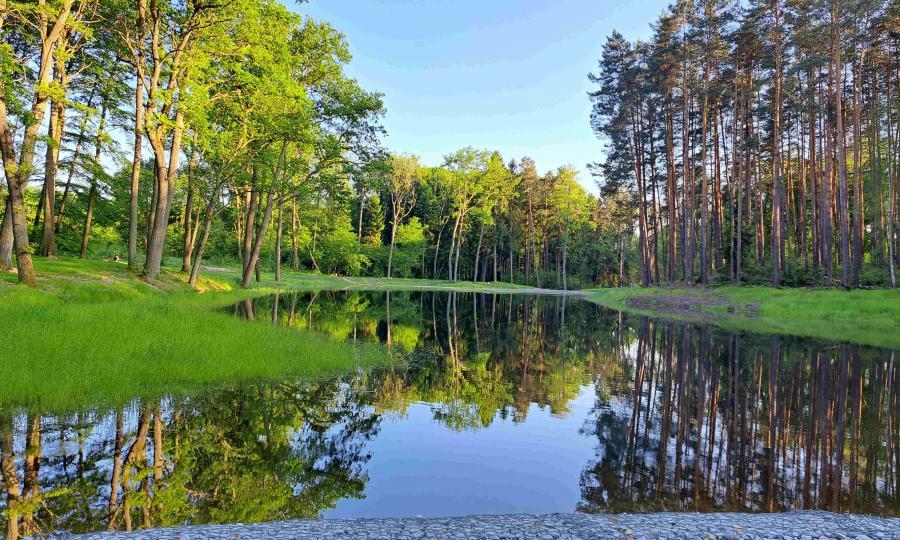
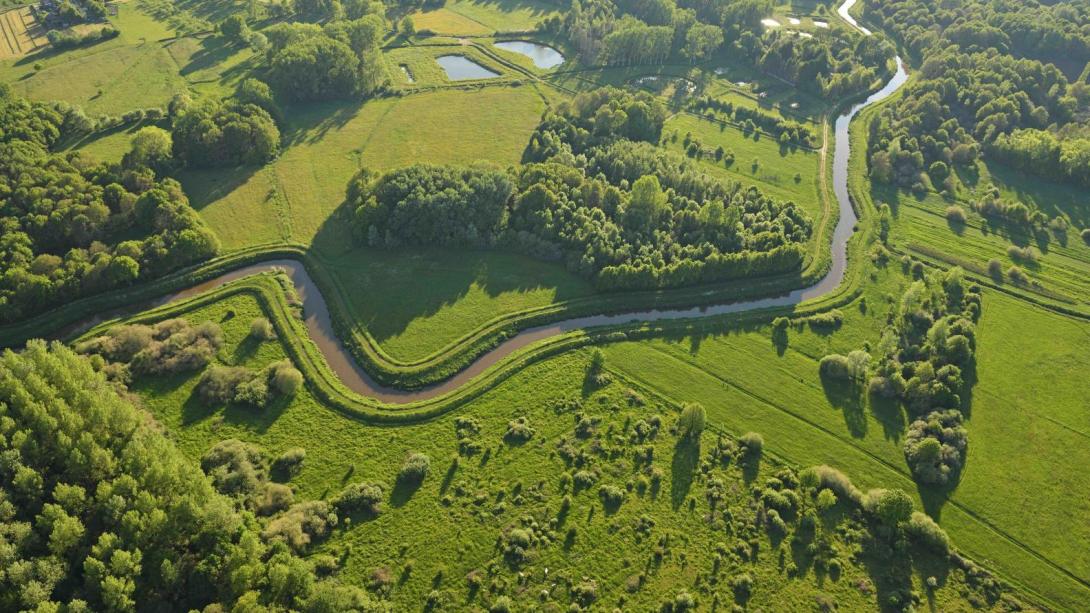
This scheme is part of the long-term SigmaPlan in Flanders, designed to increase flood storage in the Scheldt catchment while restoring natural habitats. On the Grote Nete, the project reconnects the river with its floodplain, previously cut off by dykes. In the middle reach, controlled flood storage areas (GOGs) are being developed, while in the upper and lower reaches free connections are restored, creating opportunities for wetlands, grasslands, and riparian forests.

Since 2015, planning has advanced through a spatial implementation plan (GRUP) and a subdivision into three sub-areas: Zammelsbroek, Tussen Hellebrug en Herenbossen, and Ter Borght–De Merode. Works are ongoing in Zammelsbroek and Hellebrug–Herenbossen, with dike modifications, creation of winter beds, reconnection of tributaries, and restoration of wetlands. The Ter Borght–De Merode section is progressing administratively, with environmental procedures under way. By 2024–2025, public information points and guided visits confirmed the transition to implementation on site.

The project is managed by De Vlaamse Waterweg nv and the Agency for Nature and Forest (ANB), within the broader valley programme “Het Grote Net(e)werk” led by the Province of Antwerp. This coalition aligns flood protection, water quality, and ecological objectives across about 900 ha along 30 km of river. Funding is supported by the SigmaPlan and the Flemish Blue Deal (2025–2029). Implementation requires addressing sediment and water quality constraints but is expected to deliver multiple benefits: improved flood safety, reconnected habitats, and increased resilience of the Grote Nete valley.
Last update
2025
Summary
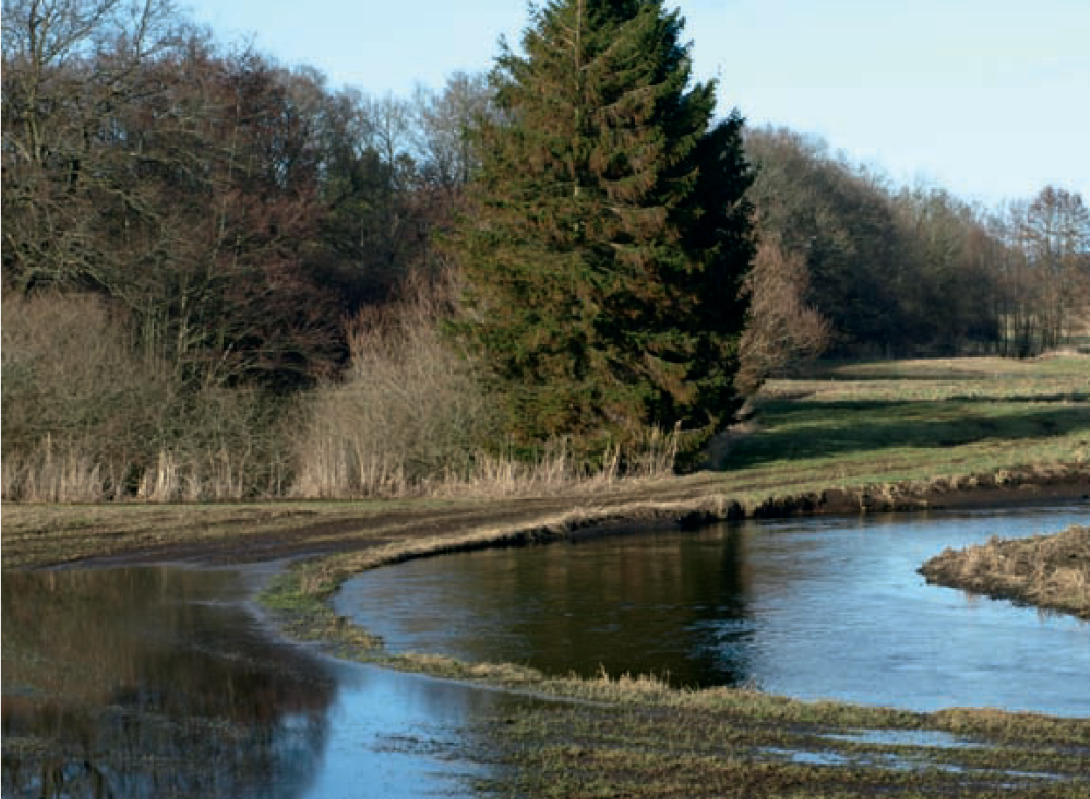
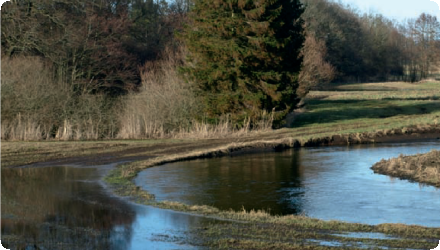
The Odense is a river in southern Denmark. It was channelized and deepened in the late 1940s to improve agriculture. The NWRM consists of a series of measures to restore floodplain connectivity along a 17 km section of the river. The measures will prevent flooding in downstream towns and cities. This will have a number of effects on the pressures relevant for the WFD. Reduced risk for flooding of urban environment reduces the risk for storm overflows from sewers as well as diffuse pollution resulting from flooding in general. Re-meandering reduces the pressure from previous physical alterations for flood protection and agricultural purposes. It will also potentially have a positive effect on ground water recharge in temporarily flooded areas.

Since 2004, ~12 km of Odense River have been remeandered and 350 ha of wetlands restored under LIFE REGAIN. Recent actions include removal of migration barriers, and mussel habitat restoration.

In 2024, two artificial stone reefs (4500 tonnes) were established in Odense Fjord to enhance marine biodiversity. The project was led by SDU in partnership with Odense and Nordfyn municipalities and Aage V. Jensen Naturfond. The reefs aim to improve conditions for fish fry, seagrass, and aquatic invertebrates, and contribute to the ecological recovery of the fjord.
Last update
2025
Summary
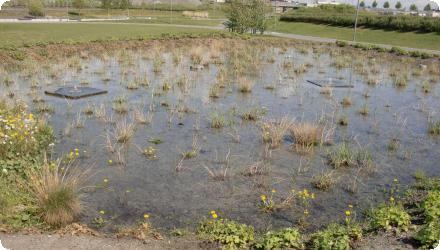
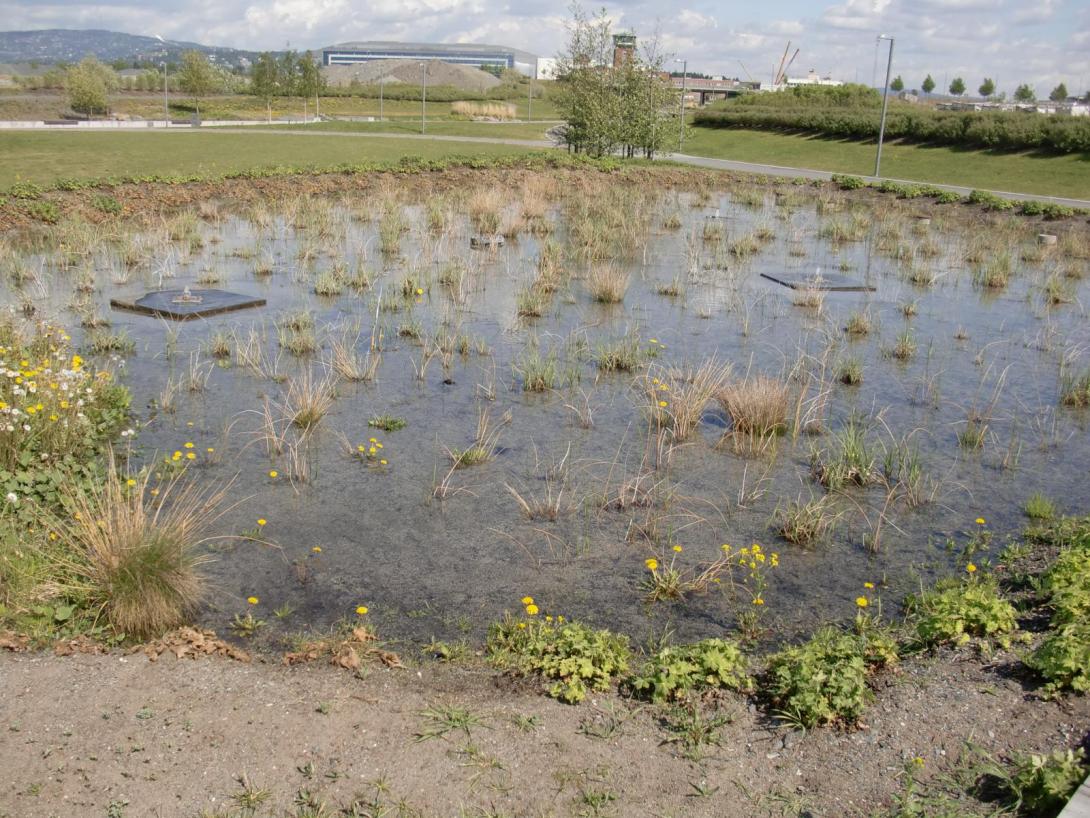
Fornebu is a brownfield development project with a focus on sustainable stormwater management and green infrastructure. The transformation of Fornebu, a decommissioned airport near Oslo, into a resilient, multifunctional urban landscape exemplifies nature-based stormwater management. Originally abandoned in 1998, the 340 ha brownfield site was redeveloped into a mixed residential and industrial area where stormwater systems were designed not as hidden infrastructure, but as visible, ecological assets. Swales, filter strips, permeable surfaces, detention basins and retention ponds were implemented to handle runoff and purify water, replacing conventional pipe networks. These measures were led and financed by Statsbygg (the Norwegian Directorate of Public Construction and Property), in collaboration with the City of Oslo, Bærum Municipality, and design input from Bjørbekk & Lindheim AS, supported by research from Interconsult ASA and Aalborg University.
From inception, the project aimed to enhance recreational and ecological values while ensuring cost-effective water management. Retention structures were sized to cope with flows from 1‑ to 20‑year return period storms, and water quality improvements were significant—modelled reductions of suspended solids (up to 90 %), phosphorus (≈ 65 %), copper (≈ 65 %), zinc (≈ 45 %) and nitrogen (≈ 40 %) were achieved.
Today, the Fornebu stormwater system is considered complete and serves as a meso‑scale model of blue‑green infrastructure integration, combining flood protection, water purification, biodiversity enhancement, recreational space and urban development stimulus. Its notable legacy is the shift from traditional stormwater management toward multifunctional, visible, sustainable urban design, resilient in the face of climate change and rooted in cross‑government collaboration.
Last update
2025
Summary
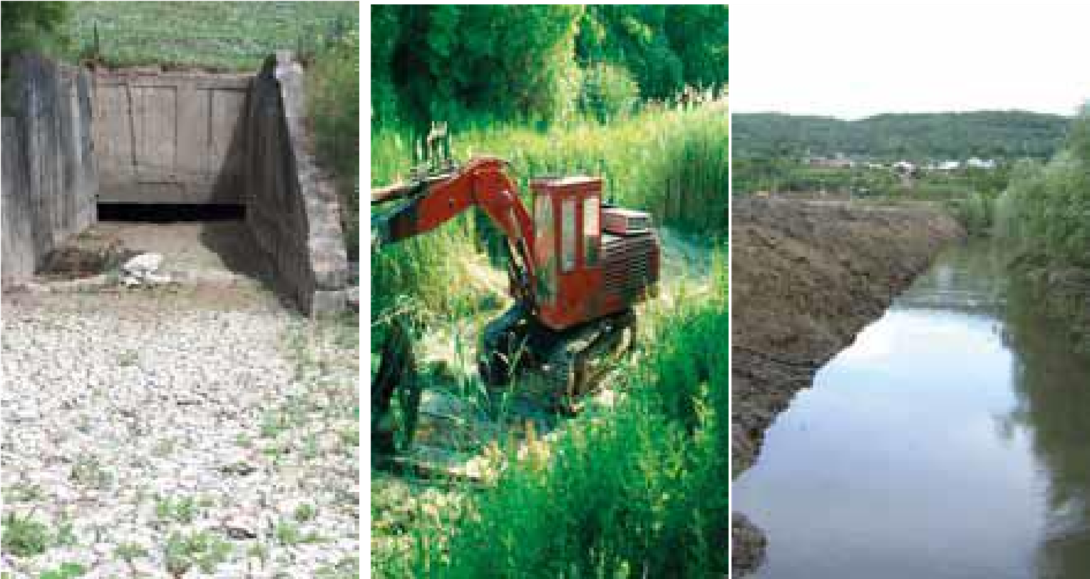
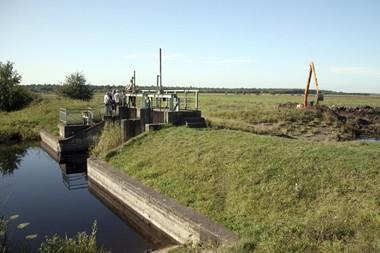
The short term project objectives were to create 250 ha of wetland by raising the water level of the embanked area with a regulating water outlet structure, creation of a variety of habitats -from dry land to spots with deep water- by digging and opening up of old river meanders that had been filled up.
The project is a good experience in the field of ecological restoration, involving purchase of land, participatory planning and co-operation with other organizations, including NGO’s.
The project also had long term objectives related to the creation of a network of wetlands, integration and nature and water policies, the implementation of European directives and the strengthening environmental NGOs and education. The project was implemented by a Romanian regional water authority with the support of Dutch partners.
The Ciobarciu project was evaluated at the end of the project by the project team and by a Romanian University, who interviewed 55 inhabitants of villages where the (previous) owners lived. After a period of five years, the project was evaluated again.
Last update
2025
Summary
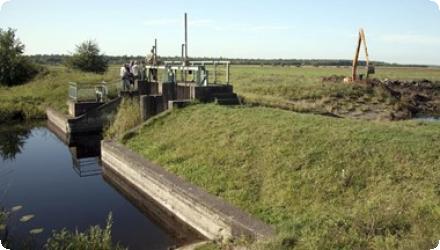
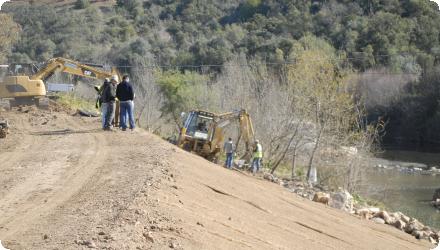
The WETLIFE project (2009–2012) in Amalva and Žuvintas mires sought to reverse negative changes by restoring hydrology (converting sluices to spillways, raising embankments, renovating the Amalva polder pump, blocking drainage) and by encouraging more sustainable peatland farming. It also aimed to raise awareness and provide a replicable model.
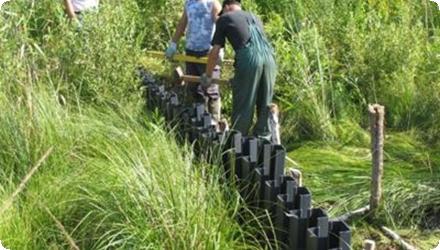
Since then, restoration has been expanded under LIFE WETLIFE 2 (2014–2018), which upgraded about 6.6 km of embankments, added spillways and a dam on the perimeter ditch, blocked underground drains and removed encroaching trees, with the goal of re-establishing “active raised bog” over ~775 ha in central and southern Amalva. Further rewetting (2019–2022, LIFE Peat Restore) targeted ~215 ha in southern Amalva with 28 retention structures across nine main ditches, four low berms with overflow crests, removal of woody growth and additional drain decommissioning.
Today the reserve operates long-term monitoring (2023–2033) of water levels and quality, while catchment management remains important due to pulsed discharges from the Simnas fishpond system that can affect Žuvintas Lake. Public access has been improved with a short boardwalk and viewing platform (2018), reinforcing outreach and stewardship.
Last update
2025
Summary
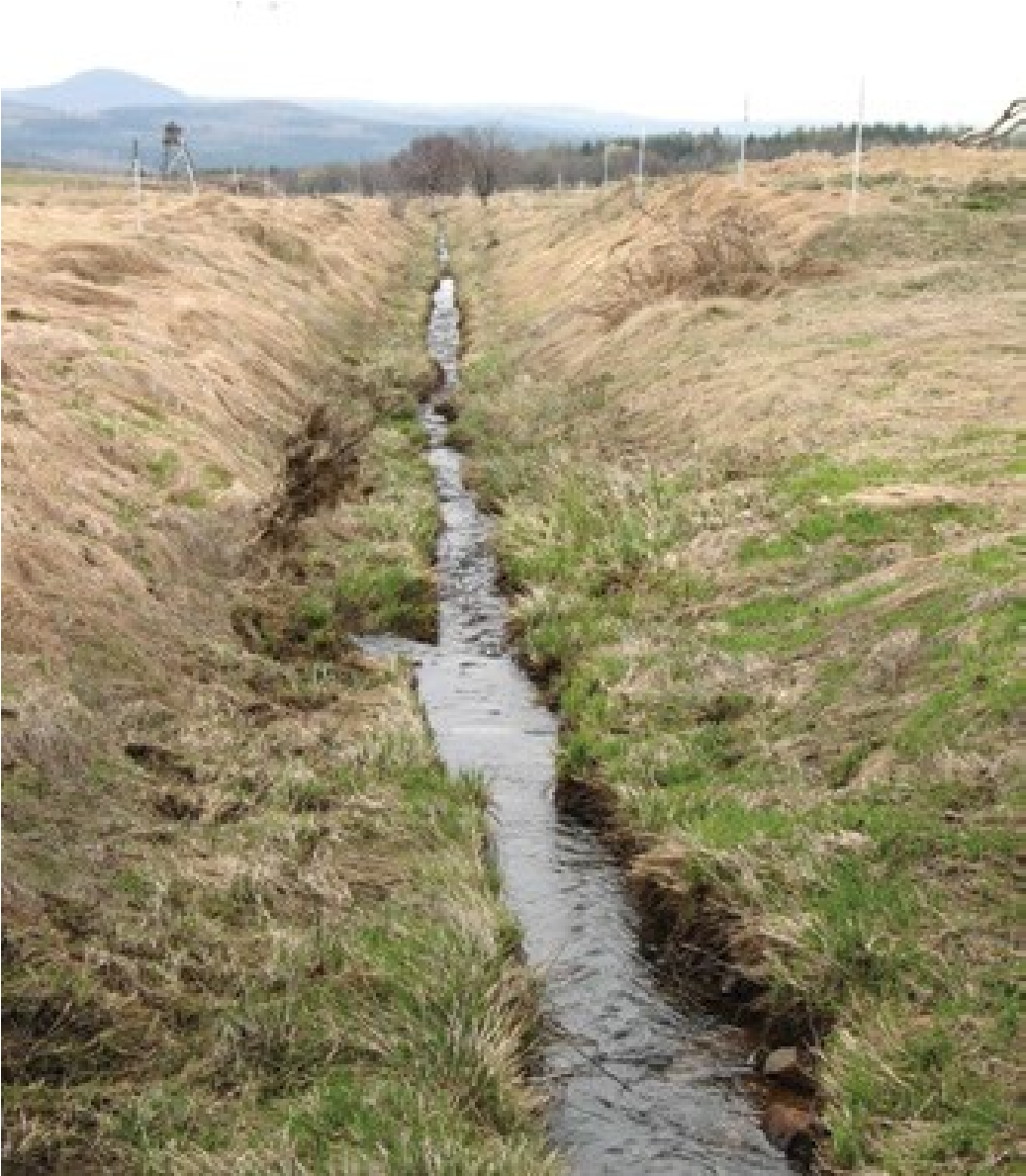
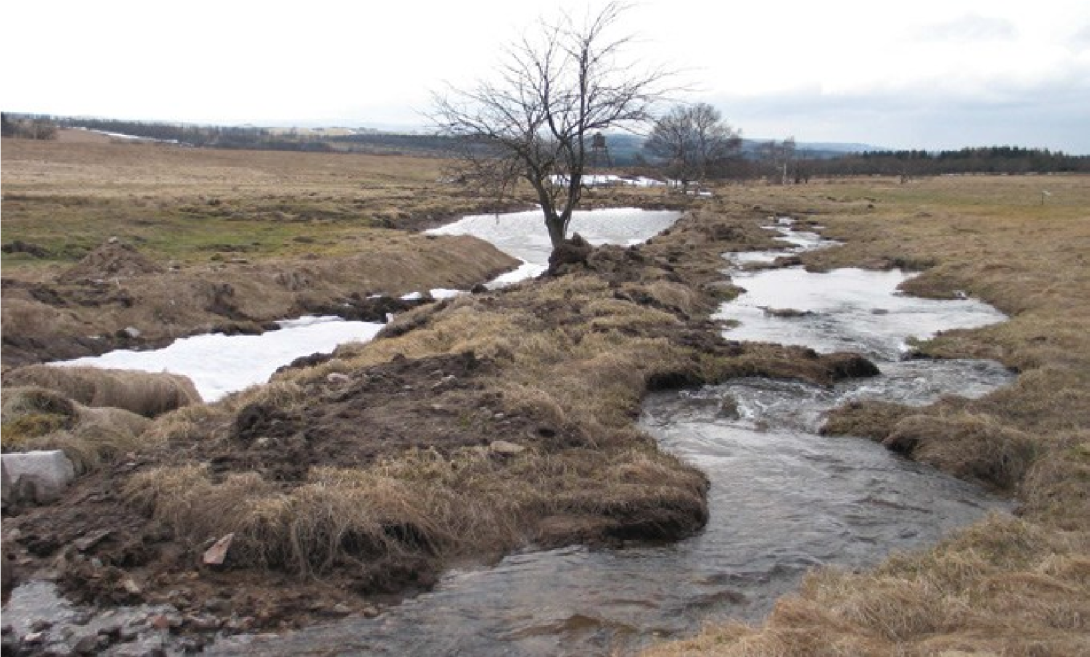
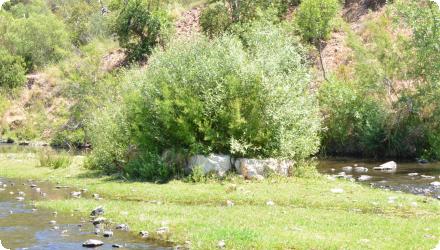
The Nature Conservation Agency of the Czech Republic (AOPK ČR) restored the Černý potok (Black Brook) in the Černá louka Nature Reserve (Ore Mountains, near Adolfov). Early trials began in 2001–2003; the main works in 2009–2010 (OP Environment/ERDF) went beyond in-channel fixes: shallow, meandering channels were newly excavated and reconnected to remnants of the historical course or led across alluvial meadows to reduce depth/volume, slow runoff and re-wet the peat meadows. Designed by Terén Design and built by EPS-Servis, the project reshaped ~2.5 km within the reserve and delivered c. 1,820 m of new channels, ~0.963 ha of ponds/wetland and an ~8 ha meander belt.
Post-restoration monitoring by UJEP found only very small lateral movement (≤10 cm), no significant incision, and that after 1980s straightening had shortened length by ~52% the restored reach in 2011 was ~43% longer than the straightened channel. AOPK notes continued monitoring and documented fish passage, incl. brown trout spawning. Media coverage during the 2019 drought reported the area stayed wet and ponds held water. In 2022, ČSOP with private partners extended restoration to a small tributary just outside the reserve.
Last update
2025
Summary
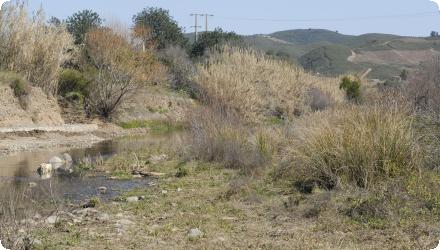
The Polish governmental agreement on water retention in small‑scale infrastructures was signed in 1995 to improve the structure of the water balance of small catchments by 2015. Regional authorities (voivodships) elaborated retention development programmes, largely completed by 1996. The plan focused on small water bodies - ponds - anticipating retention gains of approximately 860 million m³ across 4 789 reservoirs.
Since then, however, new initiatives and practices have emerged. The State Forests (Lasy Państwowe) have been implementing and consolidating small‑scale retention works in lowland forest ecosystems since the mid‑1990s, under EU‑funded programs. By 2014, this effort increased landscape storage from about 8.38 million m³ (2007) to roughly 31 million m³, enhancing biodiversity via wetland restoration and management.
In parallel, a growing number of micro‑retention (rainwater harvesting) schemes have been observed in rural and urban contexts: individual rainwater systems for households, small reservoirs, and green‑blue infrastructure, used to counter drought, reduce stormwater runoff, and support local water availability.
However, the national “My Water” subsidy programme (2020–2024), which supported residential micro‑retention installations, is not being continued in 2025. Instead, many municipalities now offer their own incentives and grants - for example in Goleszów, Gostyń, Warsaw, and Lubliniec - supporting rainwater retention systems with varying subsidy levels.
Last update
2025
Summary
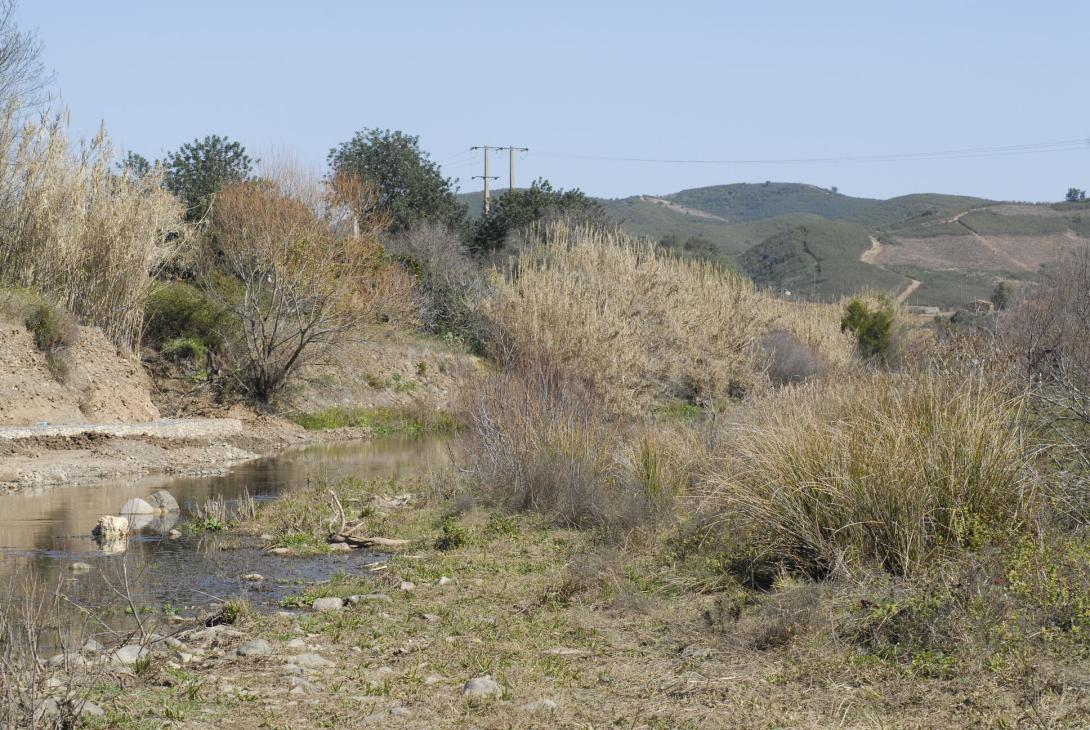
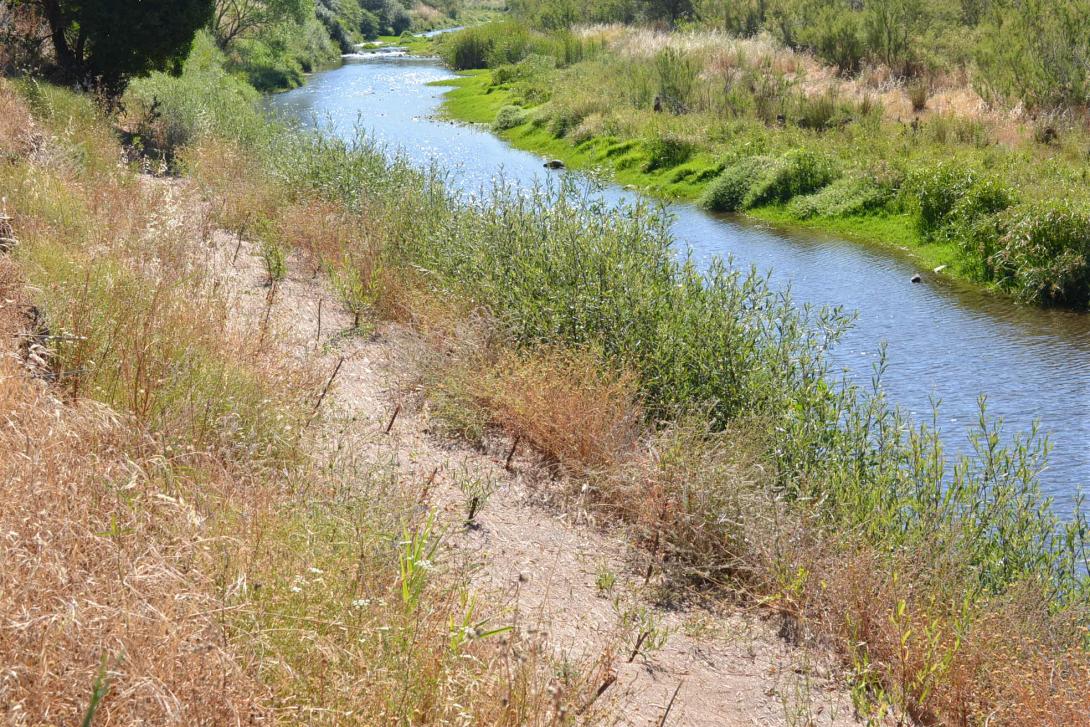
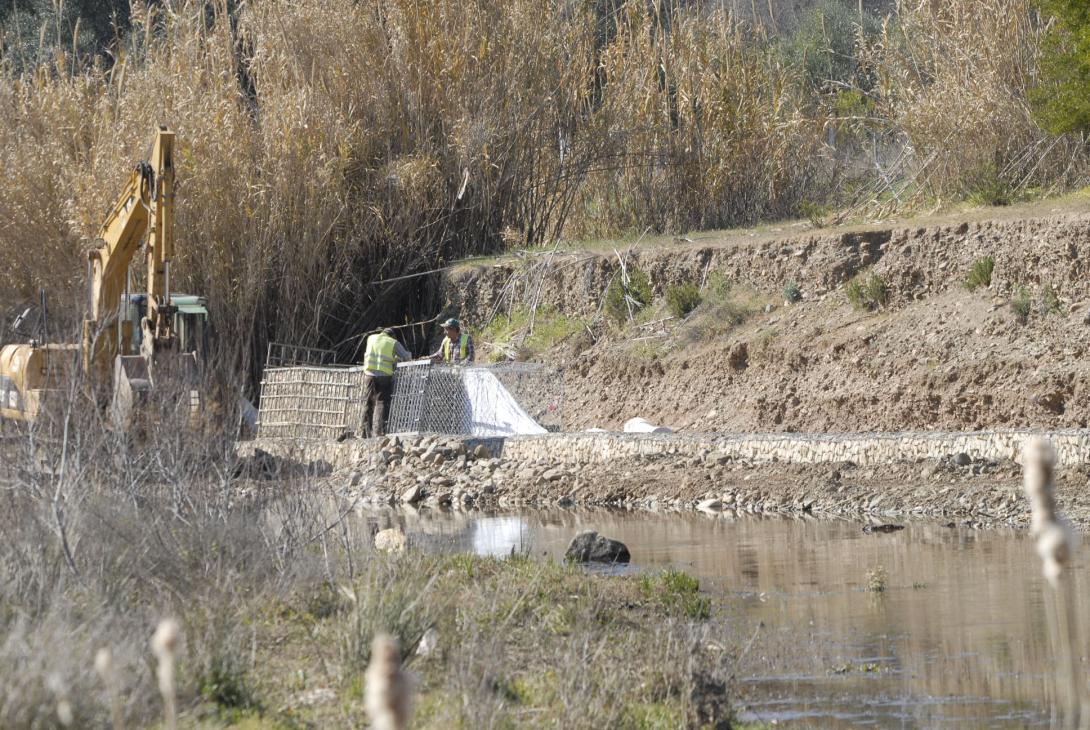
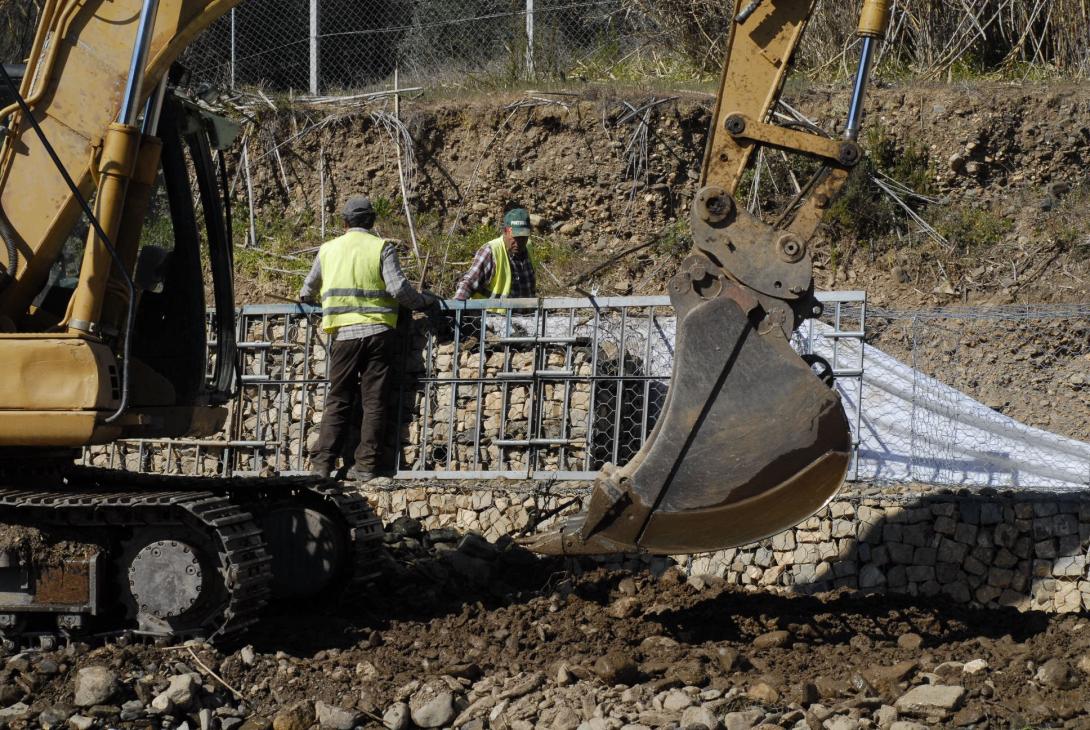
The Odelouca River: Natural bank stabilization and riparian buffer galleries as part of mitigation and compensatory measures and through the use of bio-engineering techniques.
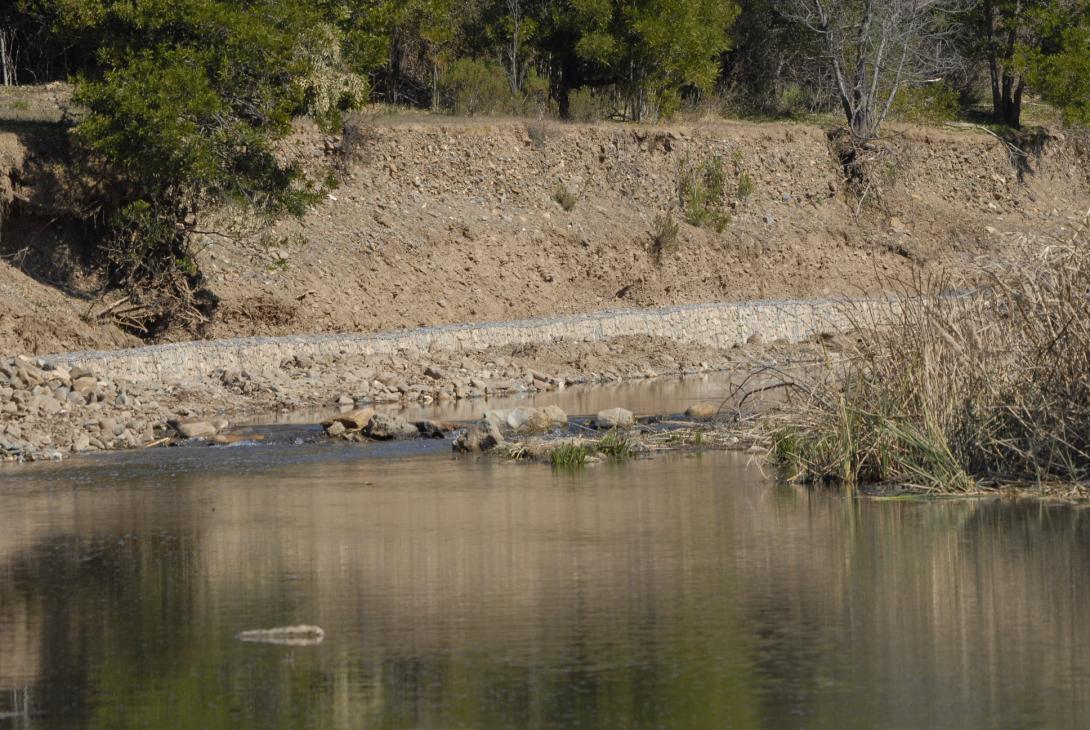
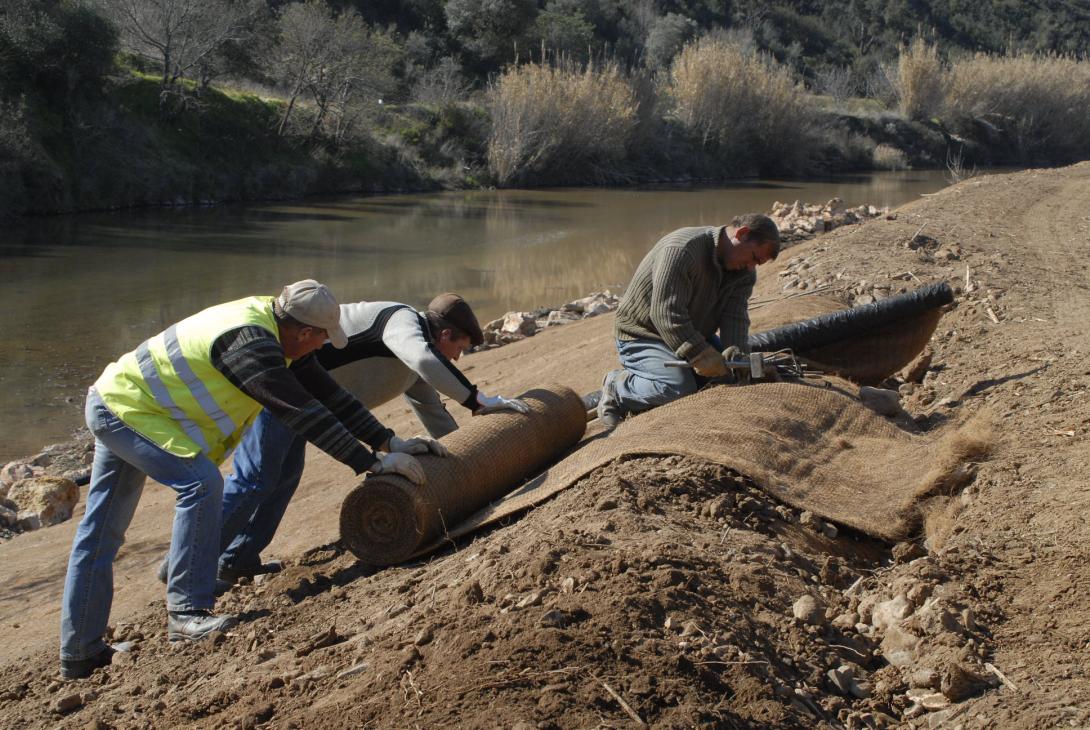
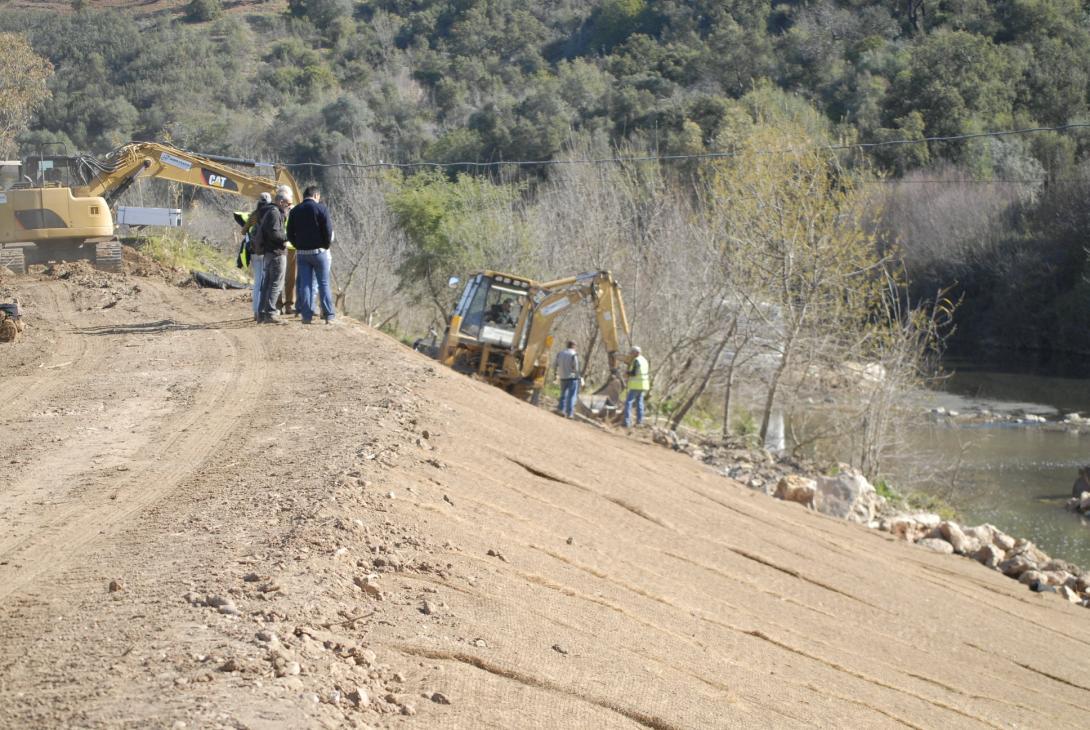
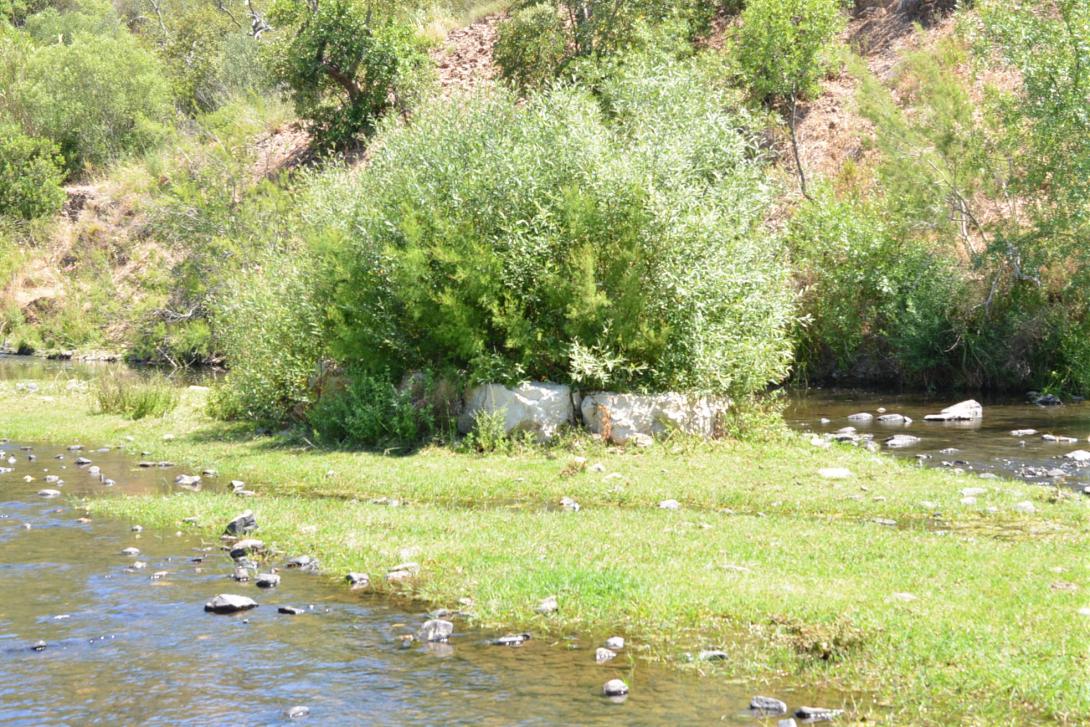
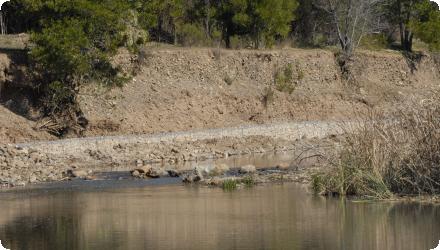
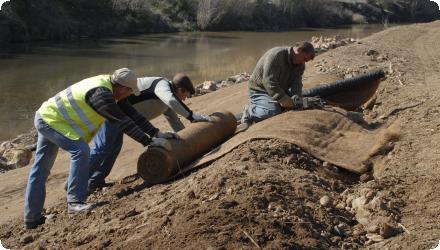
This project carried out in the Odelouca River (sub-catchment of the Arade River Basin, Algarve Region, South of Portugal) entailed the implementation of measures focused on the use of bio-engineering or natural techniques for rehabilitation of riparian buffer zones and river banks (such as river banks resectioning and placement of geotextile; live crib walls and vegetated gabions/rock armour construction and placement; planting of rehabilitated banks with native plant species; construction of artificial islands in the river channel, and clearance of invasive riparian plant species).
Today it remains a relevant and effective implementation. However it needs restoration, but there is apparently no intention to restart the project to the original goals.

The measures implemented focus on the use of bio-engineering or natural techniques for rehabilitation of riparian buffer zones and river banks such as: i) resectioning of river banks and placement of geotextile to prevent erosion, retain soil moisture, prevent (re) growth of weeds and invasive plants and create favourable conditions for planted native plants (reed bed removal / placement of geotextile; 100% coco fibre with 2 polypropylene nets); ii) construction of a crib wall and placement of stone filled gabions to stabilise river banks (vegetated rock armour, live cribwalls (i.e Krainer wall), and vegetated gabions); iii) planting of rehabilitated banks with native plant species, collected from cuttings and seeds in the area and grown on in local nurseries (e.g. Tamarix, Oleander, buckthorn and ash); iv) construction of artificial islands in the river channel; v) clearance of invasive riparian plant species (Arundo donax and Acacia sp).
Last update
2025
Summary
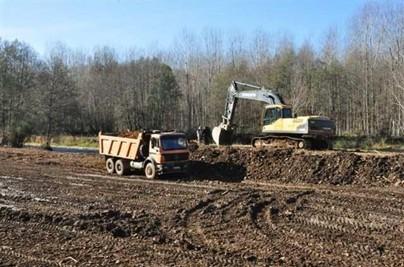
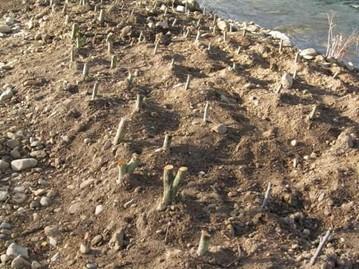
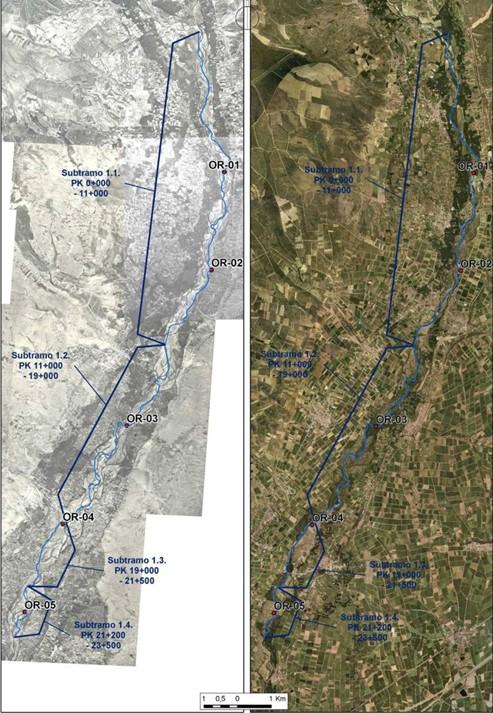
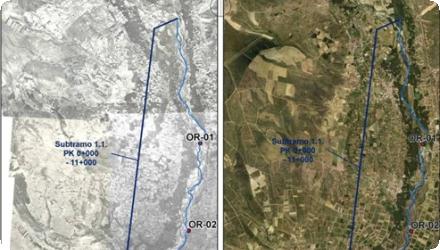
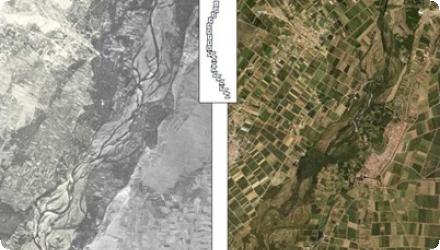
Órbigo River (Duero Basin, NW Spain) ecological status improvement. A bundle of sponge measures - levee removal/set-back, rip-rap removal, recovery of secondary channels, floodplain reconnection, natural bank stabilisation, and riparian buffer restoration - was implemented under the WFD and Floods Directive; the project was a 2013 IRF European Riverprize finalist.
Section I (upper ~23.5 km) was built in 2011–2013: ≈4.72 km of rip-rap and 8.71 km of levees were removed, 3.13 km set back, ~10 km of side channels reopened, and ~300 ha of floodplain reconnected; limited works followed in Sections II–III. The Alcoba weir was modified by cutting a central notch (~15–16 m) with seasonal removable boards and a ramp to restore fish passage and sediment/nutrient continuity, reconnecting ~25 km of river.

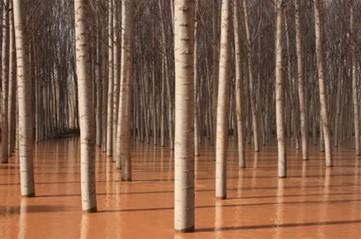
Post-project assessments report increased channel dynamism and sinuosity and riparian vegetation regeneration - moderate effectiveness in the short term, underscoring the need for long-term monitoring. Overall, actions improved lateral and longitudinal connectivity and enhanced natural flood attenuation; AdapteCCa summarises ~480 ha of floodplain now functioning with the river.
Last update
2025
Summary
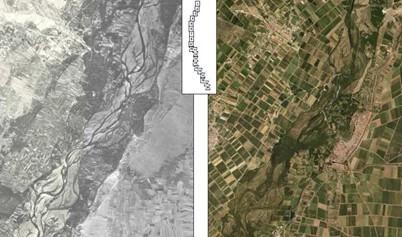
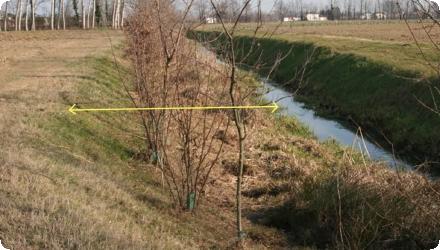
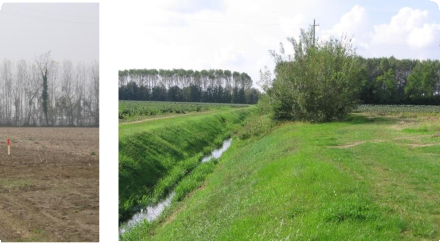
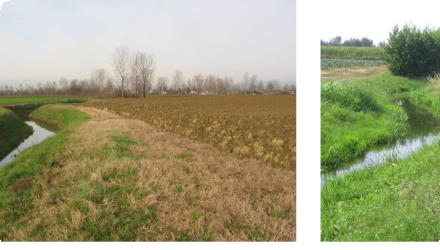
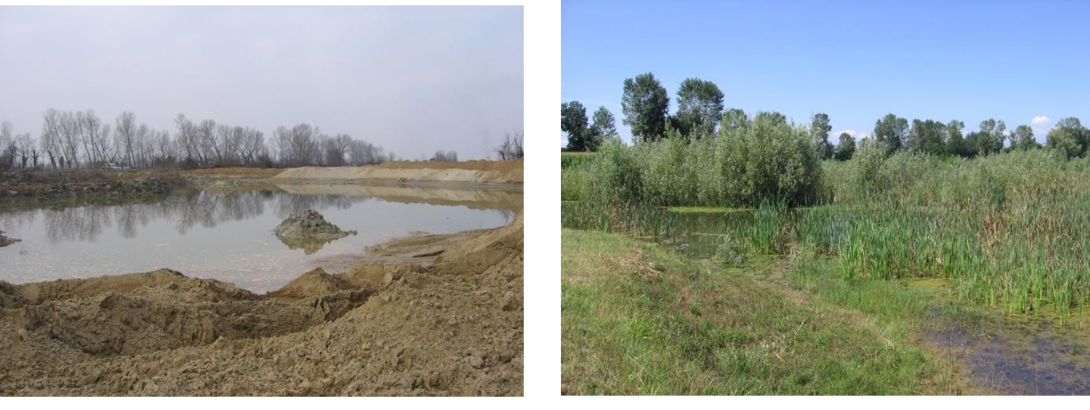
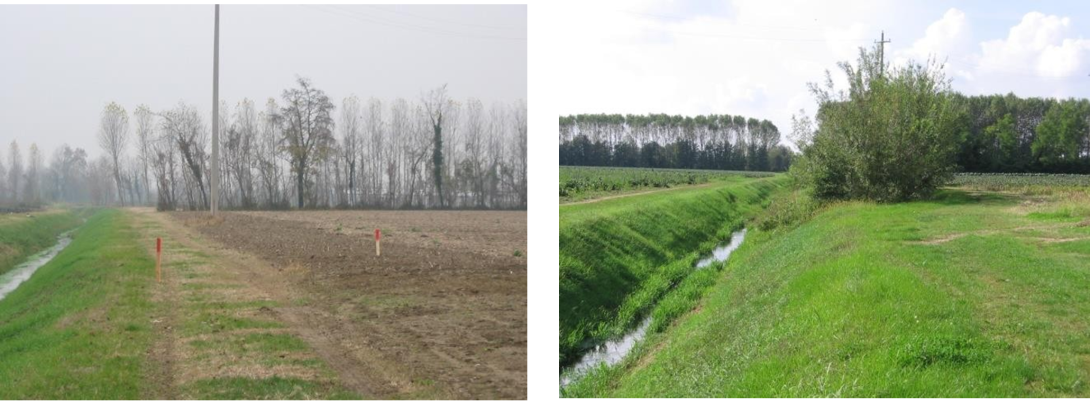
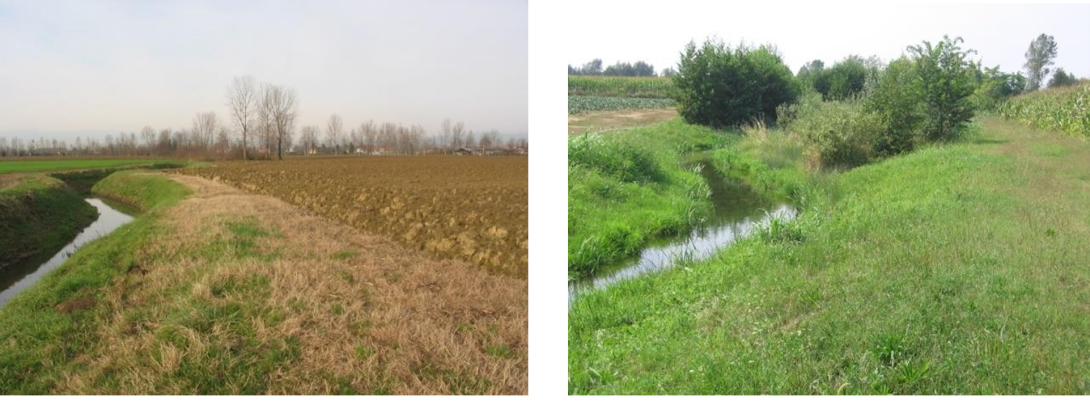
The case study lies in the draining basin of the Venice Lagoon, an intensively farmed area crossed by a dense network of drainage channels. Here, measures were implemented on channels discharging to the Dese River, a major tributary of the Lagoon. The Veneto Region financed riverbed recalibration and ecological restoration under the “Plan for diffuse pollution prevention and restoration of water in the draining basins of the Venice Lagoon”; Consorzio Acque Risorgive delivered the works around 2008–2009.
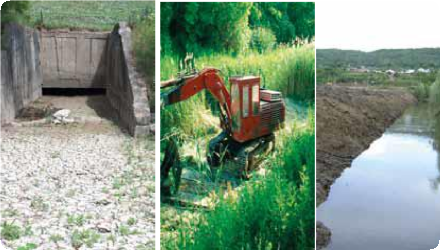
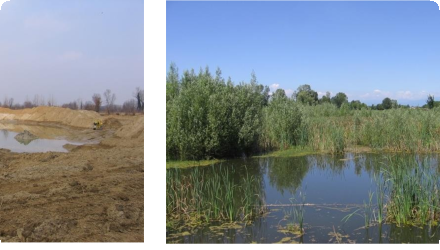
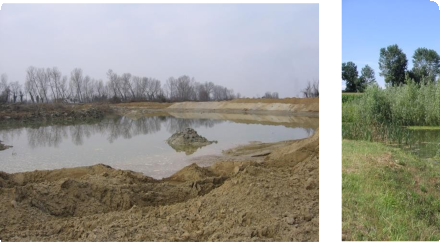
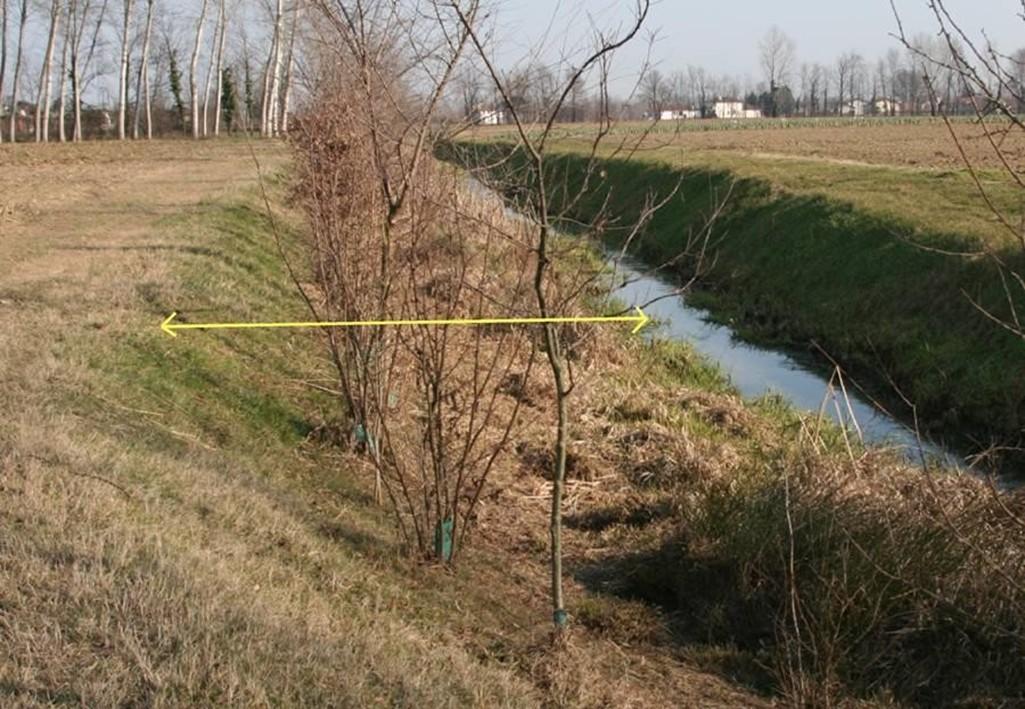
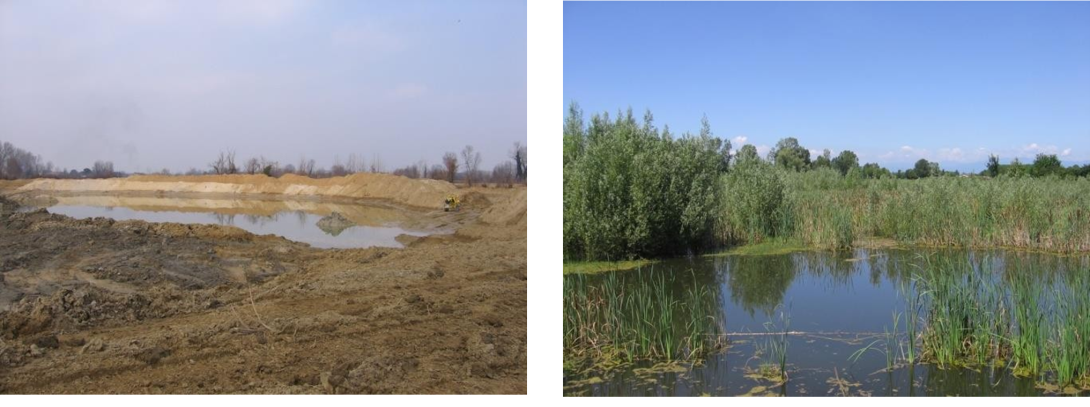
The project re-structured the mid-course effluents of the Dese - Rio San Martino, Rio Sant’Ambrogio and Scolo Desolino - whose primary function is to drain agricultural fields. Objectives were to retain nitrogen and phosphorus through phytodepuration and to mitigate frequent floods aggravated by urban sprawl, soil sealing and culverts (notably highlighted by the 2006–2007 Mestre events). Measures included riparian buffer strips, in- and out-of-channel wetlands, channel widening/meandering, and floodplain reconnection.
Subsequent technical documentation shows the programme extended beyond these three reaches to other local drains (e.g., Piovega di Scandolara, Piovega di Cappella, Piovega di Levada, Piovega dei Tre Comuni). Overall cost was about €4.13 million. Hydrological modelling and design analyses indicate peak flows delivered to the Dese fell from ~29 to ~25 m³/s (≈14% reduction), with tributary-scale decreases (e.g., Rio S. Martino 10.3→8.0 m³/s; Scolo Desolino 7.0→5.5 m³/s; Rio Sant’Ambrogio 11.5→10.5 m³/s).
Evidence from the implementer adds scale and design detail: about 14 km of channels were tackled in the Dese sub-basin; ~5.3 km of woody buffer strips were established across these reaches, and an out-of-channel wetland with a “double flow path” was created at Rio San Martino. On the Rio San Martino & Piovega di Scandolara sub-site specifically, ~1.6 km of new riparian woodland was planted.
Monitoring remains limited in the public domain: ARPAV was expected to monitor but little was published; the consortium ran some site-specific monitoring and used results from its NICOLAS experimental site for nutrient-removal parameters. Nonetheless, the combination of buffers, wetlands and planform restoration is credited by local sources with significant nutrient retention and visible flood-risk mitigation, supporting positive public perception.
Status on external registries is “complete”, and consortium material documents continued maintenance and allied works within the jurisdiction into the late 2010s. The case demonstrates multi-benefit restoration at drainage-network scale in a low-slope agricultural plain, aligning water-quality and flood-risk objectives under the Venice Lagoon Plan.
Last update
2025