Completed

Summary
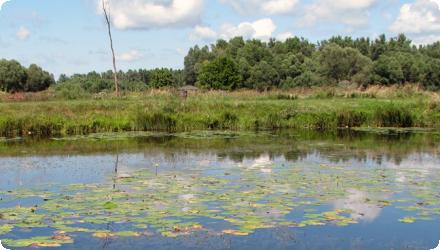
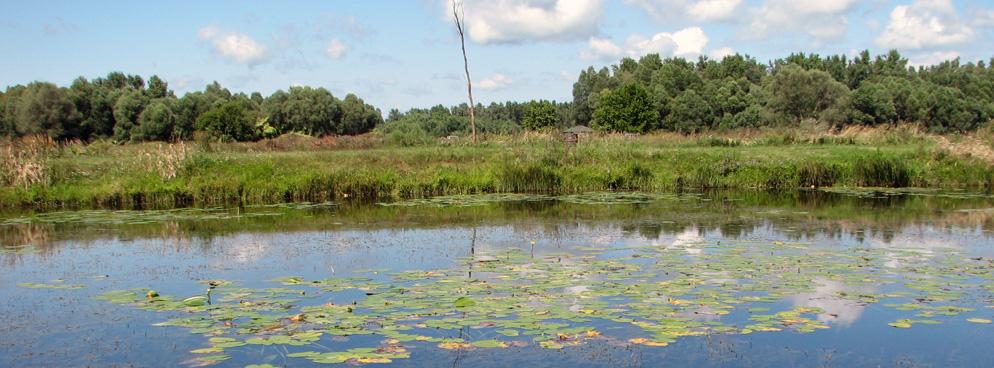
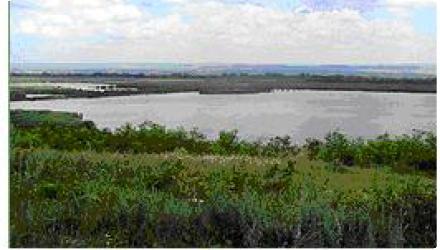
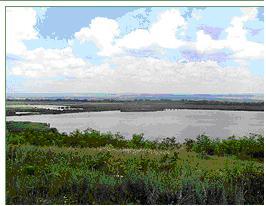
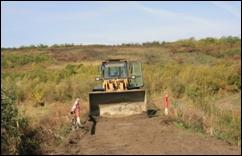
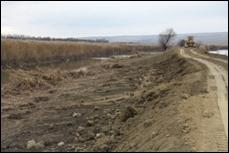
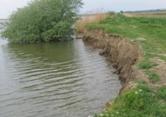
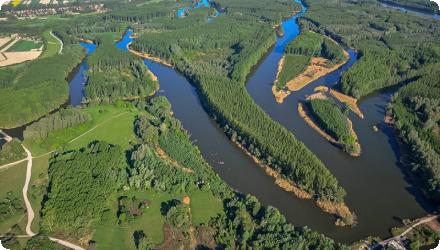
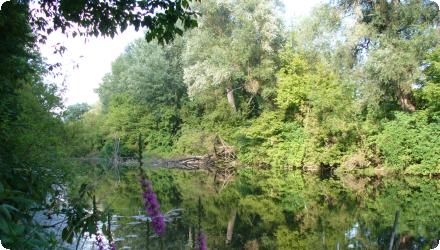
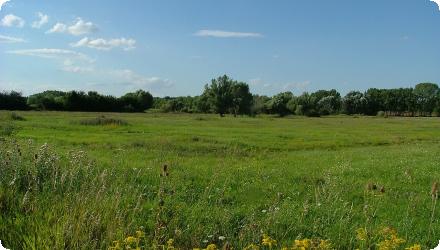
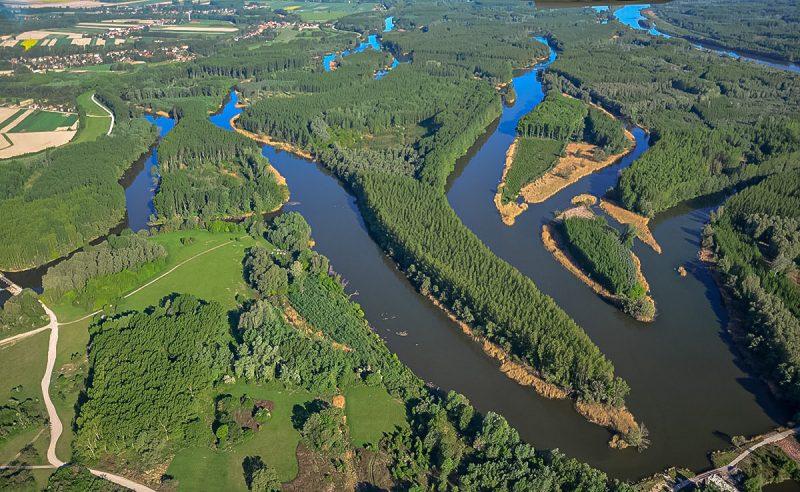
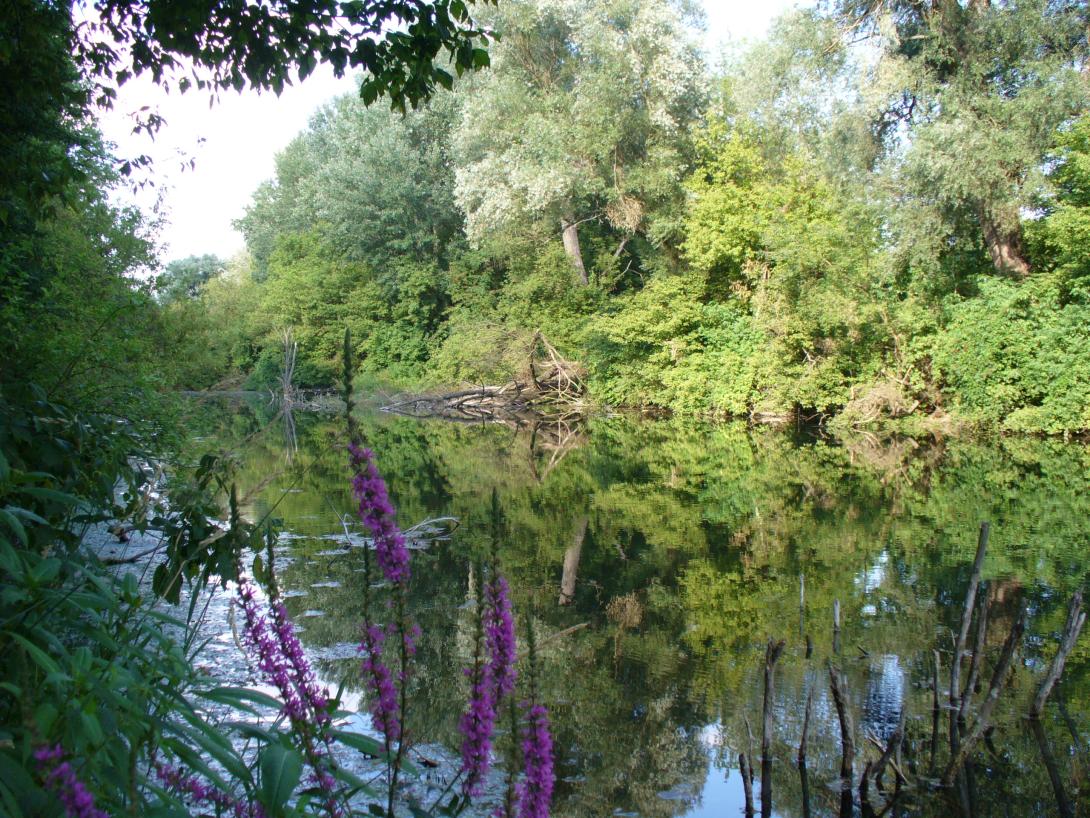
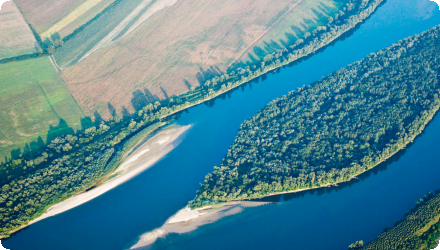
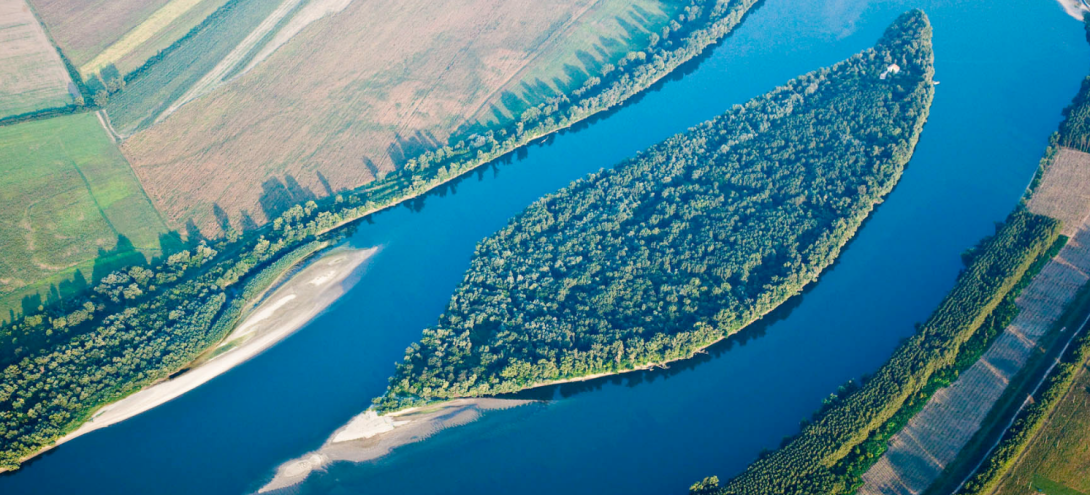
LIFE-Nature “Green Borders” (LIFE07 NAT/RO/000681, 2009–2013), coordinated by WWF with Romanian and Bulgarian partners, aimed to secure Pygmy Cormorant (Phalacrocorax pygmaeus) and Ferruginous Duck (Aythya nyroca) by restoring nesting/feeding habitats and promoting best fisheries management. It created a cross-border framework for 11 Natura 2000 sites along the Lower Danube.
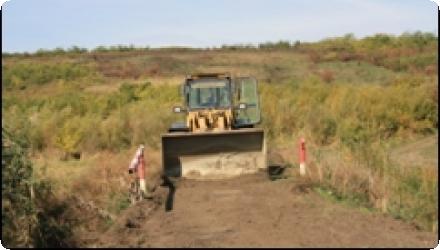
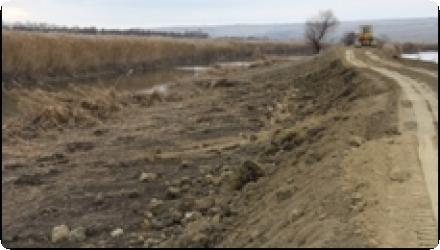
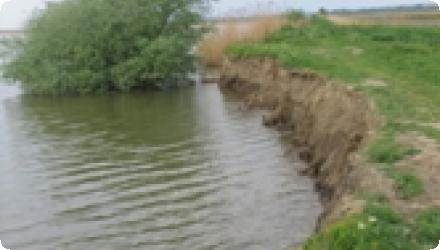
Key works included improving the hydrological regime of Kaikusha marsh in Persina Nature Park (BG), completed in 2012, and the ecological reconstruction of the Gerai(ului) backwater at the Olt–Danube confluence (RO) in 2011.
The project’s studies supported the 2013 designation of three Transboundary Ramsar complexes (Iezerul Călărași–Srebarna, Suhaia–Belene Islands Complex, and Bistret–Ibisha), strengthening coordinated wetland management across the border.
Follow-up restoration in the Lower Danube Green Corridor continued under the Living Danube Partnership: water control was modernised at Persina/Kalimok and a further project prepared for Kaikusha; in Romania, >400 ha at Gârla Mare–Vrata were reconnected to the Danube in 2022. Note: in Sept 2021, a major fire burned most reedbeds at Kaikusha, temporarily degrading habitat.
Last update
2025
Summary
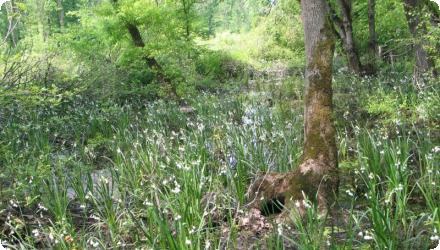
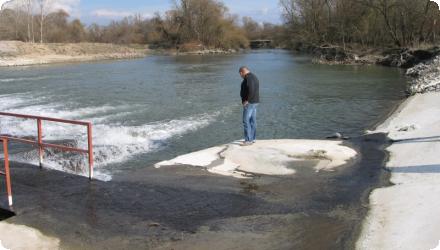
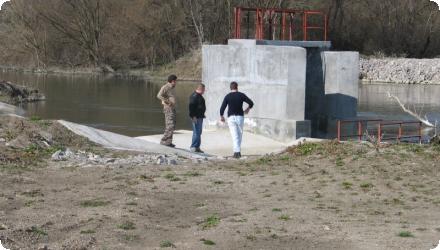
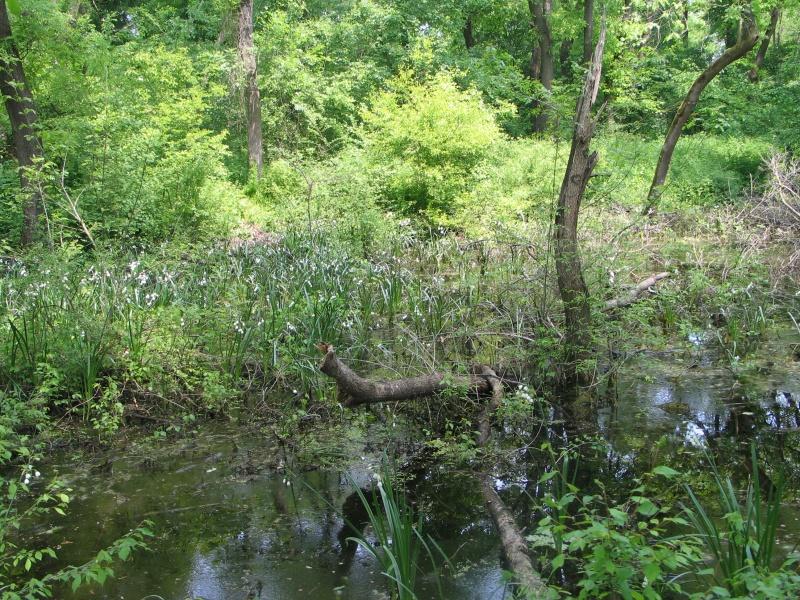
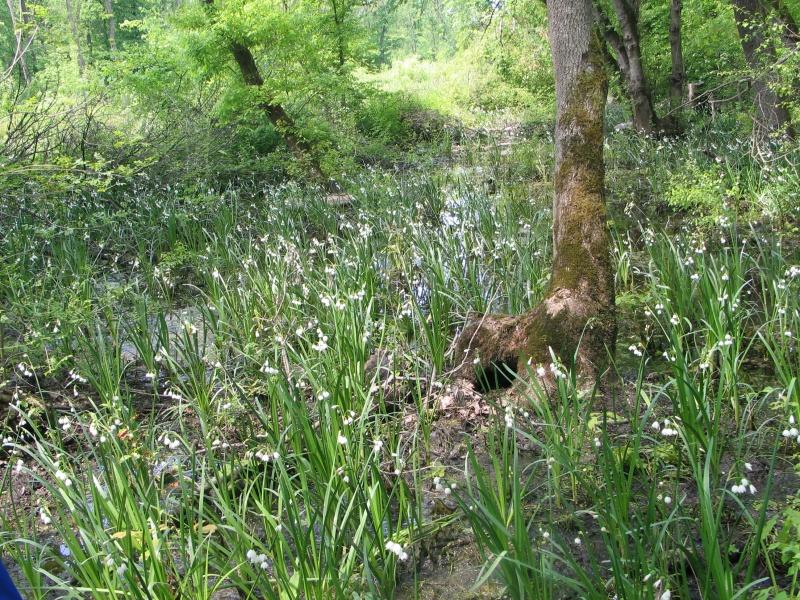
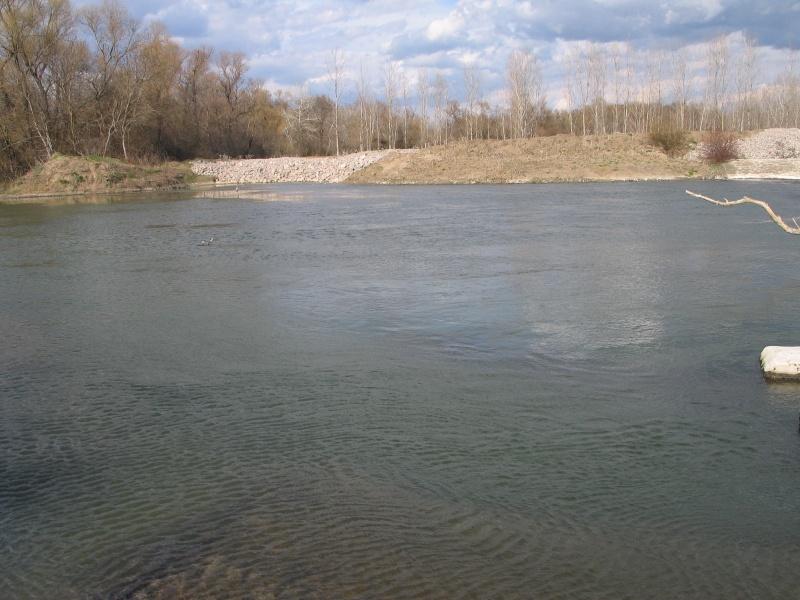
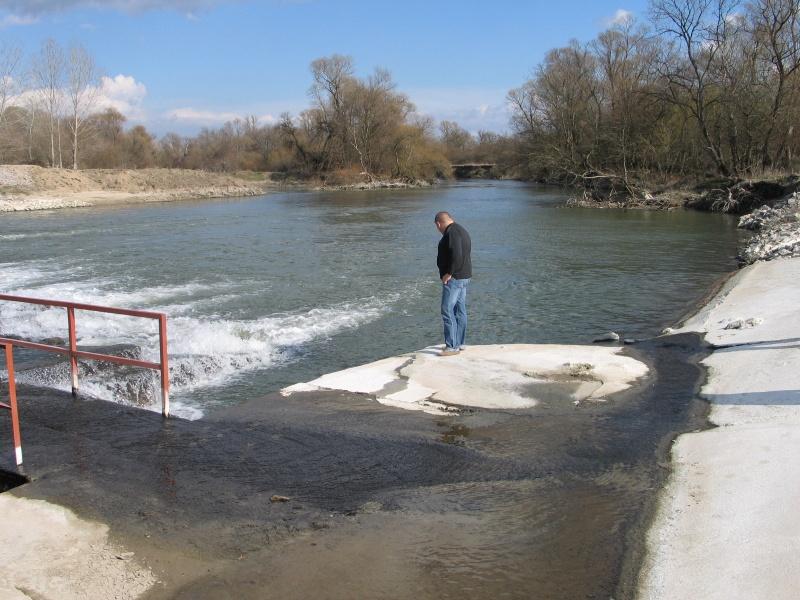
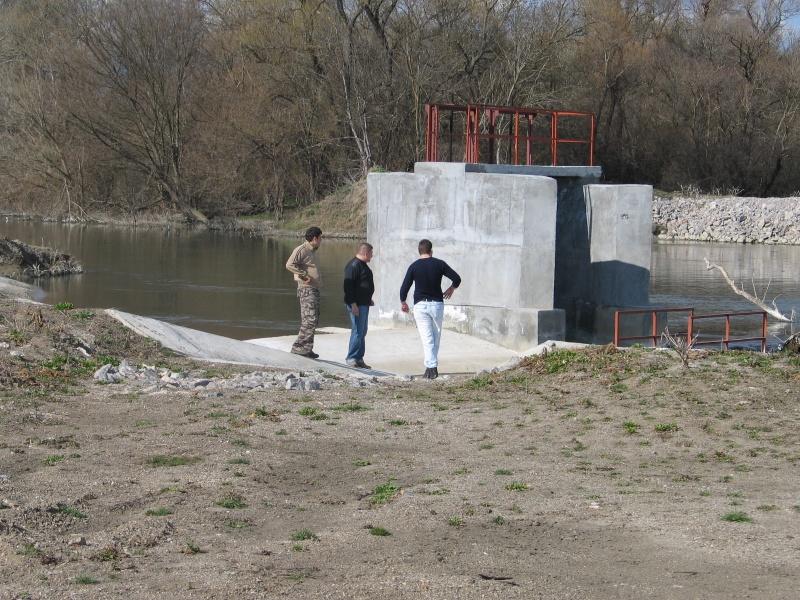
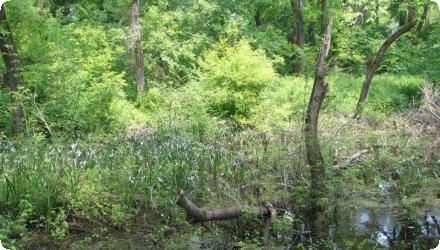
The maintained reserve “Dolna Topchiya” (Natura 2000 BG0000195 “Reka Tundzha 2”) was restored by RIEW–Stara Zagora through a diversion weir and a ~900 m channel linking the River Tundzha to the Malka Tundzha, to rewet riparian floodplain forest (habitat 91F0). In 2018–2024 the scope expanded under OP Environment project BG16M1OP002-3.007-0010 to also restore the inundation regime of the adjacent maintained reserve “Balabana” (Elhovo Municipality). Main works delivered in 2023: at Balabana, a water intake on the Tundzha and reconstruction of irrigation canals “Iztochen” (1,897 m), “Popovska 1” (879 m) and “Popovska 2” (863 m); at Dolna Topchiya, three gabion weirs (“Dipsiza 1–3”) with crest lengths 14/10/12 m to raise soil moisture. Contractor: Technostroy-Engineering 99 AD; supervision: IVPI Consult OOD. Total budget BGN 1,489,422.96 (ERDF + national co-financing). Closing press event: 21 Nov 2023; administrative end: 26 Apr 2024. The objective is to sustain riparian forests (habitats 91F0, 92A0) by re-establishing periodic flooding and groundwater recharge.
Last update
2025
Summary
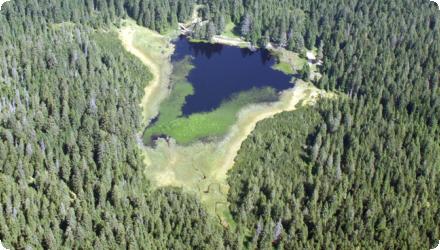
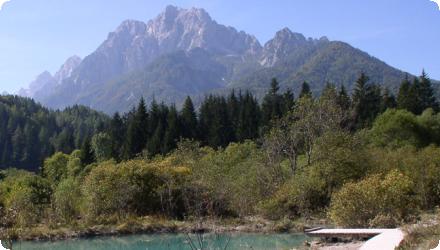
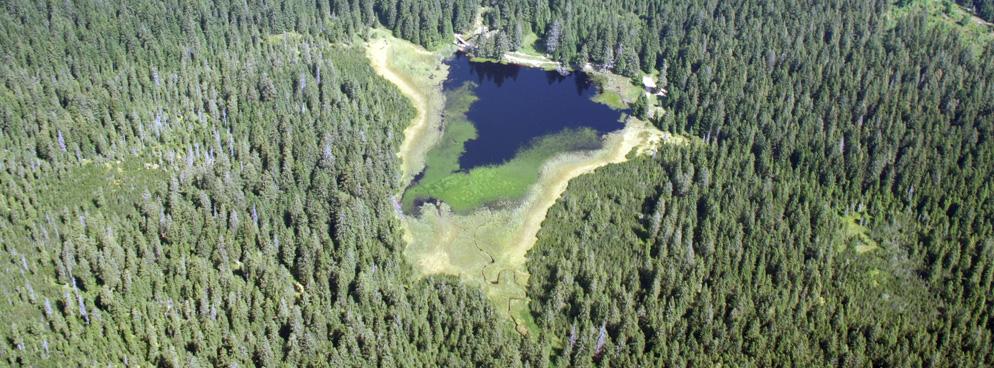
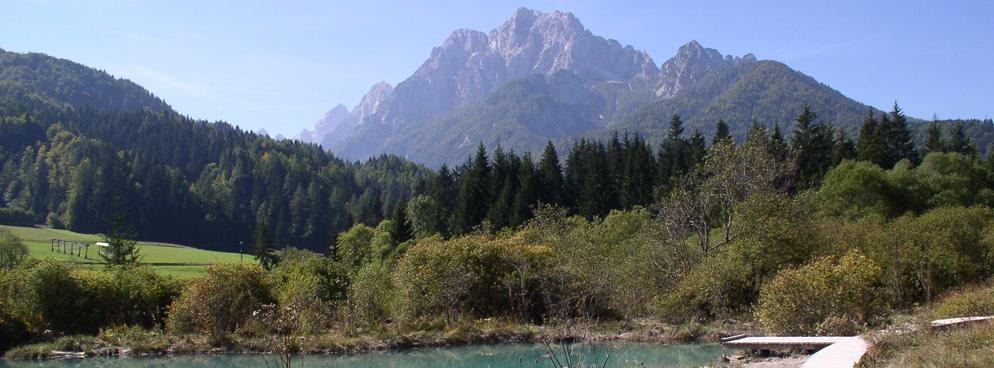
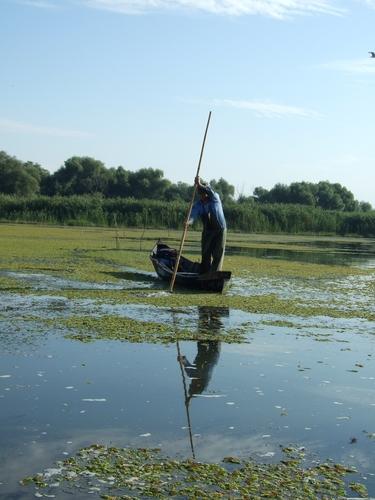
The LIFE WETMAN project (2011–2015) restored six Slovenian wetlands (Pohorje bogs, Zelenci, Mura–Petišovci oxbows, Gornji kal, Planik and Vrhe). It improved hydrological conditions (e.g., dams on outflows in the Pohorje bogs and a gravel/sediment trap on the Čošelnov graben feeding Zelenci), removed overgrowth, and eliminated invasive fish in Gornji kal and the Mura oxbows. To reduce habitat damage and disturbance, footpaths/boardwalks were created in Zelenci and on the Pohorje bogs. Site-specific management guidelines were prepared and integrated into sectoral and Natura 2000 planning to ensure long-term conservation.
After LIFE, implementation continued: a Zelenci management plan was prepared in 2013 with the municipality; the national Natura 2000 Management Programme (2015–2020) and the integrated project LIFE-IP NATURA.SI (2018–2026) have supported further measures and monitoring. On Pohorje, follow-up regional projects (SUPORT and POHORKA, 2019–2023) consolidated habitat and visitor-management actions. WETMAN’s results were also recognised with a Best LIFE Nature award at EU Green Week.
Last update
2025
Summary
The Danube Delta Biosphere Reserve Authority’s Fortuna Wetland Restoration Project reconnected the 2,115-ha agricultural polder “Fortuna” to the Danube, restoring the hydrological regime and functions (works completed in 2004). Since then, restoration has scaled up across the Șontea–Fortuna complex. In 2015–2017, the EEA-funded RESTORATION-DD project dredged 13.56 km of secondary channels to re-establish habitat connectivity and migration routes, with monitoring and outcomes reported for c.7,000 ha within the 24,636-ha hydrographic unit. From 2021 onward, ARBDD is implementing a multi-site POIM project (SMIS 2014+ 120889) to improve hydrological conditions in Șontea–Fortuna, Matița–Merhei and Somova–Parcheș; planned works include the Fortuna Canal (5,176 m) among other links, with public communications indicating ~156 km of channels across the complexes. In 2024, environmental procedures were filed for desilting Lakes Fortuna and Uzlina, signalling continued management of water circulation and eutrophication control.
Last update
2025
Summary
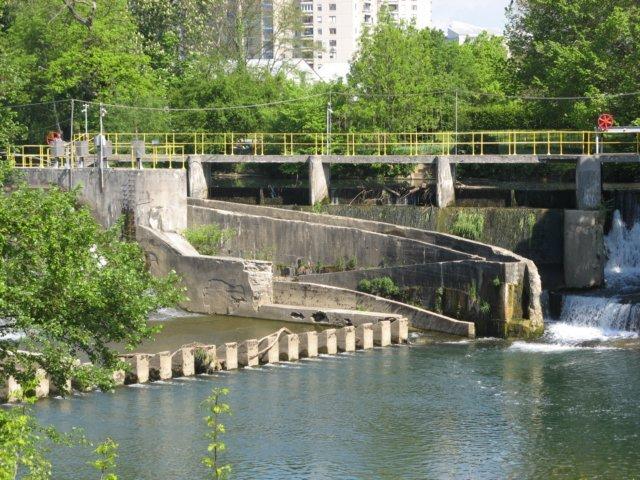
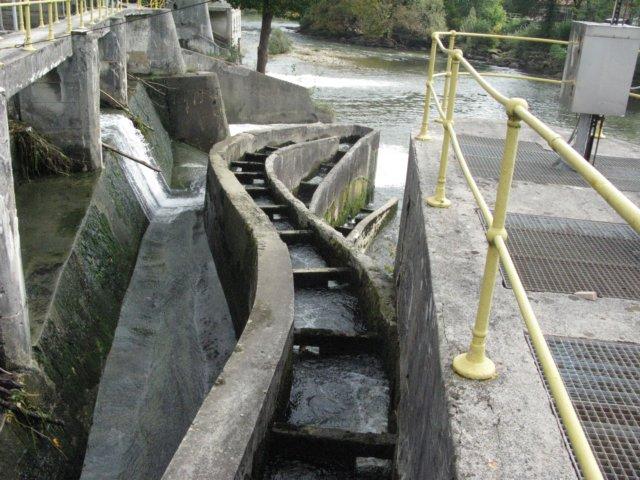
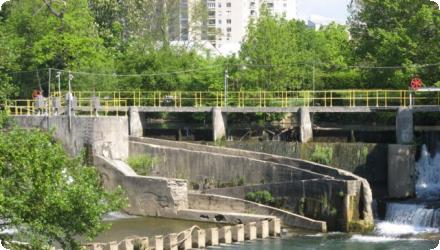
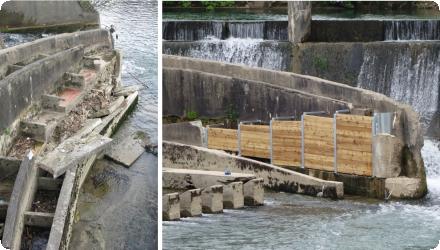
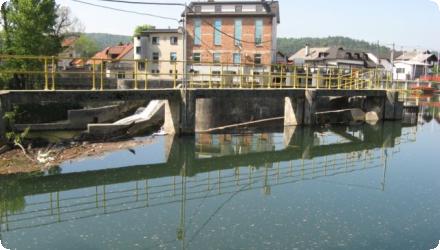
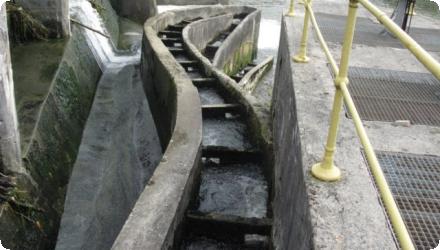
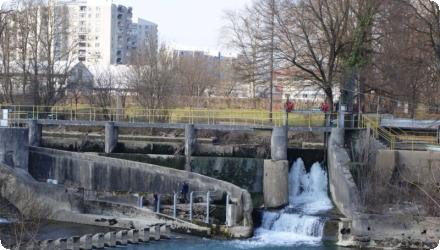
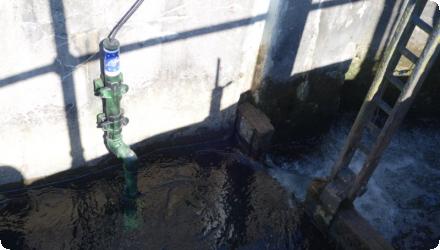
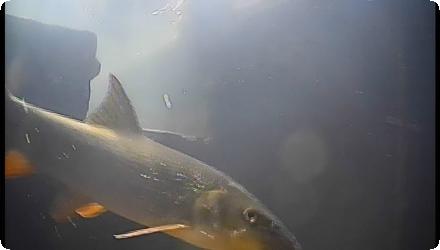
Removing barriers to fish migration, enhancing and restoring habitats, improving water-management infrastructure, and establishing a monitoring system. Funded by LIFE+ and implemented by Purgator Engineering Ltd. under the responsibility of the University of Ljubljana (UL FGG), the 2012–2016 “Ljubljanica connects” project rebuilt two dysfunctional fish passes (Fužine weir and Ambrožev trg), modernised the lifting gates at Ambrožev trg, and raised the Zalog sill by 20 cm to improve levels and oxygenation in upstream oxbows. A low-cost IR “fishcam” system was installed in both passes, providing continuous, online monitoring and confirming passage of 12 fish species, including the target Hucho hucho, Rutilus pigus and Leuciscus souffia. An After-LIFE plan maintains monitoring and knowledge transfer. While urban-section connectivity improved, full longitudinal continuity to the Sava remains constrained: the paper-mill weir at Vevče is the first impassable barrier upstream from the confluence, and the Gruber Canal sluice lacks a fish pass; national planning documents list measures to establish passability at Gruber. Coordinator: University of Ljubljana; partners: Purgator and Geateh.
Last update
2025
Summary
Installed in 2006 by Limnos Ltd., the innovative ecoremediation (ERM) system on a polluted tributary of the Glinščica combines a sedimentation pond (to settle coarse particles and reduce flow velocity), a vegetated sand-filled drainage ditch with reeds, and a short meandered channel. Early monitoring (2008–2009) reported strong reductions in nutrients and suspended matter, with effectiveness sustained by routine maintenance (including sediment removal in 2008). The facility remains in place and in use, is maintained by the City of Ljubljana, and is incorporated into local educational activities; project managers confirm it has not been amended. Since installation, additional nature-based solutions for flood retention and stormwater management have been implemented elsewhere in the Glinščica catchment - most notably the Brdnikova dry retention reservoir and works at Podutik - which have helped mitigate recent heavy-rain events. In the technical literature the site is also referenced within a broader “Multifunctional Water Reservoir (MWR) Ljubljana,” where upgrades commissioned in 2014 enhanced ecological and educational functions without changing the ERM’s treatment role.
Last update
2025
Summary
The project aims to secure year-round Danube Commission fairway depths of 2.5 m between Călărași and Brăila, including during low flows. Since 2022 it has been reframed as “BALA II,” a combined navigation–environment scheme led by AFDJ Galați that restores and renaturalises the Bala bifurcation area. The solution raises the Bala bottom sill from 0 m to 6.5 m (MNC), re-activates an old bifurcation branch, and foresees complementary works on the Old Danube reach, in order to stabilise low-water hydraulics while limiting ecological impacts. Key permits and approvals have been obtained: water management approval (June 2022) and an environmental agreement from APM Călărași (Sept 2023). In Sept 2024 the Government approved the project’s techno-economic indicators (HG 1079/2024). Procurement for design and works was relaunched in 2025 (estimated value ~743.8 million RON; 96-month duration). As of August 2025, no award notice is publicly available.
Last update
2025
Summary
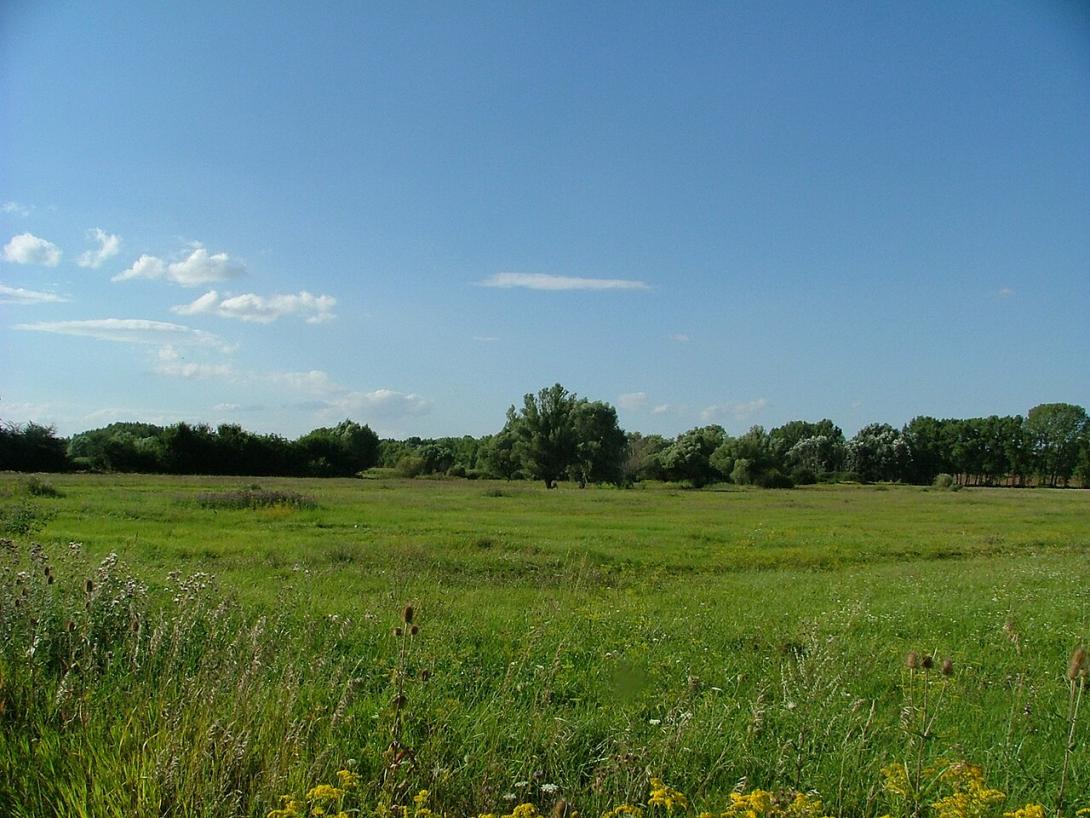
The project’s objective was to improve the conservation status of aquatic bird species in Lower Prut Floodplain Natural Park (Galați County, RO) through scientific inventory, monitoring, site restoration, awareness-raising, implementation of the park management plan, and the designation of Natura 2000 SPAs. Partners were the University of Bucharest, the Romanian Ornithological Society and Romsilva – Galați Forestry.

At Mața-Rădeanu, dykes were rebuilt to restore hydraulic control: a 1,800 m dyke separating Mața (Galați) from Cârja (Vaslui) and a 3,600 m dyke subdividing Mața; a birdwatching tower serves the complex. The area falls in SPA ROSPA0130 Mața-Cârja-Rădeanu and functions today as a large fish-farming/recreational fishing complex managed locally by AJVPS Galați; recent county risk documentation lists “Amenajarea Piscicolă Mața-Rădeanu.” In 2024, local press reported drought-related low water affecting this complex.
Last update
2025
Summary
This project improves the conservation status of floodplain bird species protected in the Natura 2000 sites SPA Dunajské luhy (Slovakia) and SPA Szigetköz (Hungary). It is funded by the LIFE Programme. Since 2015, the follow-up LIFE Danube Floodplains (LIFE14 NAT/SK/001306) and partners have restored river connectivity and water regimes by reopening 18.5 km of tributaries, restoring >75 ha of wetlands and advancing earlier, better-timed simulated floods; water-regime improvement now covers ~1,805 ha. Recent actions in Slovakia include reopening 3.7 km of the lower Vojčianske side arm (2023–24), partial reconnection at Kráľovská lúka (2024) and re-excavation/reconnection of the Foki side arm in the Old Danube (~2.0 km; 2025). Monitoring reports note positive responses of rheophilic fish, amphibians and floodplain vegetation; hydromorphological works have restored extensive floodplain forest and riparian habitats (e.g., 482 ha of 91E0* and 115 ha of 91F0). In Hungary’s Szigetköz, the water-replenishment system was extended in 2014–15 and connectivity enhanced with fish passes at Dunasziget (1998), Ásványráró (2015) and at the Mosoni-Danube outlet in Vének (operational 2022).
Last update
2025
Summary
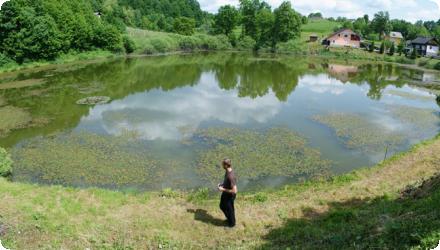
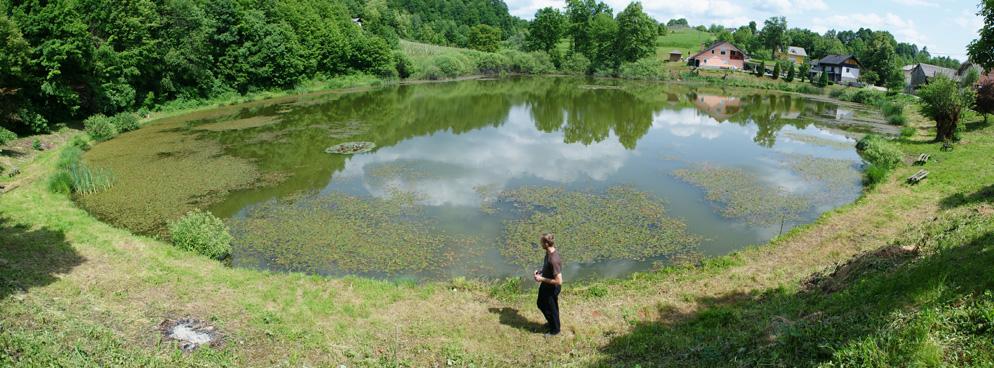
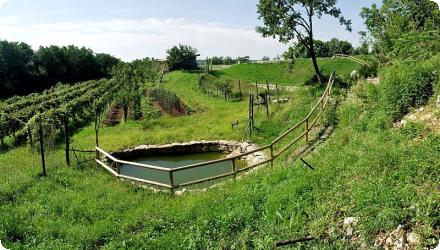
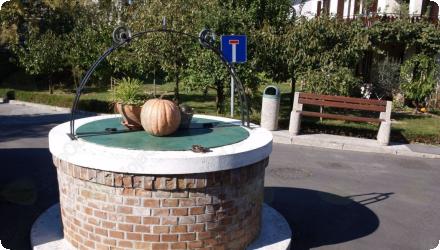
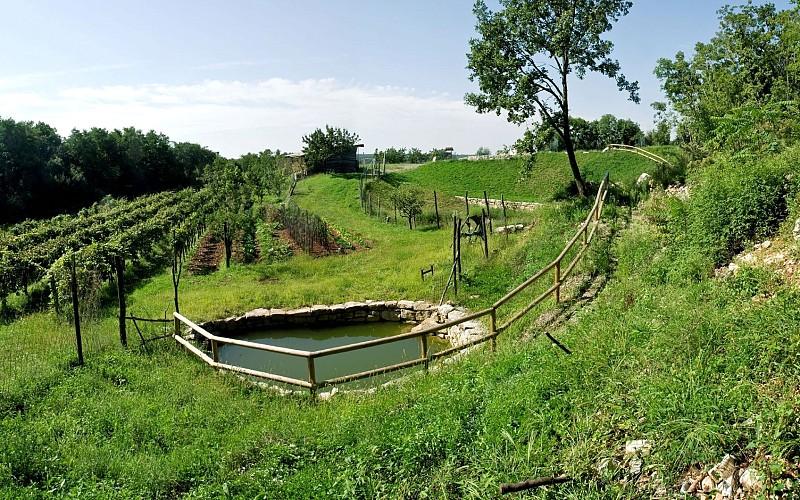
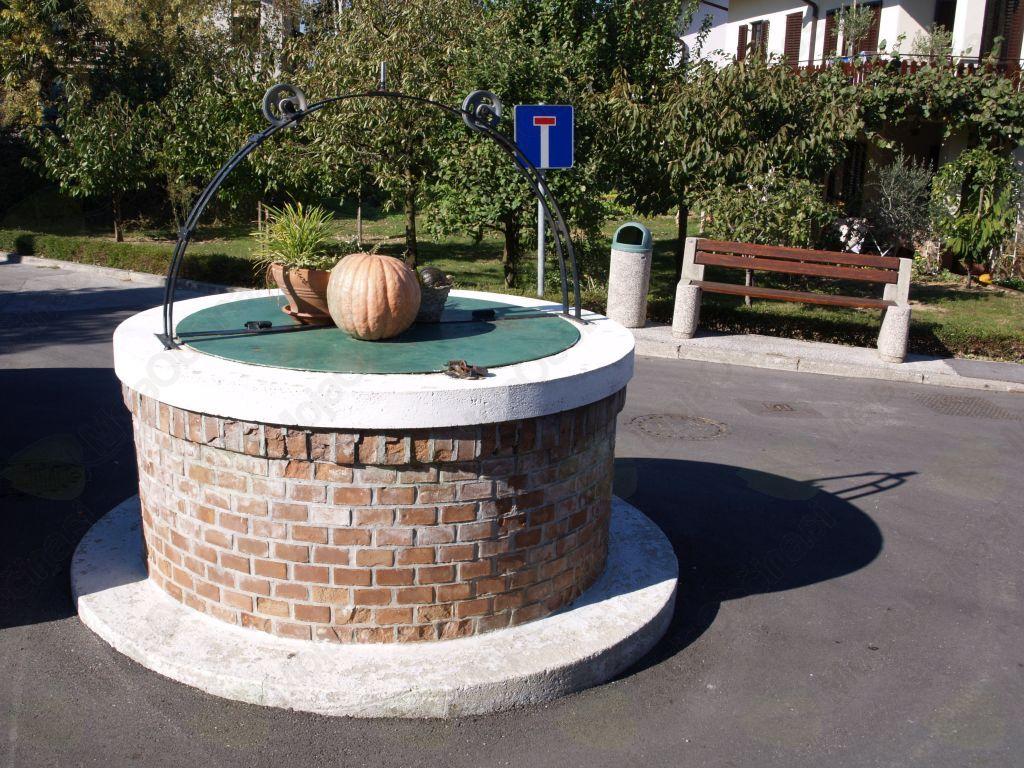
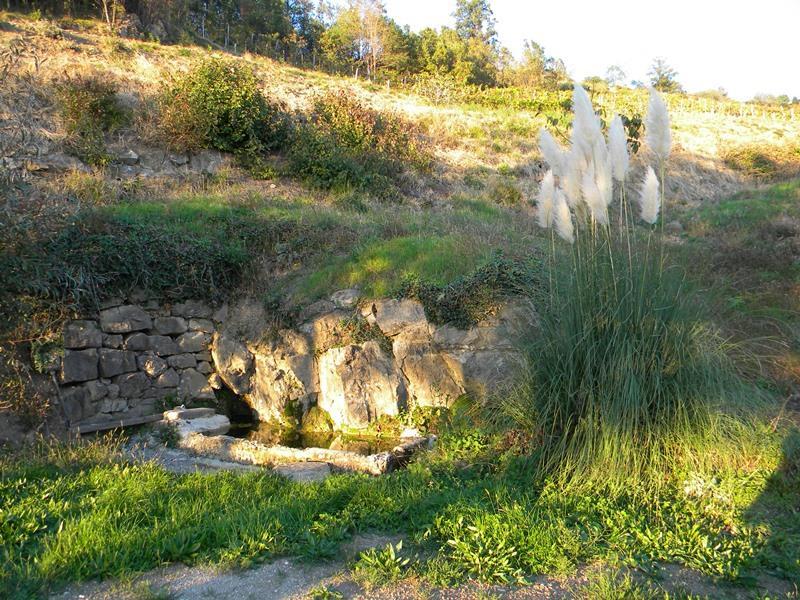
The LivingFountains project, financed by the European Regional Development Fund and national funds, set out to restore and arrange 32 village water wells and ponds as cultural-heritage monuments in the Karst border area. At project closure, local press reported 34 wells and ponds restored across five cross-border municipalities, led by the Municipality of Miren–Kostanjevica; the three-year project involved 10 partners with a budget just over €825,000, and premiered the 42-minute documentary “Ujeta voda (Captured Water)” together with a public brochure/trail concept. In Šempeter-Vrtojba, four named wells were rehabilitated, Ulica 9. septembra, Krožna cesta, Zapučke, and Cesta na Čuklje ; and, with an additional €8,000 secured within the project, a fifth well at Cesta Prekomorskih brigad was also restored; the contractor was Remont d.o.o. (Ajdovščina).Today, interpretation continues via short themed trails in Miren Kras that tell the story of wells (štirne) and karst ponds (kali) around Kostanjevica na Krasu, Vojščica and Sela na Krasu, indicating ongoing local promotion and upkeep of these features.
Last update
2025