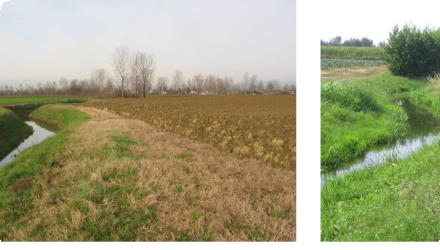
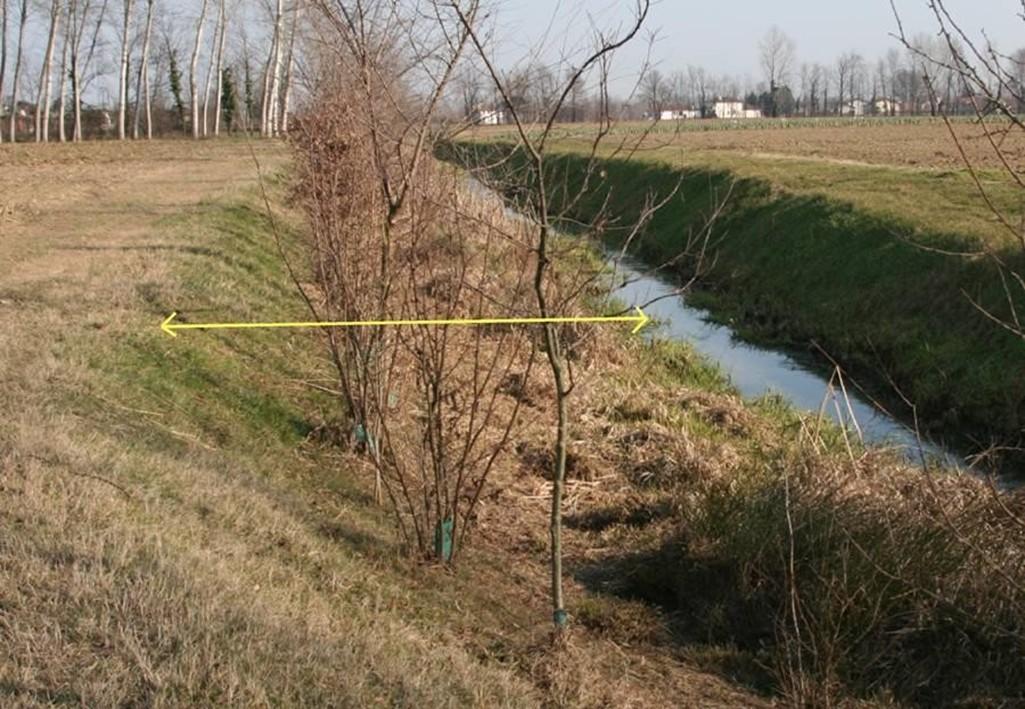
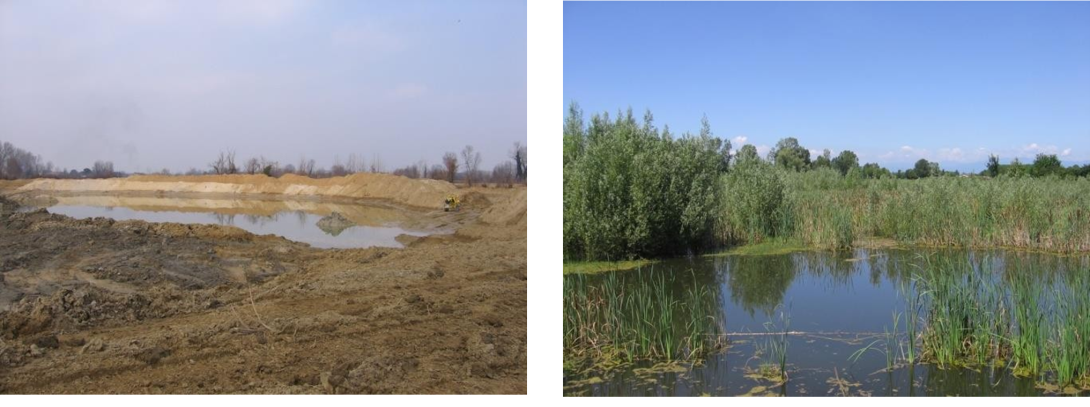
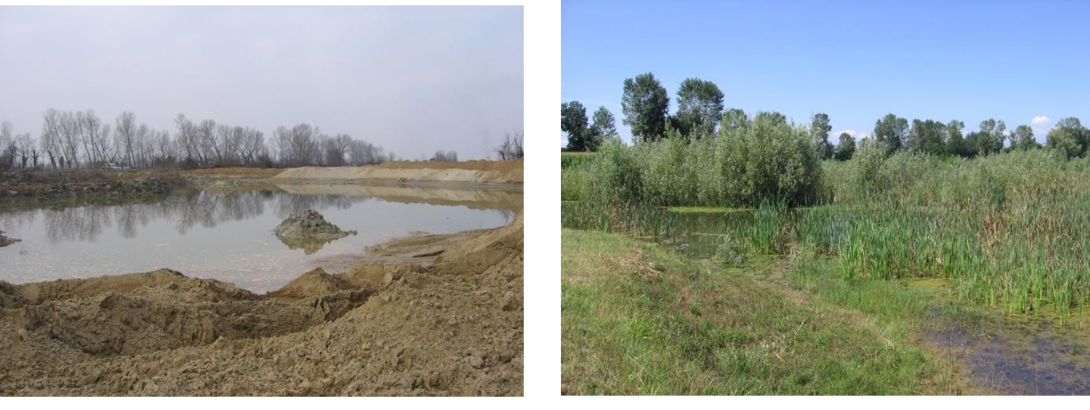
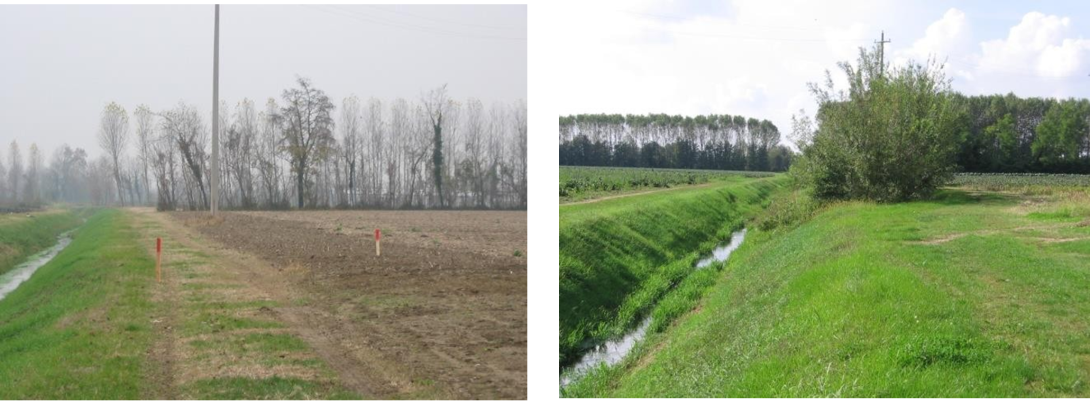
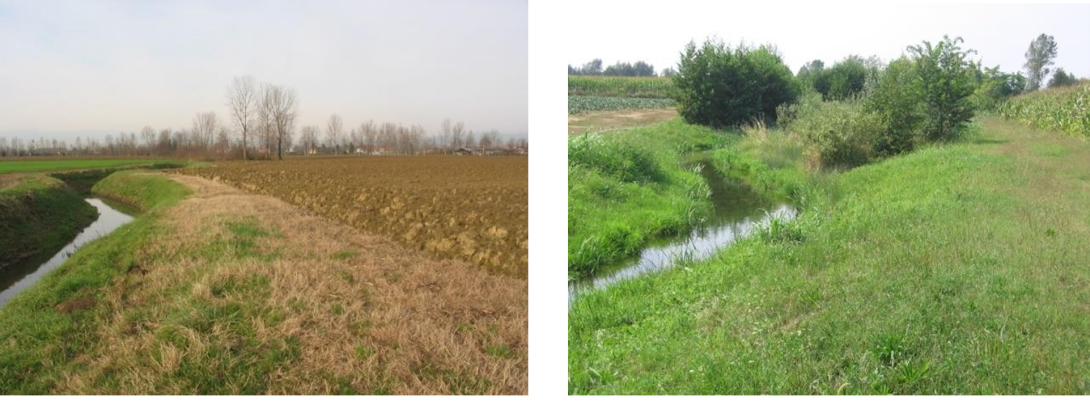
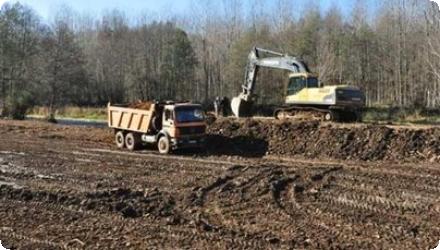
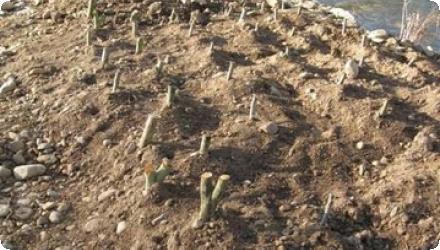
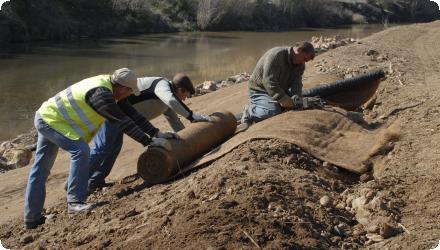
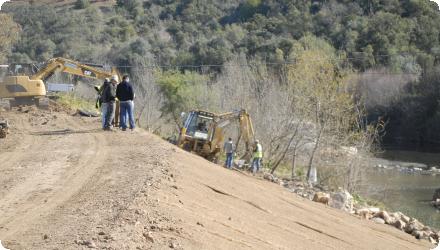
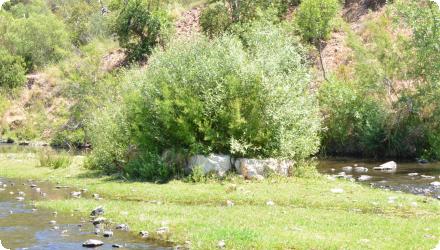
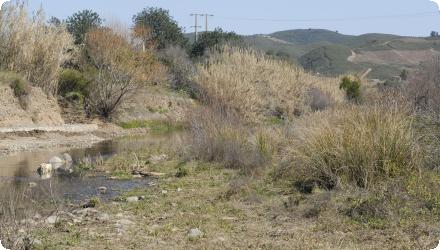
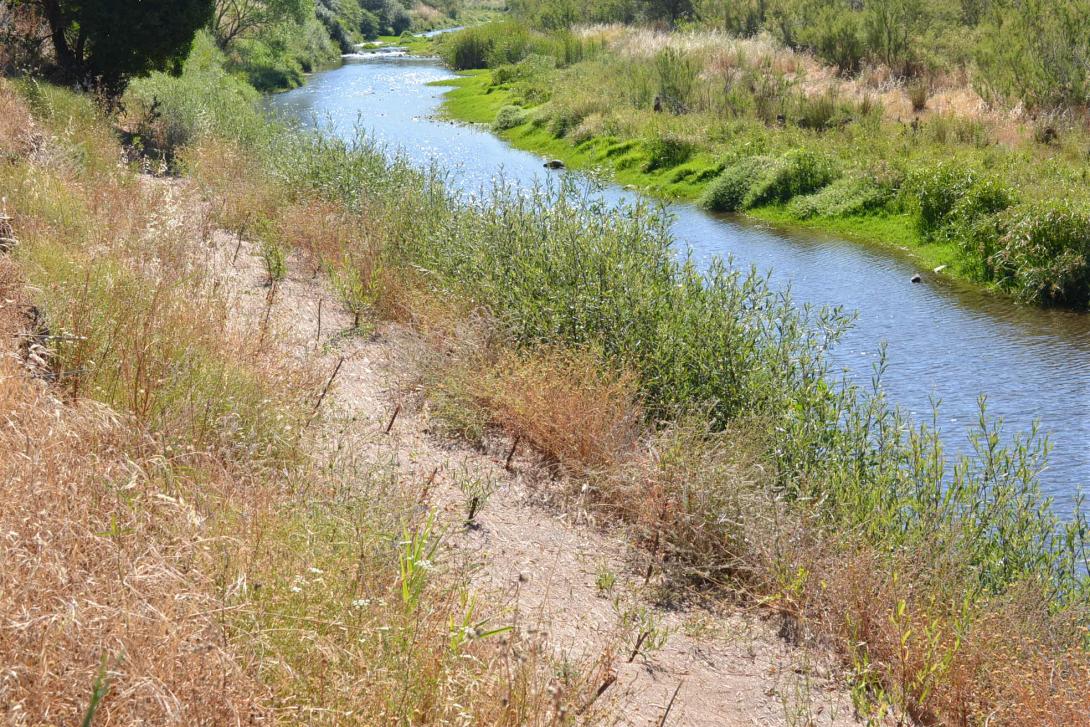
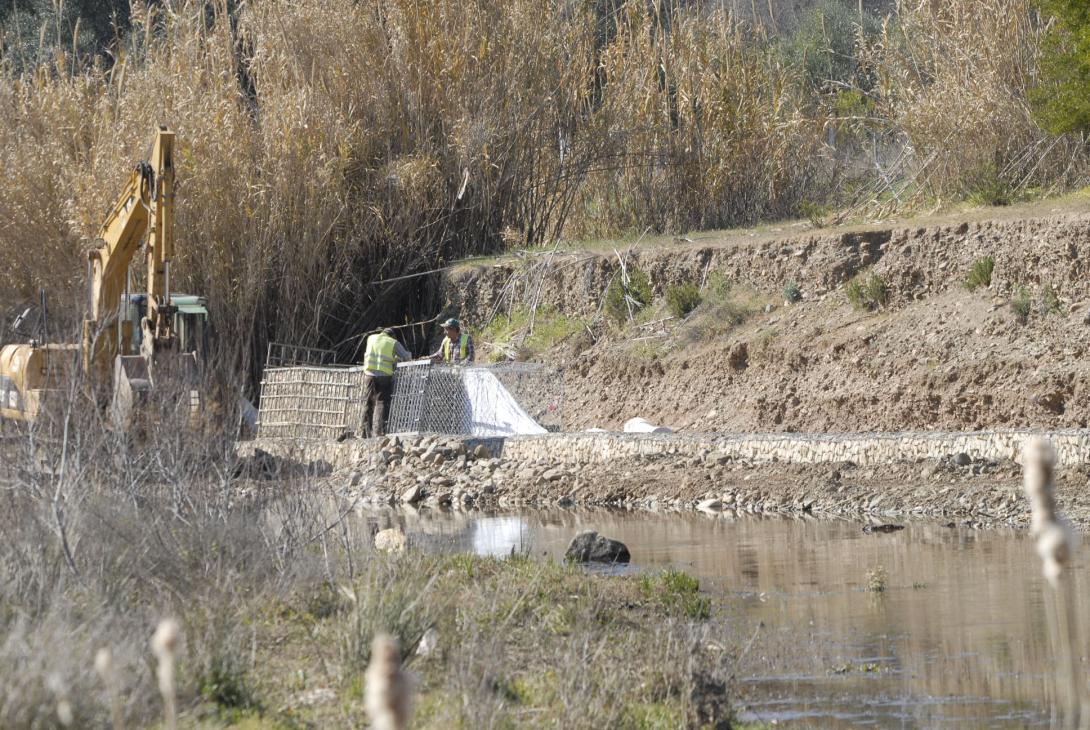
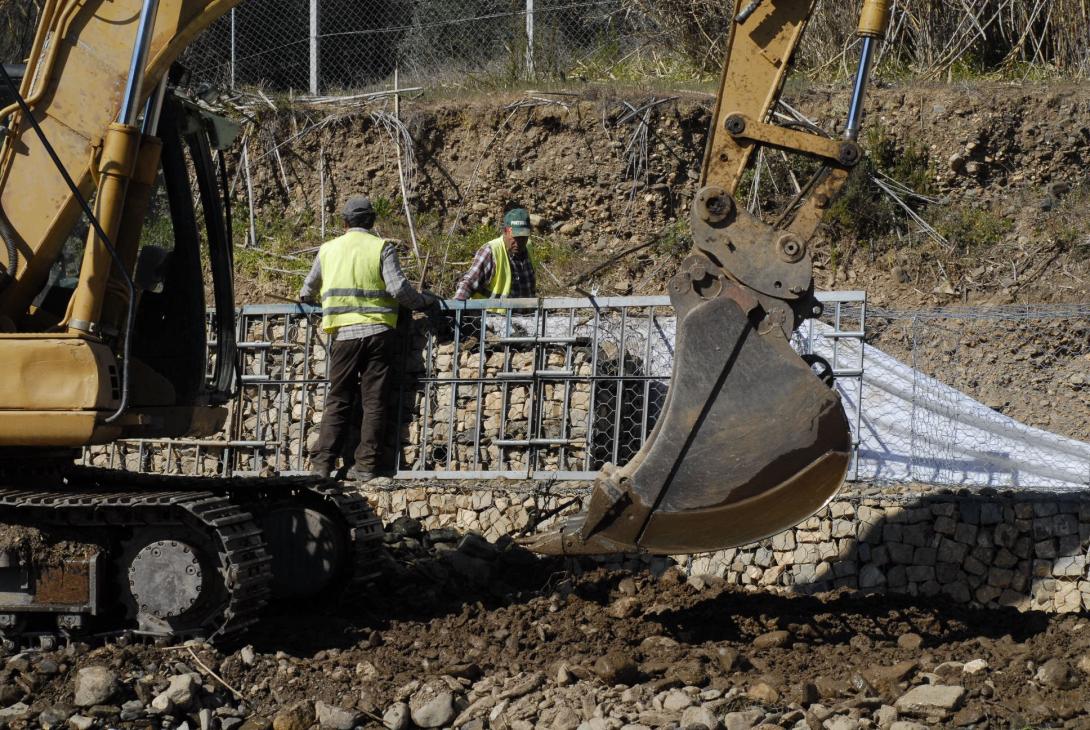
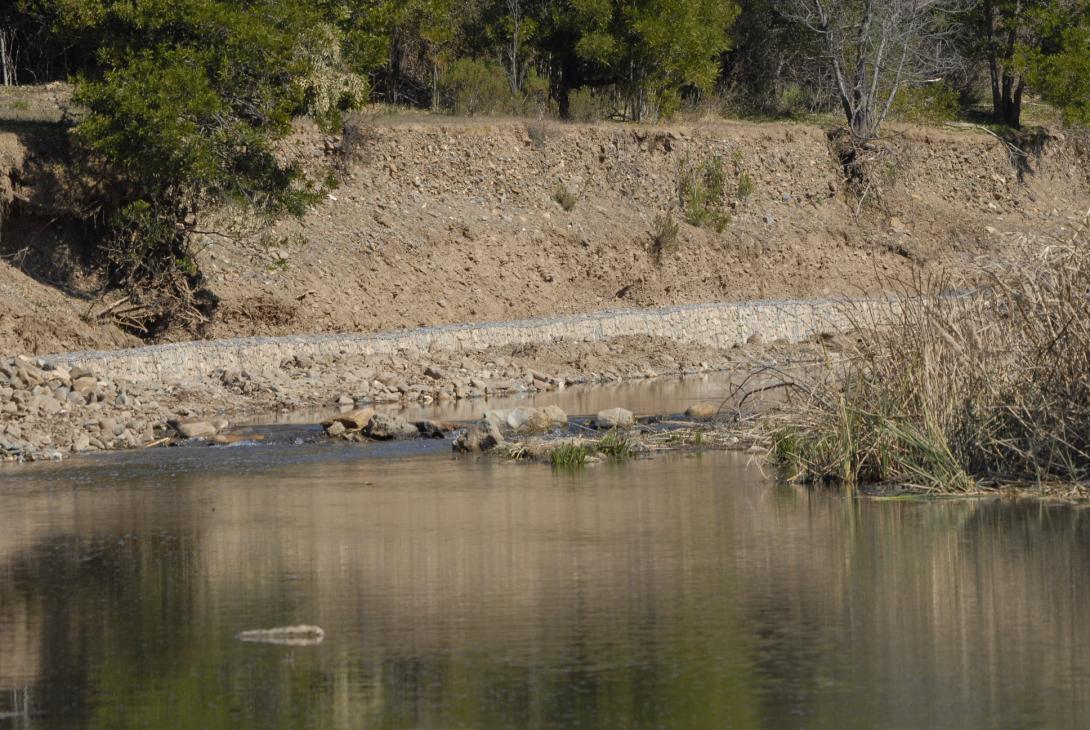
Photo gallery
Summary
The Polish governmental agreement on water retention in small‑scale infrastructures was signed in 1995 to improve the structure of the water balance of small catchments by 2015. Regional authorities (voivodships) elaborated retention development programmes, largely completed by 1996. The plan focused on small water bodies - ponds - anticipating retention gains of approximately 860 million m³ across 4 789 reservoirs.
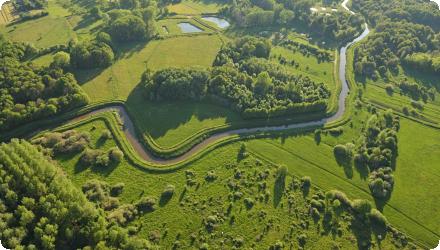
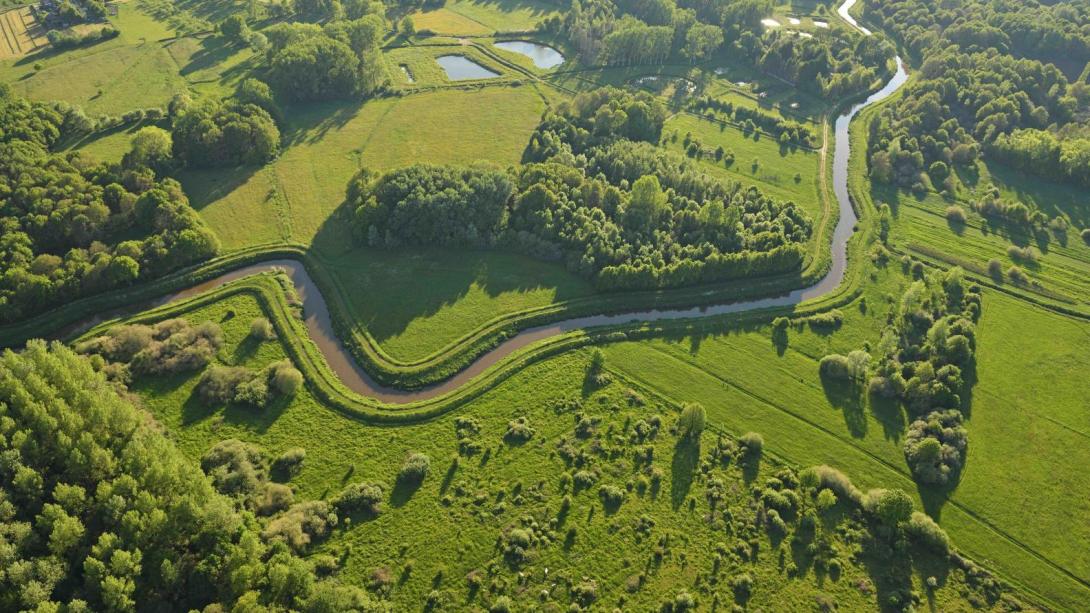
Since then, however, new initiatives and practices have emerged. The State Forests (Lasy Państwowe) have been implementing and consolidating small‑scale retention works in lowland forest ecosystems since the mid‑1990s, under EU‑funded programs. By 2014, this effort increased landscape storage from about 8.38 million m³ (2007) to roughly 31 million m³, enhancing biodiversity via wetland restoration and management.
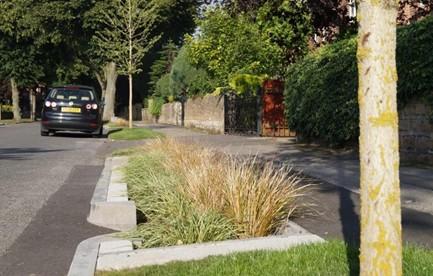
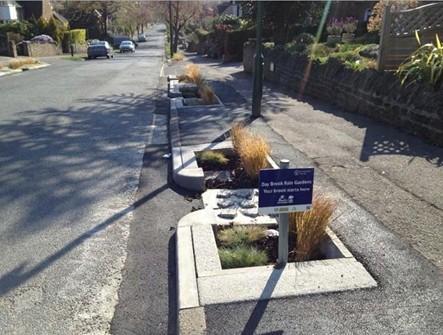
In parallel, a growing number of micro‑retention (rainwater harvesting) schemes have been observed in rural and urban contexts: individual rainwater systems for households, small reservoirs, and green‑blue infrastructure, used to counter drought, reduce stormwater runoff, and support local water availability.
However, the national “My Water” subsidy programme (2020–2024), which supported residential micro‑retention installations, is not being continued in 2025. Instead, many municipalities now offer their own incentives and grants - for example in Goleszów, Gostyń, Warsaw, and Lubliniec - supporting rainwater retention systems with varying subsidy levels.
Since then, however, new initiatives and practices have emerged. The State Forests (Lasy Państwowe) have been implementing and consolidating small‑scale retention works in lowland forest ecosystems since the mid‑1990s, under EU‑funded programs. By 2014, this effort increased landscape storage from about 8.38 million m³ (2007) to roughly 31 million m³, enhancing biodiversity via wetland restoration and management.
In parallel, a growing number of micro‑retention (rainwater harvesting) schemes have been observed in rural and urban contexts: individual rainwater systems for households, small reservoirs, and green‑blue infrastructure, used to counter drought, reduce stormwater runoff, and support local water availability.
However, the national “My Water” subsidy programme (2020–2024), which supported residential micro‑retention installations, is not being continued in 2025. Instead, many municipalities now offer their own incentives and grants - for example in Goleszów, Gostyń, Warsaw, and Lubliniec - supporting rainwater retention systems with varying subsidy levels.
Last update
2025