Completed

Summary
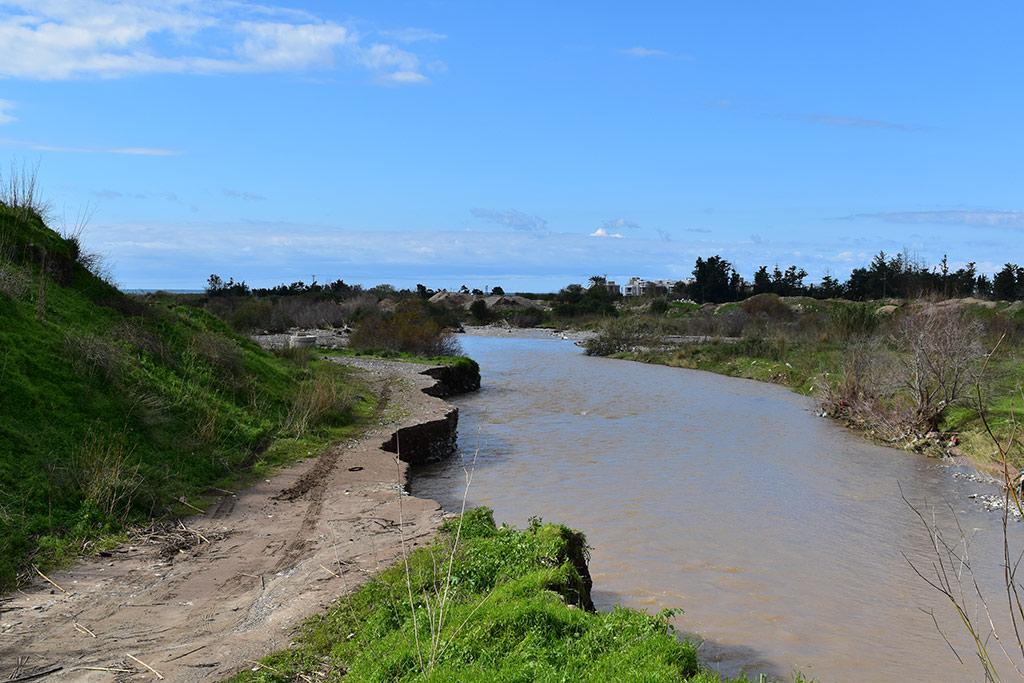
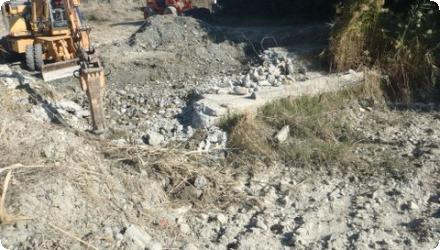
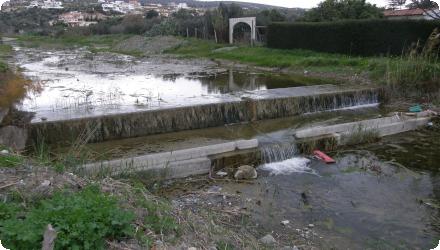
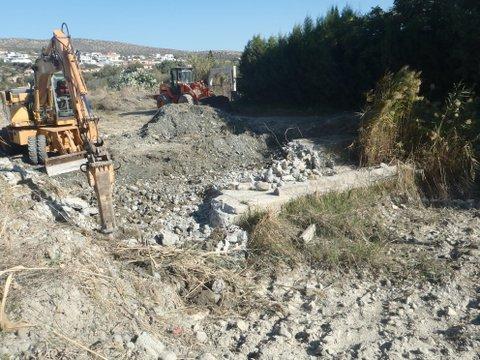
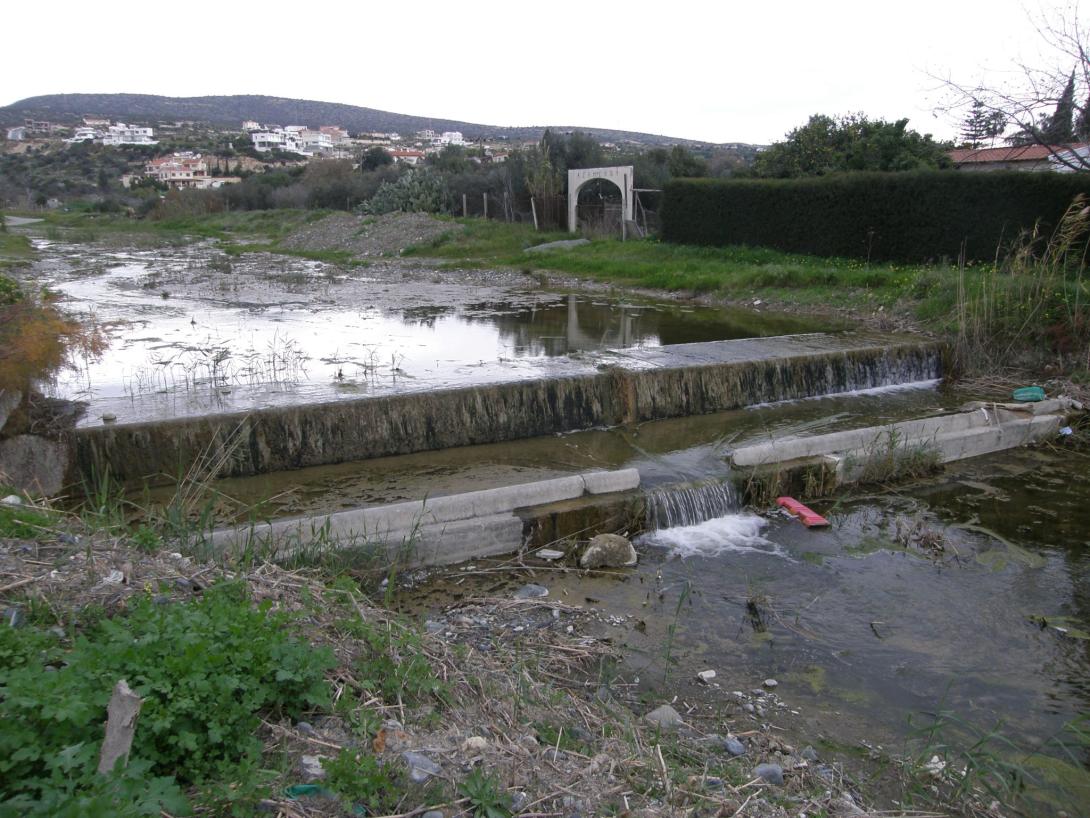
Germasogeia (Amathos) River crosses Yermasoyia municipality near Limassol. The measure, launched in 1982, restores natural purification and recharge of the Germasogeia alluvial aquifer, processes disrupted by the upstream dam. It works by gradual reservoir releases while maintaining the riverbed’s high transmissivity. Monitoring includes flows at four weirs, groundwater levels in observation wells and coastal salinity; pumped water supplies Limassol and nearby communities.

More recently, the Water Development Department (WDD) and academic partners developed and validated optimisation models (2016–2019) on WDD data to keep target water tables with lower release volumes, formalising the conjunctive-use operation. In 2015, a 1–1.5 m concrete weir on the Germasogeia was removed within a hydromorphological restoration project; it had reportedly been built to enhance recharge. In parallel, desalination capacity serving Limassol (e.g., Episkopi, Vasilikos, and new/expanded units) now provides a major share of potable supply, easing pressure on the aquifer in dry years. In the wider district, WDD also operates a separate MAR scheme at Akrotiri (17 recharge ponds, since 2016) using tertiary-treated effluent against seawater intrusion.

Overall, Germasogeia remains a long-running SAT/MAR scheme, now embedded in a diversified water-supply system and supported by modelling and river restoration actions.
Last update
2025
Summary
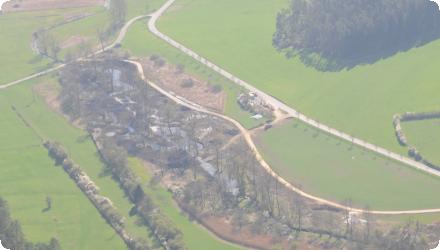
The Ernz Blanche (Luxembourg) river restoration sought to undo channelisation that had uniformised the river and increased downstream flooding. It relocated the watercourse into the thalweg, widened and/or raised the bed, re-meandered the channel, backfilled the former bed, restored adjacent streams, redesigned pipeline connections, and redeveloped areas around hydraulic structures.

After the 2002 feasibility, major works were delivered in 2010–2011 on the Koedange–Supp reach (~5 km), reducing flood peaks at Larochette (–3.8 m³/s; –25 cm) and creating ~110,000 m³ of storage (project cost ≈ €1.52 m). In 2016, longitudinal continuity downstream at Ernzen was restored via a pool-type fish pass at Wehnschelt and a rough ramp at Milleboesch. The project area has also been tied into the PC5 cycle path and Natura 2000 management.

Under Luxembourg’s 2021–2027 Flood Risk Management Plan, additional riverbed restoration and space-for-river measures are listed/advancing on several reaches, incl. 417 m at Larochette; 1,102 m along CR119 at Ernzen (in implementation); 2,739 m at Altlinster; and 629 m at Medernach. Recent 2025 decisions cover local flood-protection works and targeted sediment removal in Larochette, while continuous hydrometric monitoring at station “Larochette / Ernz Blanche” supports ongoing management.
Last update
2025
Summary
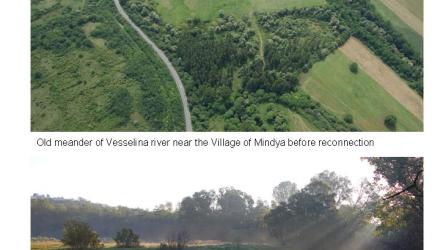
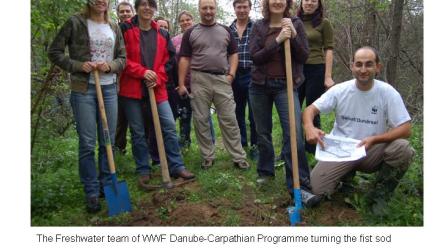
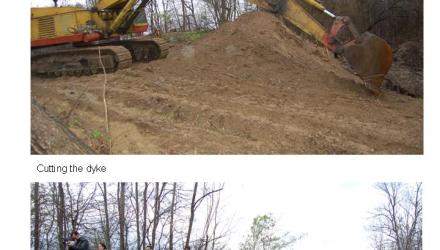
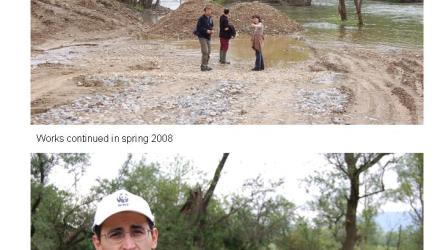
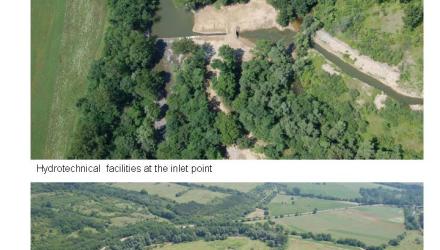
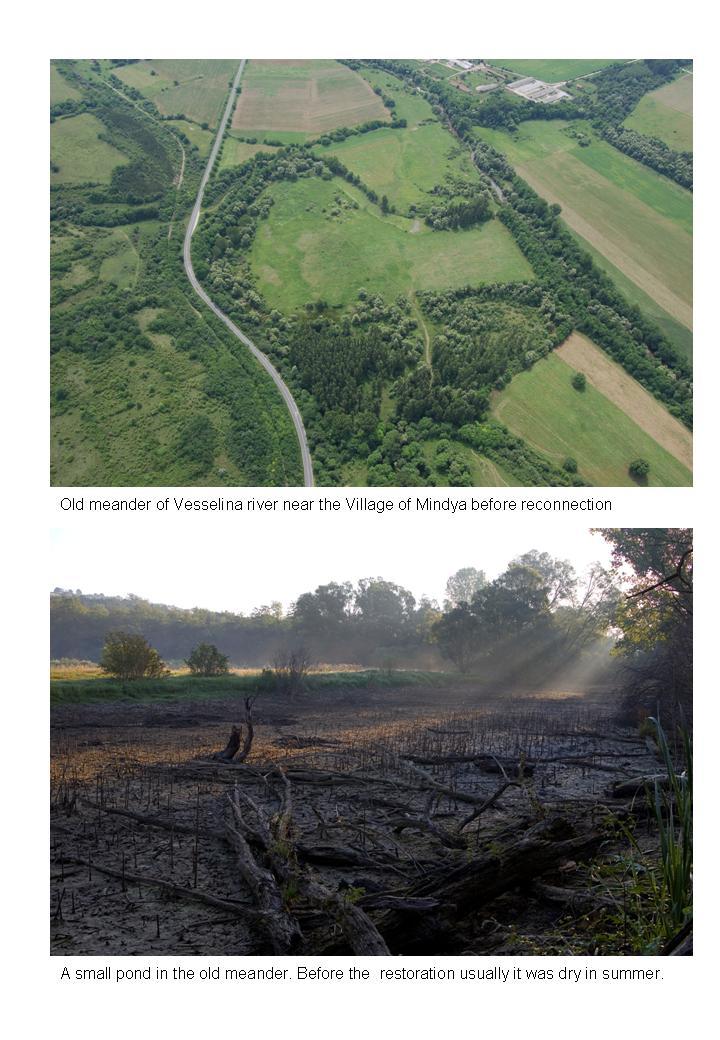
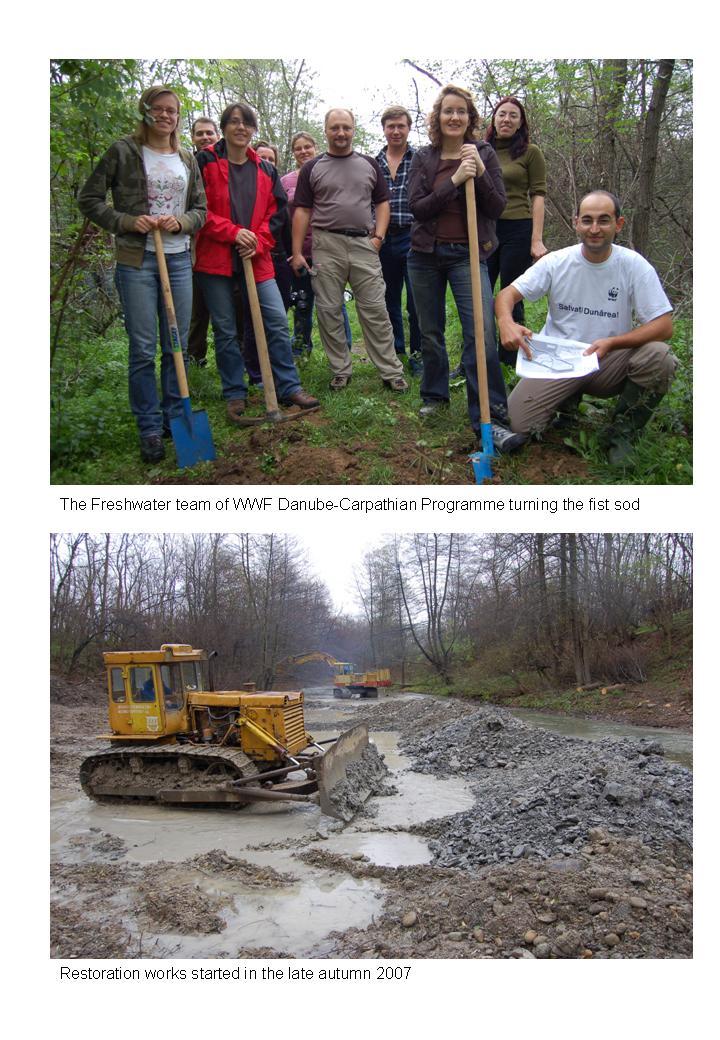
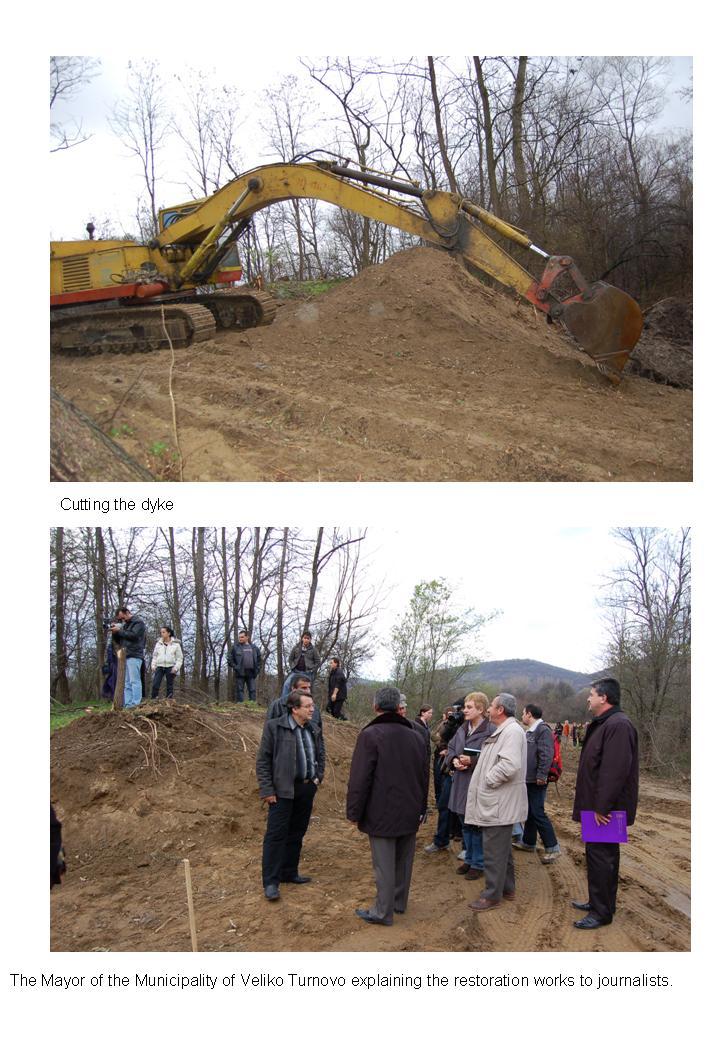
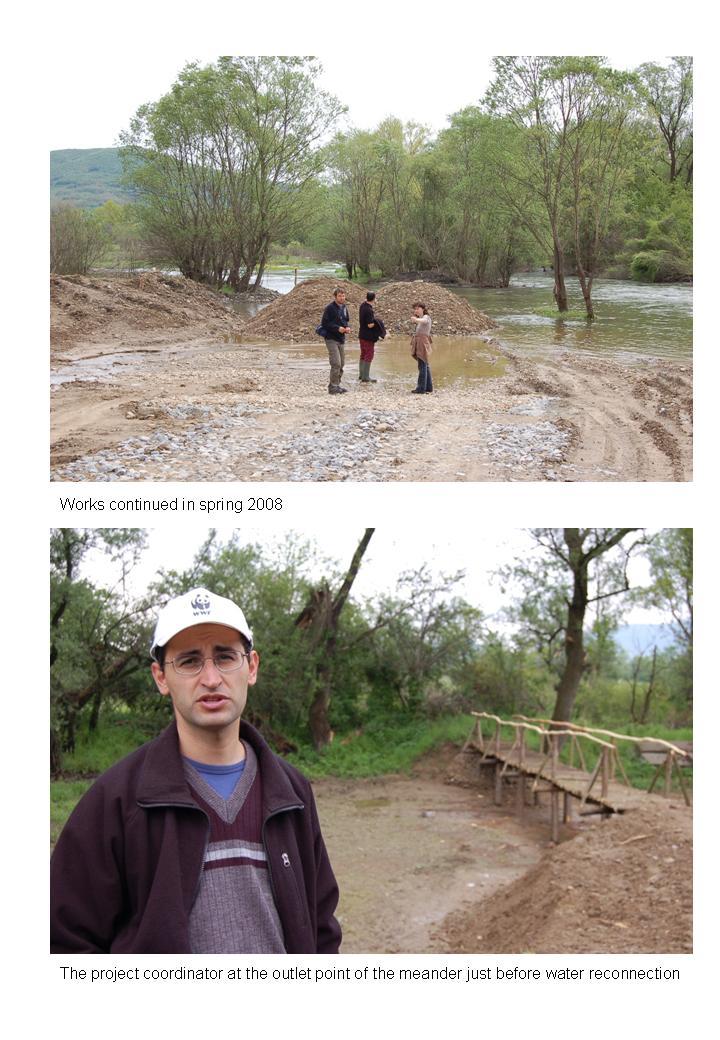
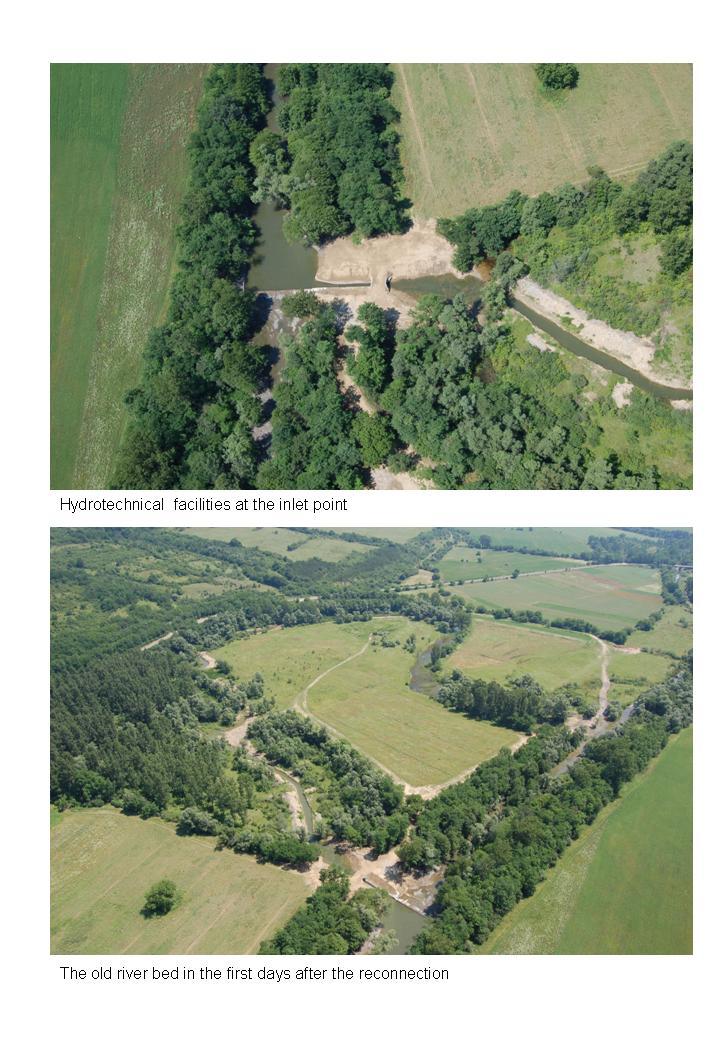
WWF’s Danube-Carpathian Programme, together with residents of Mindya (Veliko Tarnovo), reconnected the Veselina River to a former meander near the village. When the bend was cut off in the past the channel incised by ~150 cm, so a low sill was built (works 2007–2008) to raise water levels and route flow back into the old course.
The reconnection now creates slower, warmer waters that support breeding habitat for fish and birds and add retention during high flows.
Project timeline: initiated 2005, works completed April 2008; total cost ≈ €76 k funded by WWF and the DOEN Foundation. The reach lies on WFD water body BG1YN130R029, classified as HMWB.
In May 2012 the site was legally designated the “River Veselina” Protected Area, announced by the Ministry of Environment and Water on the International Day for Biological Diversity; the designation explicitly includes the restored meander. The protected area covers about 98.6 ha between Kapinovo and Mindya.
Since designation, local biodiversity work has documented amphibian and reptile assemblages within the protected area, adding evidence of habitat value.
Last update
2025
Summary
Along the lower ~8 km of the Ezousa riverbed near Paphos, a MAR/SAT scheme uses the aquifer as a natural reservoir: tertiary-treated effluent from the Paphos WWTP is conveyed to infiltration ponds in the riverbed, naturally filtered, stored and later abstracted for irrigation. Built in 2003, the system comprises five pond groups (23 basins in total) supplied by a 500-mm main, with a design capacity of roughly 9,000–12,000 m³/day. Annual recharge increased from ~1.63 Mm³ (2004) to 4.44 Mm³ (2015); WDD’s assessment (2006–2015) reported no adverse effects attributable to recharge, with only occasional chlorination by-products detected downstream. Research at the site indicates slight attenuation of nutrients and notes copper in groundwater exceeding EPA standards, likely of geogenic origin. Today, all reclaimed water produced in Paphos is routed to the Ezousa aquifer and then pumped and distributed for irrigation through the government network.
Since 2021, real-time sensors (water level, EC, temperature) linked to the INOWAS platform complement routine sampling, strengthening operational control.
Last update
2025
Summary
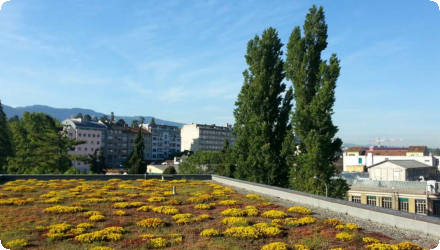
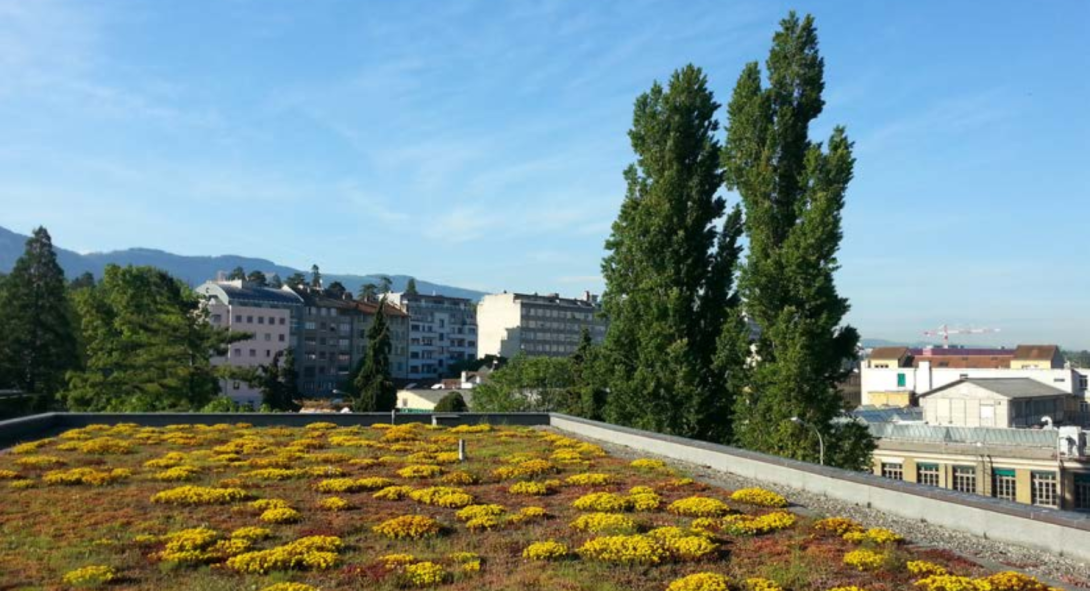
Located in Geneva, this case describes the long-running programme of green roofs at the University Hospitals of Geneva (HUG). The first roof (≈0.55 ha, 1993) was designed to retain ~30.25 m³/day; compared with a conventional roof it retains about 60% of runoff, while also recreating urban habitat. Since then the scheme has expanded: in 2023 HUG added 2,835 m² on three buildings (Maison de l’enfance et de l’adolescence, Adult Emergency extension, GIBOR). After a full inventory in 2024, HUG reports more than 11,900 m² of vegetated roofs across its sites.
Local monitoring in Geneva (TVEG/HEPIA) confirms hydrologic benefits beyond the original design assumptions: storm peaks are delayed and attenuated, with up to ~75% reduction for a summer event (and ~48% in winter), and a larger share of water returned by evapotranspiration (~61%) relative to a reference roof. The Canton’s “Nature en ville” programme documents biodiversity outcomes and provides up-to-date technical guidance; at cantonal level, compliant green roofs can lower stormwater fees.
Last update
2025
Summary
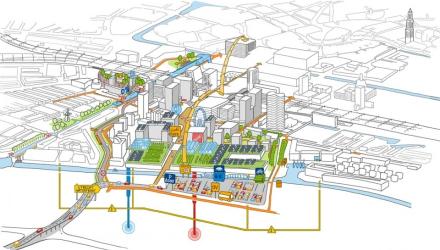
Leidsche Rijn is no longer only “under development”: the VINEX new town has largely been delivered (c. 1997–2025; ~30,000 homes). The original ambition was to retain stormwater on site, minimise imports of poor-quality water, and use extensive SuDS. It has been realised as a near-closed urban water system. Rainwater is stored and infiltrated via wadis/bioswales, canals and ponds; the Haarrijnseplas functions as the seasonal buffer and as a public bathing lake. The system is actively managed by water authority HDSR through circulation and level control with large pumping stations (e.g., Vleuterweide and Terwijde; Vleuterweide’s two pumps move ~107 m³/min). Utrecht has tightened rainwater policy, prioritising reuse → retention/infiltration → discharge and incentivising disconnection from sewers. Routine monitoring now covers wadi performance (annual coring for 10–15 pollutants and renewal of the top layer when saturated); vertical sand/reed filters are used to polish water before inflow to Haarrijnseplas. Recreation and ecology remain integral, with recent seasons reporting good bathing-water status.
Last update
2025
Summary
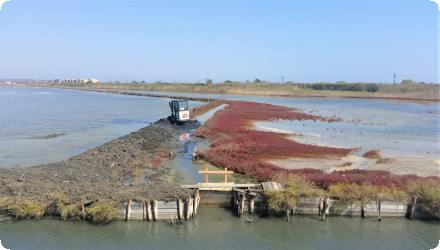
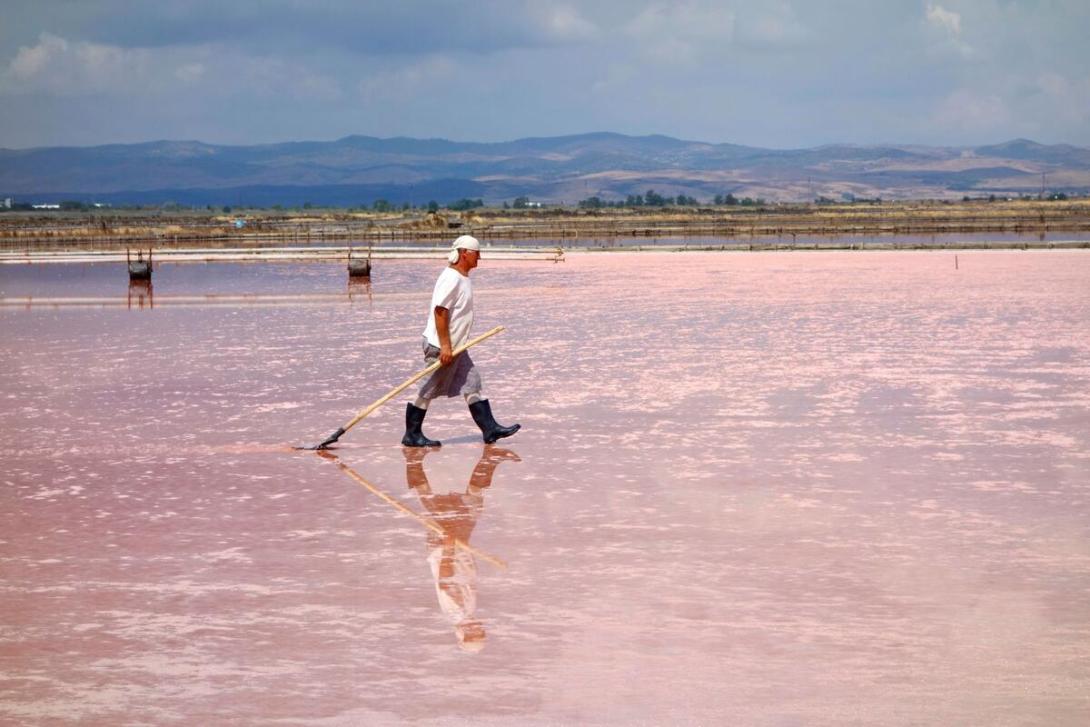
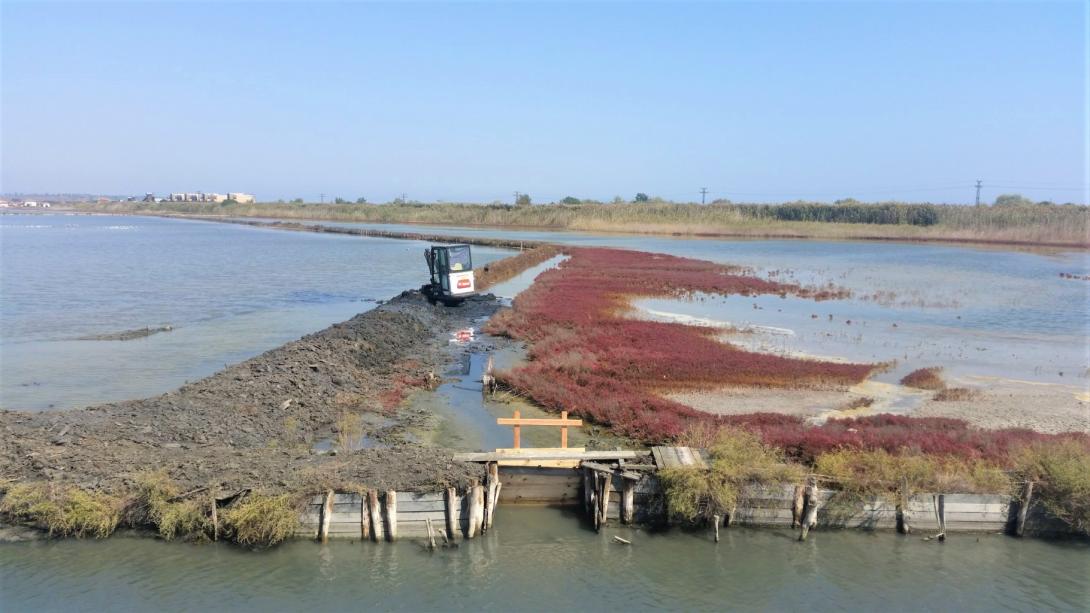
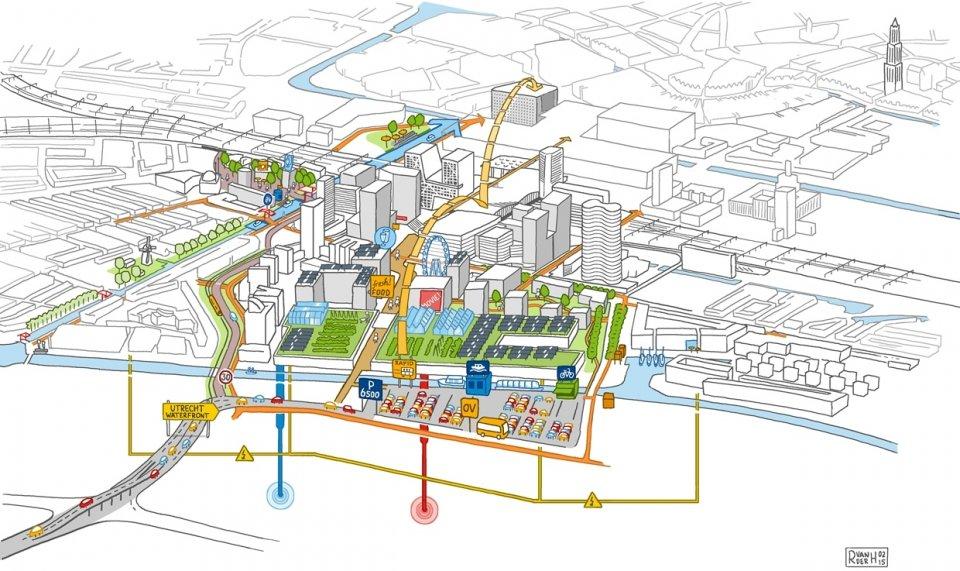
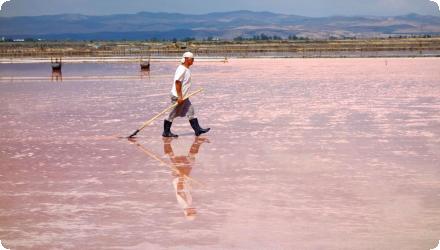
The Salt of Life project (LIFE11 NAT/BG/000362) restored the lagoon’s water-management infrastructure at Atanasovsko Lake by repairing dykes and barriers, dredging 23 km of the perimeter channel and rehabilitating 20.5 km of embankments to secure long-term habitat conditions for roosting and breeding birds. Building on this, Lagoon of LIFE (LIFE17 NAT/BG/000558, 2018–2024) scaled up restoration: three major earth dikes (~5.8 km) were rebuilt, 17.6 km of mini-dikes restored and 14.3 km of internal saline channels cleaned; the North sea sluice was repaired in 2021. These actions increased water exchange more than fourfold, stabilised water levels and salinity, improved oxygen, and reduced chlorophyll-a - directly improving ~220 ha with positive effects across >700 ha. A pilot, low-impact method using a mini-excavator to build/maintain mini-dikes reduced cost, time and disturbance and has been widely applied. Macrophyte recovery advanced with Ruppia maritima transplanted (TERFS/Chimove), establishing three self-reproducing colonies. In 2024, Greater Flamingo bred here for the first time in Bulgaria. An After-LIFE plan and an active Public Advisory Council support ongoing maintenance with Black Sea Salinas, strengthening resilience to extreme rainfall and safeguarding salt-extraction infrastructure and lagoon habitats.
Last update
2025
Summary
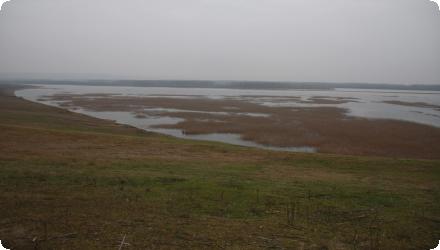
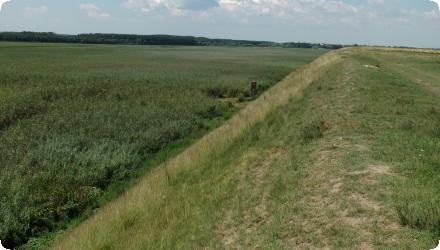
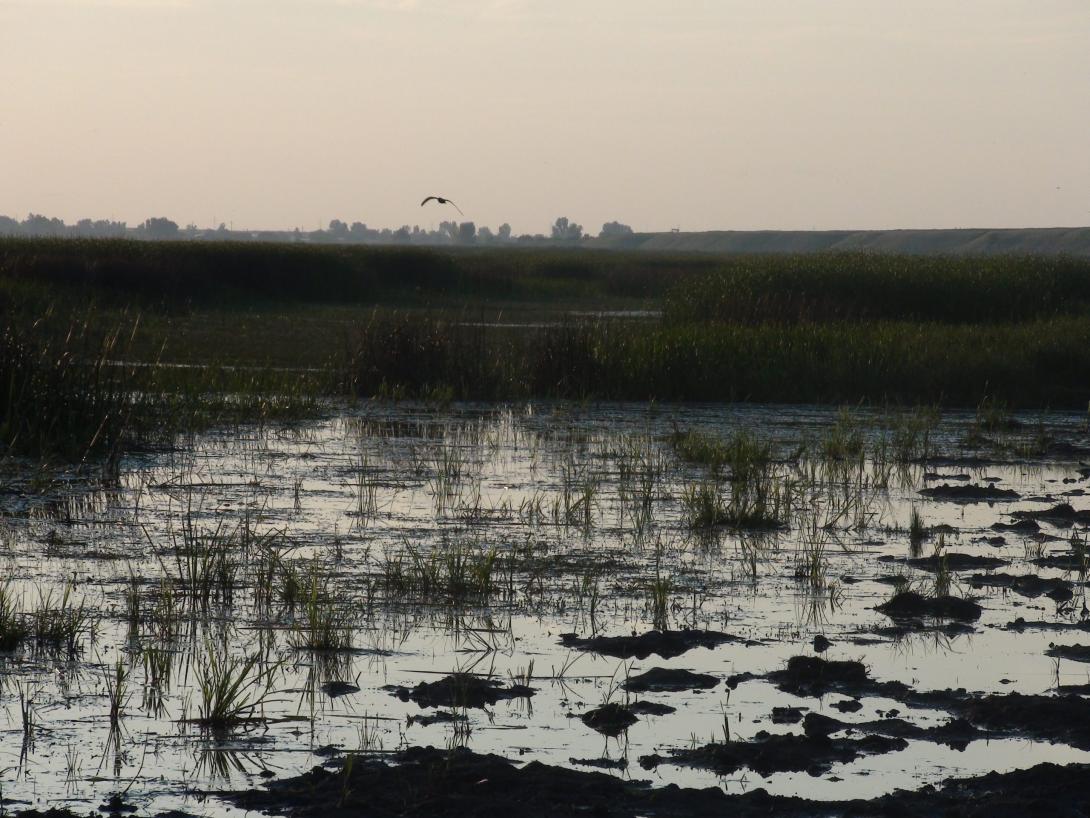
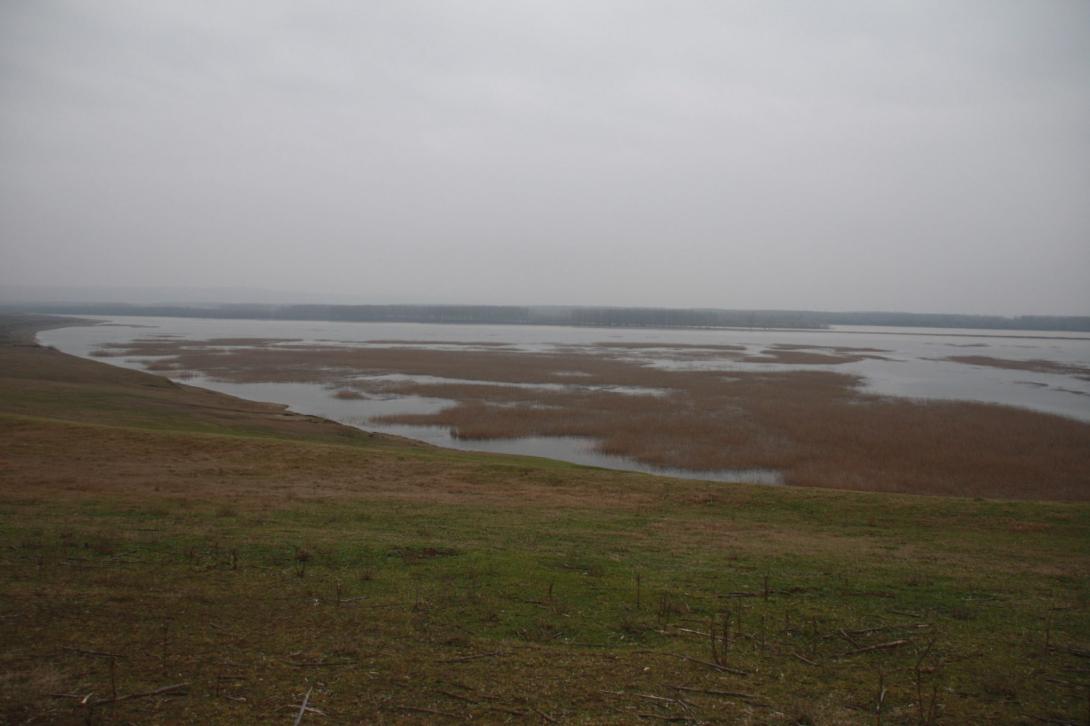
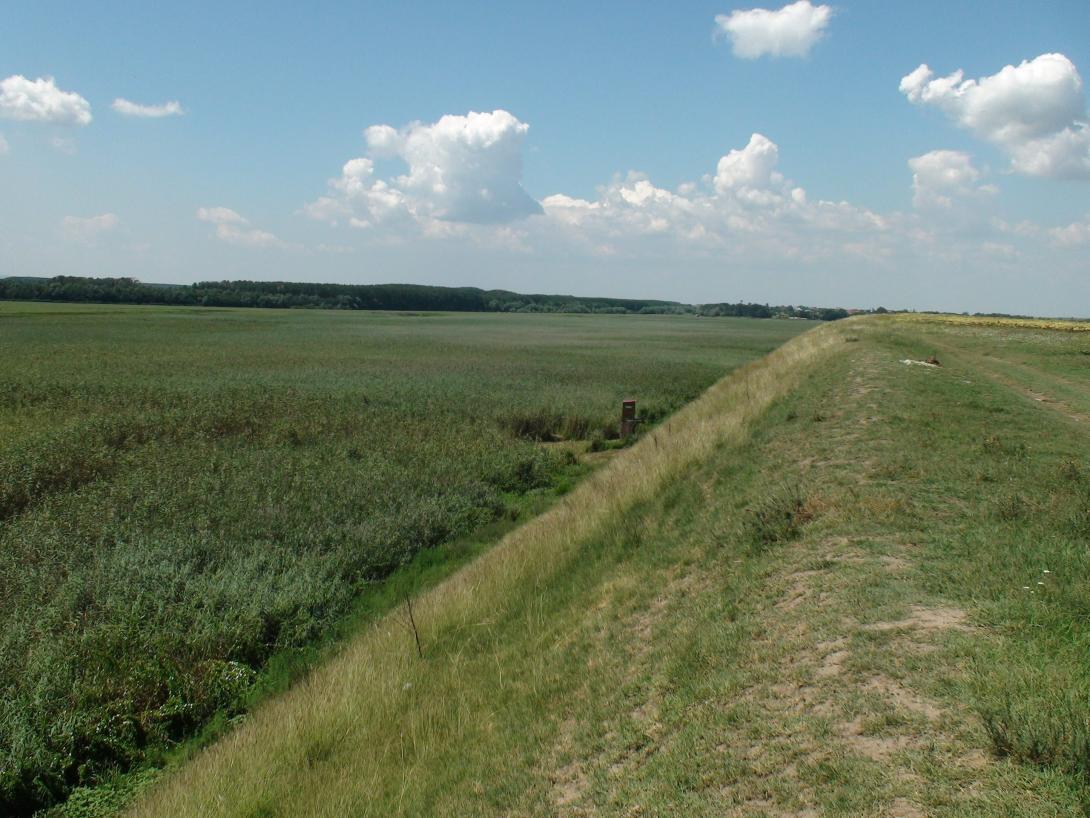
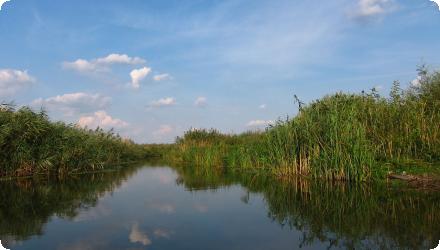
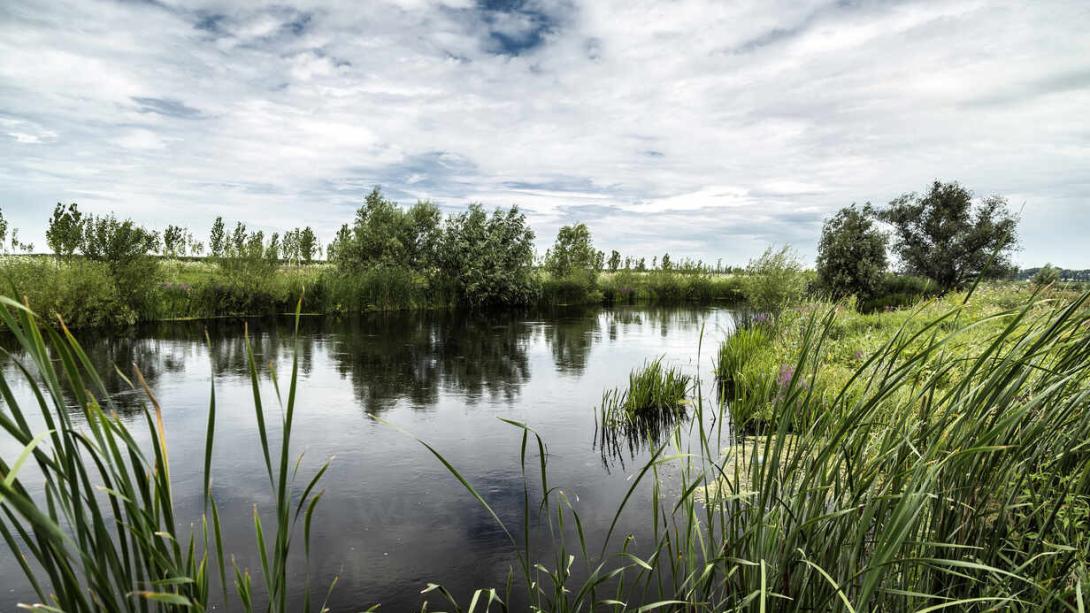
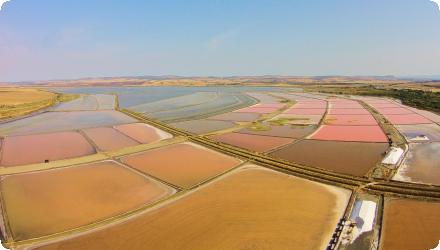
Gerai (Balta Geraiului), a Danube floodplain between Gârcov and Islaz, was restored under the LIFE+ “Green Borders” project. Works completed in 2011 reinstated the hydrological regime on about 1,000 ha to secure breeding water levels and open-water patches for Ferruginous Duck (Aythya nyroca) and Pygmy Cormorant (Microcarbo pygmaeus). Since then, the area has gained stronger protection and outreach: on 13 June 2012 it was designated as part of the Olt–Danube Confluence Ramsar Site (46,623 ha), and in June 2013 WWF, APM Olt and local communities opened a visitor observation point at Gerai. Governance has also been updated: in May 2023 Romania approved the official management plan for the Natura 2000 sites ROSPA0024 “Olt–Danube Confluence” and ROSCI0044 “Corabia–Turnu Măgurele”, which cover the Gerai area. Recent pressures include recurring reed/grass fires; in August 2022, over 600 ha around Islaz in the “Teleorman Delta”, including Balta Geraiului, burned. Overall, the project’s hydrological reconnection and bird-habitat aims remain relevant, now framed by Ramsar and Natura 2000 planning, while fire management is an ongoing challenge.
Last update
2025
Summary
The main objective of the project is to conserve the biodiversity, the natural habitats, the wild species of flora and fauna and to assure an efficient management of protected natural areas, in particular, management of the ecological network Natura 2000 through reconstruction of Comana Wetland within Giurgiu County.
Comana Wetland restoration (2009–2011) in Comana Natural Park (Giurgiu County) built a small dam with sluice on the Neajlov and a fish pass, raised and stabilised water levels (~490 ha), set up ecological monitoring and visitor infrastructure, and supported Natura 2000 management and biodiversity gains. Since then, management has been updated: the park’s management plan was approved by ministerial order in May 2022. Navigation on Balta Comana/“Neajlov Delta” is now regulated (county regulation in 2022 and a national order in Feb 2024). The county also initiated a concept for a second restoration phase (“REBACO 2”, 2021) and launched feasibility/design steps. Recent monitoring and studies include a 2021 water-quality survey and analyses of ichthyofauna dynamics. In 2024, an exceptional drought led to near-complete drying of Balta Comana with short-term ecological and tourism impacts reported; local environmental press noted a return of water after autumn–winter rains in January 2025. These developments underline the need for continued maintenance of hydraulic works and adaptive, drought-resilient management.
Last update
2025
Summary
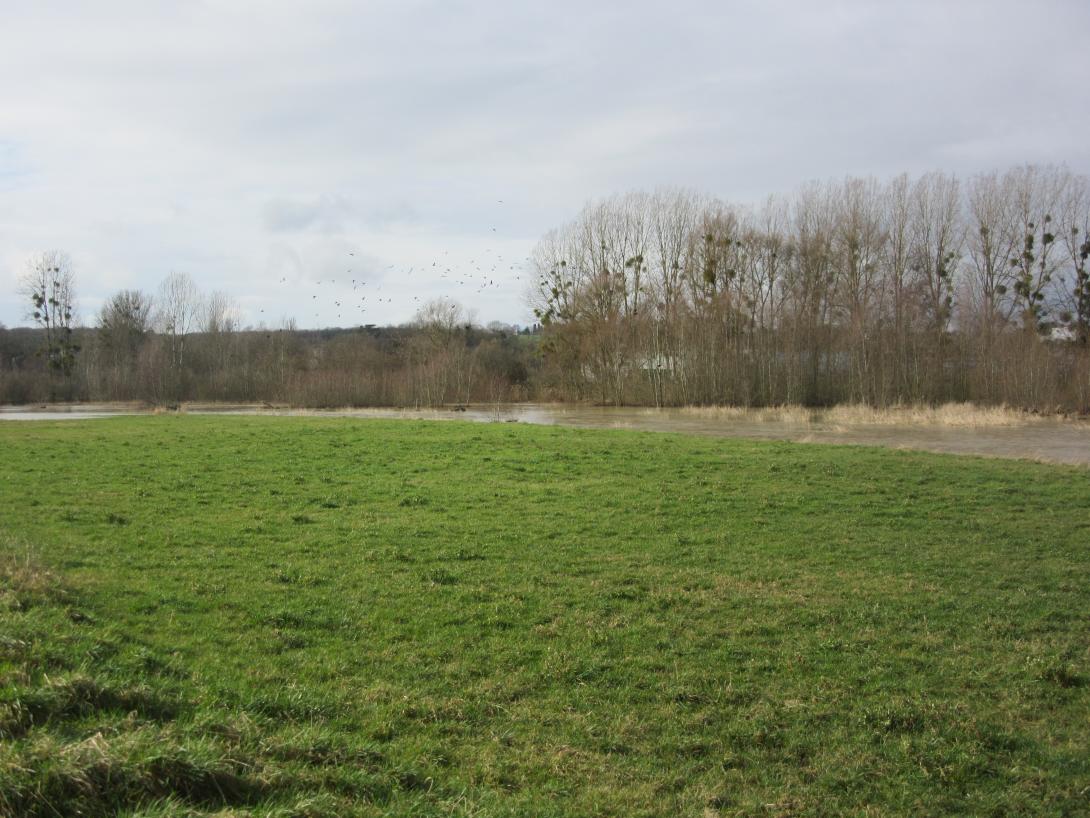
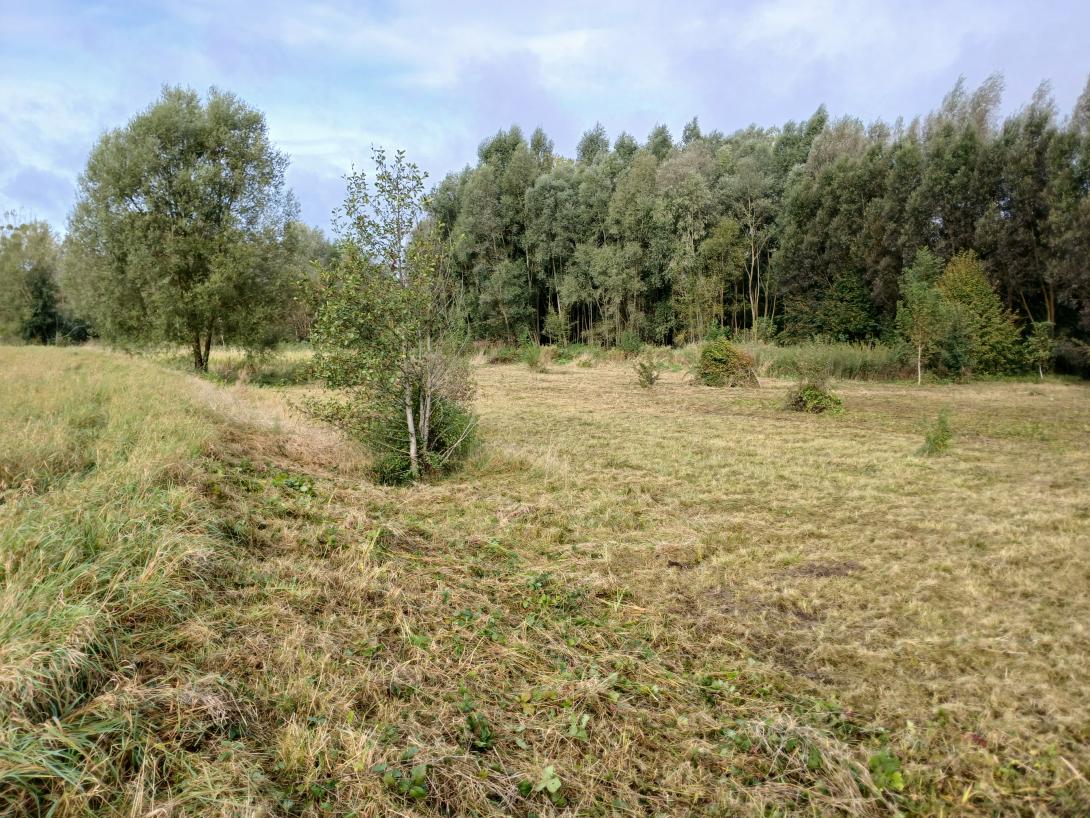
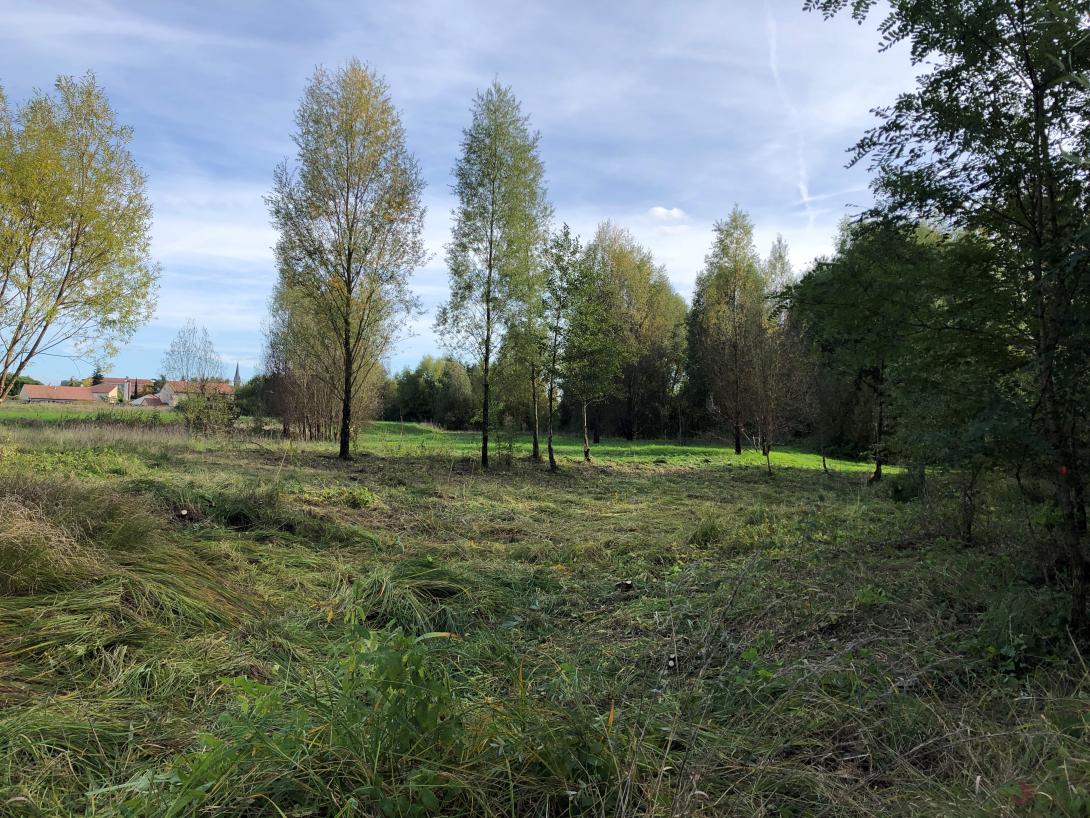
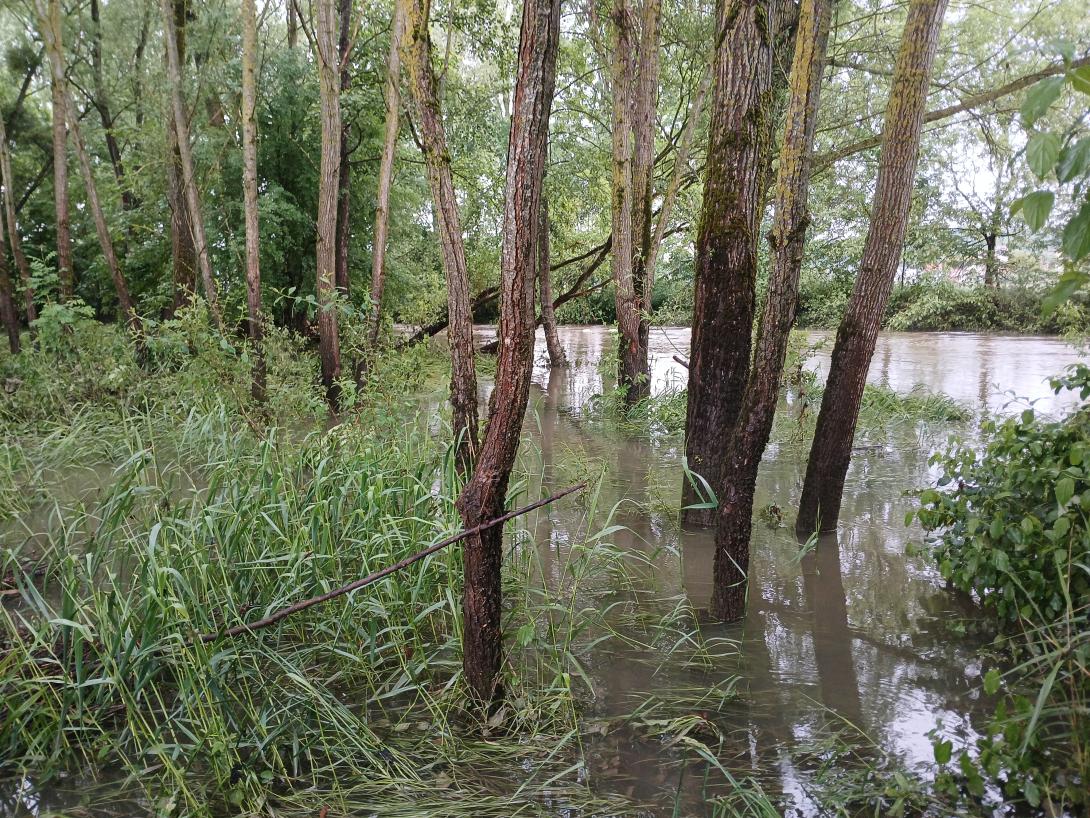
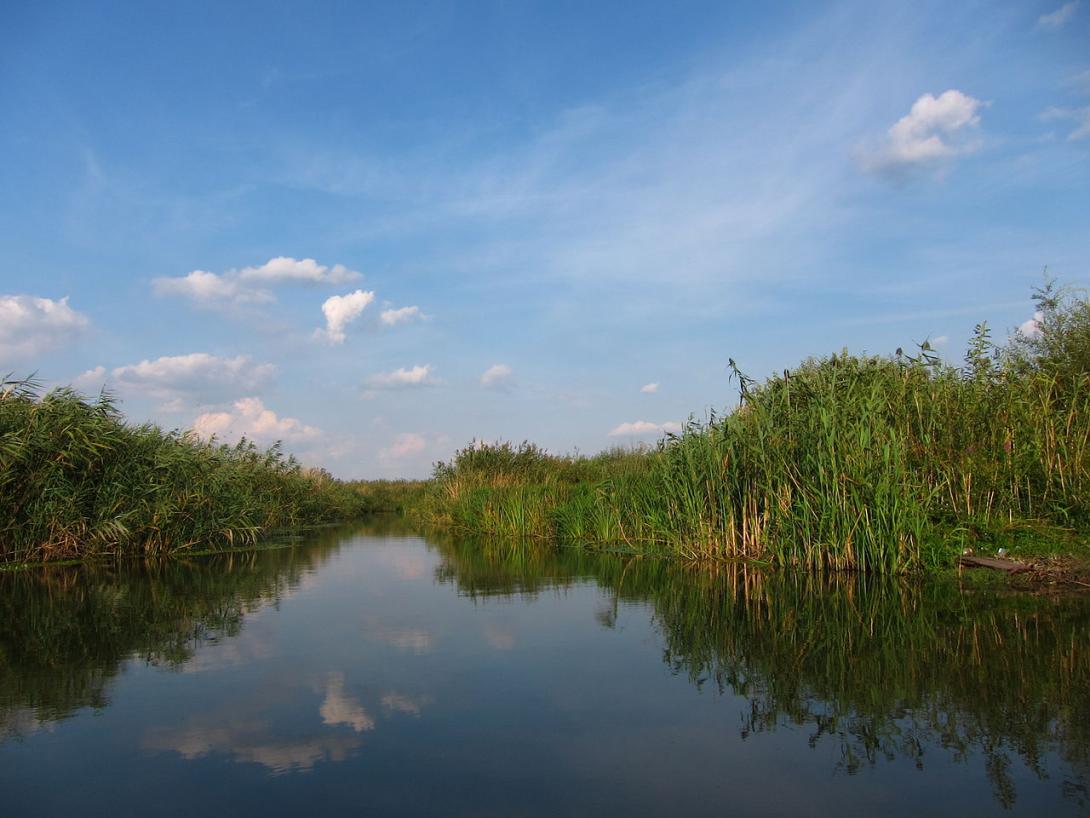
The 75 km-long Vezouze river regulary overflows, leading to increasingly violent floods especially in the urbanized sector of Lunéville, worsen by the degradation of the natural river bed upstream. After the violent 1983, 1998 and 2004 floods, the local municipalities launched restoration work to reduce the impacts of future floods. It involved widening parts of the riverbed by leveling a levee on the left bank. Two one-meter-wide flood channels were excavated over six hectares, creating 60,000 m³ of cleared material. Wetland habitats like ponds and side channels were established, with trees and helophytes planted.
Last update
2025