Photo gallery
Summary
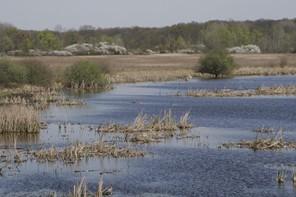
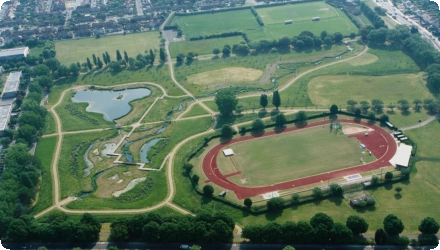
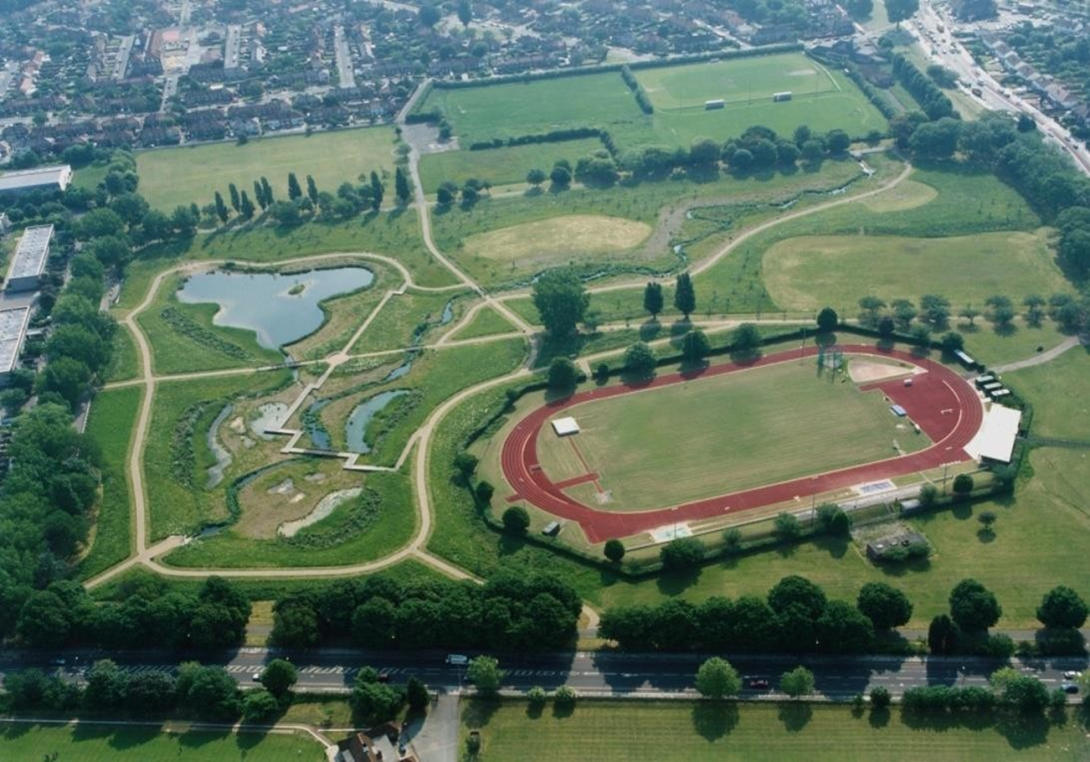
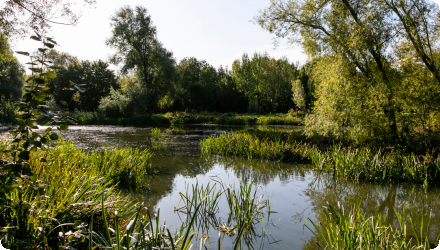
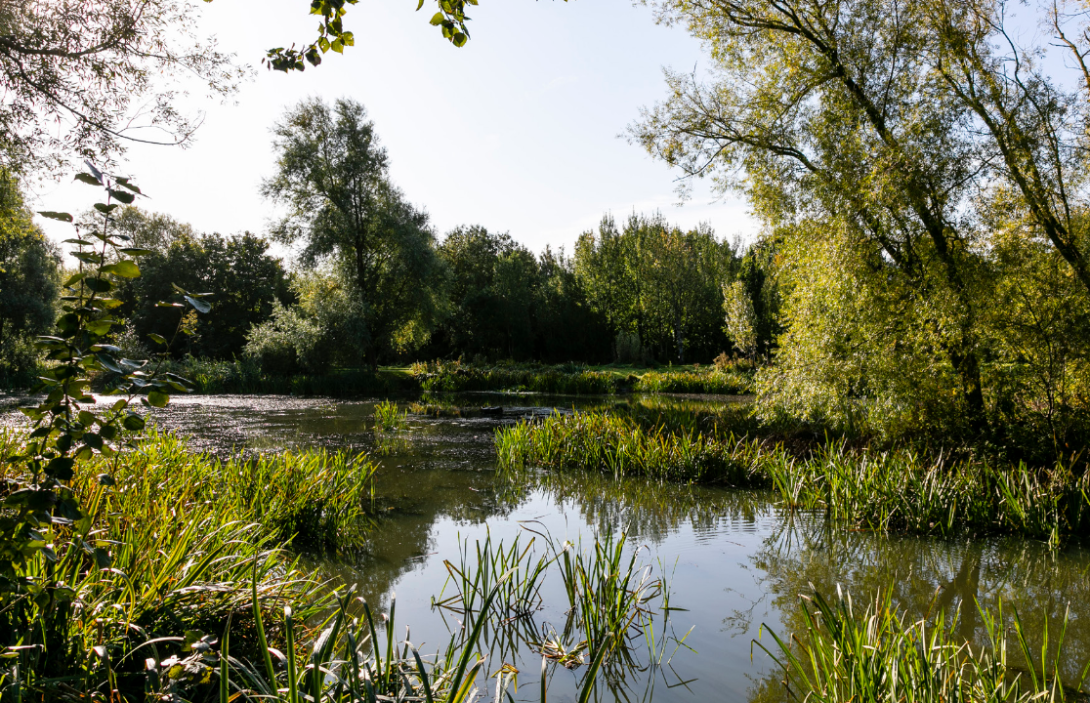
The River Tolka runs through Dublin, Ireland. In Tolka Valley Park, a suite of measures was implemented to slow flood flows, reduce pollution and support wildlife: runoff retention ponds, bank re-profiling to slow flows and prevent erosion, riparian tree planting, and integrated constructed wetlands (ICWs) to improve water quality (once leachate from a former landfill was detected). Later, a fountain and barley-straw bales were used to limit algal blooms, and invasive plants were managed with biodegradable matting and planting.
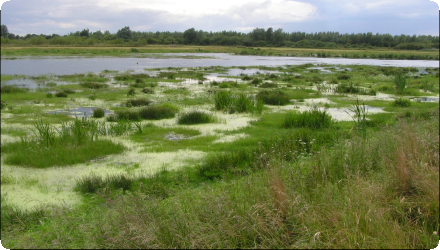
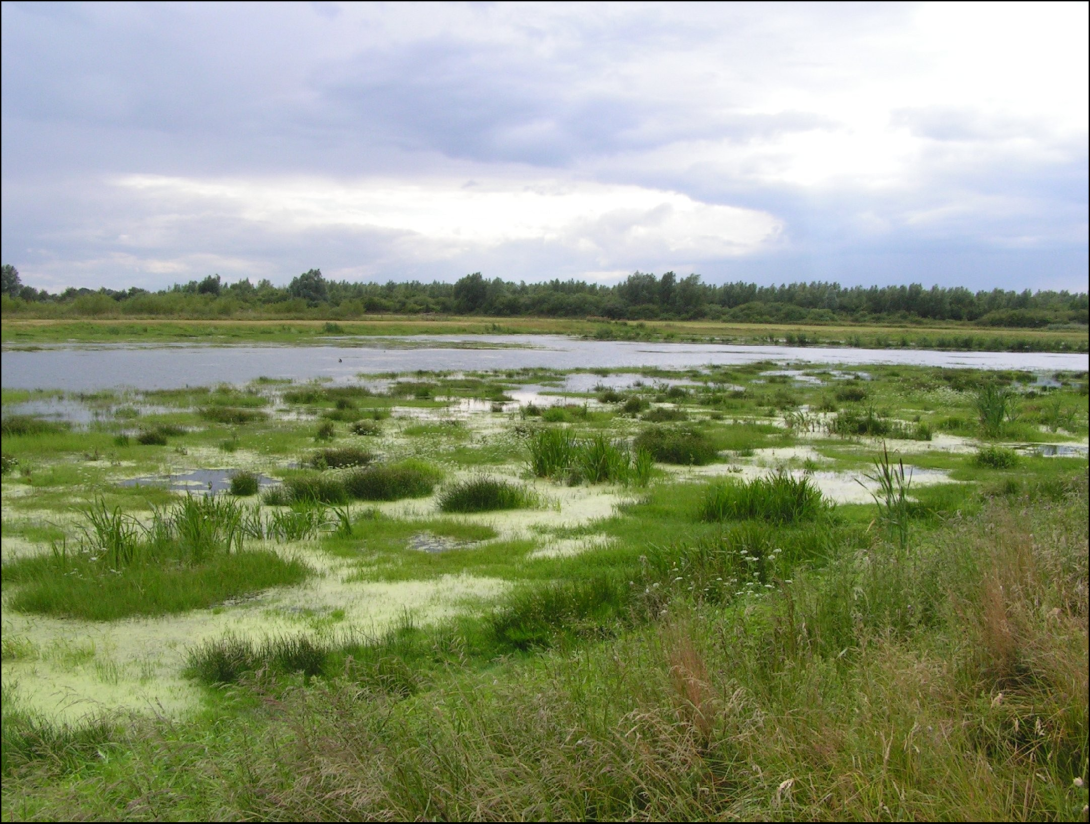
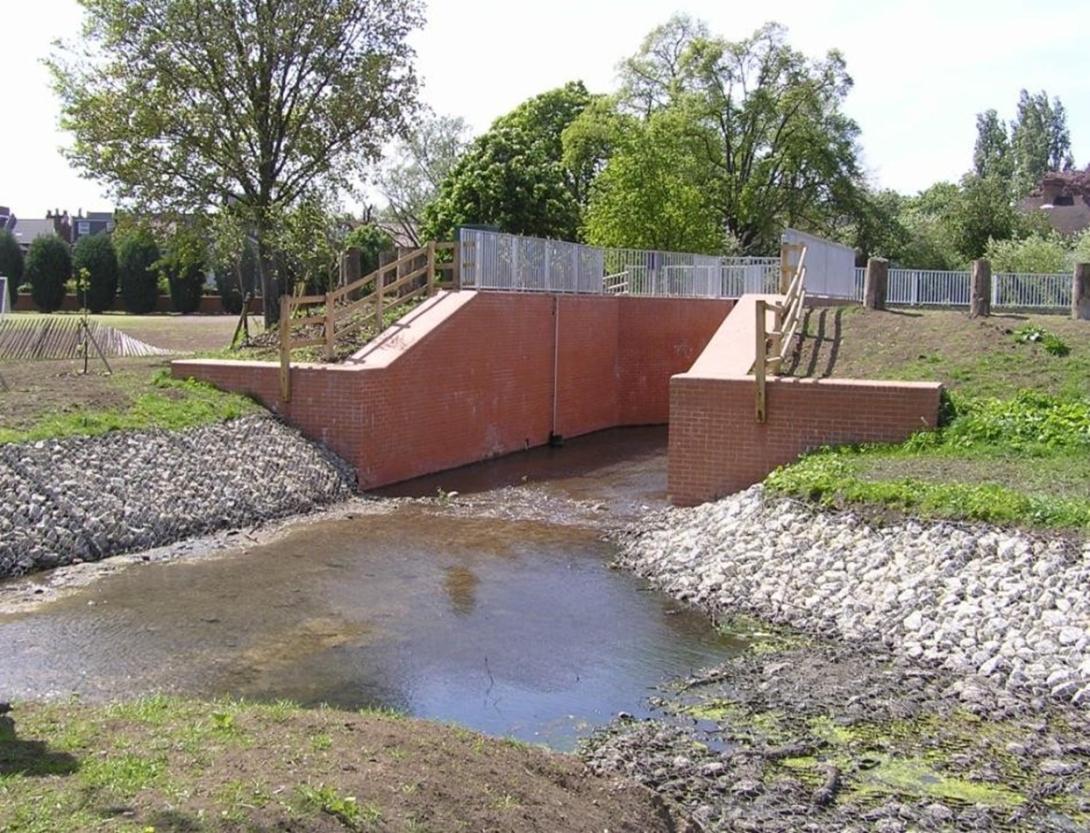
Built in two phases (1999–2001; 2009–2013 Greenway), the ICWs treat polluted stormwater from the Finglaswood Stream before it enters the Tolka. Since 2019, sources confirm the site remains operational and biodiversity-rich (reed/sedge swamps, breeding mute swan; spawning common frog). Dublin City Council reports active invasive-alien-species control in the park, and the Luas Finglas project includes remediation/mitigation works to the existing ICW, with design notes that low flows are routed through the ICW and higher flows bypass to the river. Governance/cost snapshots add context: the first ICW was relatively low-cost (~€40k) while the 2009–2013 phase exceeded €3 m. Tolka Valley Park is now ranked among Dublin’s most important biodiversity sites due to the river and wetland chain.
Built in two phases (1999–2001; 2009–2013 Greenway), the ICWs treat polluted stormwater from the Finglaswood Stream before it enters the Tolka. Since 2019, sources confirm the site remains operational and biodiversity-rich (reed/sedge swamps, breeding mute swan; spawning common frog). Dublin City Council reports active invasive-alien-species control in the park, and the Luas Finglas project includes remediation/mitigation works to the existing ICW, with design notes that low flows are routed through the ICW and higher flows bypass to the river. Governance/cost snapshots add context: the first ICW was relatively low-cost (~€40k) while the 2009–2013 phase exceeded €3 m. Tolka Valley Park is now ranked among Dublin’s most important biodiversity sites due to the river and wetland chain.
Last update
2025