
River restoration is the set of actions that reinstate natural hydrological and geomorphic processes and reconnect a river with its floodplain and groundwater so ecosystems can self-organise. Process-based principles guide design toward causes rather than symptoms, matching actions to a site’s potential, acting at the right spatial scale and defining expected dynamics. In Europe, WFD implementation and the Biodiversity Strategy operationalise this through measures that improve continuity for water, sediment and biota, re-establish ecological flows, and recover hydromorphology. Toolkits developed by REFORM, ECRR and partners translate these principles into practice and monitoring. Outcomes typically include improved habitat diversity, water quality co-benefits, floodplain storage and resilience to extremes, when measures are sequenced within a catchment-scale plan.
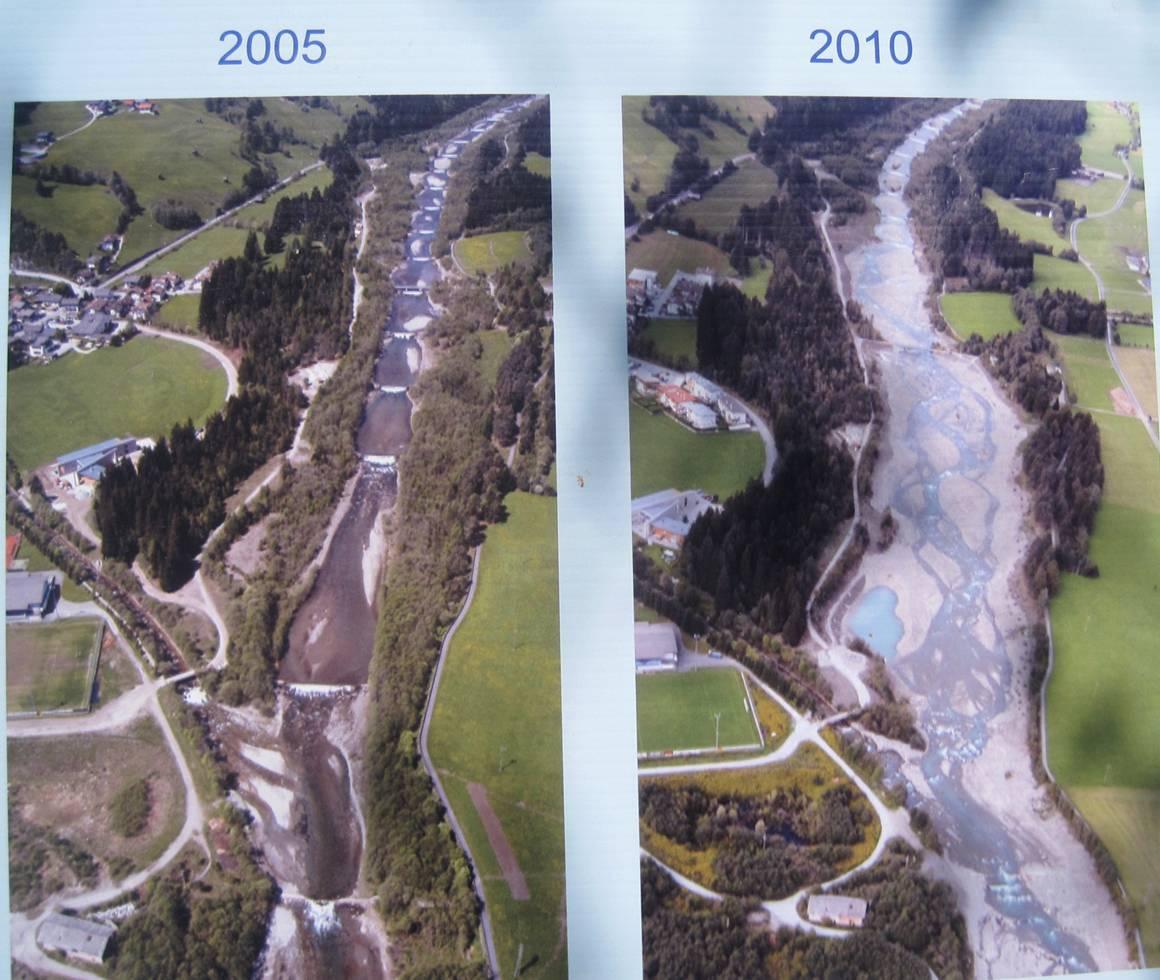
Source: ECRR - What is (ecological) river restoration ?
