BP13 - Create riparian habitat

Code
U11
Sector
Urban
Year of Issue
none
Other sector(s)
Agriculture
Forest
Hydro Morphology
The complete description of the NWRM
Summary

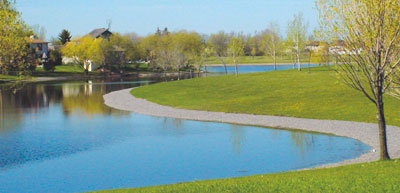
Retention ponds are ponds or pools designed with additional storage capacity to attenuate surface runoff during rainfall events.  They consist of a permanent pond area with landscaped banks and surroundings to provide additional storage capacity during rainfall events.  They are created by using an existing natural depression, by excavating a new depression, or by constructing embankments.  Existing natural...
Possible benefits with level
Benefits Level
ES1 - Water storage
Medium
ES3 - Natural biomass production
Medium
ES4 - Biodiversity preservation
High
ES5 - Climate change adaptation and mitigation
Medium
ES7 - Flood risk reduction
High
ES8 - Erosion/sediment control
Medium
ES9 - Filtration of pollutants
High
ES10 - Recreational opportunities
Medium
ES11 - Aesthetic/cultural value
High
PO2 - Improving status of physico-chemical quality elements
Low
PO4 - Improving chemical status and priority substances
Low
PO7 - Prevent surface water status deterioration
Medium
PO9 - Take adequate and co-ordinated measures to reduce flood risks
High
PO11 - Better protection for ecosystems and more use of Green Infrastructure
High
PO12 - More sustainable agriculture and forestry
Low
PO14 - Prevention of biodiversity loss
High
BP1 - Store runoff
High
BP2 - Slow runoff
High
BP5 - Increase evapotranspiration
Medium
BP8 - Reduce pollutant sources
Low
BP9 - Intercept pollution pathways
High
BP10 - Reduce erosion and/or sediment delivery
High
BP12 - Create aquatic habitat
High
BP13 - Create riparian habitat
Medium
BP14 - Create terrestrial habitats
Low
BP15 - Enhance precipitation
Low
BP16 - Reduce peak temperature
Low
Code
N11
Sector
Hydro Morphology
Other sector(s)
Urban
The complete description of the NWRM
Summary

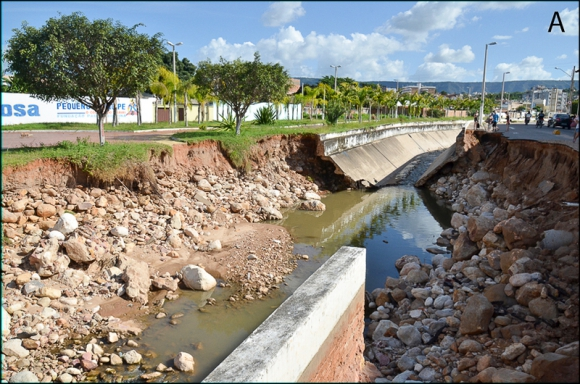
A riverbank protection is an inert or living construction providing bank fixation but also an obstacle for the lateral connection of the river. Eliminating it consists in removing some parts of the bank protection, especially the inert one, in order to enhance lateral connections of the river, diversify flows (depth, substrate, and speed) and habitats, but also cap floods in the mainstream. It is a prerequisite for many other measures like re...

Destroyed artificial riverbank, (Brasil)

Source: http://echogeo.revues.org/13596?lang=en


Possible benefits with level
Benefits Level
PO1 - Improving status of biology quality elements
Medium
PO2 - Improving status of physico-chemical quality elements
Medium
PO3 - Improving status of hydromorphology quality elements
Medium
PO4 - Improving chemical status and priority substances
Medium
PO5 - Improving quantitative status
Low
PO6 - Improving chemical status
Low
PO7 - Prevent surface water status deterioration
Medium
PO8 - Prevent groundwater status deterioration
Low
PO9 - Take adequate and co-ordinated measures to reduce flood risks
Medium
PO10 - Protection of important habitats
High
PO11 - Better protection for ecosystems and more use of Green Infrastructure
High
PO12 - More sustainable agriculture and forestry
High
PO13 - Better management of fish stocks
High
PO14 - Prevention of biodiversity loss
High
ES1 - Water storage
Medium
ES2 - Fish stocks and recruiting
Medium
ES3 - Natural biomass production
Medium
ES4 - Biodiversity preservation
Medium
ES6 - Groundwater/aquifer recharge
Low
ES7 - Flood risk reduction
High
ES8 - Erosion/sediment control
Medium
ES9 - Filtration of pollutants
Medium
ES10 - Recreational opportunities
Medium
ES11 - Aesthetic/cultural value
Medium
BP1 - Store runoff
Low
BP2 - Slow runoff
Low
BP3 - Store river water
High
BP4 - Slow river water
High
BP5 - Increase evapotranspiration
Low
BP6 - Increase infiltration and/or groundwater recharge
Low
BP7 - Increase soil water retention
Low
BP9 - Intercept pollution pathways
Medium
BP10 - Reduce erosion and/or sediment delivery
Medium
BP12 - Create aquatic habitat
Medium
BP13 - Create riparian habitat
Medium
BP17 - Absorb and/or retain CO2
Low
Code
SN02
Sector
Hydro Morphology
Year of Issue
2025
Other sector(s)
Agriculture
Urban
Forest
Summary

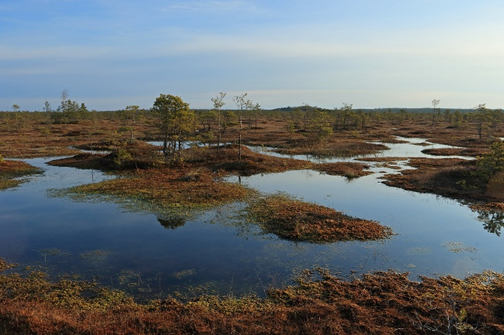
According to the Convention on Wetlands (1971), a wetland is an area of marsh, fen, peatland or water, whether natural or artificial, permanent or temporary, with water that is static or flowing, fresh, brackish or salt, including areas of marine water the depth of which at low tide does not exceed six metres. 

Wetlands play a crucial role in regulating the global climate and are natural biofilters for pollutant removal, nutrient...

Possible benefits with level
Benefits Level
BP1 - Store runoff
High
BP2 - Slow runoff
High
BP3 - Store river water
Medium
BP4 - Slow river water
Medium
BP6 - Increase infiltration and/or groundwater recharge
Medium
BP7 - Increase soil water retention
Medium
BP9 - Intercept pollution pathways
Medium
BP10 - Reduce erosion and/or sediment delivery
Low
BP11 - Improve soils
Low
BP12 - Create aquatic habitat
High
BP13 - Create riparian habitat
High
BP14 - Create terrestrial habitats
Low
BP17 - Absorb and/or retain CO2
High
PO1 - Improving status of biology quality elements
High
PO2 - Improving status of physico-chemical quality elements
Medium
PO3 - Improving status of hydromorphology quality elements
Low
PO5 - Improving quantitative status
Medium
PO7 - Prevent surface water status deterioration
Medium
PO8 - Prevent groundwater status deterioration
Medium
PO9 - Take adequate and co-ordinated measures to reduce flood risks
Medium
PO10 - Protection of important habitats
High
PO11 - Better protection for ecosystems and more use of Green Infrastructure
High
PO12 - More sustainable agriculture and forestry
Low
PO13 - Better management of fish stocks
High
PO14 - Prevention of biodiversity loss
High
ES1 - Water storage
Medium
ES2 - Fish stocks and recruiting
High
ES3 - Natural biomass production
Medium
ES4 - Biodiversity preservation
High
ES5 - Climate change adaptation and mitigation
Medium
ES6 - Groundwater/aquifer recharge
Medium
ES7 - Flood risk reduction
Medium
ES8 - Erosion/sediment control
Low
ES9 - Filtration of pollutants
Medium
ES10 - Recreational opportunities
Medium
ES11 - Aesthetic/cultural value
Medium
Case study(ies)