Code
SA05
Sector
Agriculture
Year of Issue
2025
Summary
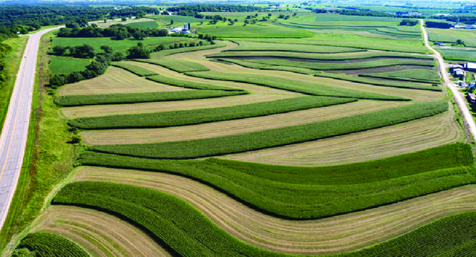
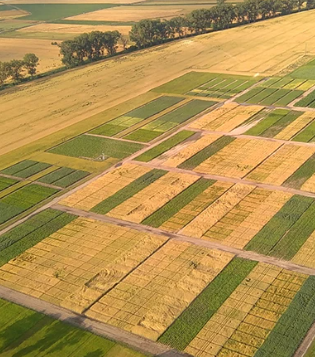
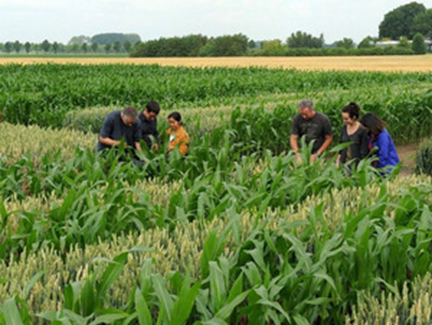
Intercropping is the practice of growing two or more crops’ species simultaneously in the same field. The most common goal of intercropping is to produce a greater yield on a given piece of land by making use of resources that would otherwise not be utilised by a single crop. Examples of intercropping strategies are planting a deep-rooted crop with a shallow-rooted crop, or planting a tall crop with a shorter crop that requires partial shade...
Possible benefits with level
| Benefits | Level |
|---|---|
|
BP2 - Slow runoff
|
High
|
|
BP6 - Increase infiltration and/or groundwater recharge
|
High
|
|
BP7 - Increase soil water retention
|
Low
|
|
BP10 - Reduce erosion and/or sediment delivery
|
High
|
|
BP11 - Improve soils
|
Medium
|
|
BP15 - Enhance precipitation
|
High
|
|
ES1 - Water storage
|
Low
|
|
ES4 - Biodiversity preservation
|
Medium
|
|
ES5 - Climate change adaptation and mitigation
|
Low
|
|
ES7 - Flood risk reduction
|
Medium
|
|
ES8 - Erosion/sediment control
|
Medium
|
|
ES9 - Filtration of pollutants
|
High
|
|
PO3 - Improving status of hydromorphology quality elements
|
Medium
|
|
PO7 - Prevent surface water status deterioration
|
Medium
|
|
PO9 - Take adequate and co-ordinated measures to reduce flood risks
|
High
|
|
PO11 - Better protection for ecosystems and more use of Green Infrastructure
|
High
|
|
PO12 - More sustainable agriculture and forestry
|
Medium
|
|
PO14 - Prevention of biodiversity loss
|
Medium
|
Case study(ies)