Code
SA03
Sector
Agriculture
Year of Issue
2025
Summary
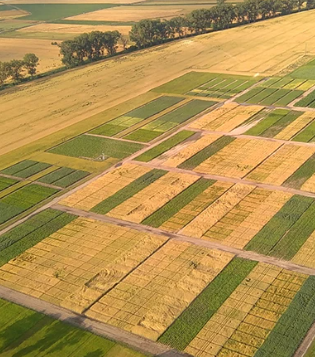
Crop rotation is the practice of growing a series of dissimilar or different types, species, or families of crops in the same area in sequential seasons. Judiciously applied (i.e. selecting a suitable crop) crop rotation can improve soil structure and fertility by alternating deep-rooted and shallow-rooted plants. In turn, this enhances the soil’s sponge-like behaviour by improving structural properties, fostering root-driven...
Possible benefits with level
| Benefits | Level |
|---|---|
|
BP2 - Slow runoff
|
Medium
|
|
BP6 - Increase infiltration and/or groundwater recharge
|
Medium
|
|
BP7 - Increase soil water retention
|
Medium
|
|
BP8 - Reduce pollutant sources
|
Medium
|
|
BP9 - Intercept pollution pathways
|
High
|
|
BP10 - Reduce erosion and/or sediment delivery
|
Low
|
|
BP11 - Improve soils
|
High
|
|
BP17 - Absorb and/or retain CO2
|
Medium
|
|
ES4 - Biodiversity preservation
|
Low
|
|
ES6 - Groundwater/aquifer recharge
|
Medium
|
|
ES7 - Flood risk reduction
|
Low
|
|
ES8 - Erosion/sediment control
|
Low
|
|
ES9 - Filtration of pollutants
|
Medium
|
|
ES11 - Aesthetic/cultural value
|
Medium
|
|
PO2 - Improving status of physico-chemical quality elements
|
Medium
|
|
PO4 - Improving chemical status and priority substances
|
Low
|
|
PO7 - Prevent surface water status deterioration
|
Medium
|
|
PO9 - Take adequate and co-ordinated measures to reduce flood risks
|
Low
|
|
PO11 - Better protection for ecosystems and more use of Green Infrastructure
|
Medium
|
|
PO12 - More sustainable agriculture and forestry
|
Medium
|
Case study(ies)