Last update
2025
Summary
EIP-AGRI Operational Group “DaLeA” tested a clover-based permanent living mulch interplanted with arable main crops to suppress weeds, regulate soil temperature, retain water and minimise tillage, while assessing feasibility, transferability and economics across three years and three sites.
Position
Latitude
50.444852
Longitude
7.901969
Installation date
2019-2023
Implementation Status
Contact
Agrarbüro Mittermeier
Transboundary
0
Photo gallery
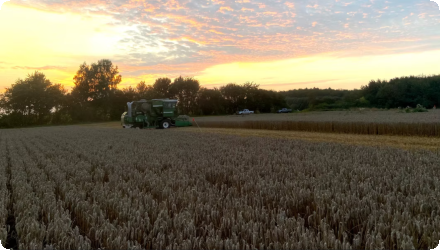
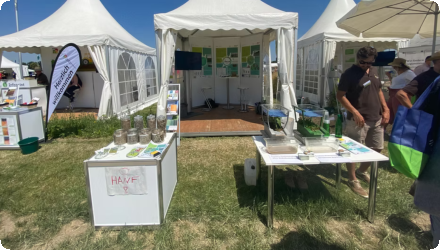
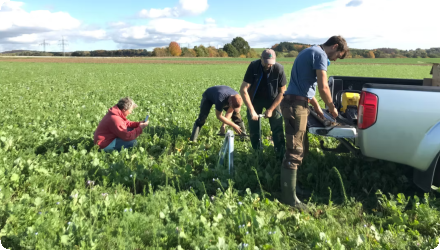
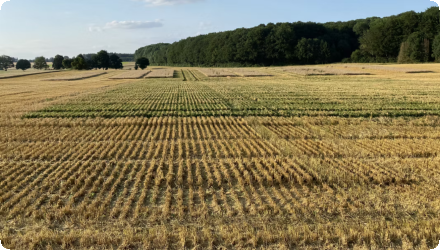
Location of the project
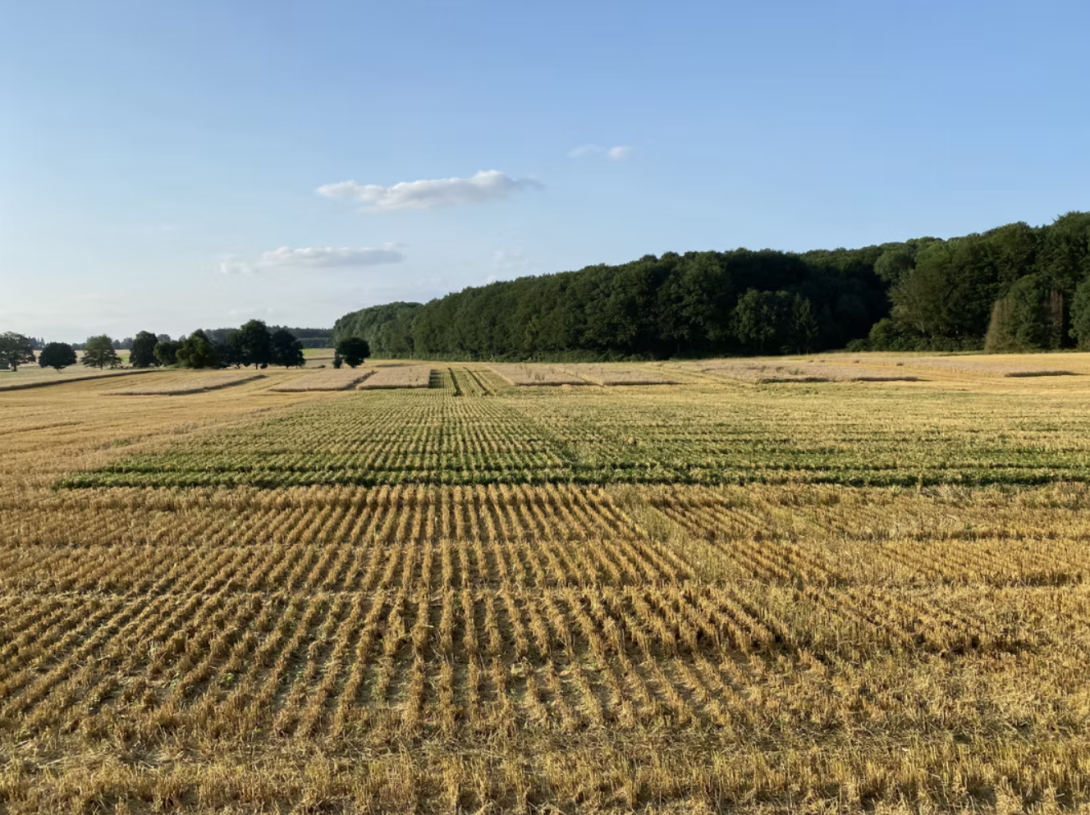
DaLeA pilot site in Rhineland, Germany (Rhineland-Palatinate).
NUTS Code
DEB3 - Rheinhessen-Pfalz
Project's objectives
Suppress weeds
Regulate soil temperature and reduce heat stress
Retain water and improve erosion control
Minimise tillage and inputs, reduce nutrient losses
Assess feasibility, transferability and economics
Regulate soil temperature and reduce heat stress
Retain water and improve erosion control
Minimise tillage and inputs, reduce nutrient losses
Assess feasibility, transferability and economics
Involved Partners
| Authority type | Authority name | Role | Comments |
|---|---|---|---|
Climate zone
cool temperate moist
Temperature
10°C
Precipitation
737
Annual rainfall range
600 - 900 mm
Elevation range
265
Vegetation class
Crops and clover
Water bodies: Ecological Status
Moderate
Water bodies: Chemical Status
Failing to achieve good
Water quality status
Nitrate leaching during rainfall events was a recurring problem in the region; the living mulch acted as a nitrogen buffer and reduced leaching in trials.
Project scale
Micro
Project scale specification
Field-scale trials on multiple private farms in Rhineland-Palatinate
Project area
12 ha
Permanent clover living mulch as continuous cover
Lower external inputs and greenhouse gas footprint
Nitrogen cycling: leveraging clover fixation and reducing fertiliser demand
Soil temperature moderation and water retention
Erosion control
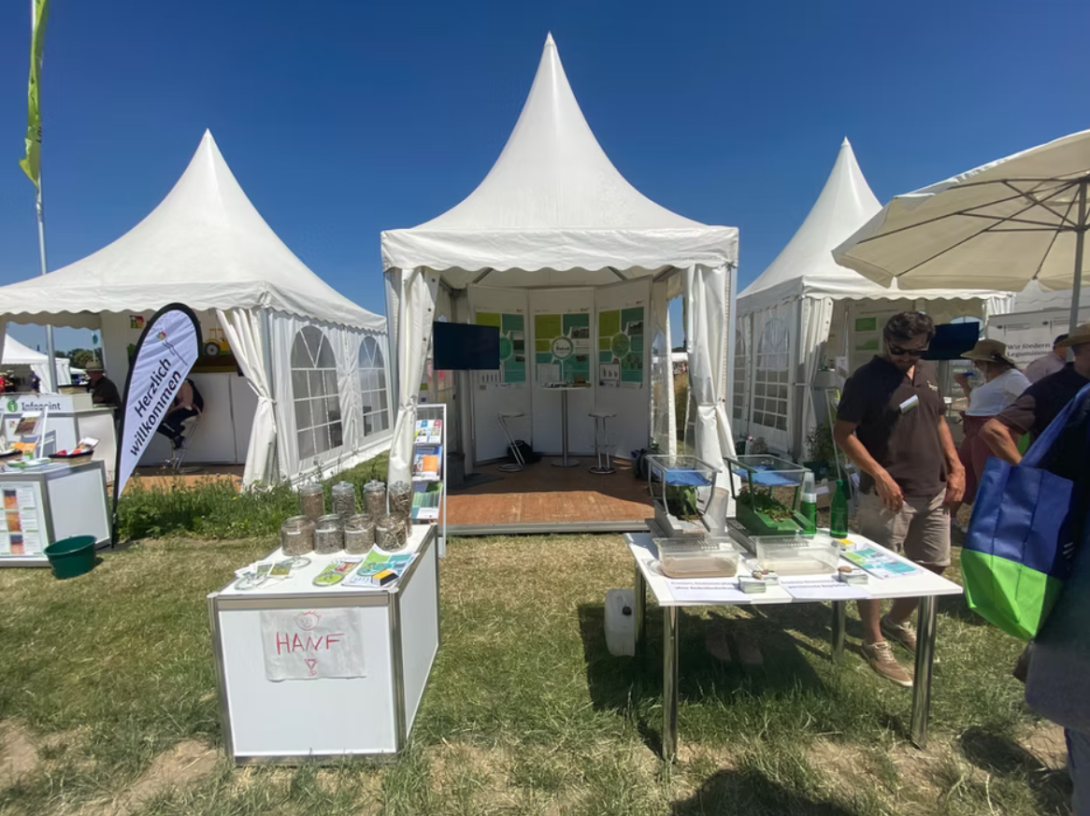
On-farm exact trials and knowledge transfer via field days and website
Lower external inputs and greenhouse gas footprint
Nitrogen cycling: leveraging clover fixation and reducing fertiliser demand
Soil temperature moderation and water retention
Erosion control
On-farm exact trials and knowledge transfer via field days and website
Region normally has sufficient rainfall; effects in dry regions need study
Thermal moderation observed with mulch; drone thermal imagery showed cooler mulched zones than bare soil
Gas-exchange and ET measurements indicated less crop heat stress and net water savings despite added transpiration surface
Constraints noted: winter hardiness issues in freezing events, challenges for heavy erosion-prone crops like potatoes, summer crops harder to integrate; maize workable but water management still an issue
Where a prior cover crop existed, initial soil structure differences were not observed at that timepoint
Thermal moderation observed with mulch; drone thermal imagery showed cooler mulched zones than bare soil
Gas-exchange and ET measurements indicated less crop heat stress and net water savings despite added transpiration surface
Constraints noted: winter hardiness issues in freezing events, challenges for heavy erosion-prone crops like potatoes, summer crops harder to integrate; maize workable but water management still an issue
Where a prior cover crop existed, initial soil structure differences were not observed at that timepoint
Total cost
€304,685
Financing authorities
Type of funding
EU-funds: Cohesion and regional development funds
Comments
€300,000
Type of funding
National funds
Comments
€4,685
Compensations
0
Policy context
Facing erosion and water stress issues, this project is a test and research site, with demonstrator value.
Land ownership
Private farms participating (one large full-time farm and one part-time farm explicitly mentioned).
Community involvment
Yes
Design consultation activity
| Activity stage | Name | Key issues | Comments |
|---|---|---|---|
|
Other
|
Annual field days targeting agricultural stakeholders
|
Up to 300 farmers participated.
Ongoing presentations to advisory circles in Germany and abroad. |
|
|
Other
|
Project website and social media
|
maintained for dissemination
|
Policy target
| Target purpose |
|---|
|
Erosion Control
|
Target Remarks
Soil health and biodiversity gains
Lower inputs and emissions
Water retention and erosion control
Reduced nutrient losses
Comparable profitability to conventional systems
Lower inputs and emissions
Water retention and erosion control
Reduced nutrient losses
Comparable profitability to conventional systems
Policy pressure
| Pressure directive | Relevant pressure |
|---|---|
Pressures remarks
Excessive reliance on chemical inputs
Soil erosion and biodiversity decline
Nutrient losses and climate stress on crops
Soil erosion and biodiversity decline
Nutrient losses and climate stress on crops
Policy impact
| Impact directive | Relevant impact |
|---|---|
Contractual arrangements
0
Part of wider plan
0
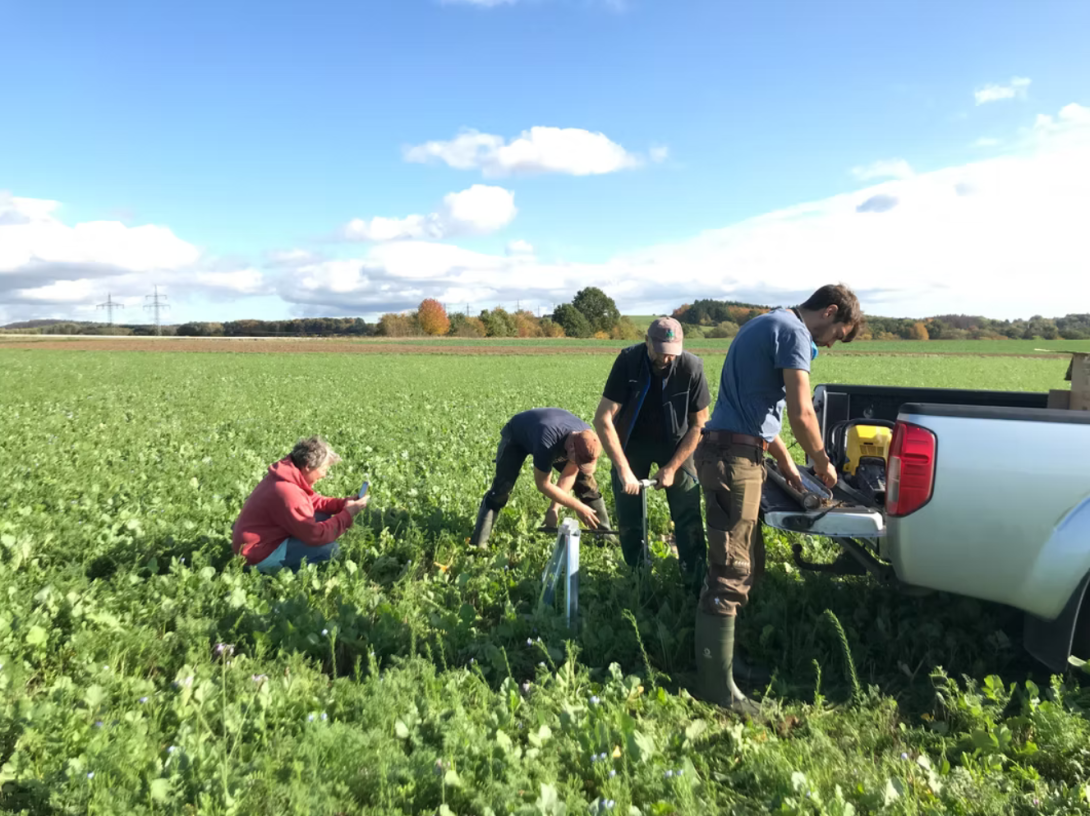
Around 24 field trials per year; between 10 and 40 exact trials annually depending on research focus
Master’s theses on nitrogen dynamics and water infiltration
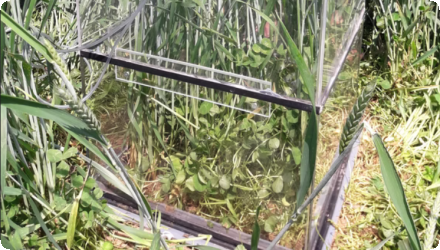
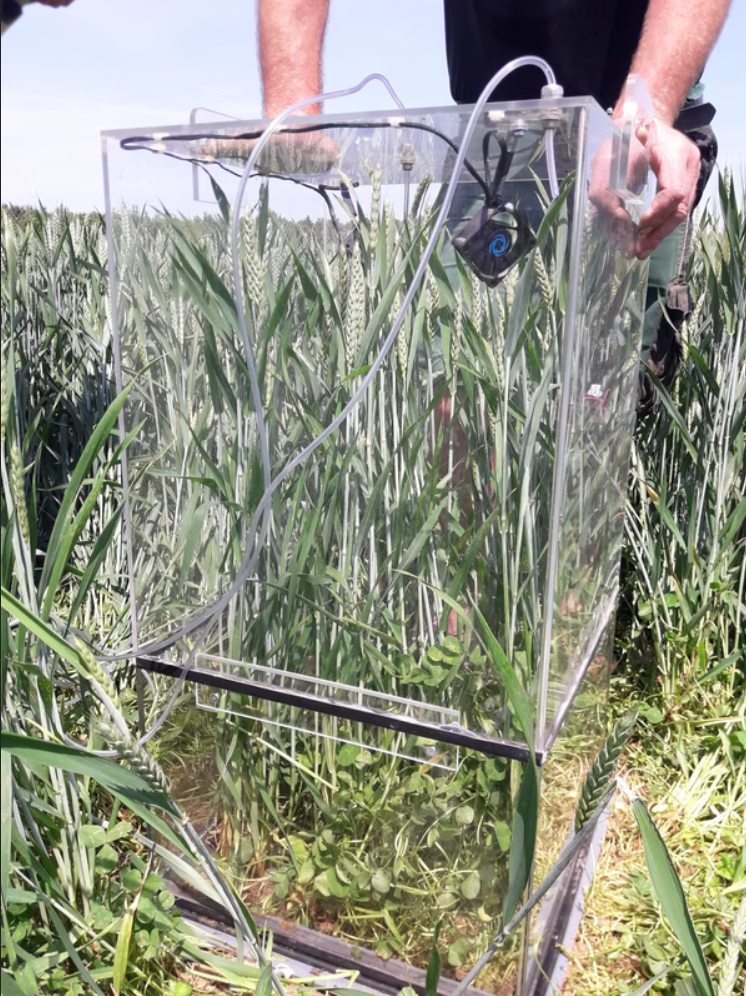
On-farm measurements of evapotranspiration and CO₂ exchange using canopy chambers during main-crop season
Drone biomass and thermal imaging
Rain-simulator demonstrations for erosion and runoff understanding
Master’s theses on nitrogen dynamics and water infiltration
On-farm measurements of evapotranspiration and CO₂ exchange using canopy chambers during main-crop season
Drone biomass and thermal imaging
Rain-simulator demonstrations for erosion and runoff understanding
Maintenance
Management research on controlling clover vertical growth when competition or genetic background caused excessive upward growth (tools or chemicals tested); no routine maintenance schedule reported.
Comparison of living-mulch vs conventional variants across three years and three locations with rotating crops
Field measurements of infiltration, ET and gas exchange, yield and quality (protein)
Economic comparison of inputs and contribution margin
Field measurements of infiltration, ET and gas exchange, yield and quality (protein)
Economic comparison of inputs and contribution margin
Yield gap vs conventional reduced from about 30–40 percent in year 1 (ecological farming baseline) to 10–14 percent in year 3
Contribution margin roughly comparable to conventional due to lower inputs of diesel, fertiliser and water
Knowledge exchange through large field days and international presentations
Contribution margin roughly comparable to conventional due to lower inputs of diesel, fertiliser and water
Knowledge exchange through large field days and international presentations
Information on retained water
Higher infiltration rates measured in plots with established clover stand
Cooling of soil surface in mulched areas observed by drone thermal imaging
Less crop heat stress recorded with living mulch; net water savings despite evapotranspiration considerations
Improved water retention and erosion control reported
Cooling of soil surface in mulched areas observed by drone thermal imaging
Less crop heat stress recorded with living mulch; net water savings despite evapotranspiration considerations
Improved water retention and erosion control reported
Information on Water quality overall improvements
Reduced nitrogen leaching in rainfall events in living-mulch treatment
Lower nutrient losses overall reported in nitrogen reduction experiment
Lower nutrient losses overall reported in nitrogen reduction experiment
Enhanced soil health and biodiversity conservation reported with living mulch system (no quantitative indices provided).
Other biophysical impacts changes
Lower greenhouse gas emissions via reduced and more efficient use of production resources.
Key lessons
Evaluate at farm level; site-specific adaptation is essential
Weather variability and farm-specific approaches require flexibility
Continuous learning with scientific partners produced practical and statistically meaningful results
Weather variability and farm-specific approaches require flexibility
Continuous learning with scientific partners produced practical and statistically meaningful results
Success factor(s)
| Success factor type | Success factor role | Comments | Order |
|---|---|---|---|
|
Successful coordination between authorities
|
main factor
|
Strong practitioner–researcher network and transparent communication, including sharing setbacks |
|
|
Communication activities
|
secondary factor
|
High-quality outreach via field days, demonstrations and bilingual website |
Driver
| Driver type | Driver role | Comments | Order |
|---|---|---|---|
|
Legal obligations
|
main driver
|
Need to meet European Green Deal goals and address soil degradation, erosion and high input dependency
|
|
|
Organisation committed to it
|
secondary driver
|
Practitioner-led initiative supported by RDP Measure 16 cooperation
|
Transferability
Method is transferable but requires local adaptation; impacts in drier regions should be specifically studied before adoption.
Cost effectiveness
Contribution margin roughly comparable to conventional due to reduced diesel, fertiliser and water inputs.
Source(s)
English