Photo gallery
Summary
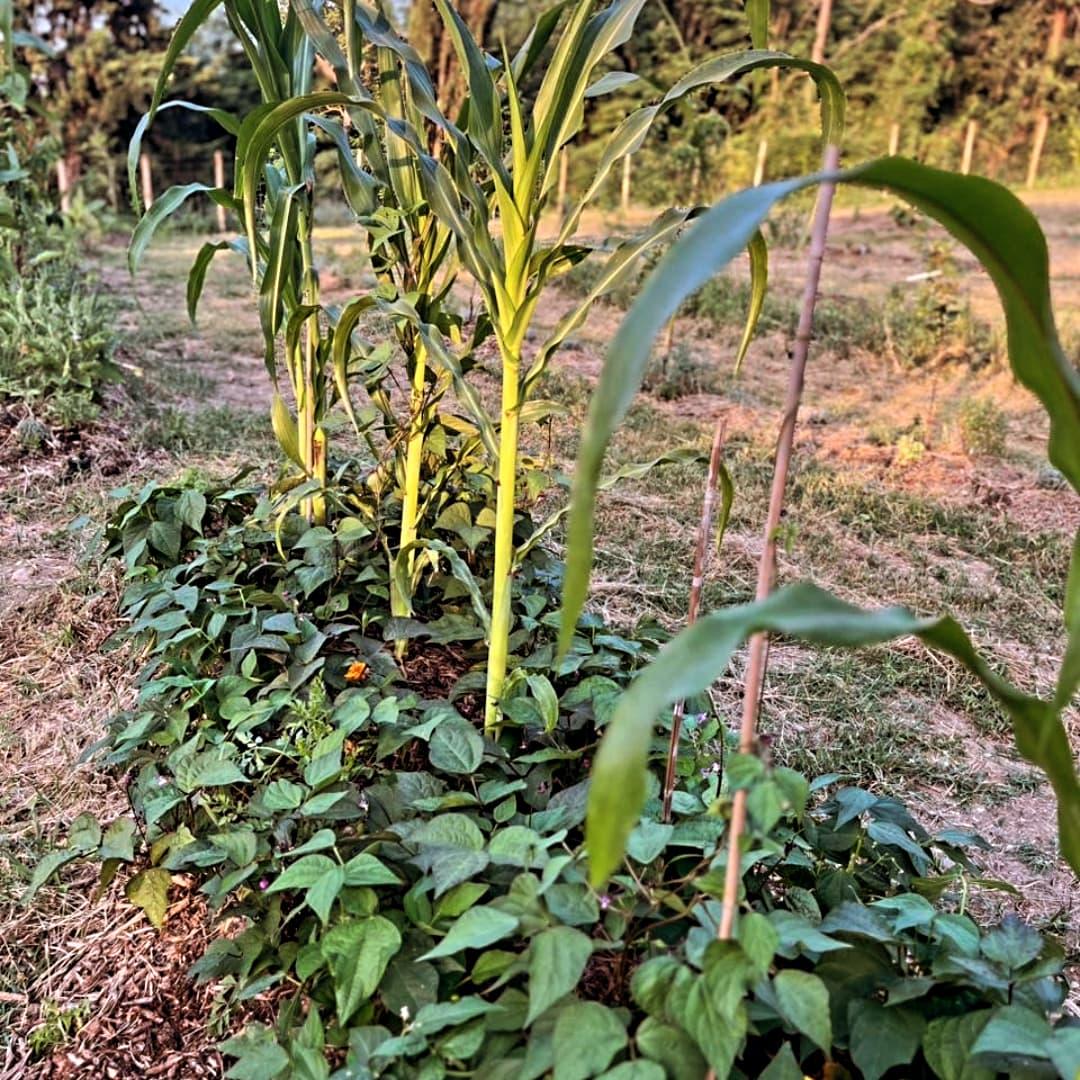
The Jardin Forêt (Forest Garden) des Étangs, situated in the Provence Verte region, is a project launched by the Jardins de Reliance association, founded in 2012. This forest garden is an experimental initiative aimed at regenerating agricultural land by planting feeding trees, whilst respecting forest ecosystems. By mimicking natural processes, the garden seeks to address issues of soil degradation, water cycles and carbon, whilst promoting food security and environmental conservation.
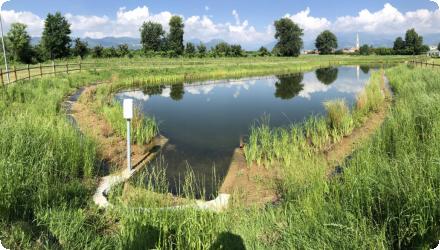
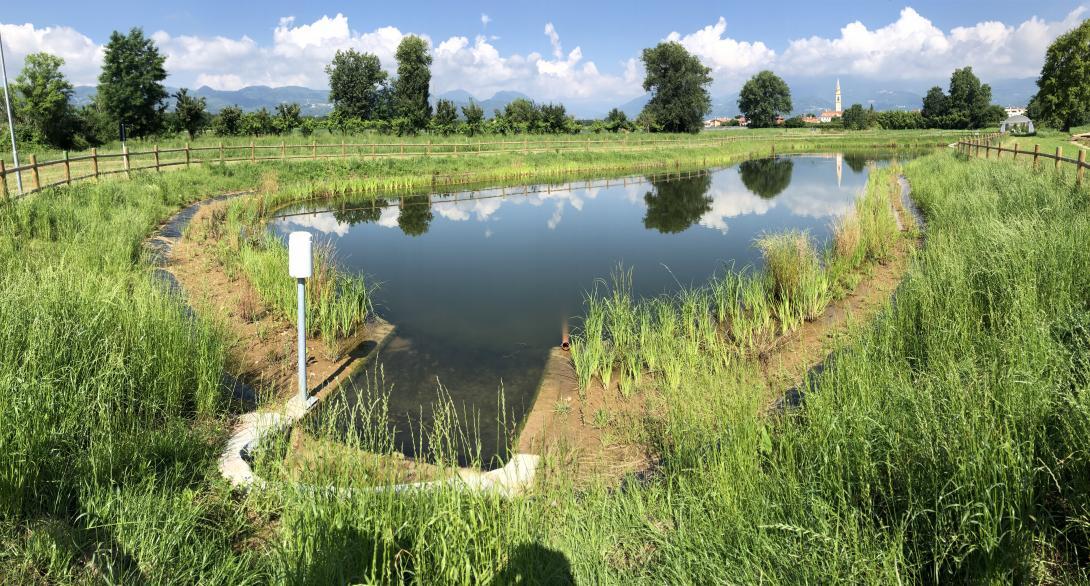
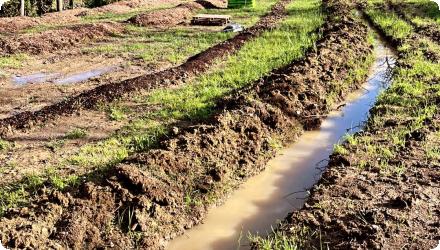
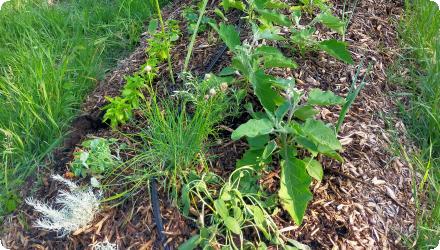
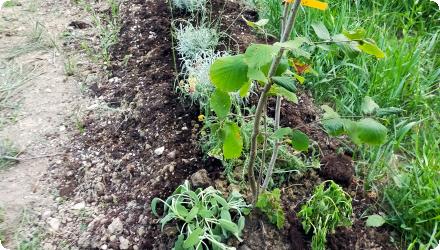
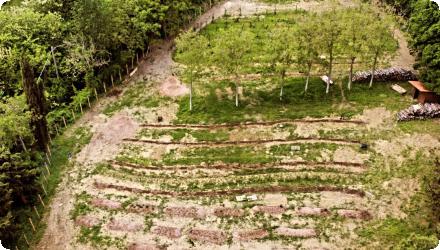
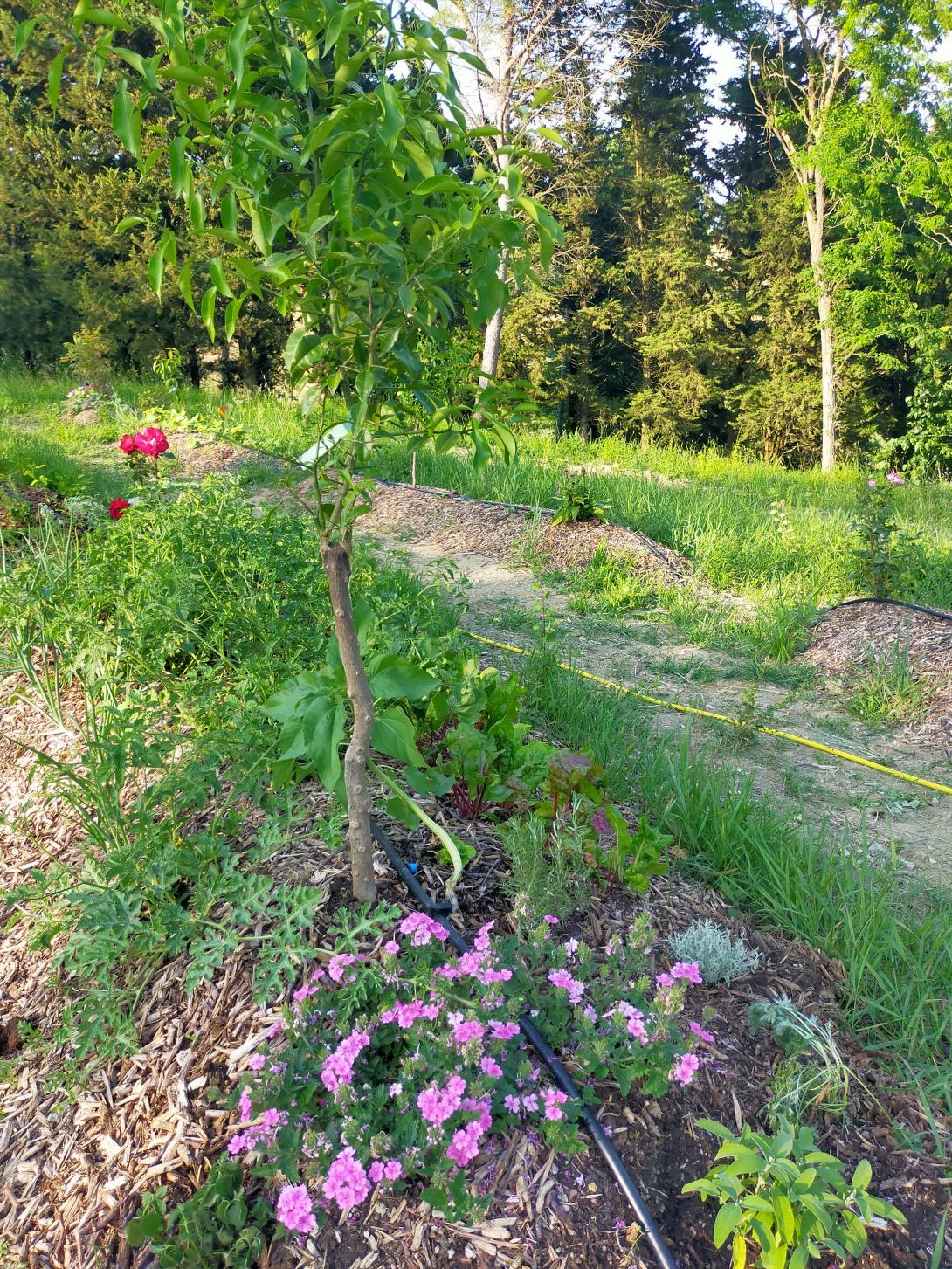
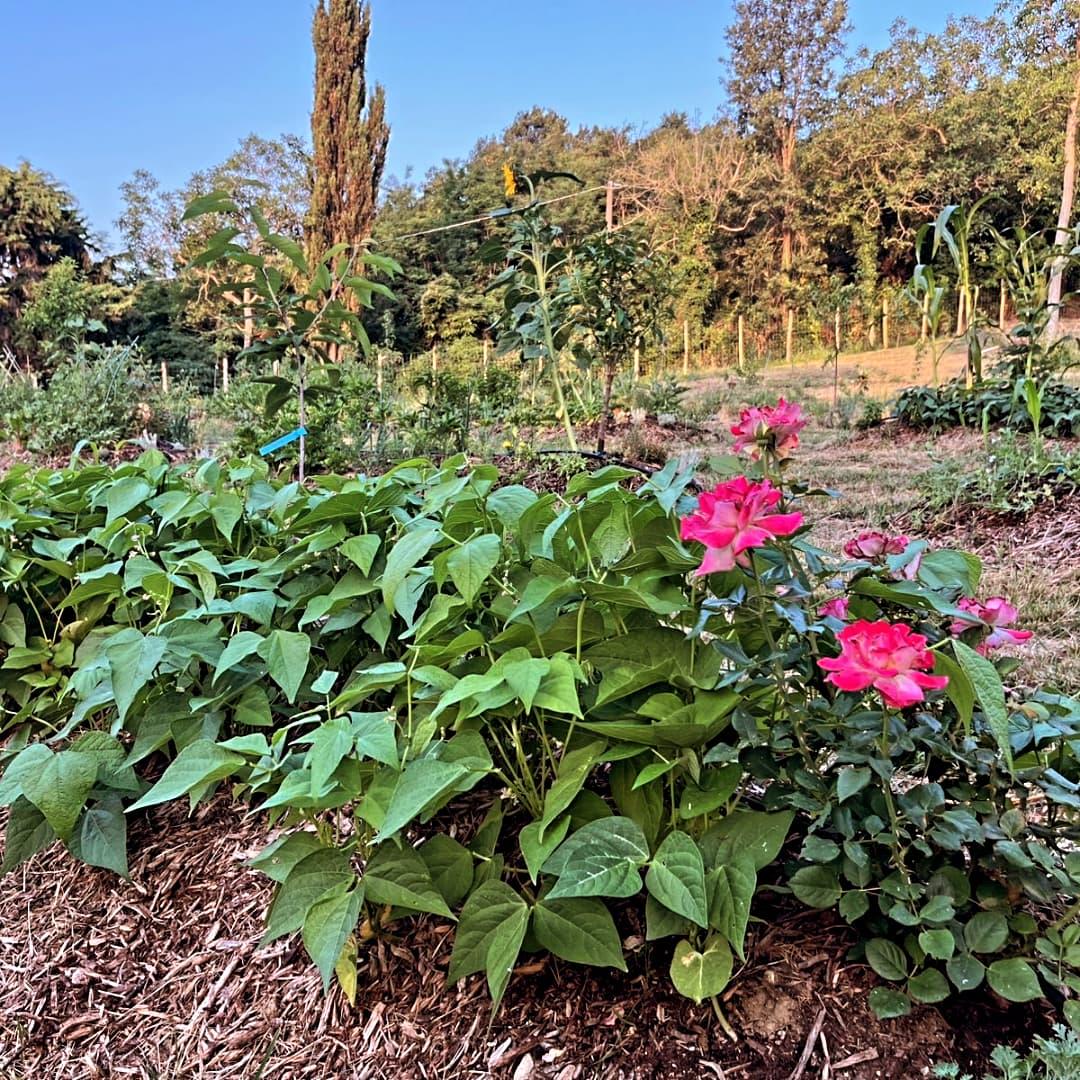
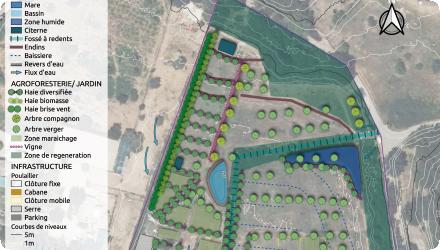
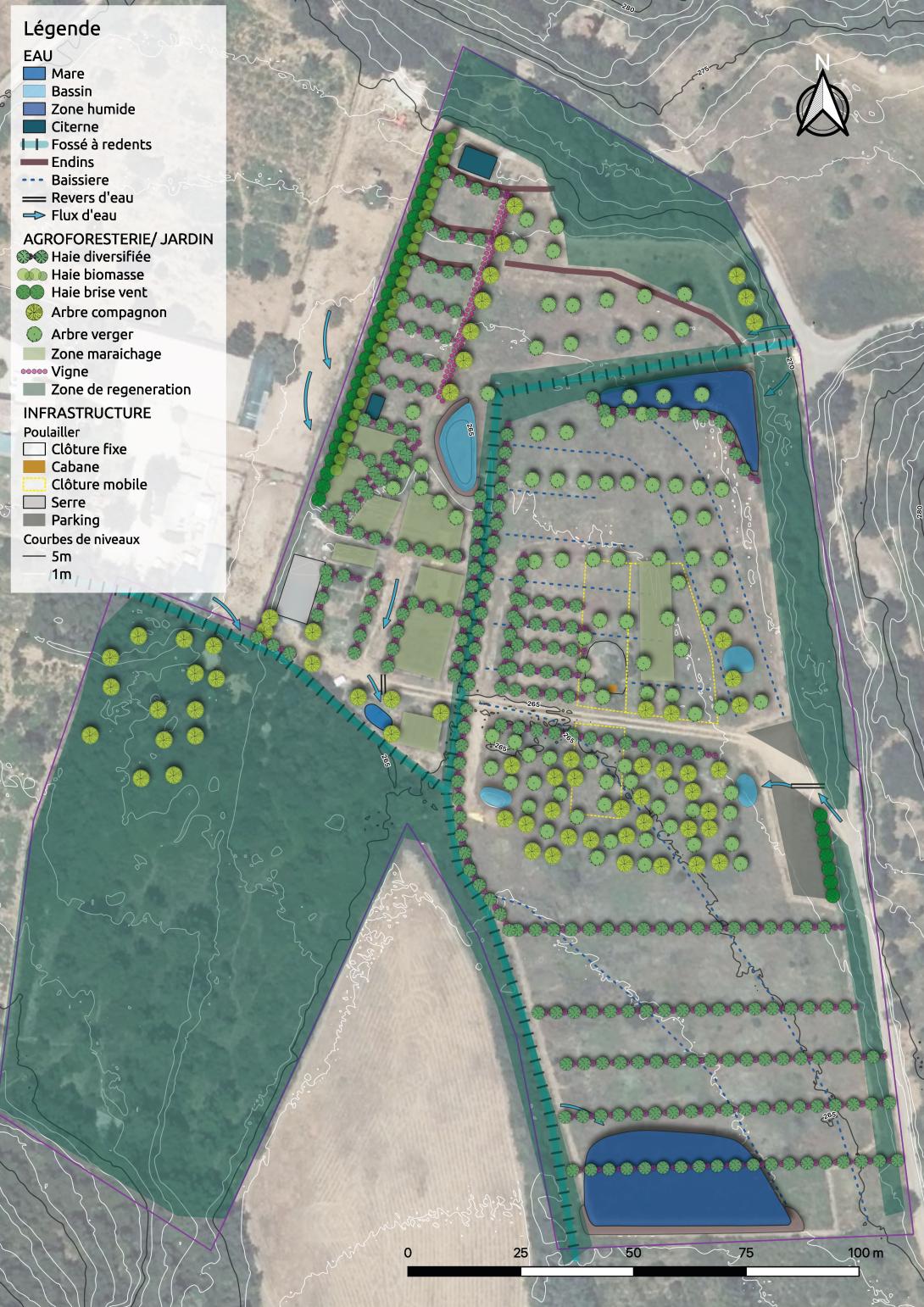
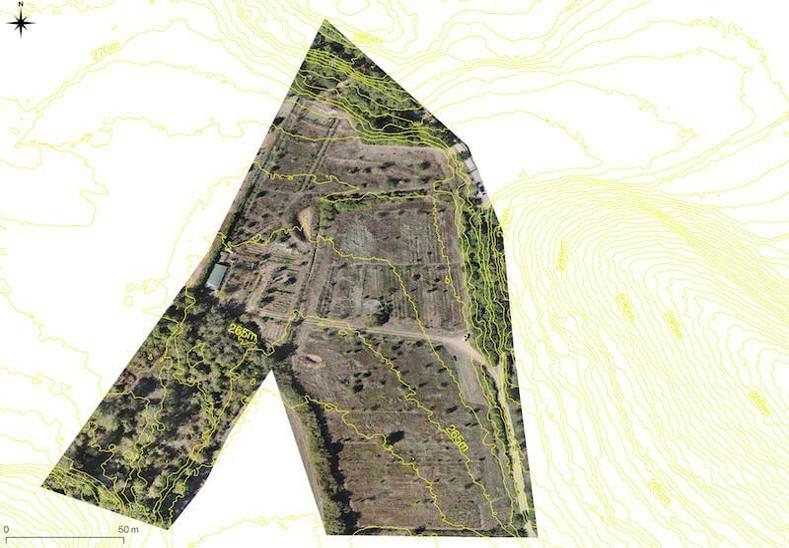
The Jardin Forêt des Étangs embodies a model of a resilient landscape, an invitation to understand living things and to contribute to the regeneration of the planet, within a nurturing and inspiring setting. Spanning 3 hectares, it is home to over 1,000 trees and perennials, as well as three hydrological features (an infiltration basin, a biodiversity pond and a keyline-designed pond). The Jardins de Reliance association partnered with PermaLab to jointly develop the hydrological study and design for the Jardin Forêt des Étangs in 2021.
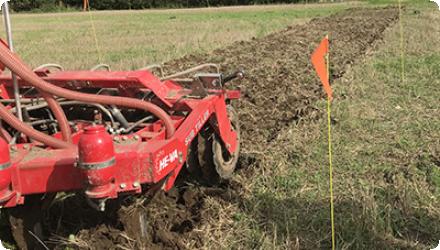
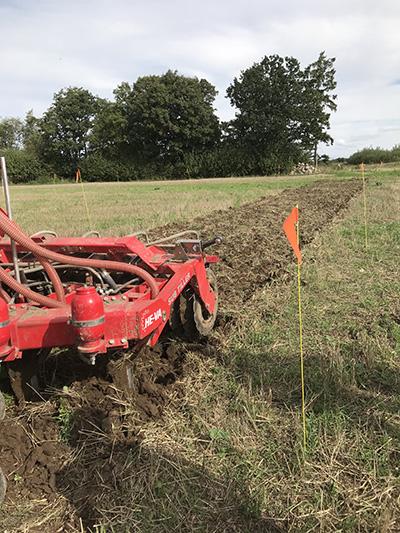
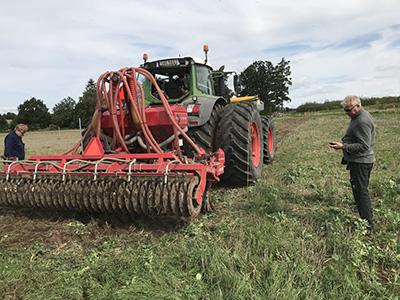
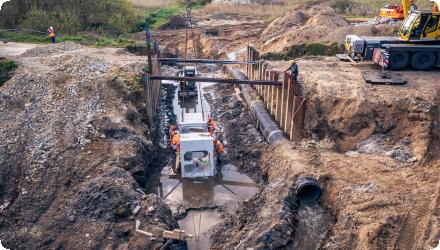
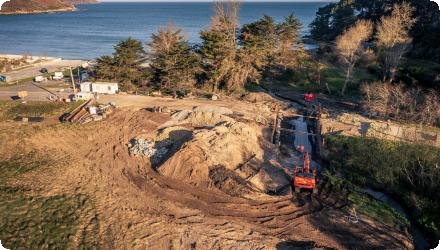
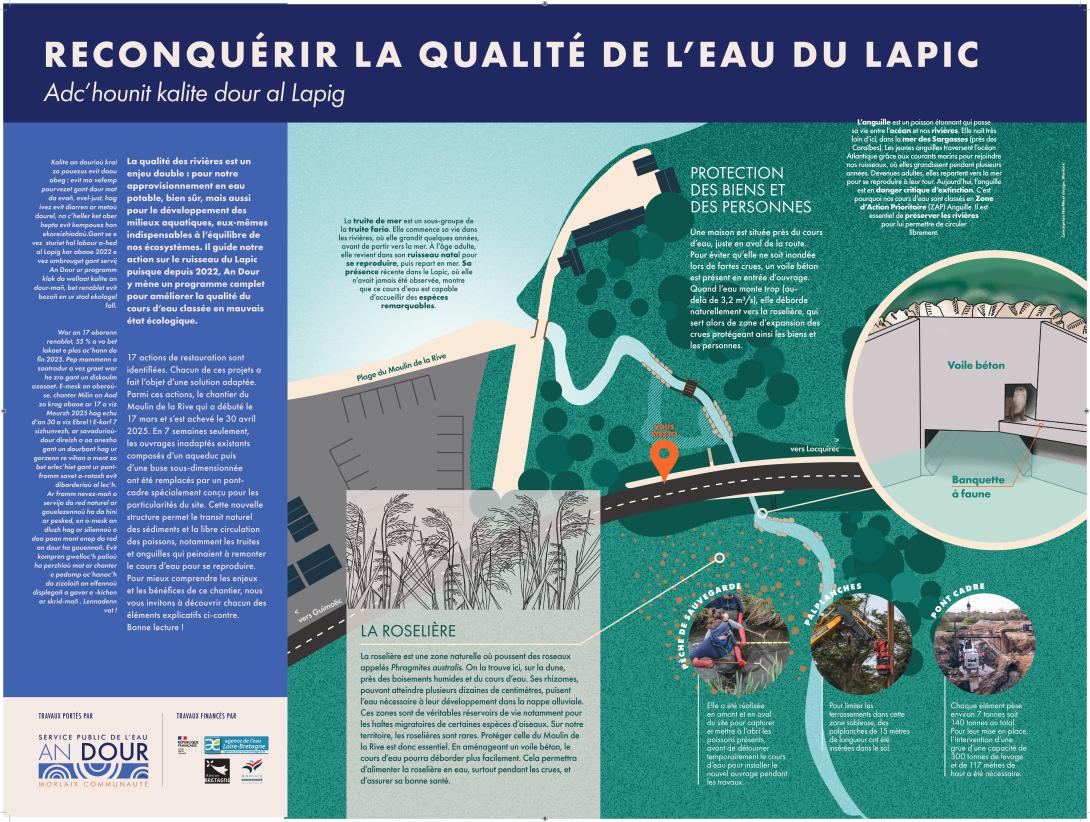
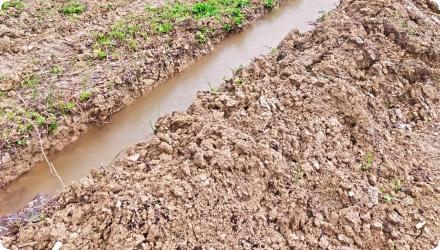
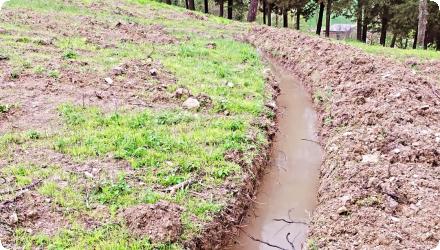
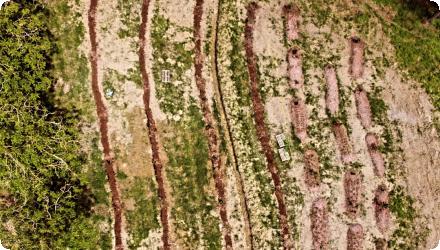
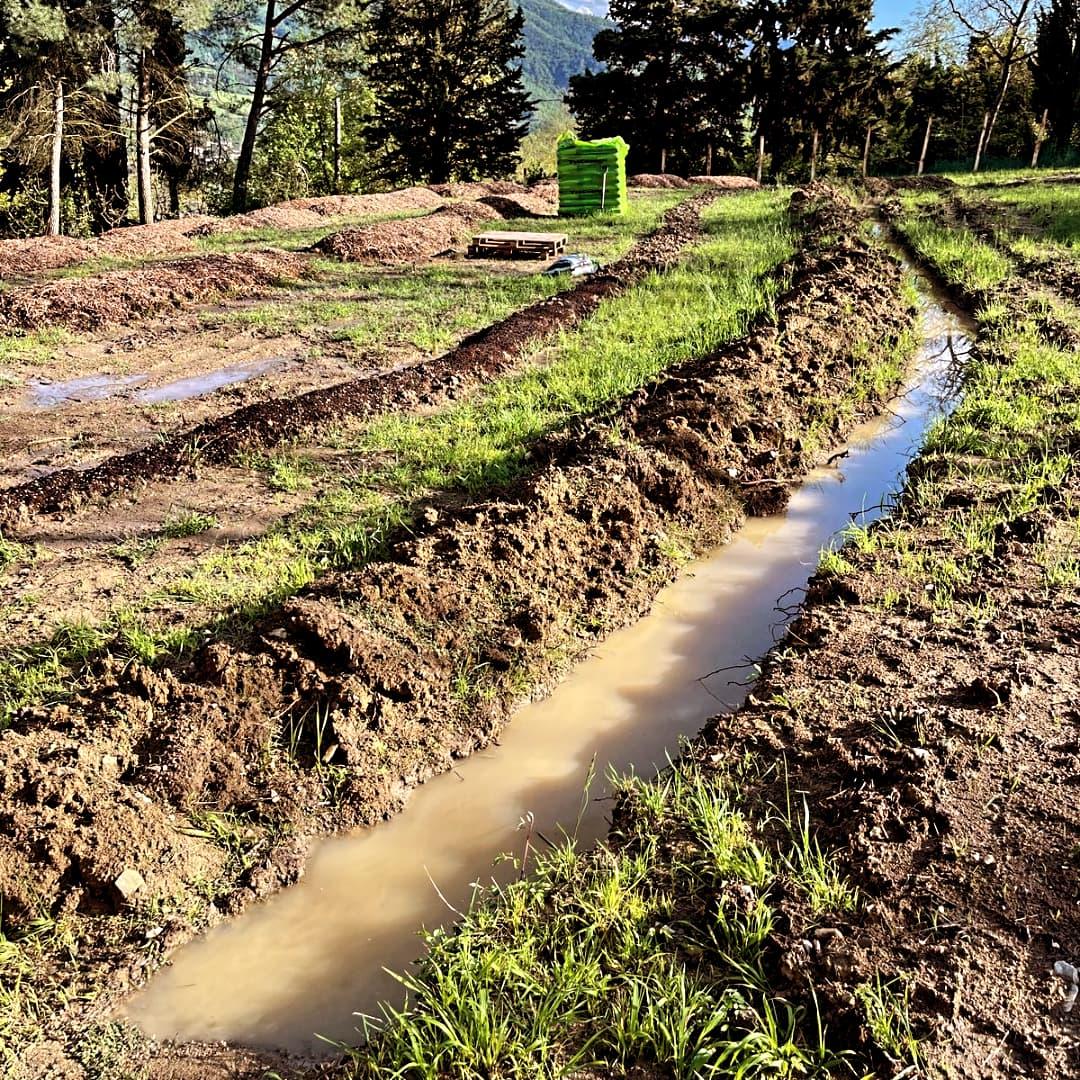
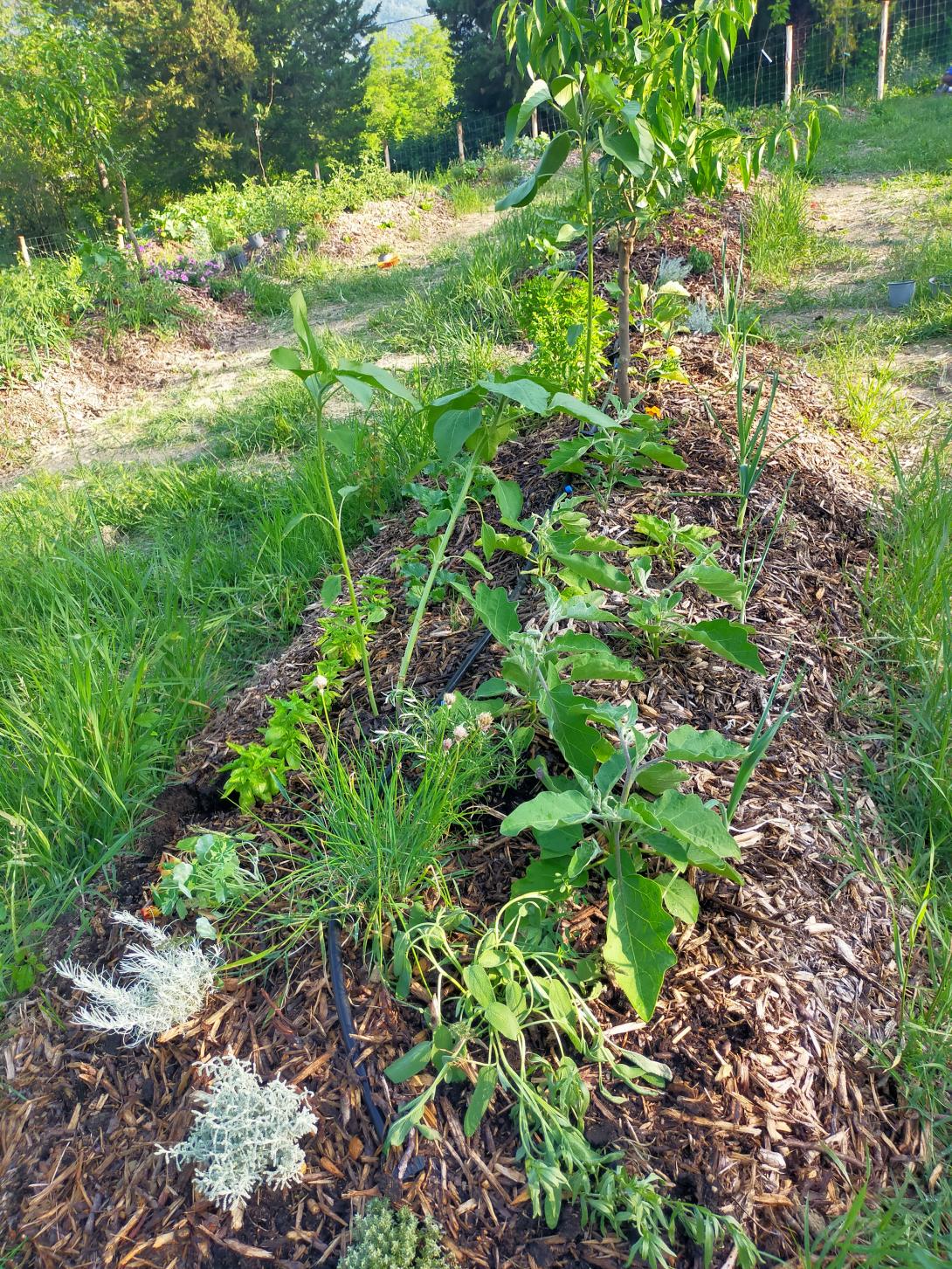
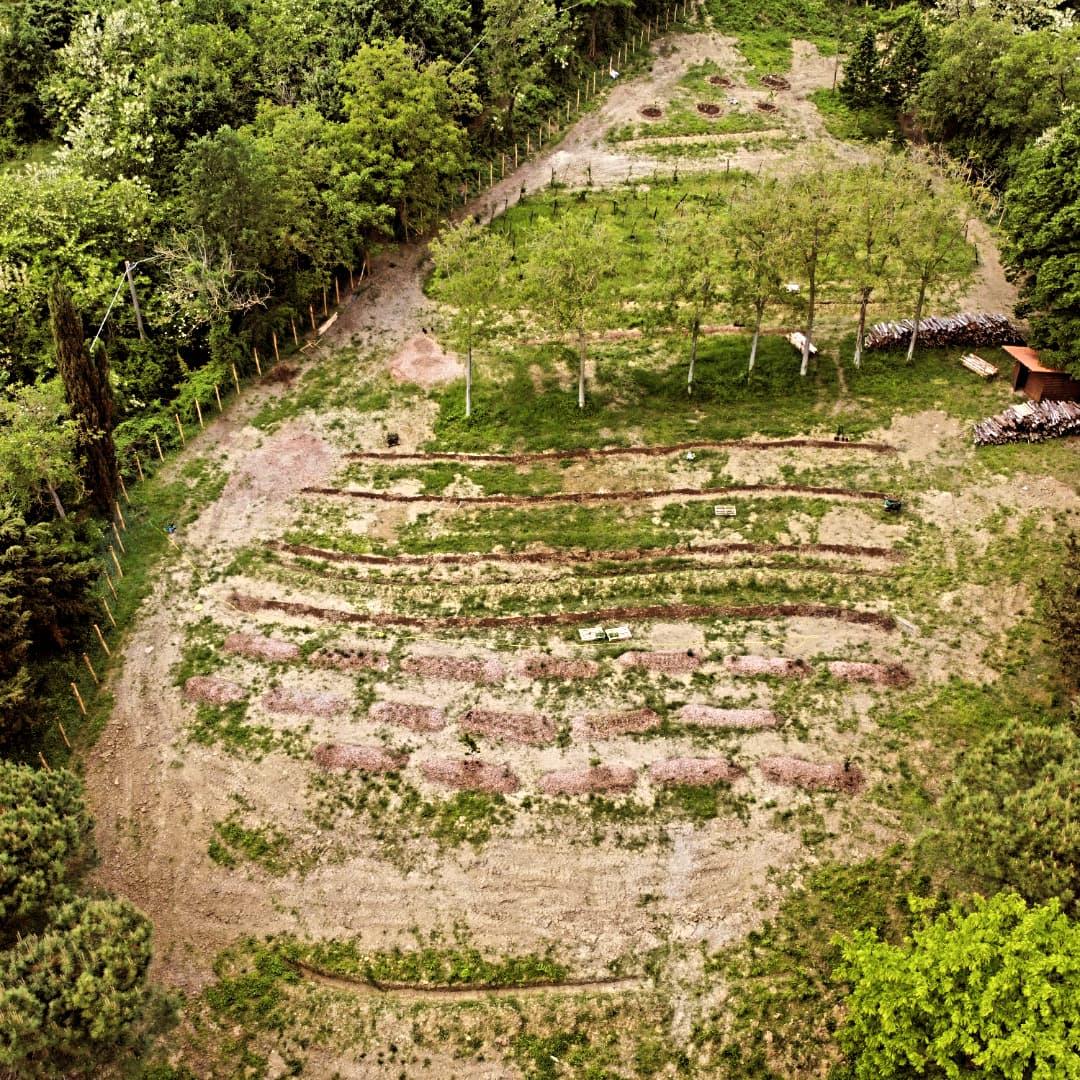
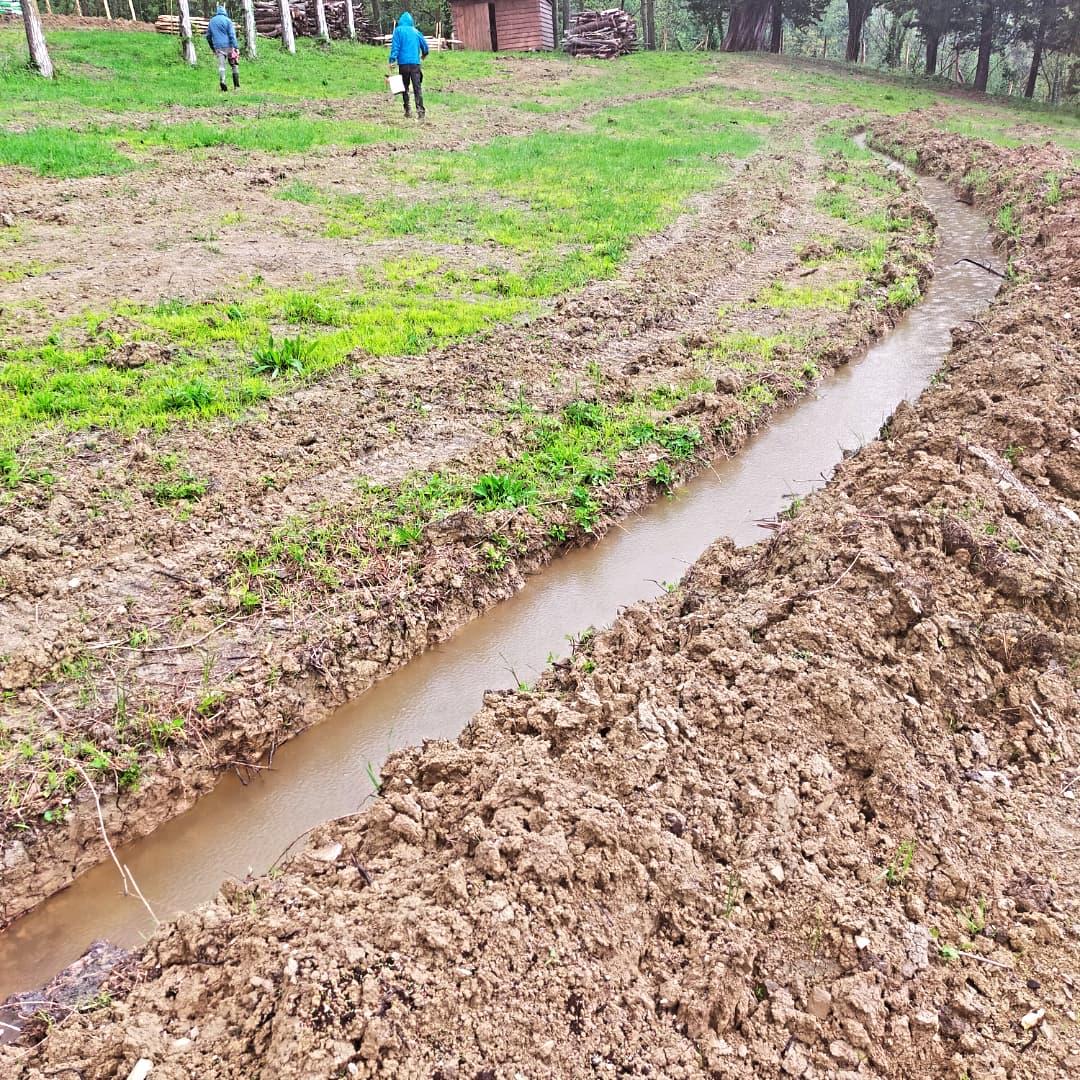
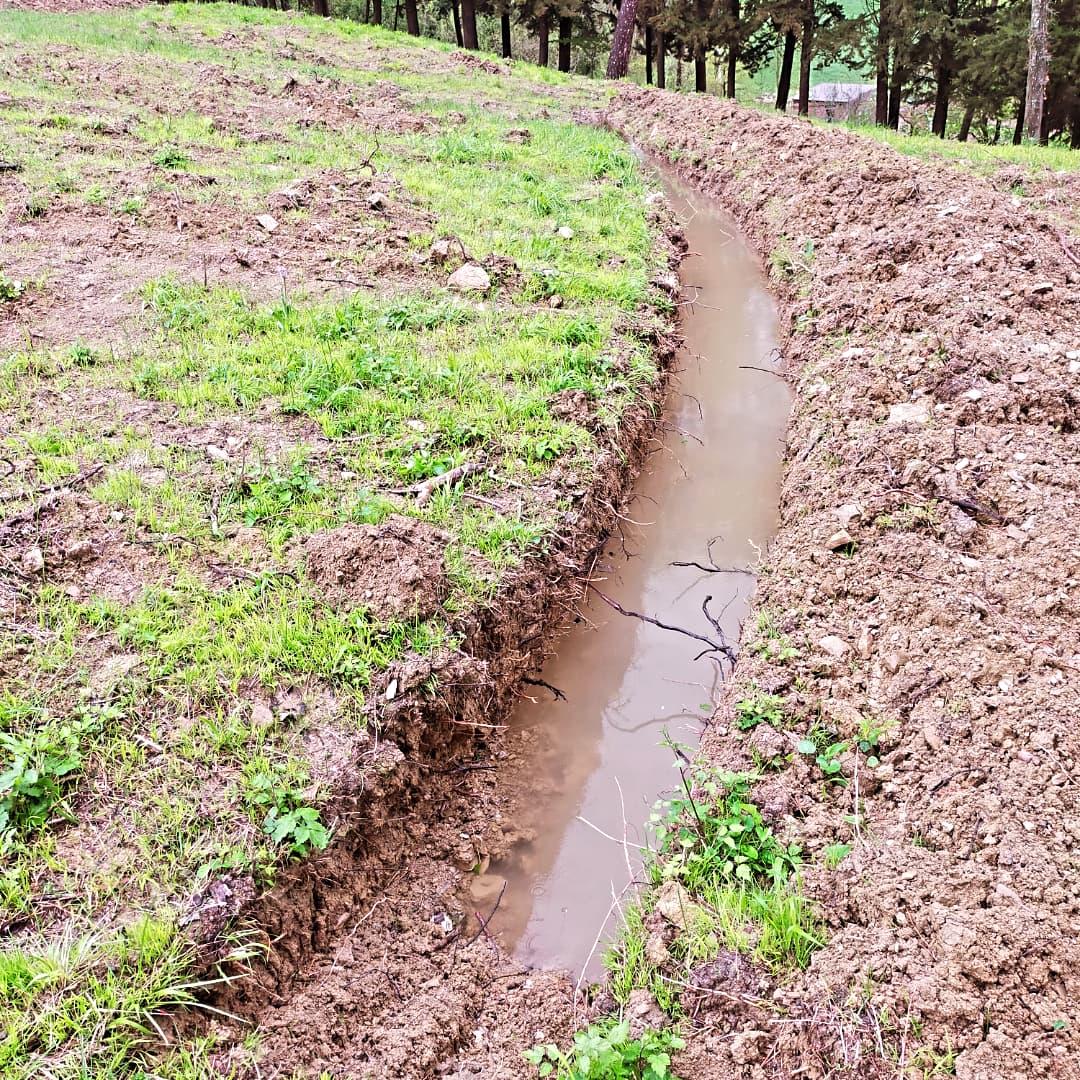
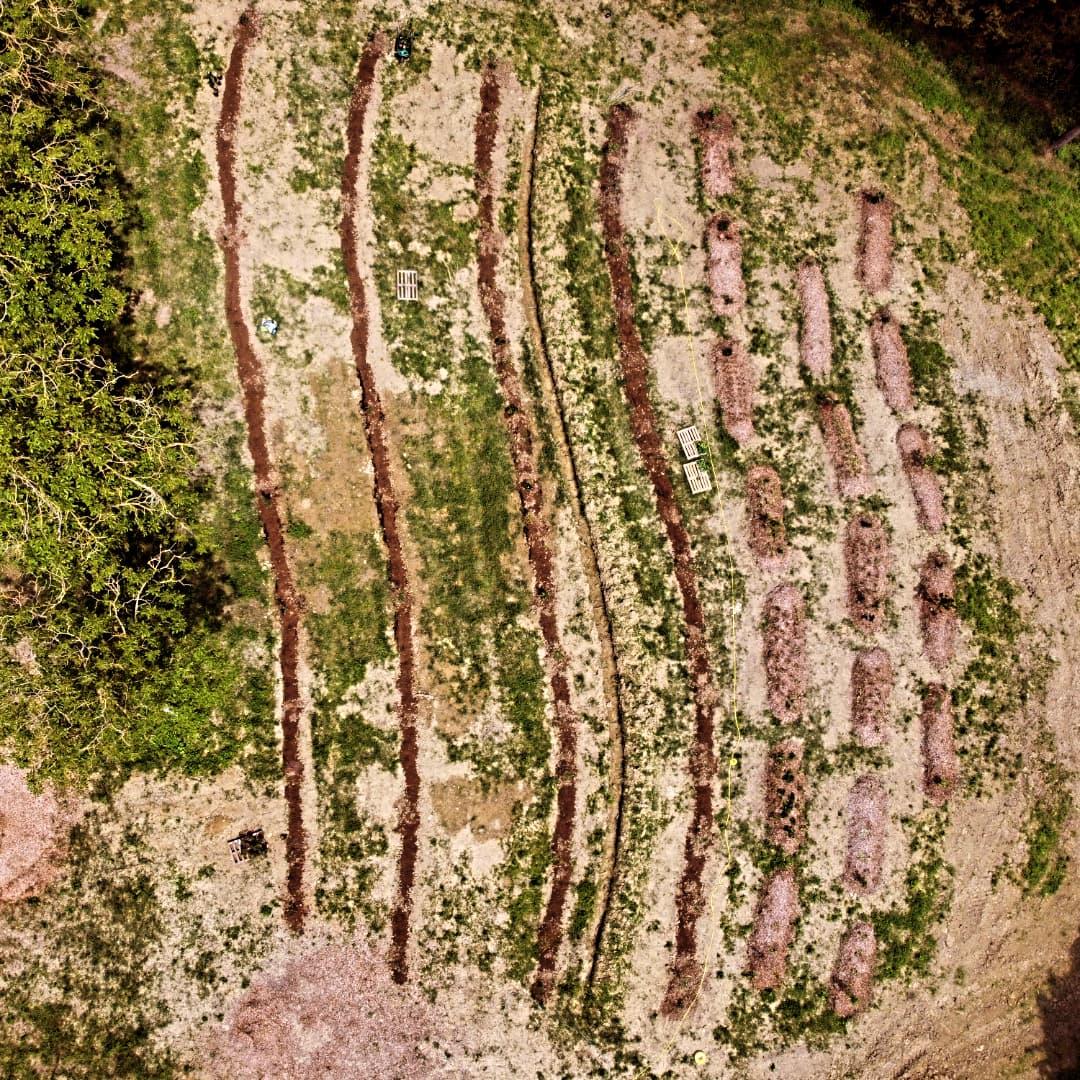
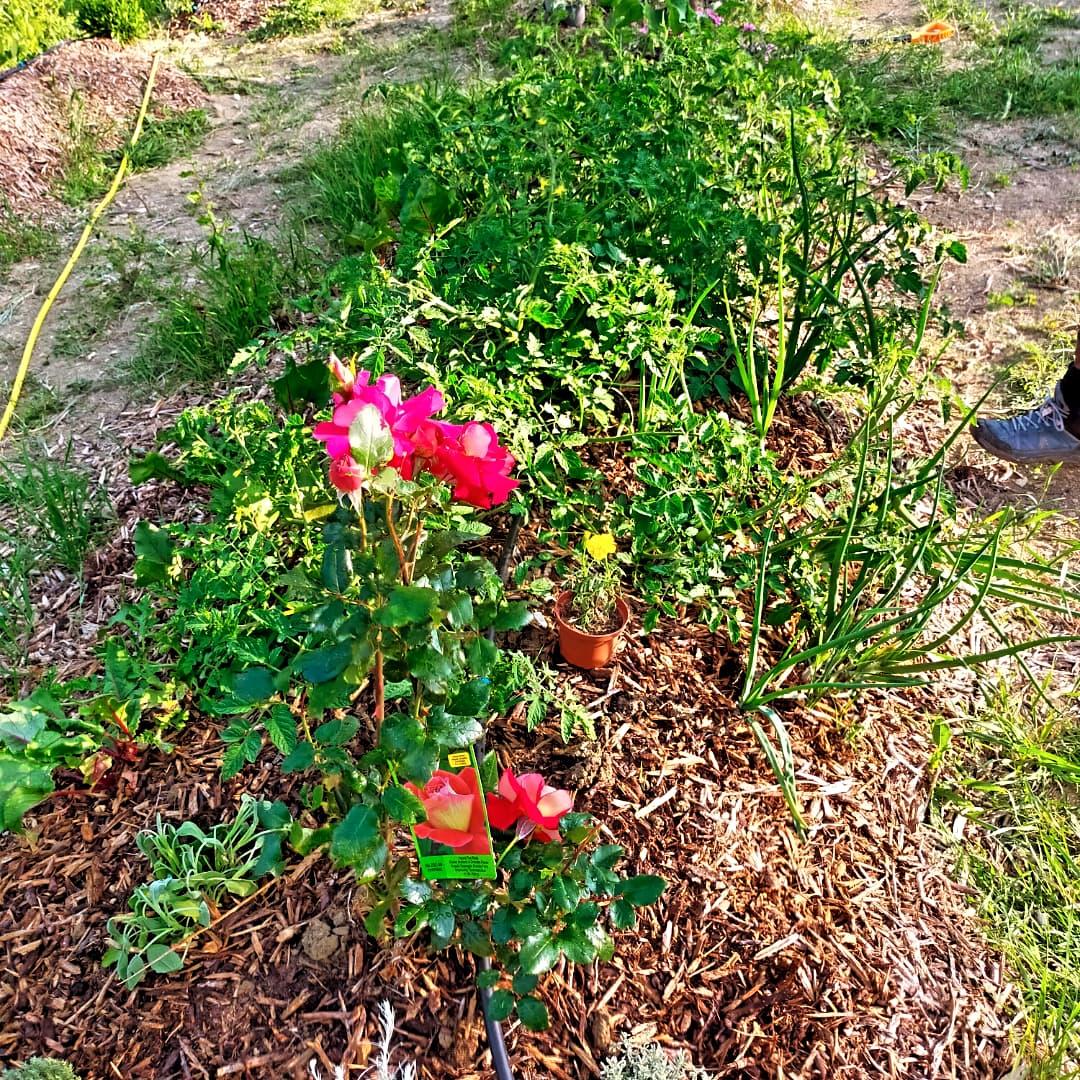
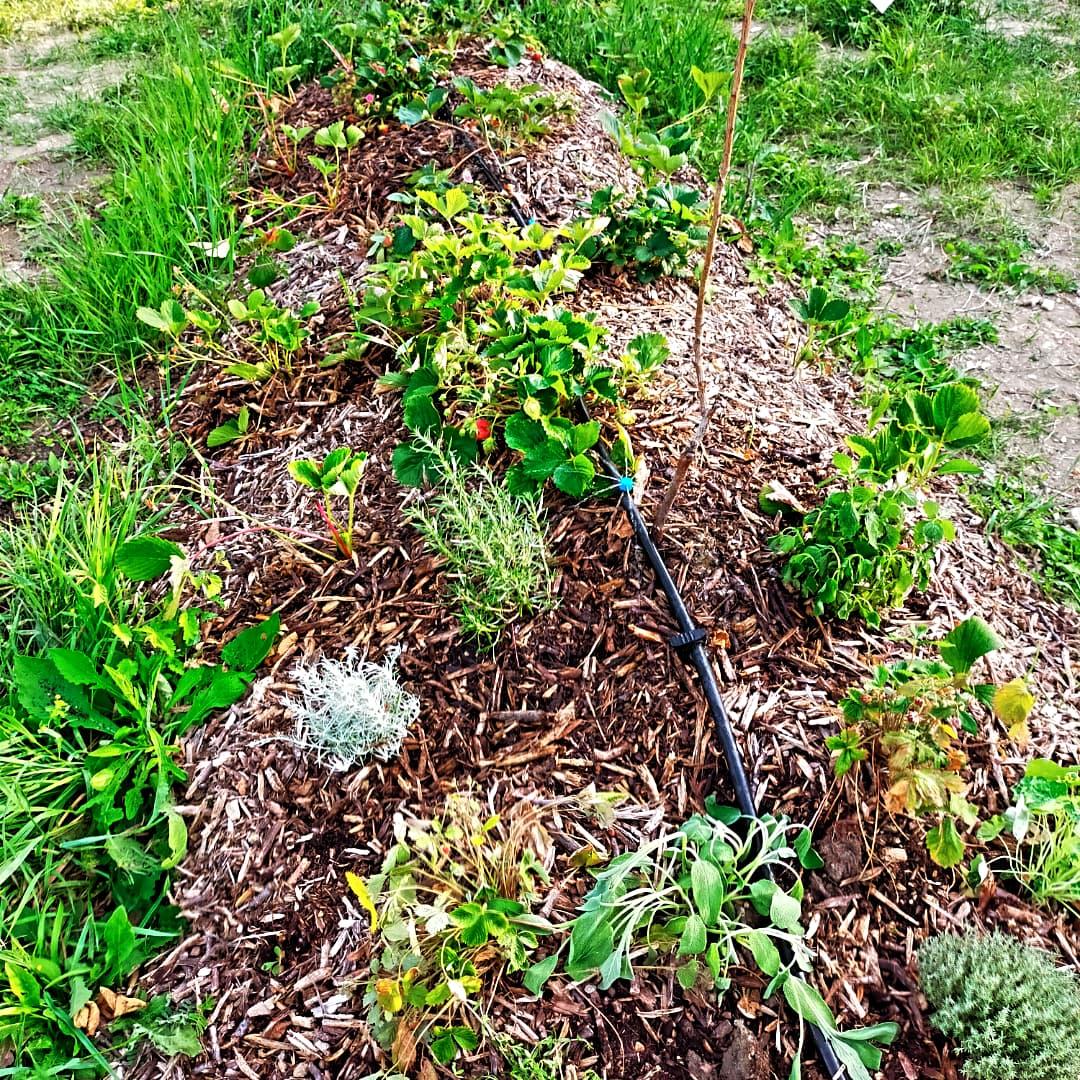
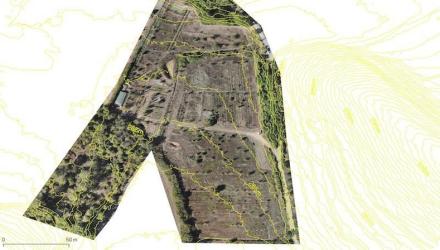
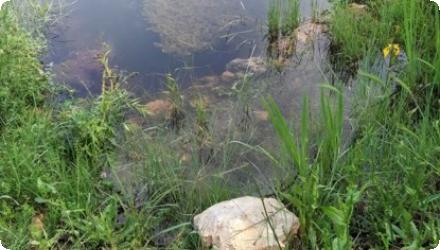
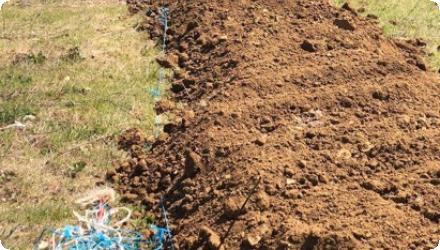
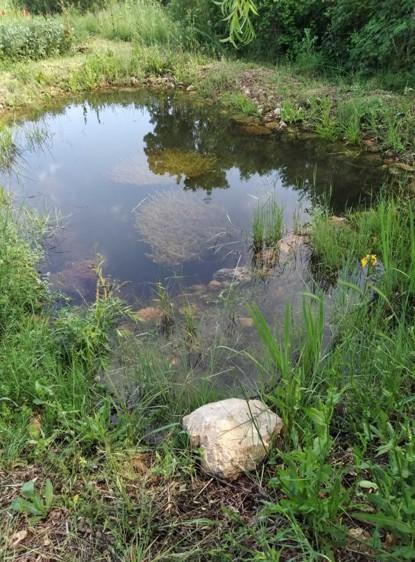
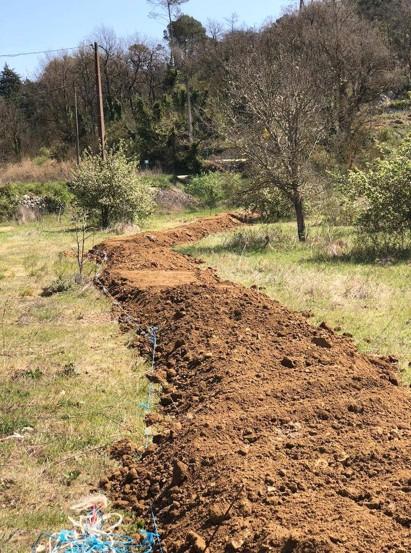
In spring 2022, the design came to life thanks to the PermaLab team and a few volunteers. They began digging an infiltration basin. Using the surplus soil from the basin, raised beds were formed along the contour lines higher up in the plot.Finally, a waterproofed biodiversity pond was created in the centre of the vegetable garden.
The association offers training courses, guided tours, talks and workshop sessions for people of all ages, to help them learn how to grow their own food whilst caring for the Earth. The project promotes a regenerative farming and permaculture approach, emphasising solar energy and the synergies between plants and animals. The aim is to provide innovative tools for communication and transformation – both personal and collective – to support the expansion of life and the regeneration of ecosystems.
The garden organises tours on the first Sunday of every month.
The Jardin Forêt des Étangs embodies a model of a resilient landscape, an invitation to understand living things and to contribute to the regeneration of the planet, within a nurturing and inspiring setting. Spanning 3 hectares, it is home to over 1,000 trees and perennials, as well as three hydrological features (an infiltration basin, a biodiversity pond and a keyline-designed pond). The Jardins de Reliance association partnered with PermaLab to jointly develop the hydrological study and design for the Jardin Forêt des Étangs in 2021.
In spring 2022, the design came to life thanks to the PermaLab team and a few volunteers. They began digging an infiltration basin. Using the surplus soil from the basin, raised beds were formed along the contour lines higher up in the plot.Finally, a waterproofed biodiversity pond was created in the centre of the vegetable garden.
The association offers training courses, guided tours, talks and workshop sessions for people of all ages, to help them learn how to grow their own food whilst caring for the Earth. The project promotes a regenerative farming and permaculture approach, emphasising solar energy and the synergies between plants and animals. The aim is to provide innovative tools for communication and transformation – both personal and collective – to support the expansion of life and the regeneration of ecosystems.
The garden organises tours on the first Sunday of every month.
Last update
2026