Last update
2026
Summary
For this case study the core objective is how to enhance the sponge functioning in a modern, optimized drained landscape. The goal is to improve the understanding of the system to increase groundwater levels, seepage, and stream discharge during summer. Some of the aspects that will be further explored include: stimulating groundwater recharge through infiltration and reducing drainage throughout the catchment.
Position
Latitude
53.7372222
Longitude
23.3927777
Biogeographical Region
Continental
Project
SpongeScapes
Implementation Status
Transboundary
0
Photo gallery
Location of the project
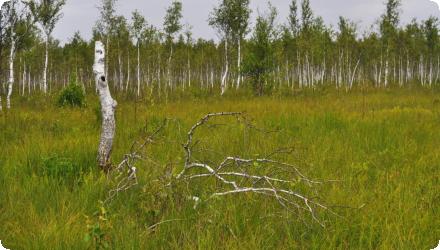
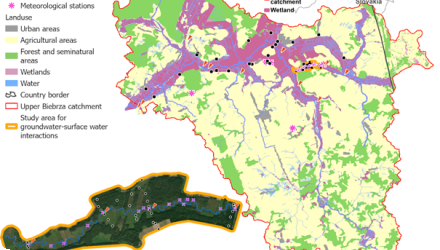
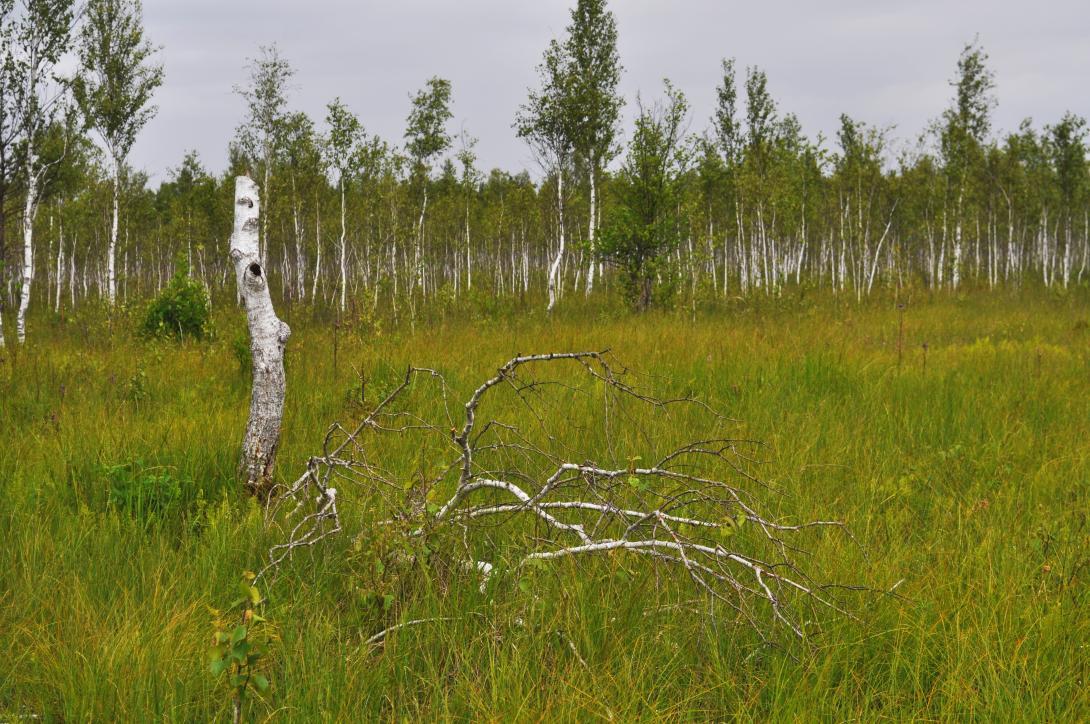
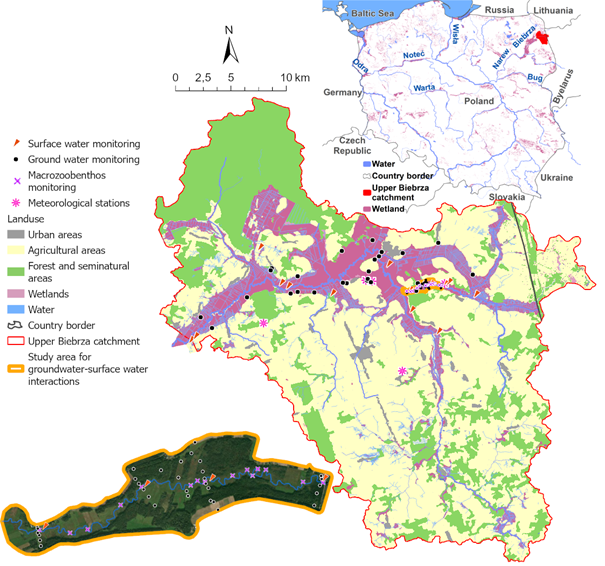
Located in the Podlaskie Voivodeship in north-eastern Poland, the Upper Biebrza region within the Biebrza National Park is characterised by its valuable and relatively untouched wetland ecosystems. These include alkaline fens, transitional peatlands, and bog woodlands. The peat soils prevalent in this area, combined with a largely unaltered hydrological system, contribute to its significant water retention and carbon storage capacity. This region plays a crucial role in maintaining unique biodiversity and ecological functions, making it a valuable reference for wetland conservation and sustainable management initiatives. The case study is located in regions that signed the Mission Charter of the EU Mission on Climate Adaptation.
Project's objectives
The study of the large peat wetlands of the Upper Biebrza aims to improve our understanding of the natural ‘sponge-like’ functions of these ecosystems. By investigating the interactions between groundwater and surface water and observing the effects of Nature-based Solutions (NbS) on them we aim to gain critical insights. This knowledge will be instrumental in developing effective conservation strategies for groundwater-dependent wetlands across Europe, ensuring their sustainable future.
Involved Partners
| Authority type | Authority name | Role | Comments |
|---|---|---|---|
Financing authorities
Community involvment
No
Design consultation activity
| Activity stage | Name | Key issues | Comments |
|---|---|---|---|
Policy target
| Target purpose |
|---|
Policy pressure
| Pressure directive | Relevant pressure |
|---|---|
Policy impact
| Impact directive | Relevant impact |
|---|---|
Requirement directive
| Requirement directive | Specification |
|---|---|
Contractual arrangements
0
| Arrangement type | Responsibility | Role | Name | Comments |
|---|---|---|---|---|
Part of wider plan
0
Wider plan type
| Wider plan type | Wider plan focus | Name | Comments |
|---|---|---|---|
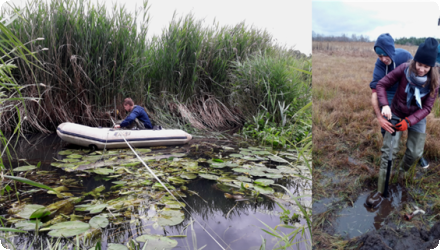
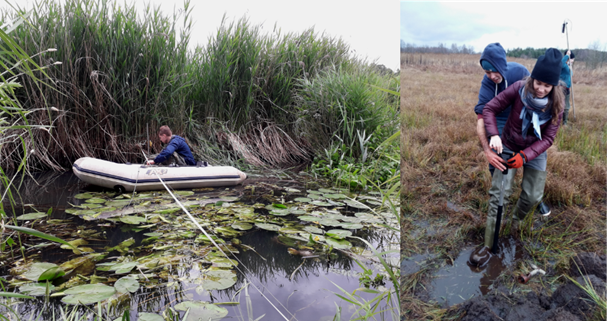
We’re using an extensive monitoring network of water level, water temperature, surface water and groundwater gradient data to assess the area’s potential for optimal ‘sponge’ function. Advanced water modelling tools will be instrumental in our analysis. For the oldest water gauges we have hydrological daily observations since 1948- and meteorlogical observations since 1961.
Success factor(s)
| Success factor type | Success factor role | Comments | Order |
|---|---|---|---|
Driver
| Driver type | Driver role | Comments | Order |
|---|---|---|---|
English