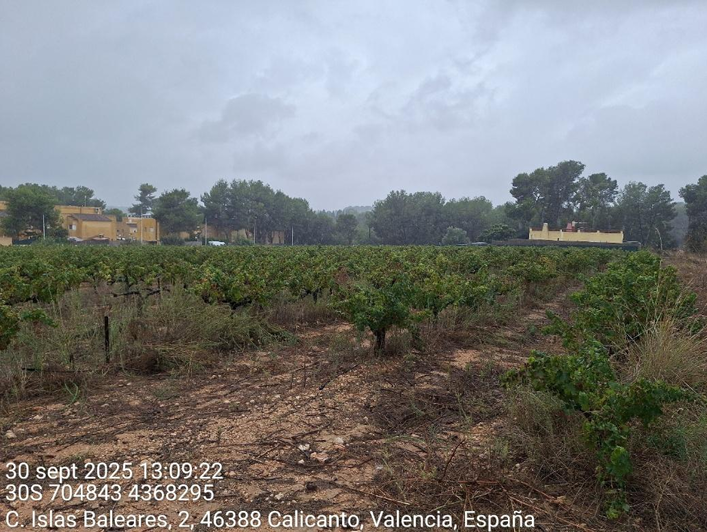
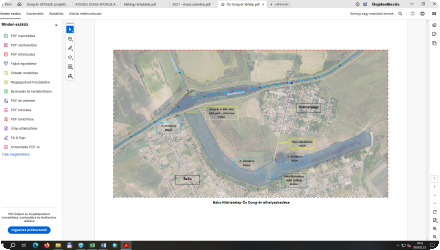
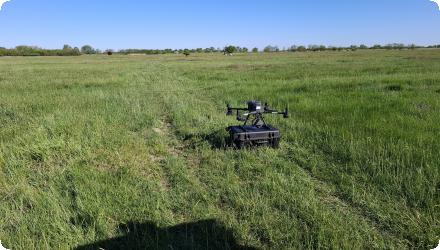
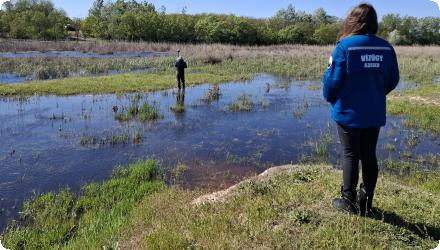
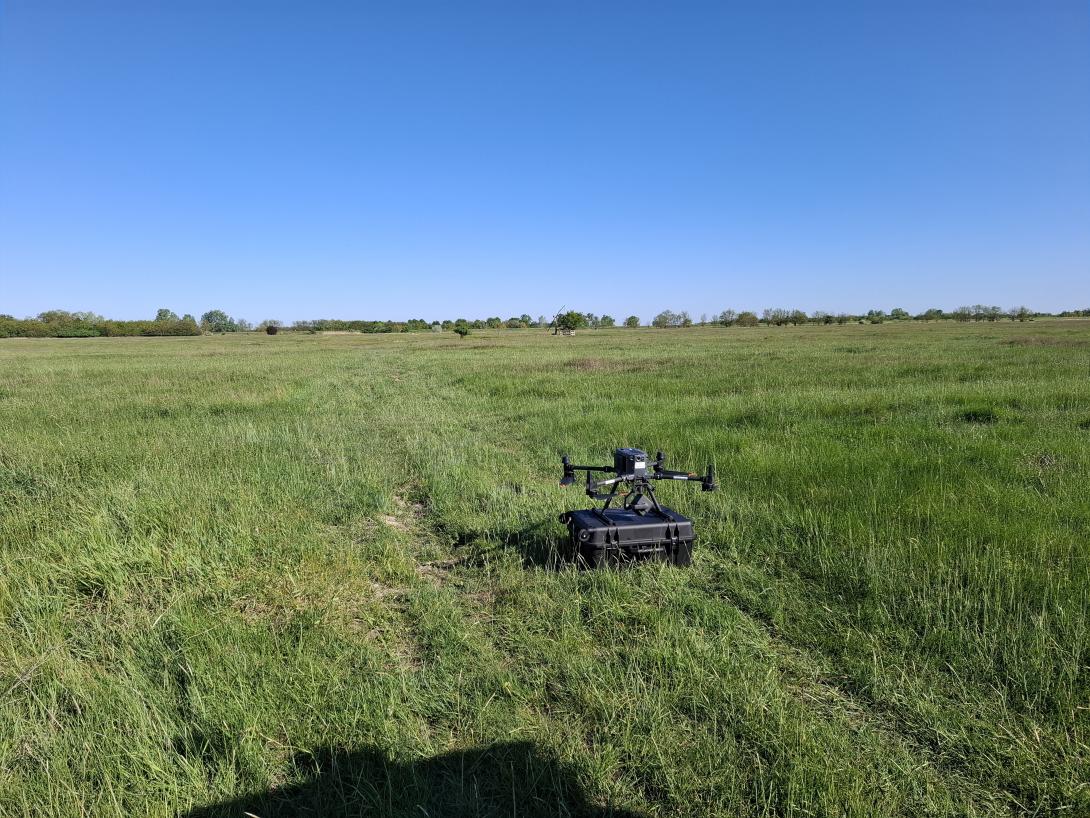
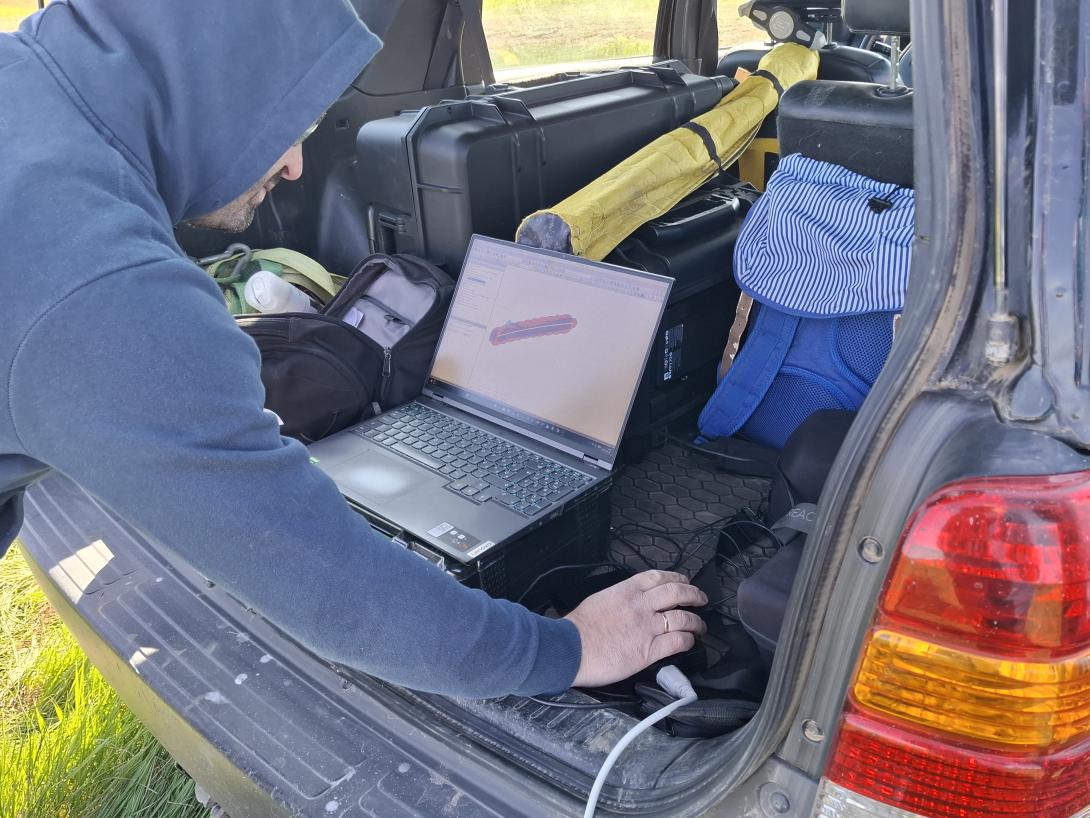
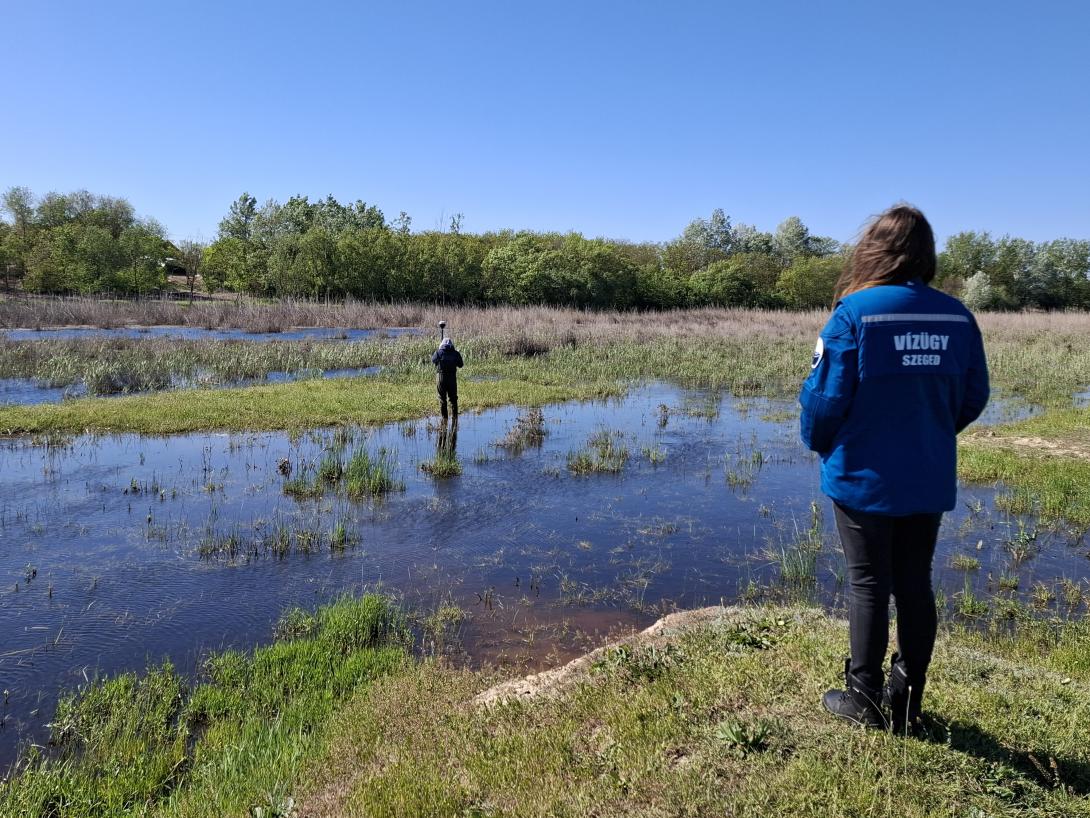
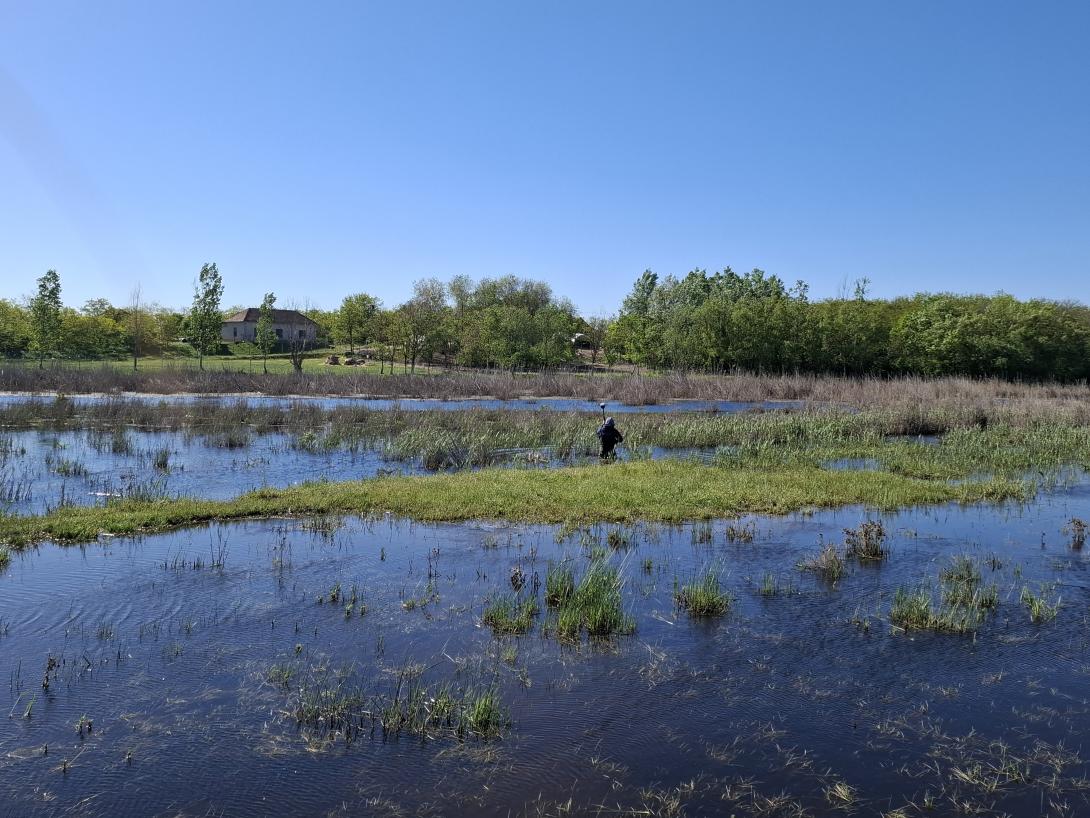
Photo gallery
Summary
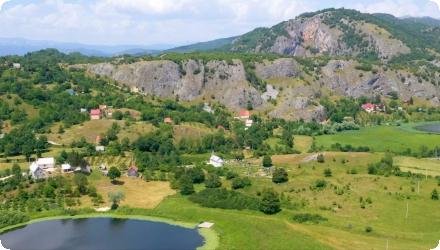
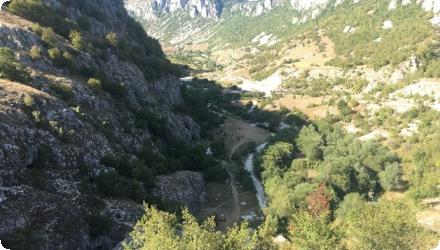
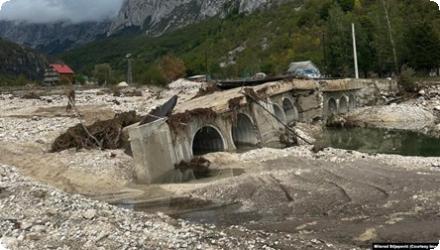
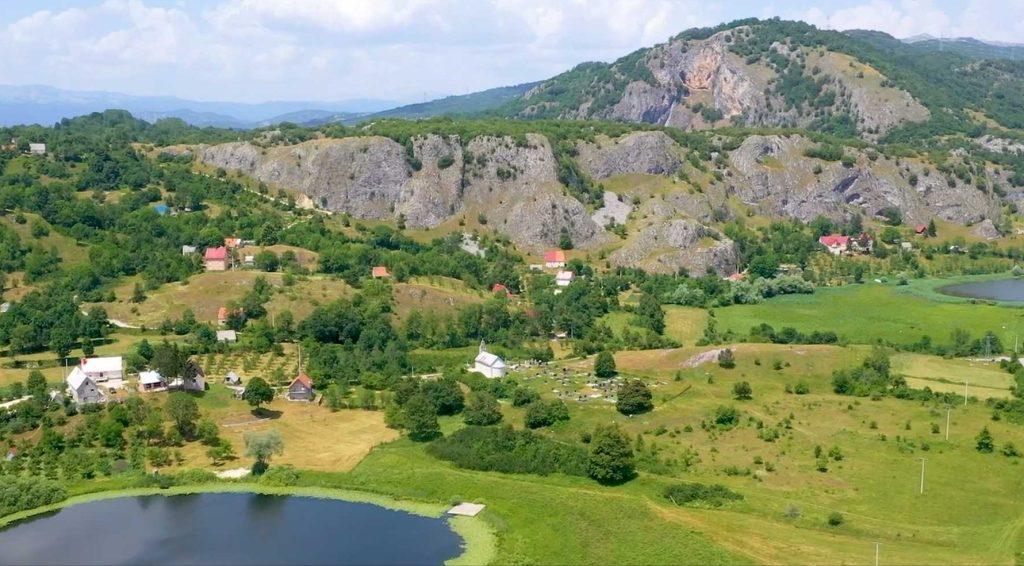
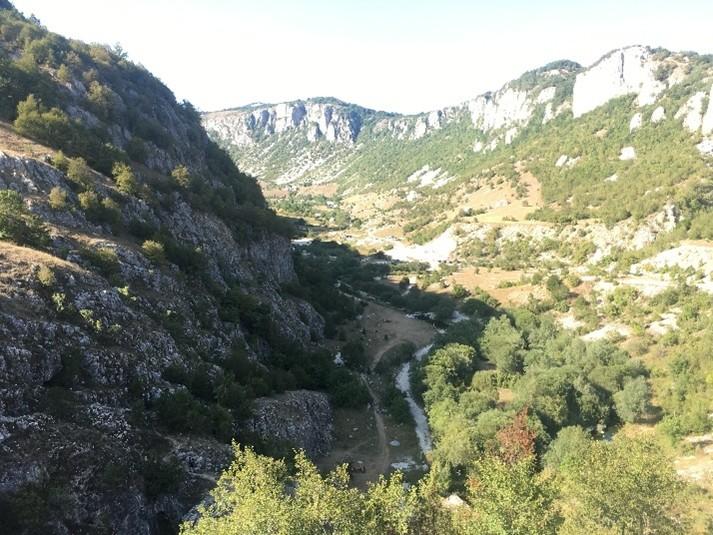
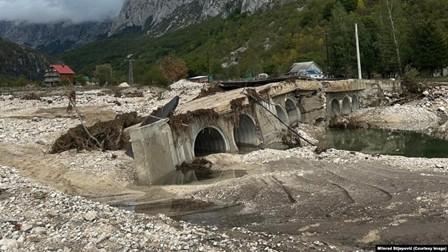
The Šavnik Flood Resilience Strategy Project seeks to strengthen community resilience and protect ecosystems in Montenegro’s Komarnica catchment, a nationally significant river system that flows through the Komarnica and Dragišnica Nature Parks. Triggered by the severe floods of October 2024, the project addresses both the urgent need for flood risk reduction and the long-term safeguarding of natural assets.
Its objectives are to co-develop a participatory sponge strategy and action plan that integrates hydrological, soil and GIS assessments with community knowledge. Within this framework, some of pilot nature-based solutions, which can be (bioswales, reforestation measures, and wetland revitalization)—will be tested in the Komarnica valley and formally embedded in Šavnik’s Local Protection and Rescue Plan, ensuring institutional uptake and continuity beyond the project.
As a Translating Region within SpongeWorks, Šavnik will adapt lessons learned from the Lèze demonstrator to the context of a small mountainous municipality. By doing so, the project will generate fresh datasets, refine co-design and multi-actor engagement practices, and deliver replicable examples of sponge strategies in protected landscapes.
The expected impact extends beyond local benefits: reduced flood risks, improved soil and water retention, and enhanced biodiversity. At the same time, the initiative contributes directly to the goals of the EU Missions on Climate Adaptation, Soil Health, and Water Restoration, showcasing how locally anchored, nature-based actions can advance European priorities. By combining technical analysis, stakeholder participation, and tangible pilot implementation, the project aims to serve as a scalable model for other vulnerable and ecologically valuable regions across Western Balkans and broader.
Its objectives are to co-develop a participatory sponge strategy and action plan that integrates hydrological, soil and GIS assessments with community knowledge. Within this framework, some of pilot nature-based solutions, which can be (bioswales, reforestation measures, and wetland revitalization)—will be tested in the Komarnica valley and formally embedded in Šavnik’s Local Protection and Rescue Plan, ensuring institutional uptake and continuity beyond the project.
As a Translating Region within SpongeWorks, Šavnik will adapt lessons learned from the Lèze demonstrator to the context of a small mountainous municipality. By doing so, the project will generate fresh datasets, refine co-design and multi-actor engagement practices, and deliver replicable examples of sponge strategies in protected landscapes.
The expected impact extends beyond local benefits: reduced flood risks, improved soil and water retention, and enhanced biodiversity. At the same time, the initiative contributes directly to the goals of the EU Missions on Climate Adaptation, Soil Health, and Water Restoration, showcasing how locally anchored, nature-based actions can advance European priorities. By combining technical analysis, stakeholder participation, and tangible pilot implementation, the project aims to serve as a scalable model for other vulnerable and ecologically valuable regions across Western Balkans and broader.
Last update
2026