Authors
WWF & partners
Publisher
WWF
Year
2013
Abstract
This is the page gathering all presentations made at the final conference of the project in 2013 which was gathering representatives from 5 countruies to exchange on the project, its results and follow up.
Source type
Website
Summary
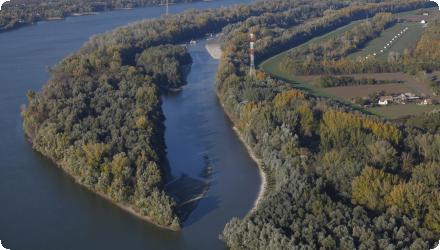
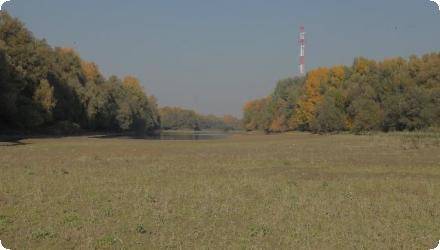
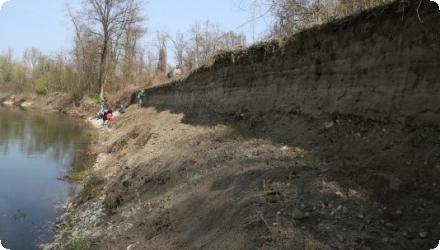
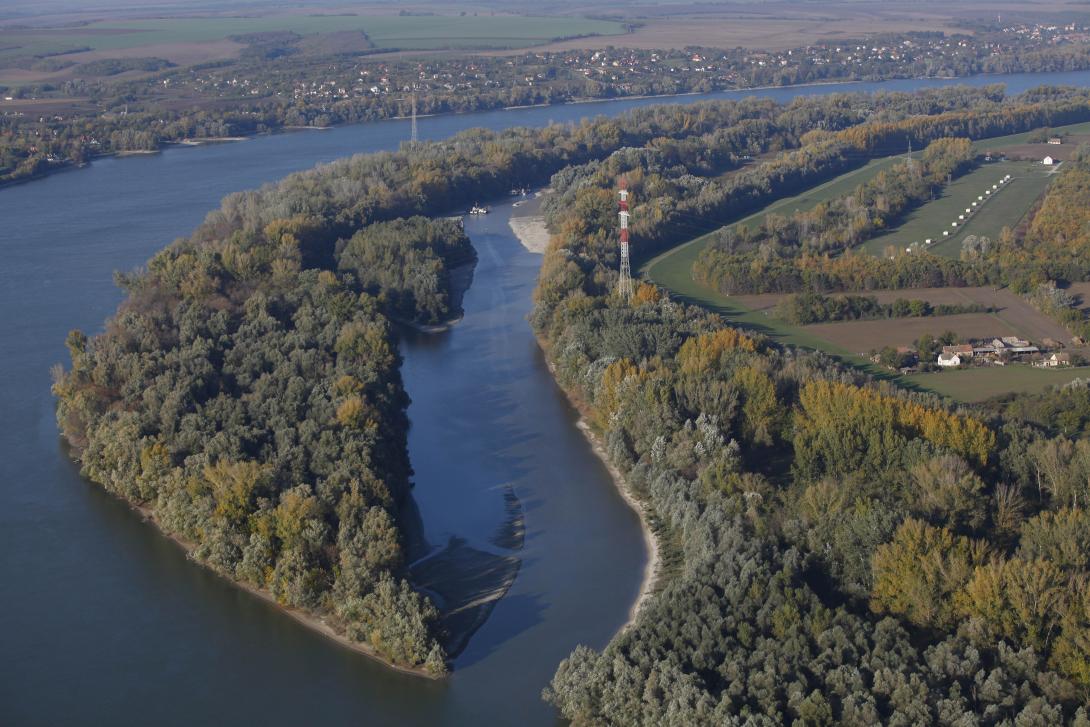
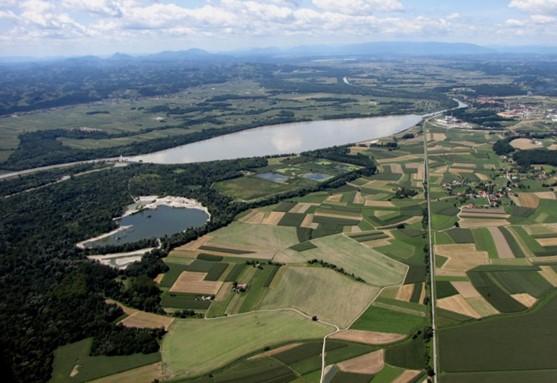
Liberty Island (Szabadság-sziget) lies north of Mohács on the Danube’s left bank; it is ~3 km long, 150–200 m wide and 47 ha, strictly protected within Danube–Drava National Park and the Natura 2000 network. Bank-filtered wells along this bank supply South Baranya settlements.
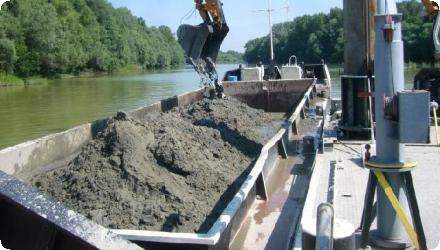
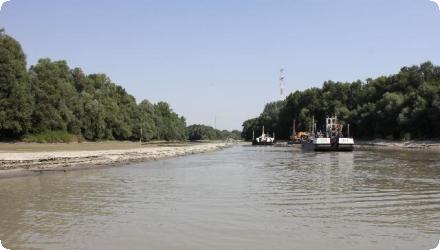
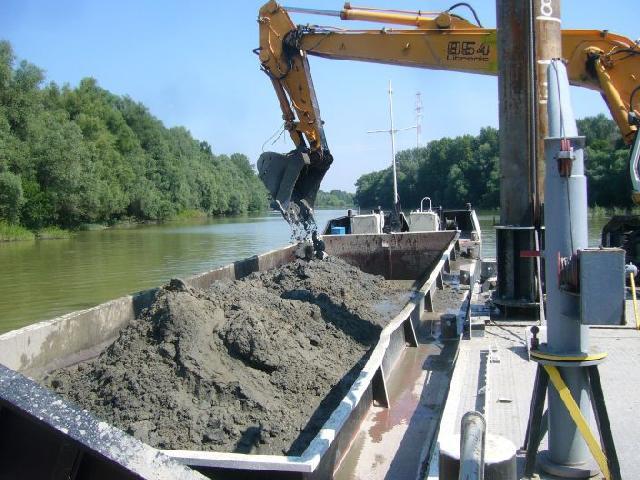
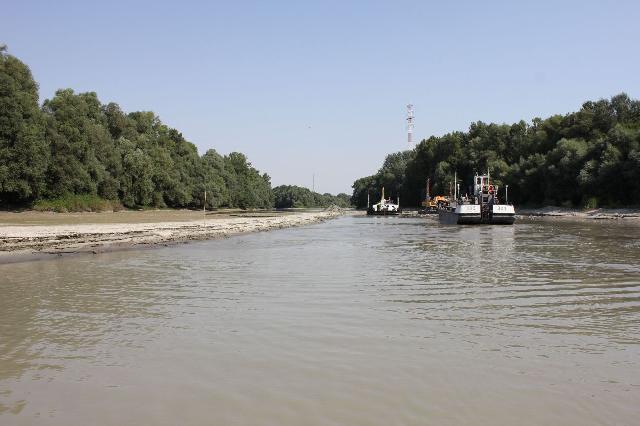
From 2009–2013 a LIFE+ project led by WWF Hungary with DDNP, the Lower-Danube Water Directorate and DRV Zrt. reopened the side-arm by partially removing the 1980s rock-fill dam, relocating the drinking-water pipe beneath the bed, and dredging ≈160,000 m³ of sediment; invasive trees were removed and native softwood floodplain forest restored.
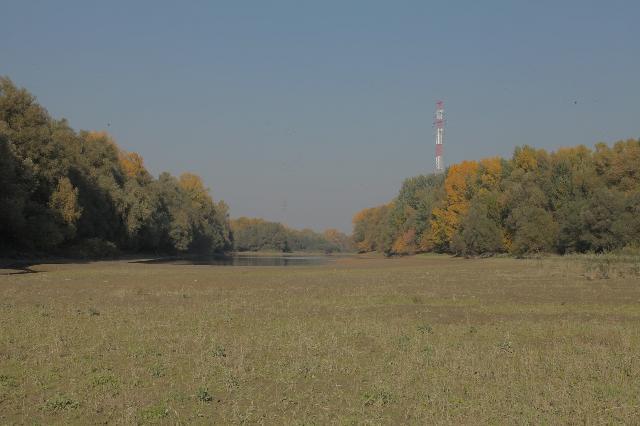
Since completion, the arm flows freely again (about 40–60 m wide and ~2 m deep even at low water), improving natural bank filtration and reducing treatment needs; a boat-accessible nature trail was created.
Post-project monitoring (2018–2020) found 35 fish species, including protected EU/HU taxa, and confirmed spawning use of the reconnected arm. Bathymetric observations indicate overall slowed infilling, though in very low flows upstream sections can still be intermittently disconnected by shoals/wood jams; management is guided by the Béda-Karapancsa Natura 2000 plan.
Last update
2025
Summary
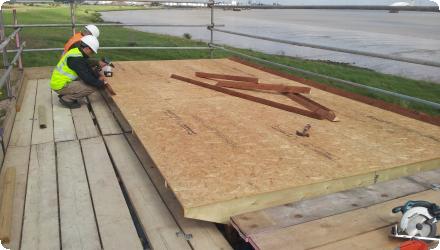
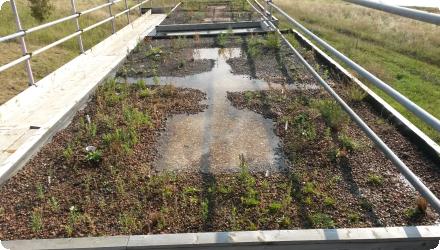
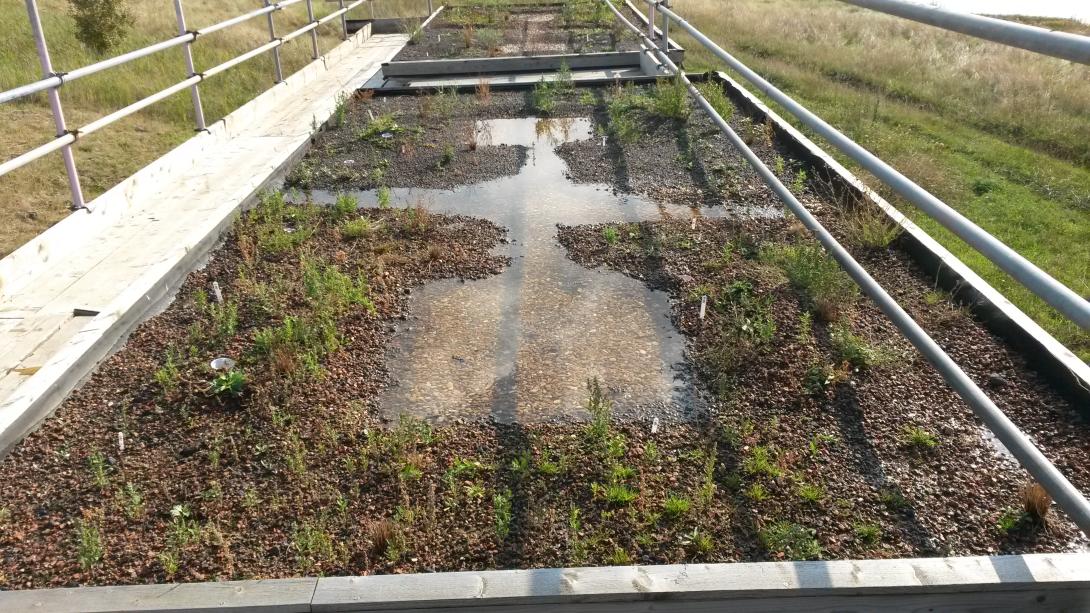
Barking Riverside piloted an ecomimicry approach to green roofs to conserve a regionally important brownfield invertebrate community, including target species such as the brown-banded carder bee (Bombus humilis) and Gymnosoma nitens. Roof test bays reproduced open-mosaic niches (varied substrate depths, recycled aggregates, ephemeral pools), and monitoring showed these designs could retain pre-development biodiversity while delivering connectivity and ecosystem services. Since then, the method has been formalised in guidance and peer-reviewed research and used to inform wider green infrastructure across the development. At borough scale, by end-2017 Barking & Dagenham hosted 51,658 m² of green roofs, with over 25,000 m² at Barking Riverside (nearly half the borough total), evidencing roll-out beyond the initial trials. Current planning documents continue to mandate ecologically sensitive roofs, with Stage 2 South (2023) targeting 40% of total roof area as green roofs and 10% as brown roofs, and the 2024 Local Plan reinforcing green/brown roofs and locally appropriate planting. Early delivery included ~50 homes (≈20 m² each) and a 2,100 m² roof (1,500 m² vegetated), preceding the broader programme.
Last update
2025
Summary
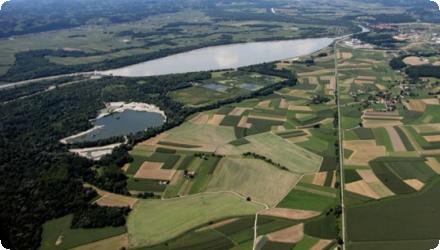
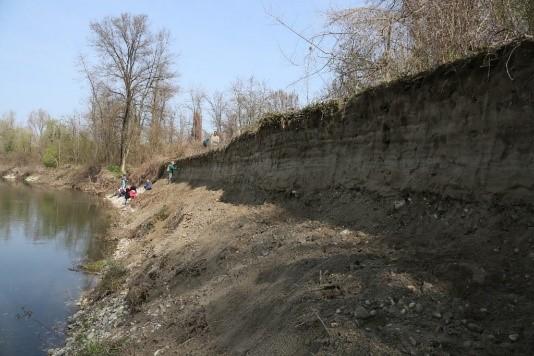
Although the natural dynamics of the Drava River were heavily altered by three hydro-power plants, key lowland river features remain: side channels, dry grasslands within flooded forest, gravel bars, diverse banks and artificial water bodies such as reservoirs. These habitats, together with the restored abandoned wastewater basins of the former Ormož sugar factory, now form one of Slovenia’s most important wetlands for migrating waterbirds. Under the LIFE+ LiveDrava project (2012-2017), three side channels were reconnected, breeding islands and nesting banks created, and semi-natural wetlands established with constant water supply. Monitoring recorded 29 fish species, increased populations of target birds (e.g. +25 % Kingfisher, +200 % Sand Martin) and the first national record of a Natura 2000 fish species. The Ormož Basins Nature Reserve was officially designated in 2017, later expanded to about 66 ha, and is managed by DOPPS with measures such as water buffalo grazing. The site is part of the transboundary Mura-Drava-Danube UNESCO Biosphere Reserve since 2021, and plays a growing role in biodiversity conservation, education and eco-tourism.
Last update
2025
Submitted by admineplanete on
Definition
<p>The biophysical environment is the biotic and abiotic surrounding of an organism or population, and consequently includes the factors that have an influence in their survival, development and evolution. The biophysical environment can vary in scale from microscopic to global in extent. It can also be subdivided according to its attributes. Examples include the marine environment, the atmospheric environment and the terrestrial environment. The number of biophysical environments is countless, given that each living organism has its own environment.</p><p>The symbiosis between the physical environment and the biological life forms within the environment includes all variables that comprise the Earth’s biosphere.</p><p>The&nbsp; biophysical&nbsp; environment&nbsp; can&nbsp; be&nbsp; divided&nbsp; into&nbsp; two&nbsp; categories:&nbsp; the&nbsp; natural&nbsp; environment&nbsp; and&nbsp; the built environment with some overlap between the two. Following the industrial revolution the built environment has become an increasingly significant part of the Earth's environment.</p><p>The scope of the biophysical environment is all that contained in the biosphere, which is that part of the Earth in which all life occurs.</p><p>When narrowed down to the aquatic environment, and particularly in the context of the Water Framework Directive, these are often&nbsp; referred&nbsp; to&nbsp; as&nbsp; water&nbsp; quality,&nbsp; water&nbsp; quantity&nbsp; and&nbsp; hydromorphology.</p>
Submitted by admineplanete on
Definition
<p>A mulch is a layer of material applied to the surface of an area of soil. Its purpose is any or all of the following:</p><p>·&nbsp;&nbsp;&nbsp;&nbsp;&nbsp;&nbsp; to conserve moisture</p><p>·&nbsp;&nbsp;&nbsp;&nbsp;&nbsp;&nbsp; to improve the fertility and health of the soil</p><p>·&nbsp;&nbsp;&nbsp;&nbsp;&nbsp;&nbsp; to reduce weed growth</p><p>·&nbsp;&nbsp;&nbsp;&nbsp;&nbsp;&nbsp; to enhance the visual appeal of the area</p><p>Mulching as NWRM is using organic material (e.g. bark, wood chips, grape pulp, shell nuts, green waste, leftover crops, compost, manure, straw, dry grass, leaves etc.) to cover the surface of the soil. It may be applied to bare soil, or around existing plants. Mulches of manure or compost will be incorporated naturally into the soil by the activity of worms and other organisms. The process is used both in commercial crop production and in gardening, and when applied correctly can dramatically improve the capacity of soil to store water.</p>
Submitted by admineplanete on
Definition
<p>LID is a toolbox of site-scale practices that the site designer and developer can utilize to:</p>manage urban rainfall where it occurs for minimized stormwater concentration and runoffpotentially lower short-term and long-term development costsimprove water qualityenhance natural habitat and flood controlimprove green space aesthetics and potentially increase property valuesincrease community quality of life and livability<p>There are many practices that are used to support these benefits, including bioretention systems, rain gardens, vegetated rooftops, bioswales, rain barrels, and permeable pavements to name a few. By implementing LID principles and practices, water can be managed in a way that reduces the impact of built areas on the environment while providing numerous additional benefits. (source: LID symposium).</p><p>This concept is very similar to NWRM in the United States context. It is very connected to Green Infrastructure. See also the link to US EPA green infrastructure website.</p>
Submitted by Anonymous (not verified) on
Definition

Areas that are inundated by surface or ground water with frequency sufficient to support a prevalence of vegetative or aquatic life that requires saturated or seasonally saturated soil conditions for growth or reproduction.
Wetlands provide both stormwater attenuation and treatment, comprising shallow ponds and marshy areas covered in aquatic vegetation.ᅠ Wetlands detain flows for an extended period to allow sediments to settle and to remove contaminants.ᅠ They also provide runoff attenuation and can provide significant ecological benefits.