
Photo gallery
Summary
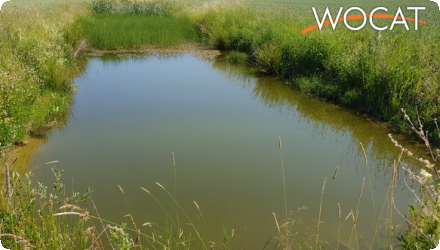
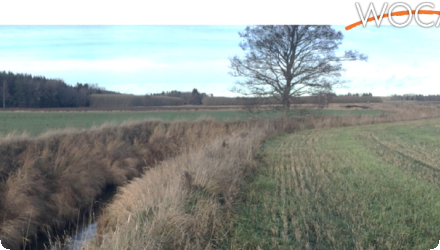
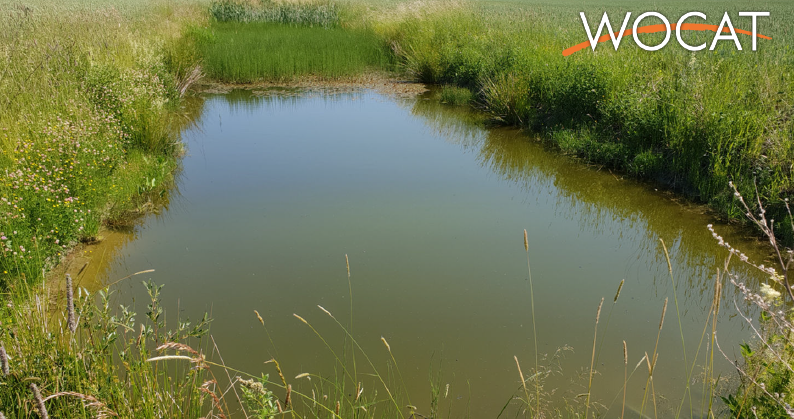
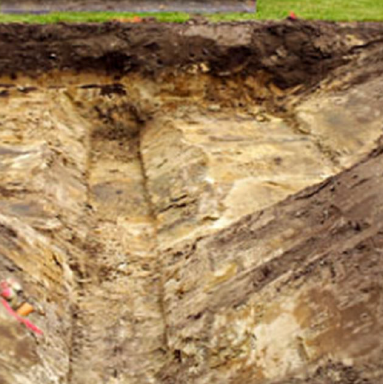
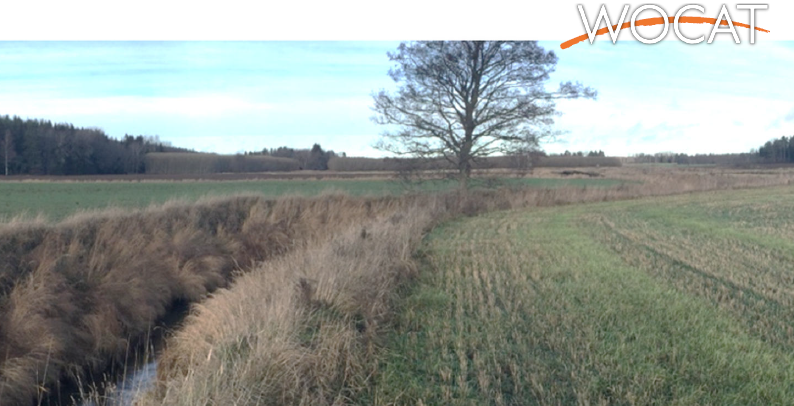
Sävjaån catchment is a lowland mixed land use catchment characteristic of central Sweden. Headwaters in the catchment drain a mixture of forest and agricultural land. Streams draining agricultural land are general deepened and straightened to promote drainage. Localized spring floods are common and summer droughts are increasing. Eutrophication is an issue throughout the catchment.
Last update
2025
Photo gallery
Summary
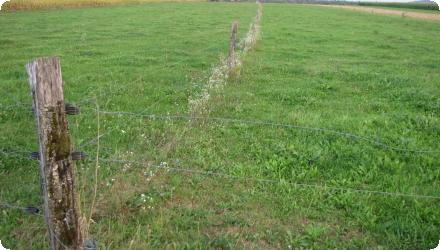
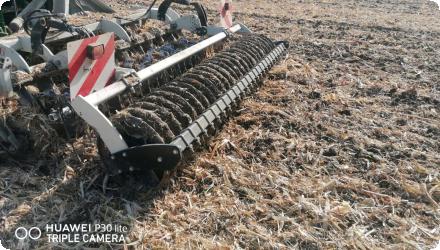
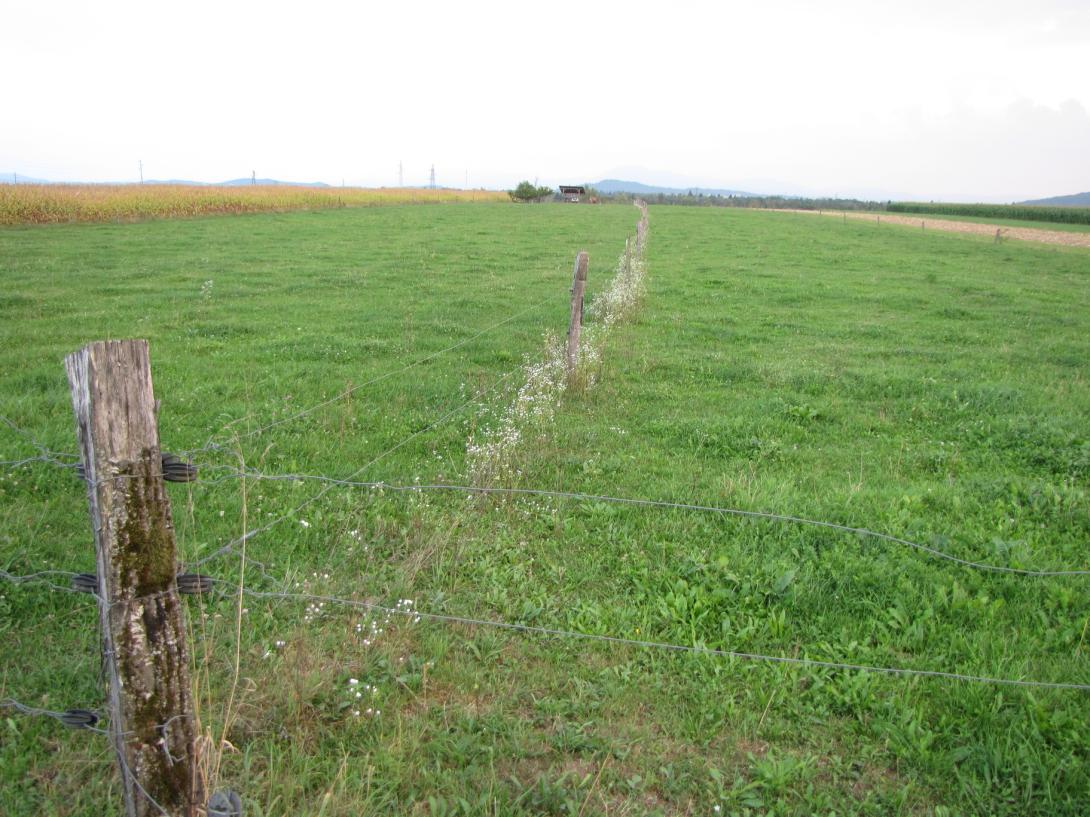
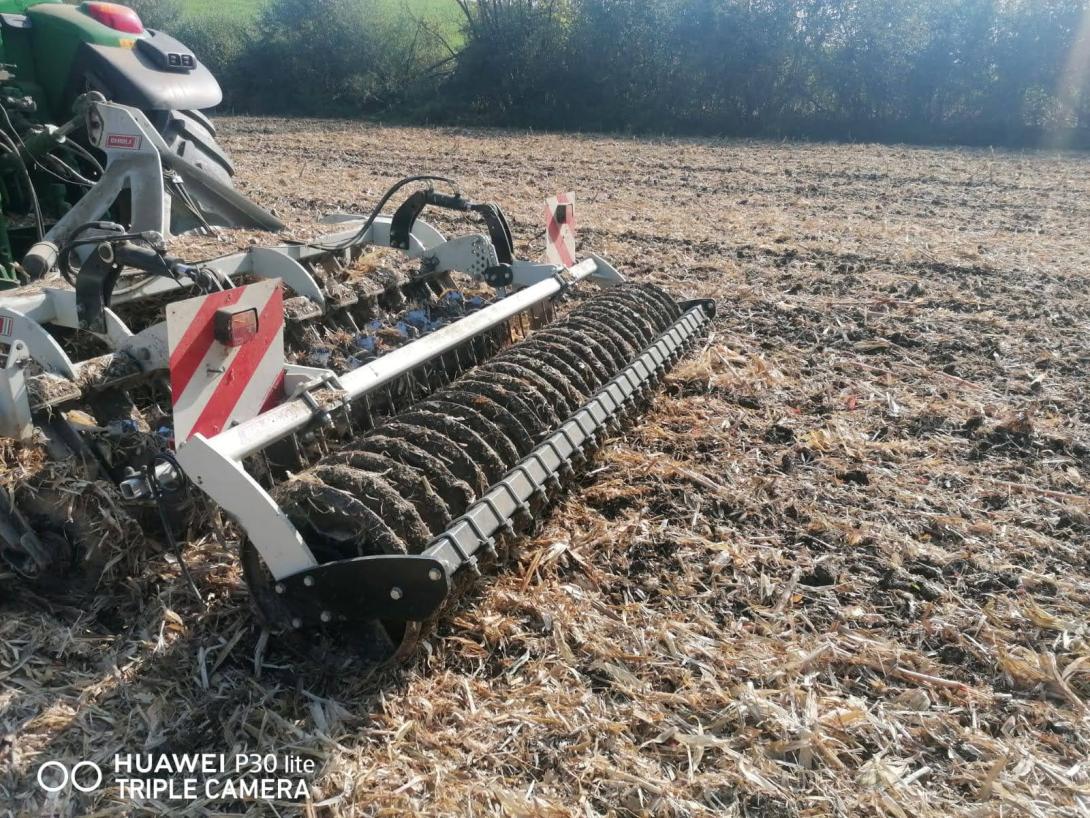
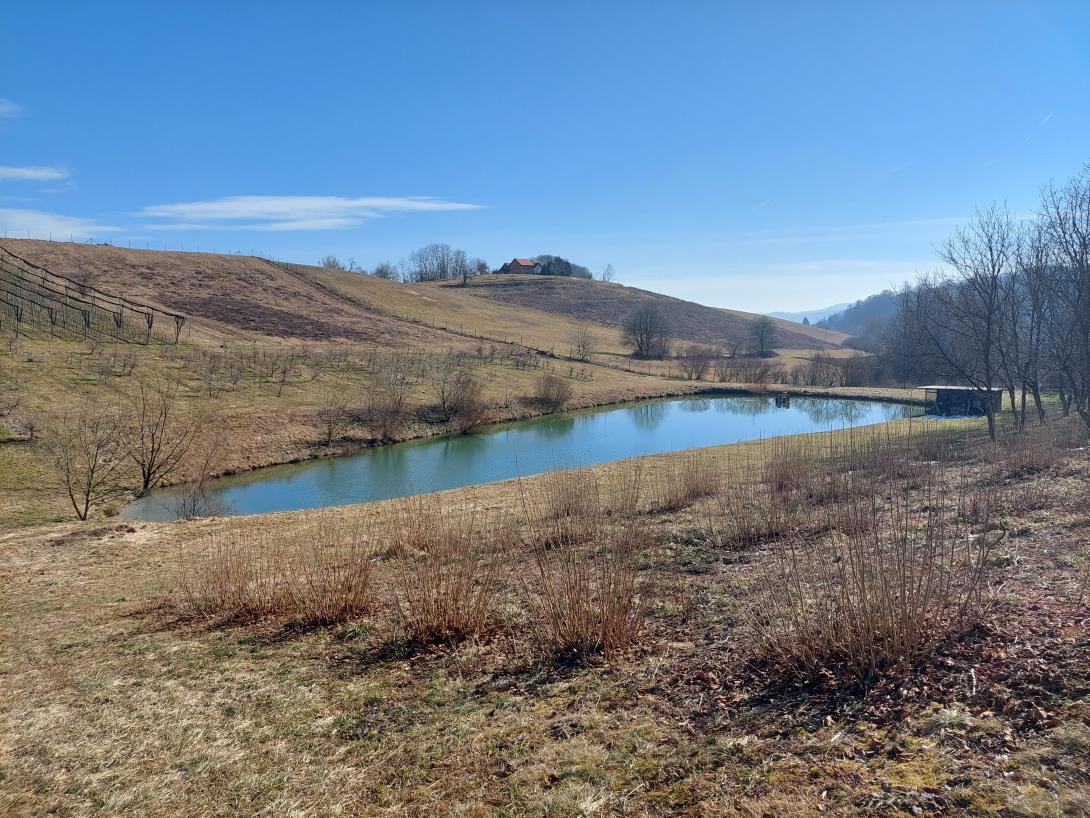
The Pesnica river catchment is characterized by intensive agricultural production, mainly cattle/pig breeding and arable farming. In spring and summer, the catchment is exposed to drought, while in autumn and winter to severe precipitation events. Soils with a high proportion of clay, which are subject to rapid surface runoff, erosion and nutrient leaching, are further contributing to unfavourable conditions. Market requirements regarding quality and reliability of production are leading towards changes in the tillage technology, but also towards searching for reliable water sources and economically efficient, yet sustainable measures for the longest possible retention of water in the soil.
Last update
2025
Photo gallery
Summary
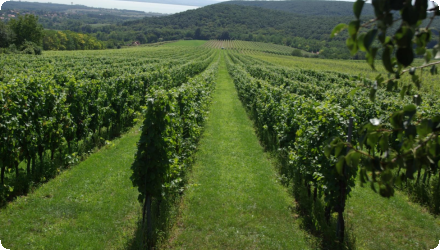
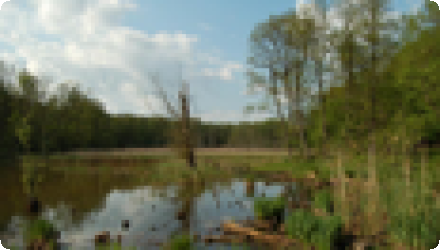
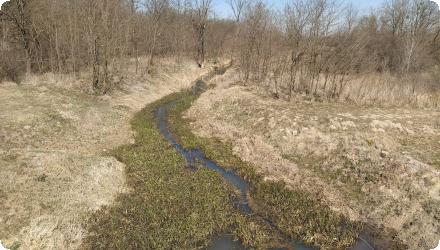
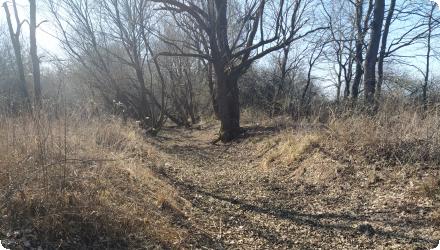
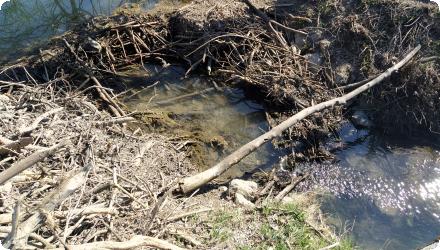
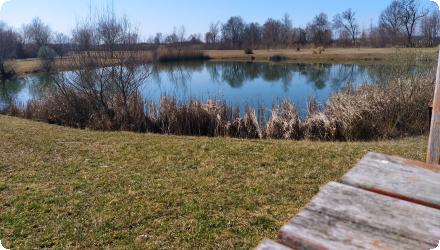
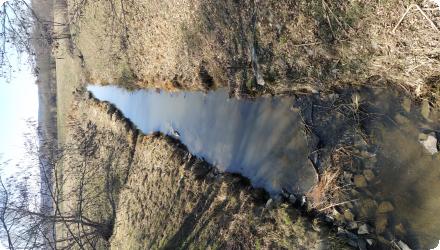
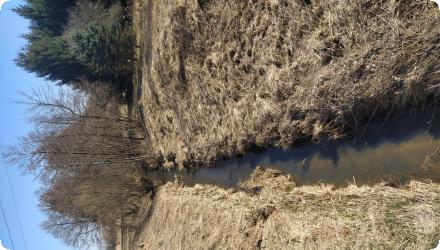
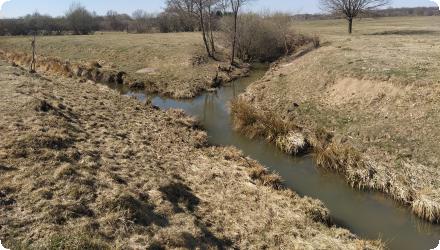
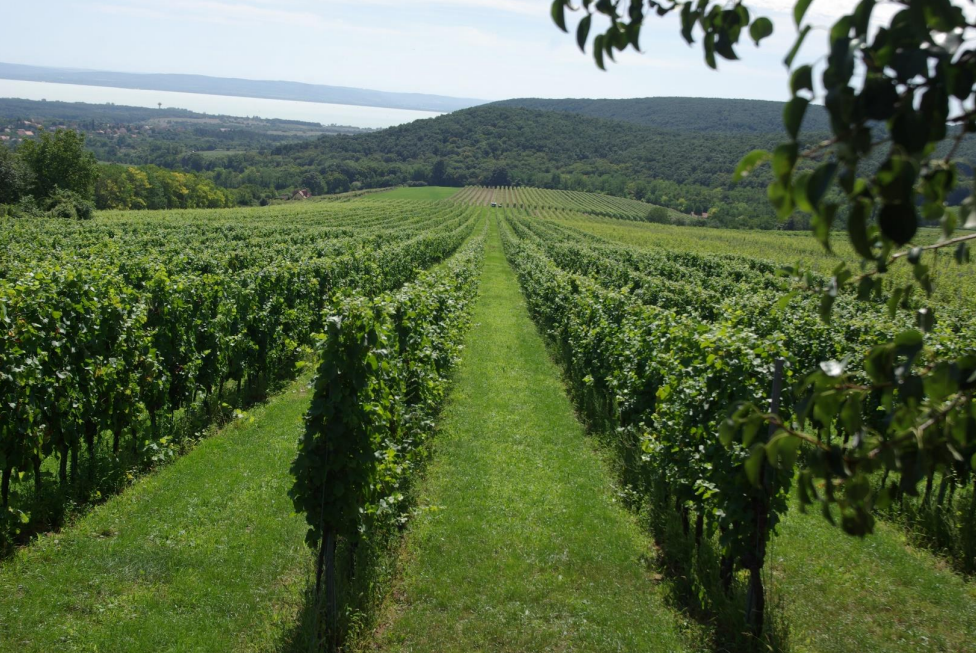
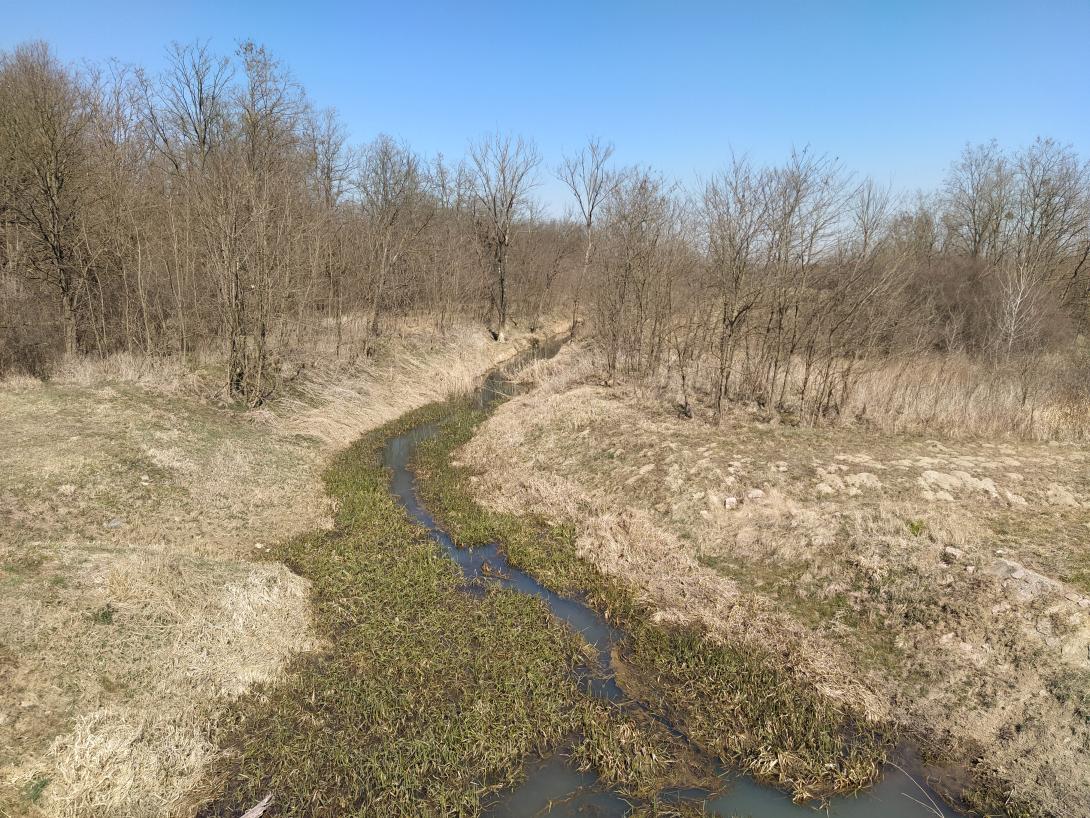
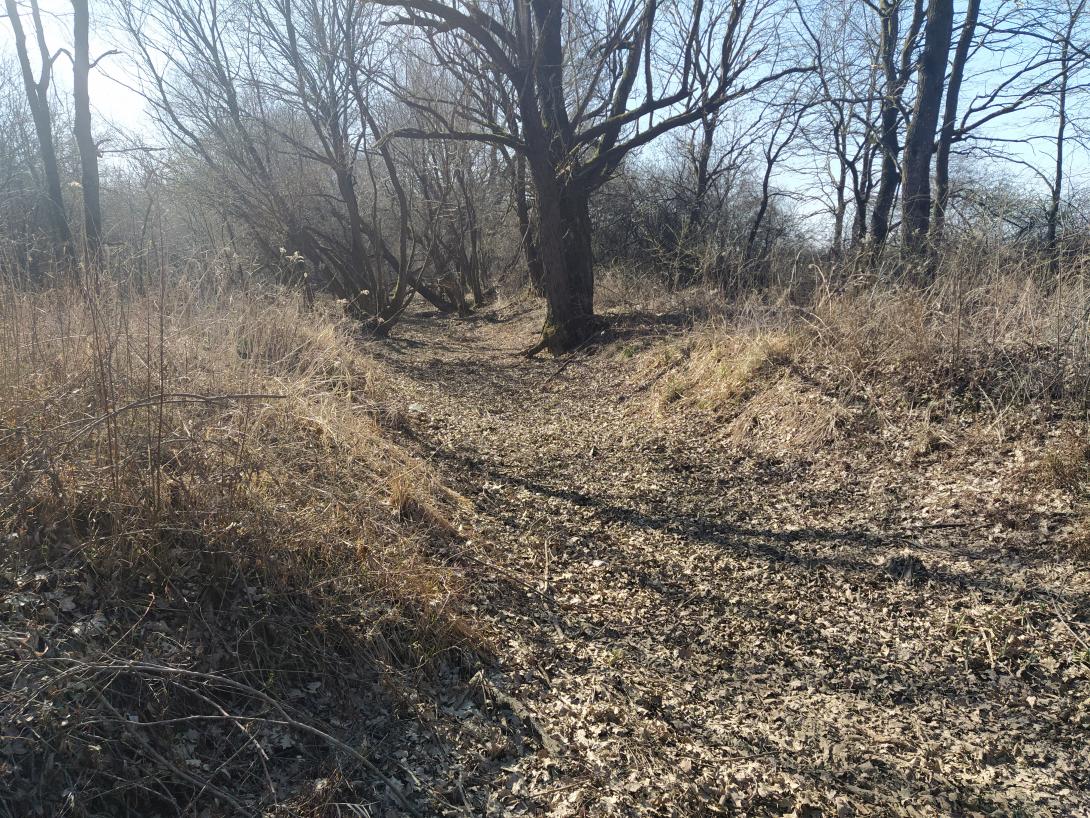
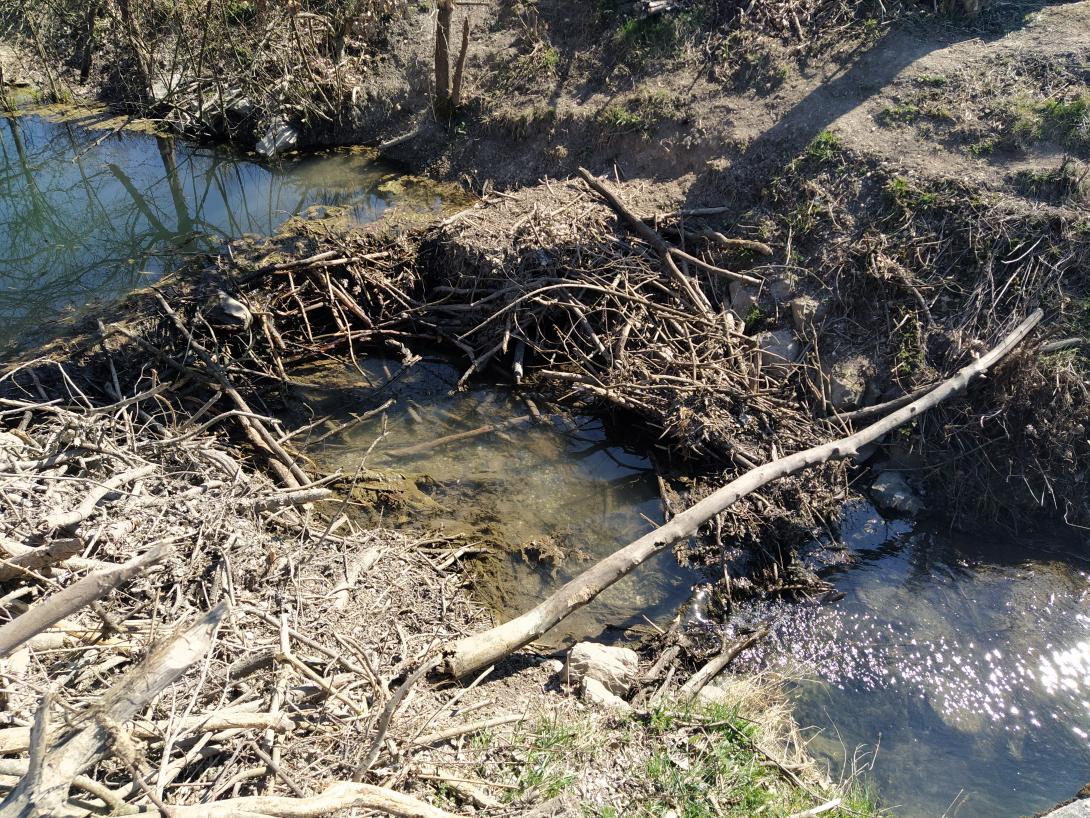
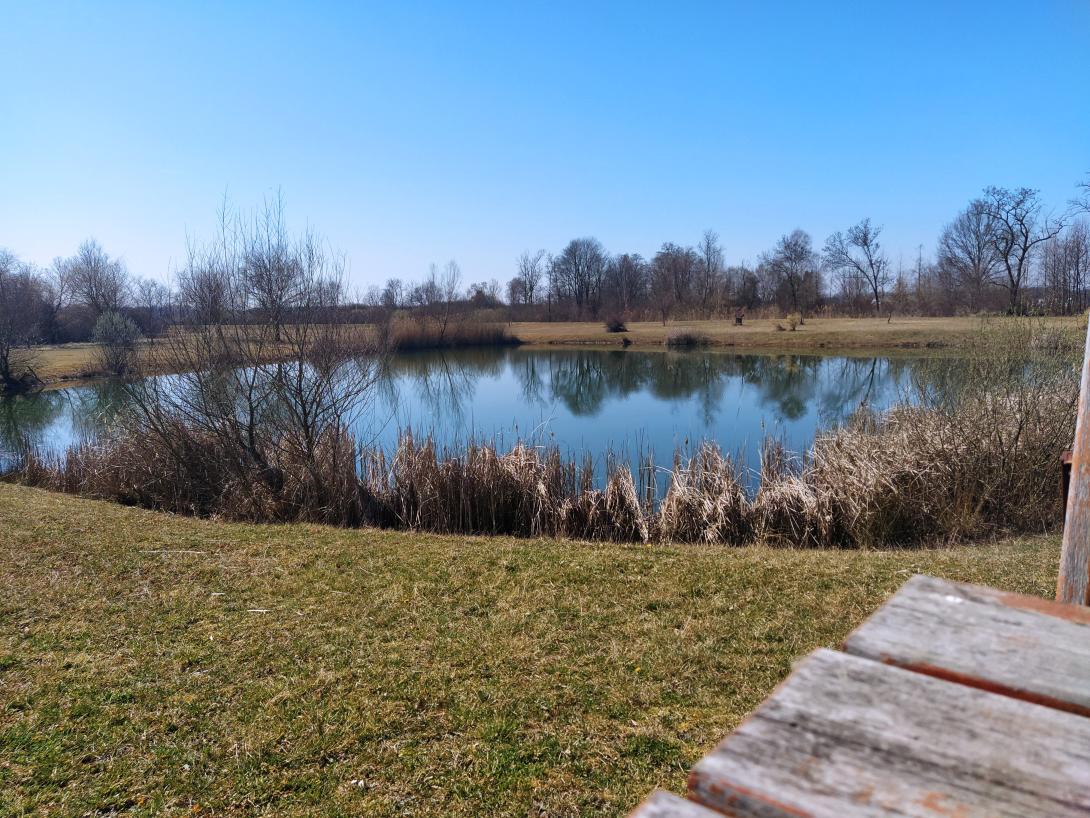
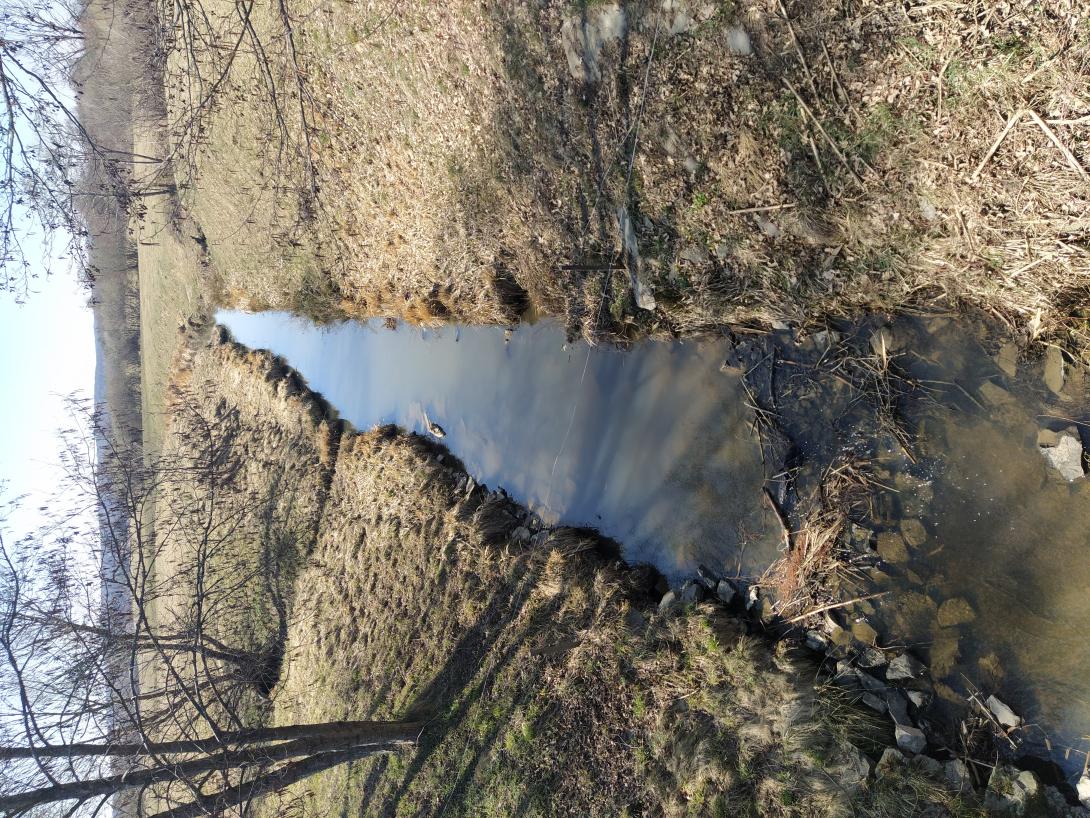
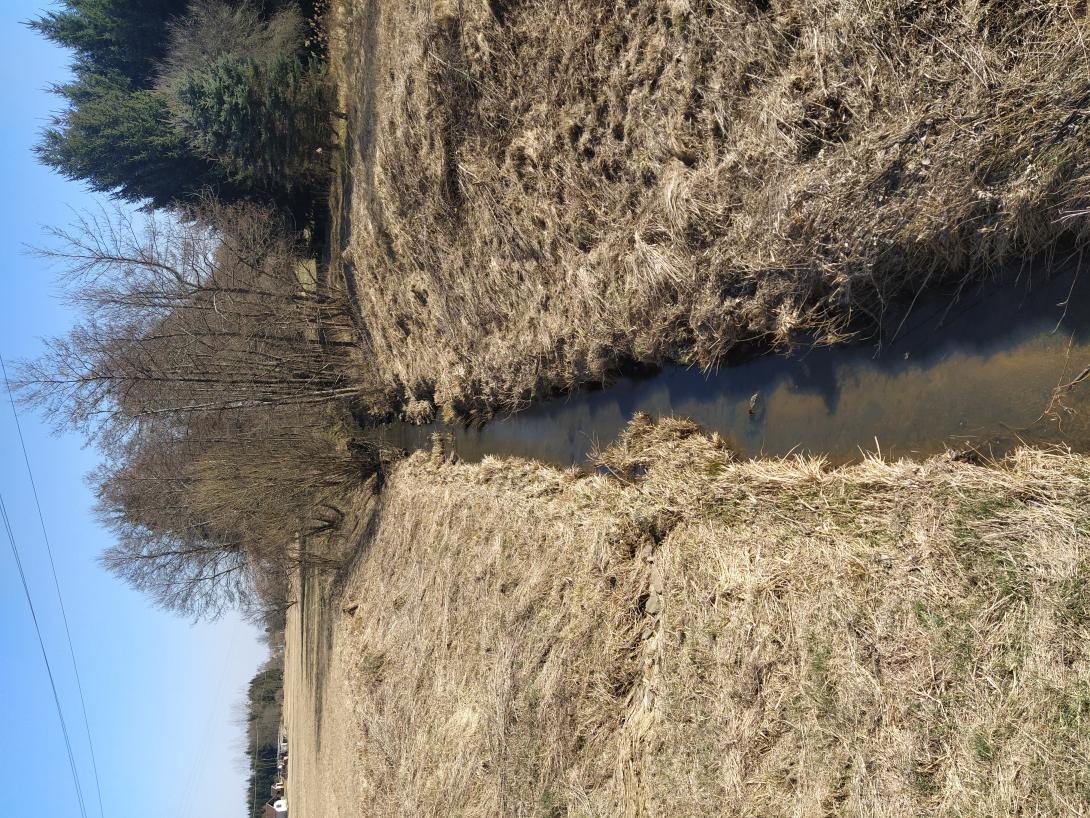
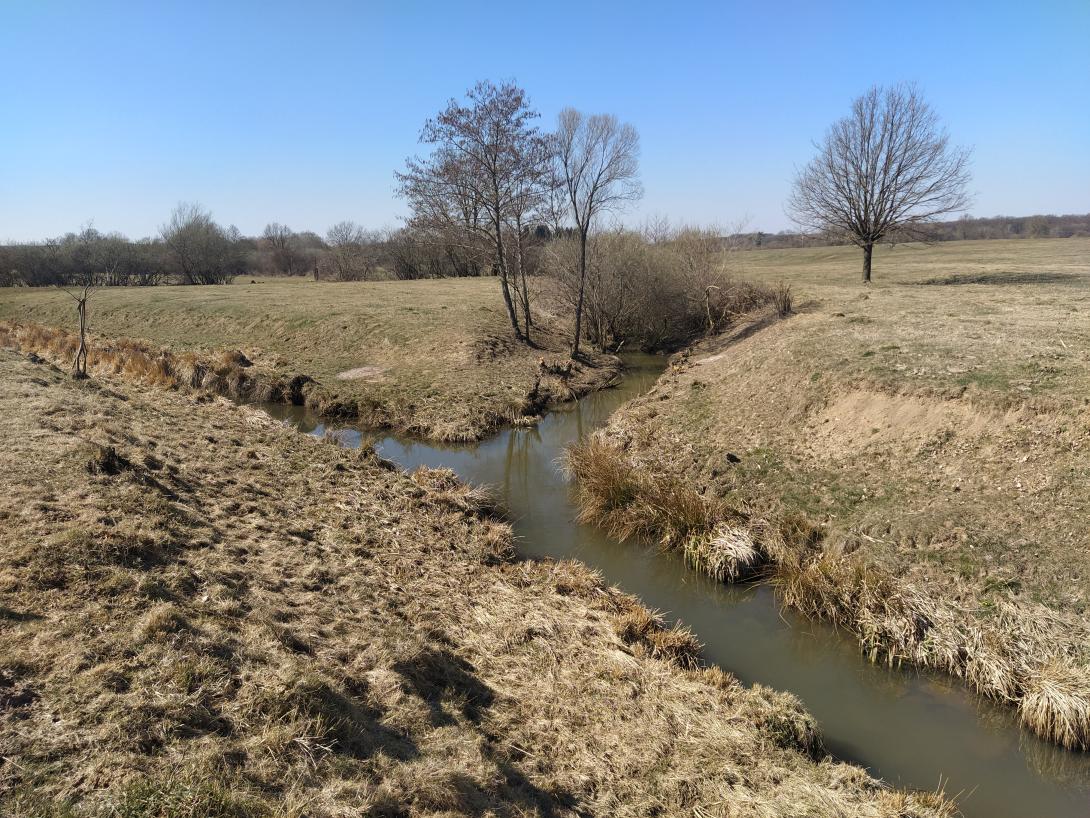
HU: The Hungarian part of Kebele catchment with its 209 km2 size is located in the south-western corner of the country, in the West-transdanubian Water Directorate’s operational area, as part of the Drava sub-basin and Mura sub-unit. About 60% of the area is agricultural land, typically with wheat, barley, corn cultivation and pasture management. The Kebele Valley and Szentgyörgyvölgyi stream valley is NATURA 2000 classified. Main challenges identified in the area: management of nitrate-sensitive areas, prevention and mitigation of soil erosion and flash floods.
The Hungarian-Slovenian cross-border water cooperation dates back to 1994.
SI: The Slovenian part of Kobiljski potok (Hungarian "Kebele") is located in the Pomurska region and forms part of a transboundary agricultural catchment shared with Hungary. The area is characterized by intensive cereal production and pig farming, with sections falling under Natura 2000 and designated water protection zones. Key challenges include seasonal droughts, flood risk during heavy rainfall, limited space for buffer strips, and low groundwater availability for irrigation due to extensive drainage infrastructure.
OPTAIN seeks to identify efficient NSWRM to better adapt to extreme events (floods, droughts) and reduce conflicts between agricultural water uses and other human and environmental demands on water in small catchments across Europe in close cooperation with local actors.
The Hungarian-Slovenian cross-border water cooperation dates back to 1994.
SI: The Slovenian part of Kobiljski potok (Hungarian "Kebele") is located in the Pomurska region and forms part of a transboundary agricultural catchment shared with Hungary. The area is characterized by intensive cereal production and pig farming, with sections falling under Natura 2000 and designated water protection zones. Key challenges include seasonal droughts, flood risk during heavy rainfall, limited space for buffer strips, and low groundwater availability for irrigation due to extensive drainage infrastructure.
OPTAIN seeks to identify efficient NSWRM to better adapt to extreme events (floods, droughts) and reduce conflicts between agricultural water uses and other human and environmental demands on water in small catchments across Europe in close cooperation with local actors.
Last update
2025