
Photo gallery

Summary
Sponge Scapes case study UK 07
Regenerative agriculture aims to improve the sponge function of the soil.
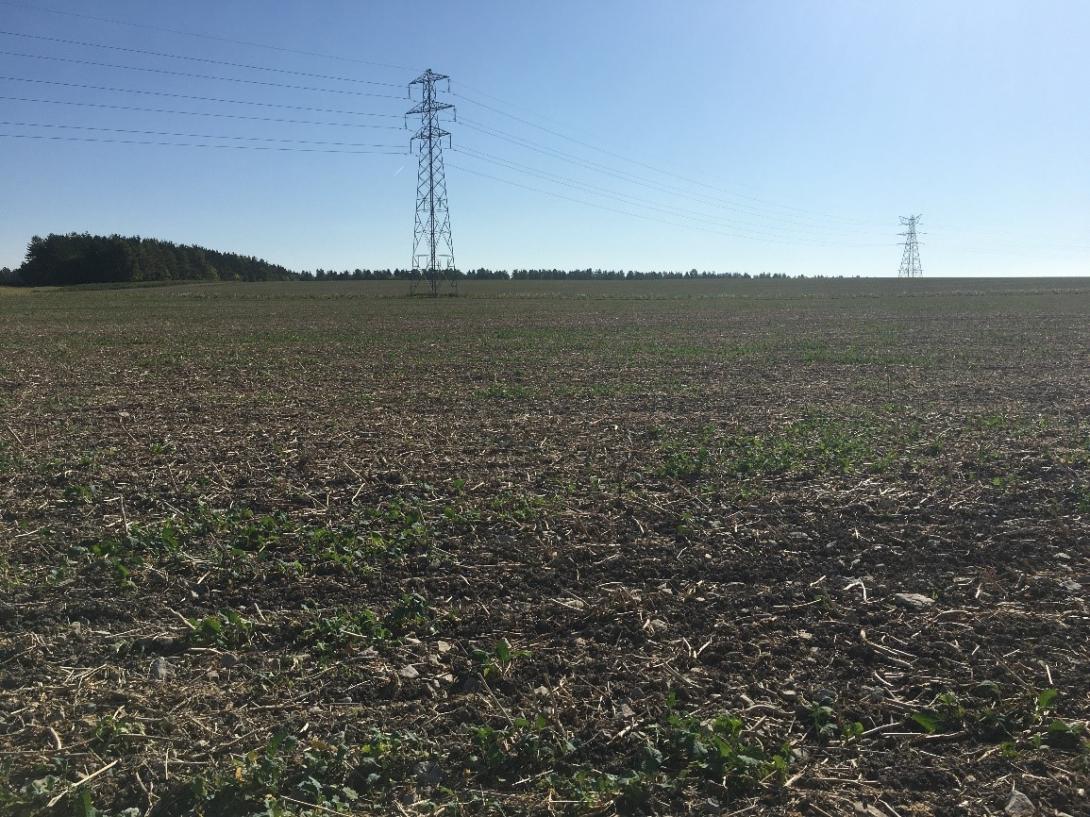
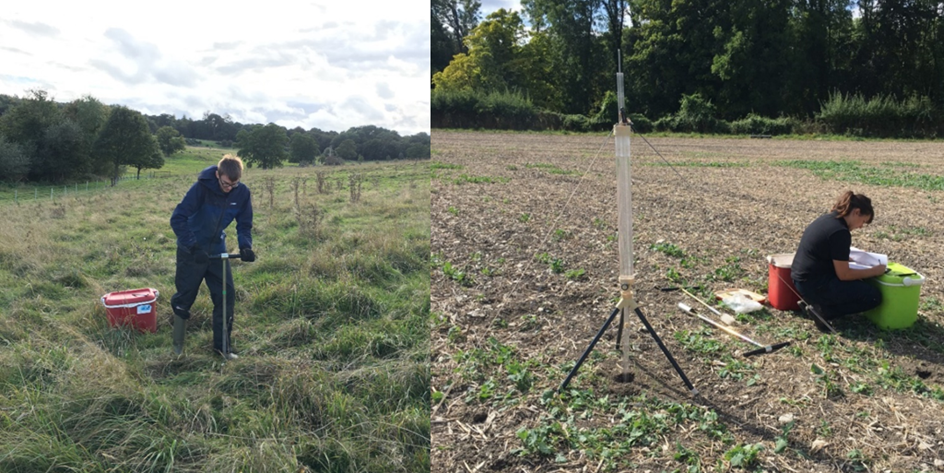
One location compares permanent grazing (perennial ryegrass) by cattle or sheep, including mob grazing, against mature broadleaf woodland (mix of native species including ash, sycamore and hawthorn) with low density grazing by deer. A second location compares different arable practices on silty clay soils over Chalk geology. In this case, one site uses a diverse crop rotation, with controlled traffic, min till and cover crops; the other site uses a grass ley in the crop rotation, along with min till during the cropped period.
Regenerative agriculture aims to improve the sponge function of the soil.
One location compares permanent grazing (perennial ryegrass) by cattle or sheep, including mob grazing, against mature broadleaf woodland (mix of native species including ash, sycamore and hawthorn) with low density grazing by deer. A second location compares different arable practices on silty clay soils over Chalk geology. In this case, one site uses a diverse crop rotation, with controlled traffic, min till and cover crops; the other site uses a grass ley in the crop rotation, along with min till during the cropped period.
Last update
2026
Photo gallery

Summary
Sponge Scapes case study UK 06
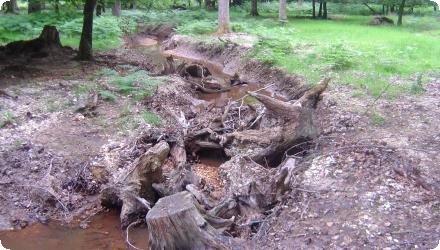
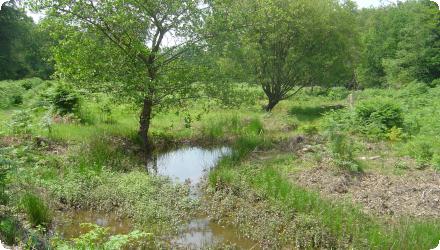
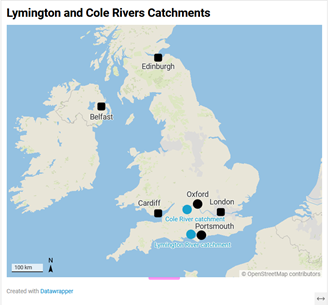
These two catchments benefited from floodplain restoration (river remeandering, logjams, etc) in the early 2000’s.
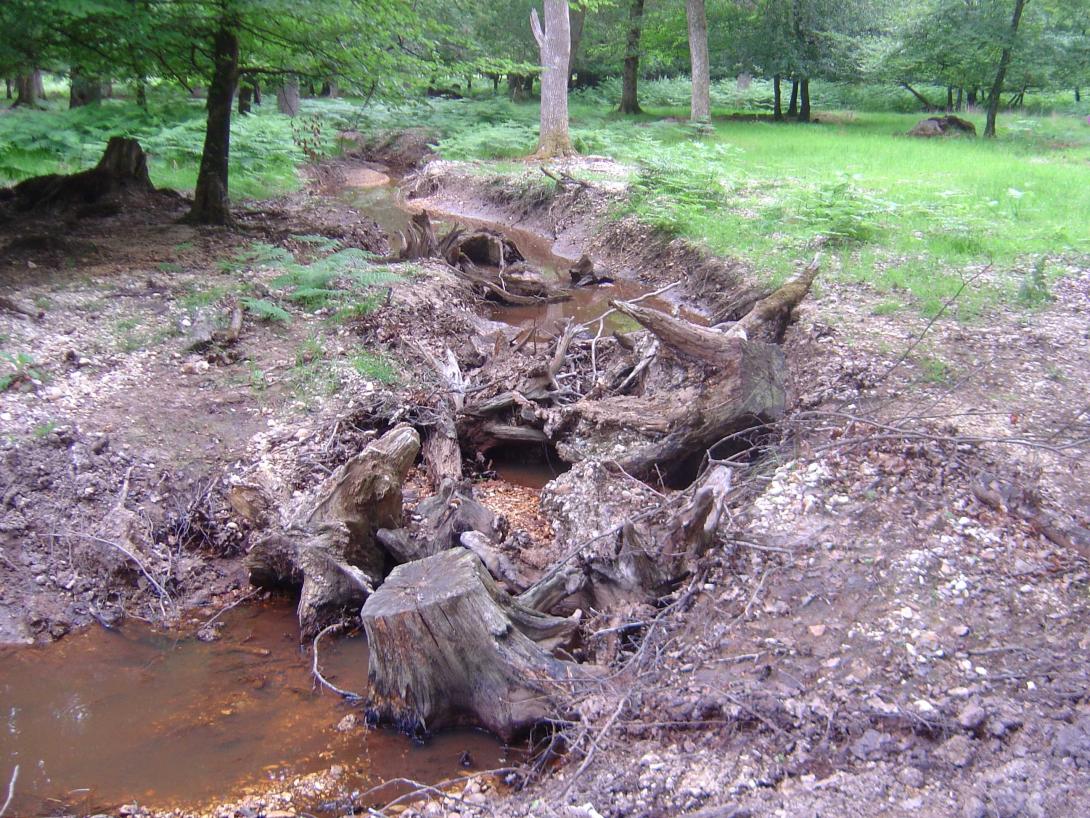
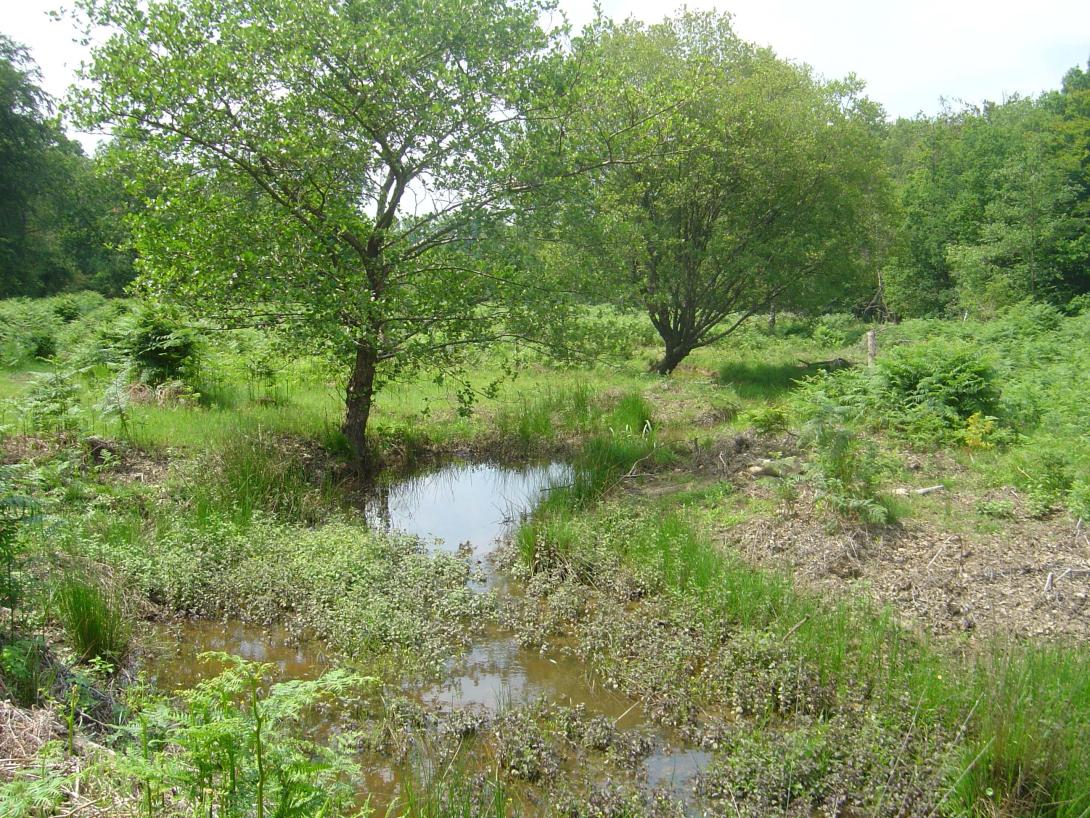
Blackwater and Highland Water, sub-catchments of the Lymington river in the New Forest National Park (in the UK South-East River Basin District), underwent restoration in the early 2000s. Straightening of historic woodland streams in the 19th century disrupted natural seasonal flooding, dried the forest, limited animal access, and accelerated erosion. Restoration efforts reconnected the river with its floodplain, restored its natural forms, and revitalized the surrounding floodplain forest habitats.
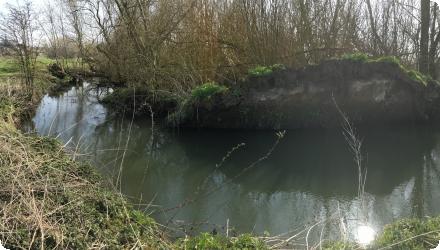
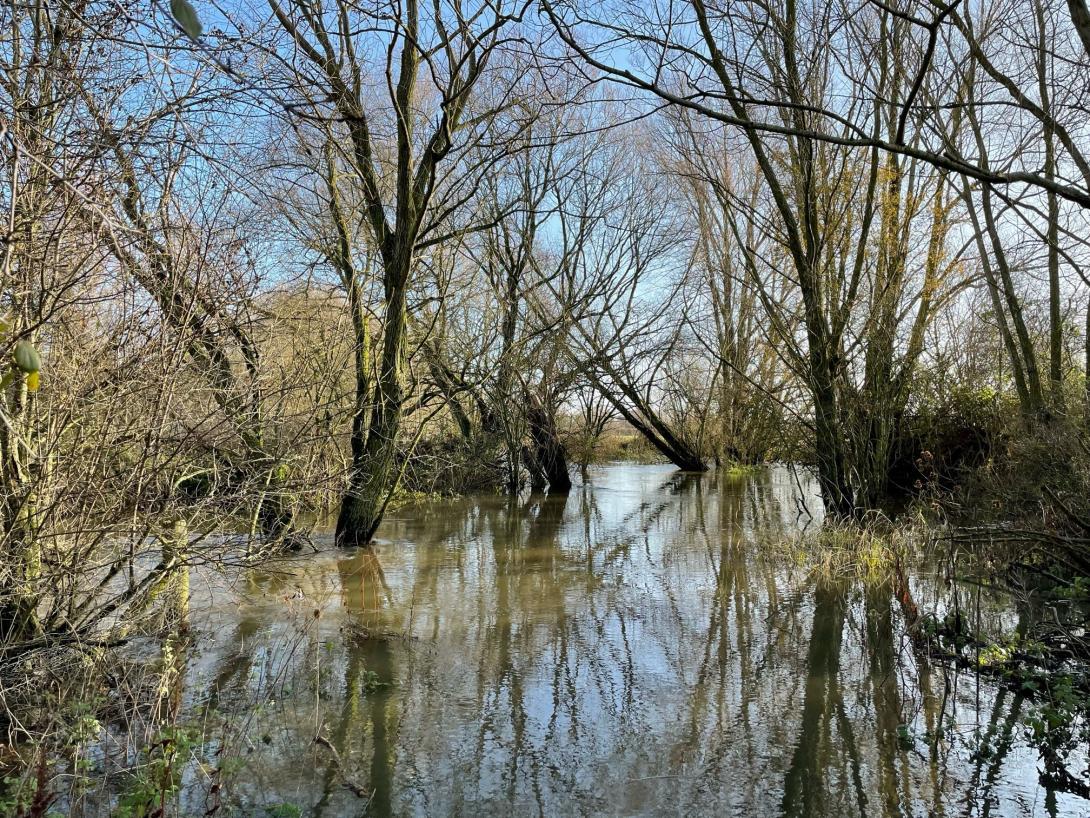
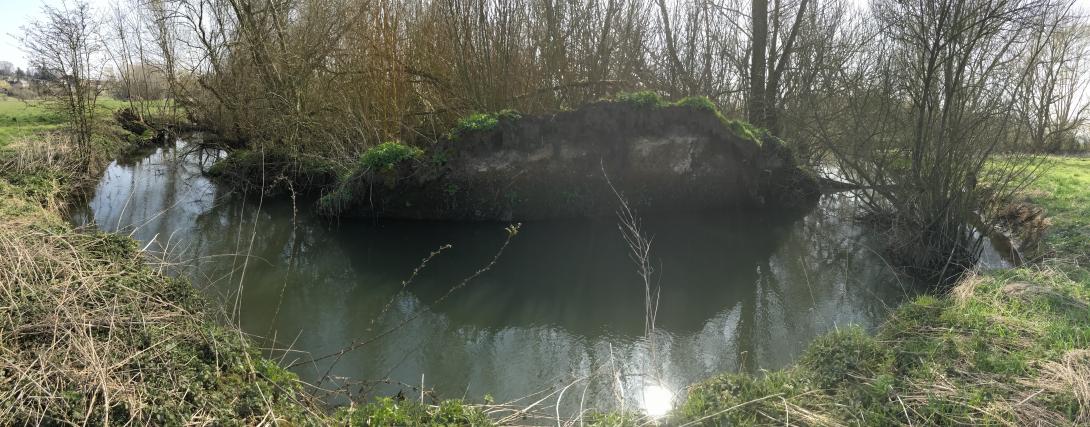
The River Cole is located in the Thames River Basin District, west of Oxford. Predominantly rural, the river catchment faces flooding and water quality issues, worsened by urban run-off from the urban area of Swindon at is headwaters. Rehabilitation projects in the early 2010s addressed these challenges, enhancing wildlife corridors and benefiting key species.
These two catchments benefited from floodplain restoration (river remeandering, logjams, etc) in the early 2000’s.
Blackwater and Highland Water, sub-catchments of the Lymington river in the New Forest National Park (in the UK South-East River Basin District), underwent restoration in the early 2000s. Straightening of historic woodland streams in the 19th century disrupted natural seasonal flooding, dried the forest, limited animal access, and accelerated erosion. Restoration efforts reconnected the river with its floodplain, restored its natural forms, and revitalized the surrounding floodplain forest habitats.
The River Cole is located in the Thames River Basin District, west of Oxford. Predominantly rural, the river catchment faces flooding and water quality issues, worsened by urban run-off from the urban area of Swindon at is headwaters. Rehabilitation projects in the early 2010s addressed these challenges, enhancing wildlife corridors and benefiting key species.
Last update
2026
Photo gallery
Summary
Sponge Scapes case study UK05
Is the Riseholme site effective as a form of flood risk management using sponge measure?
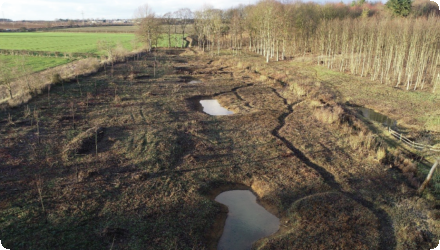
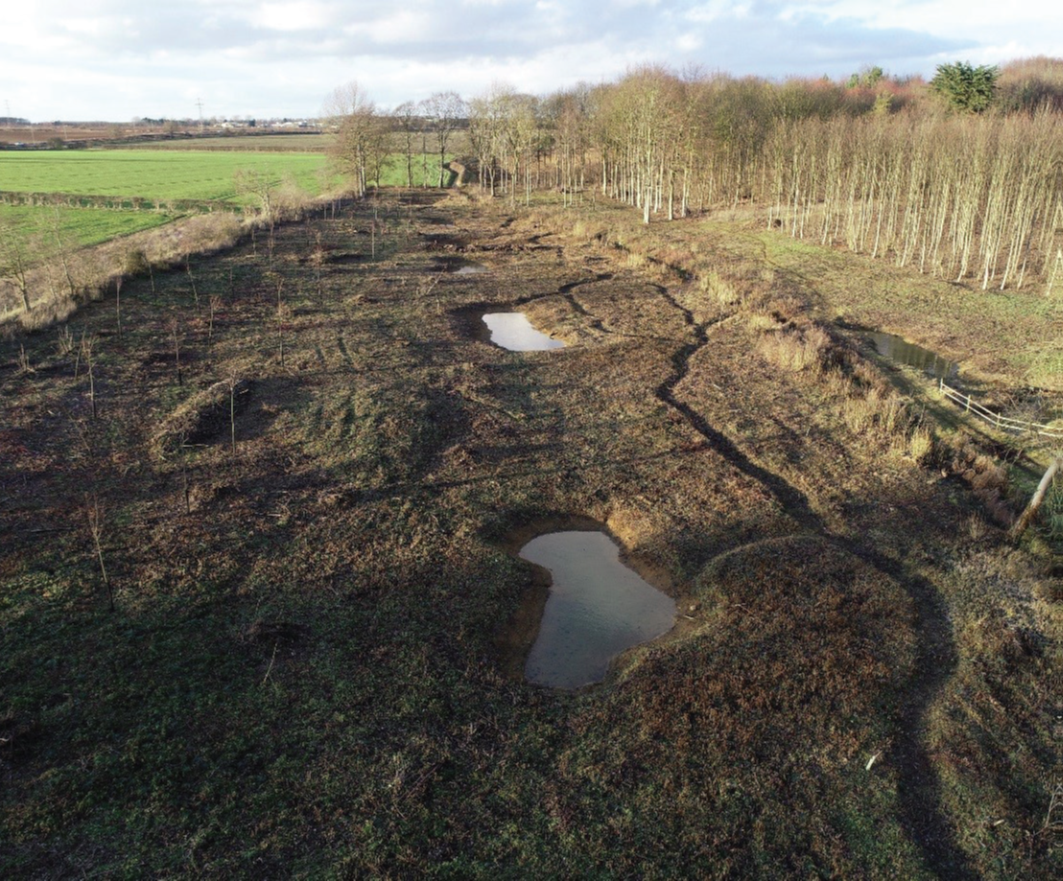
Riseholme is a part of the catchment of the River Witham. The case study concerns the presence of 7 ponds, several different side channels, leaky barriers, in-channel and floodplain vegetation and their role in reducing flood peak and in allowing infiltration.
Is the Riseholme site effective as a form of flood risk management using sponge measure?
Riseholme is a part of the catchment of the River Witham. The case study concerns the presence of 7 ponds, several different side channels, leaky barriers, in-channel and floodplain vegetation and their role in reducing flood peak and in allowing infiltration.
Last update
2026