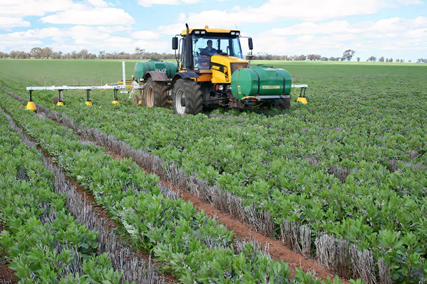
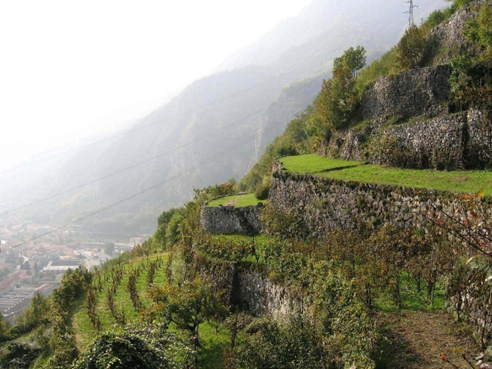
Code
SU06
Sector
Urban
Year of Issue
2025
Other sector(s)
Agriculture
Summary
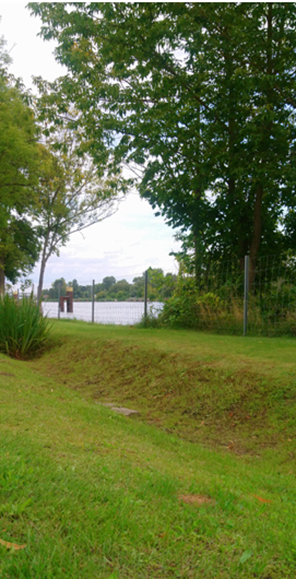
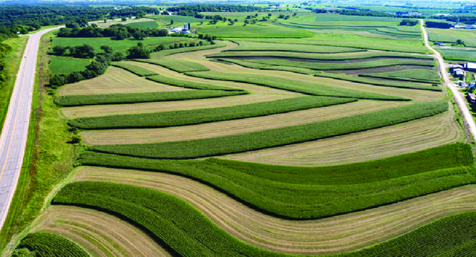
Filter strips are uniformly graded, gently sloping, vegetated strips of land that provide opportunities for slow conveyance and (commonly) infiltration. They are designed to accept runoff as overland sheet flow from upstream development and often lie between a hard-surfaced area and a receiving stream, surface water collection, treatment or disposal system.
Filter strips are generally planted with grass or other dense vegetation...
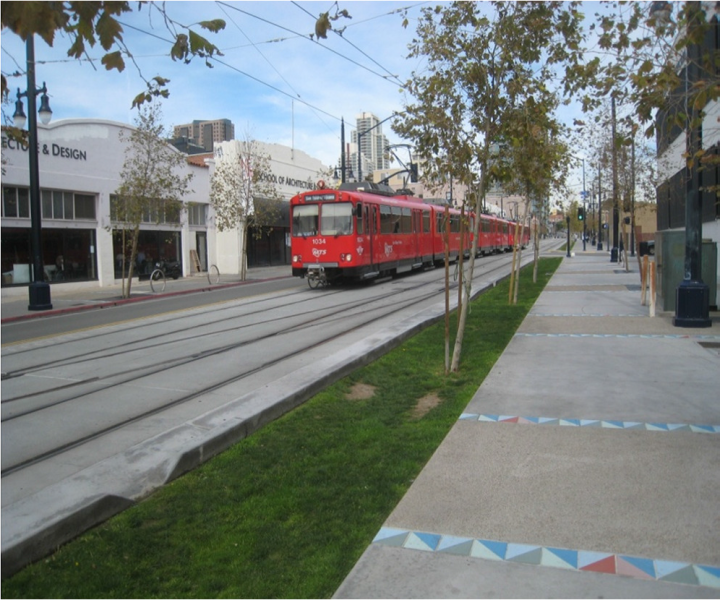 | 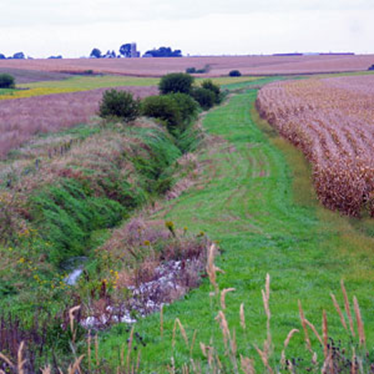 |
Small filter strip in urban area Source: Andras Kis’ presentation, NWRM Workshop 1 | Filter strip in agriculture area Source: 4R Plus |
Possible benefits with level
| Benefits | Level |
|---|---|
|
ES3 - Natural biomass production
|
Low
|
|
ES4 - Biodiversity preservation
|
Medium
|
|
ES5 - Climate change adaptation and mitigation
|
Low
|
|
ES6 - Groundwater/aquifer recharge
|
Low
|
|
ES7 - Flood risk reduction
|
Low
|
|
ES8 - Erosion/sediment control
|
Medium
|
|
ES9 - Filtration of pollutants
|
High
|
|
ES11 - Aesthetic/cultural value
|
Medium
|
|
PO2 - Improving status of physico-chemical quality elements
|
Low
|
|
PO4 - Improving chemical status and priority substances
|
Low
|
|
PO7 - Prevent surface water status deterioration
|
Medium
|
|
PO9 - Take adequate and co-ordinated measures to reduce flood risks
|
Low
|
|
PO11 - Better protection for ecosystems and more use of Green Infrastructure
|
Medium
|
|
PO12 - More sustainable agriculture and forestry
|
Low
|
|
PO14 - Prevention of biodiversity loss
|
Medium
|
|
BP2 - Slow runoff
|
Low
|
|
BP6 - Increase infiltration and/or groundwater recharge
|
Low
|
|
BP7 - Increase soil water retention
|
Low
|
|
BP9 - Intercept pollution pathways
|
High
|
|
BP10 - Reduce erosion and/or sediment delivery
|
High
|
|
BP14 - Create terrestrial habitats
|
Medium
|
|
BP16 - Reduce peak temperature
|
Low
|
|
BP17 - Absorb and/or retain CO2
|
Low
|
Case study(ies)