PO7 - Prevent surface water status deterioration

Code
SU09
Sector
Urban
Year of Issue
2025
Summary

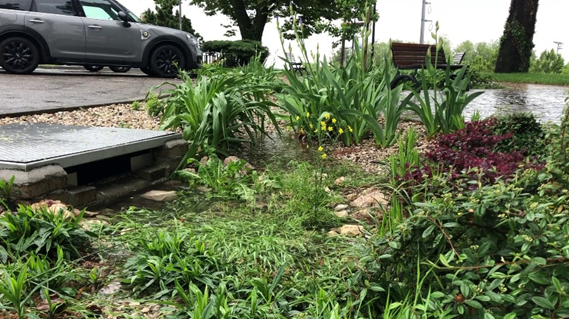
Rain gardens are defined as small-scale vegetated gardens used for storage and infiltration. The term ‘rain garden’ is often used interchangeably with ‘bioretention area’ (although the latter could also be applied more loosely to other measures such as filter strips or swales). 

...
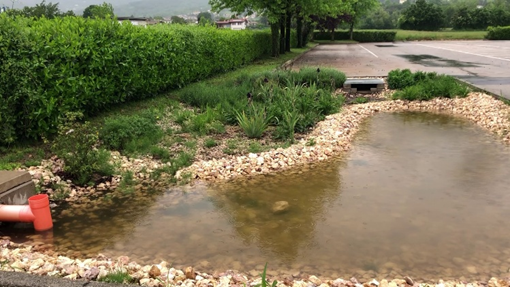
Rain garden (IT)

Source: SpongeScapes project

Possible benefits with level
Benefits Level
ES1 - Water storage
Low
ES3 - Natural biomass production
Low
ES4 - Biodiversity preservation
Medium
ES5 - Climate change adaptation and mitigation
Medium
ES6 - Groundwater/aquifer recharge
Medium
ES7 - Flood risk reduction
High
ES8 - Erosion/sediment control
Low
ES9 - Filtration of pollutants
Medium
ES10 - Recreational opportunities
Medium
ES11 - Aesthetic/cultural value
Medium
PO2 - Improving status of physico-chemical quality elements
Low
PO4 - Improving chemical status and priority substances
Low
PO5 - Improving quantitative status
Medium
PO7 - Prevent surface water status deterioration
Medium
PO8 - Prevent groundwater status deterioration
Low
PO9 - Take adequate and co-ordinated measures to reduce flood risks
High
PO11 - Better protection for ecosystems and more use of Green Infrastructure
High
PO14 - Prevention of biodiversity loss
Medium
BP1 - Store runoff
Medium
BP2 - Slow runoff
Medium
BP5 - Increase evapotranspiration
High
BP6 - Increase infiltration and/or groundwater recharge
High
BP7 - Increase soil water retention
Low
BP8 - Reduce pollutant sources
Low
BP9 - Intercept pollution pathways
Medium
BP10 - Reduce erosion and/or sediment delivery
Medium
BP14 - Create terrestrial habitats
High
BP16 - Reduce peak temperature
Medium
BP17 - Absorb and/or retain CO2
Low
Code
SU03
Sector
Urban
Year of Issue
2025
Summary

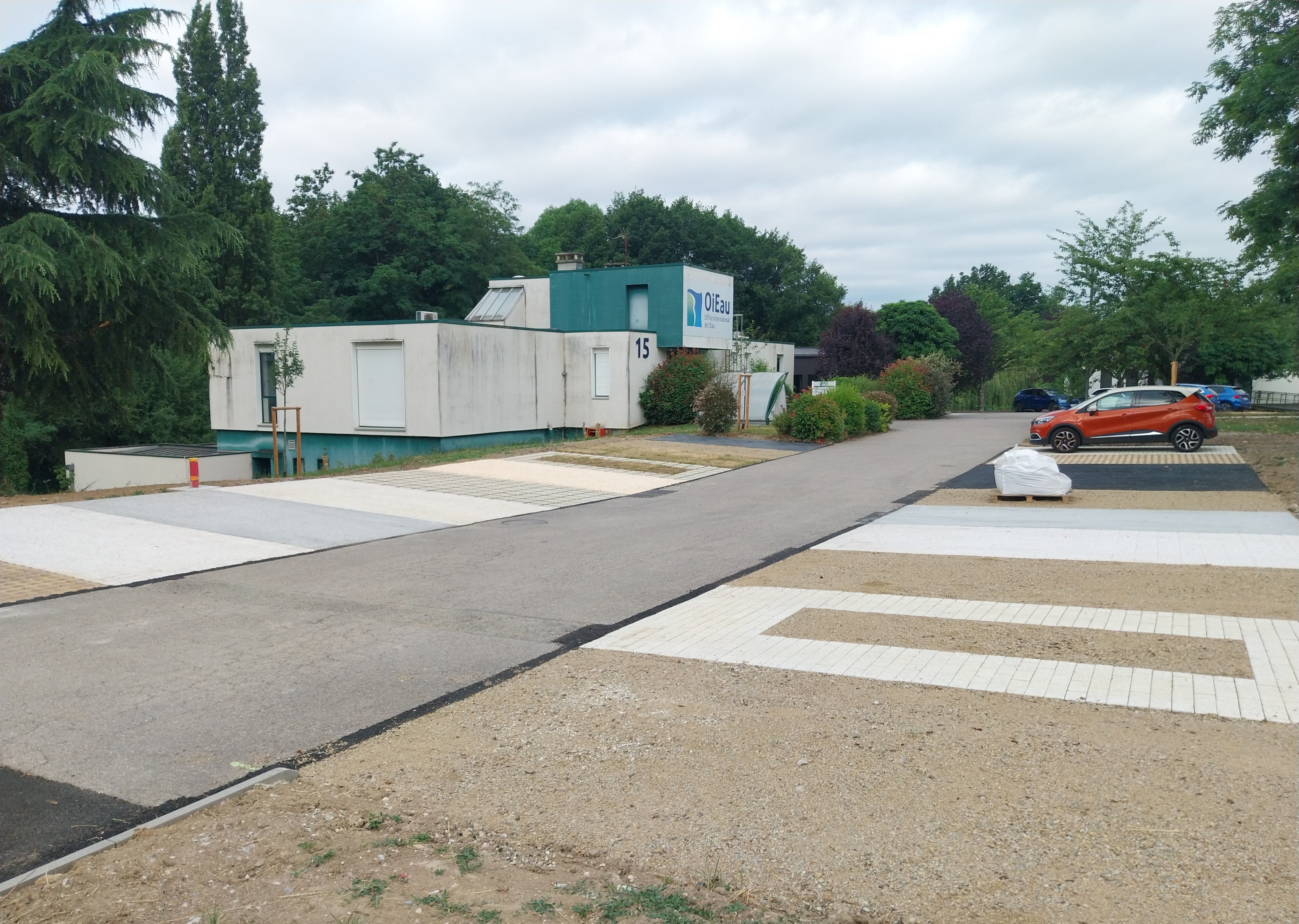
Permeable paving is designed to allow rainwater to infiltrate through the surface, either into underlying layers (soils and aquifers), or be stored below ground and released at a controlled rate to surface water. Permeable paving is used as a general term, but two types can be distinguished:

-       Porous pavements, where water is infiltrated across the entire surface (e.g. reinforced grass or gravel, or...

Permeable garden (IT)

Source: SpongeScapes project

Permeable parking lots  (FR)

Source: OiEau

Possible benefits with level
Benefits Level
ES1 - Water storage
Medium
ES5 - Climate change adaptation and mitigation
Low
ES6 - Groundwater/aquifer recharge
Medium
ES7 - Flood risk reduction
Medium
ES8 - Erosion/sediment control
Low
ES9 - Filtration of pollutants
Low
PO2 - Improving status of physico-chemical quality elements
Low
PO4 - Improving chemical status and priority substances
Low
PO5 - Improving quantitative status
Low
PO7 - Prevent surface water status deterioration
Low
PO9 - Take adequate and co-ordinated measures to reduce flood risks
High
PO11 - Better protection for ecosystems and more use of Green Infrastructure
Low
BP1 - Store runoff
Medium
BP2 - Slow runoff
Medium
BP6 - Increase infiltration and/or groundwater recharge
Medium
BP8 - Reduce pollutant sources
Low
BP9 - Intercept pollution pathways
Low
Code
SN10
Sector
Hydro Morphology
Year of Issue
2025
Other sector(s)
Urban
Summary

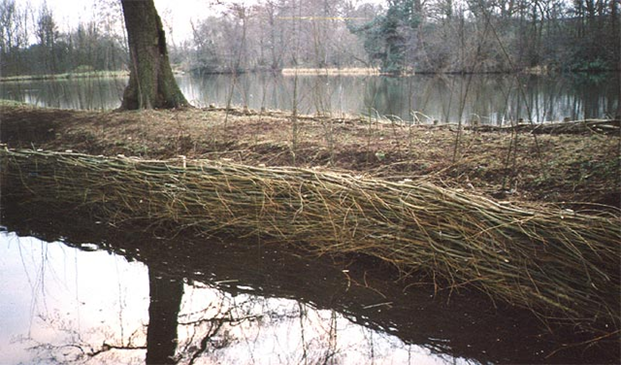
Riverbank represents both natural and man-made features following the river flow. In the past, lots ofmany artificial banks were built with concrete or other types of retaining walls, thus restricting the natural movements of rivers, leading to river degradation, increased water flow, increased erosion and reduced biodiversity. 

...

Stabilisation of natural banks, creation and development of riparian buffers (IT)

Source: OPTAIN project

Bank stabilisation with willow rods woven about willow rods and supporting posts into the bank (UK)

Source: Peak Traditional Fencing 

Possible benefits with level
Benefits Level
BP1 - Store runoff
Low
BP2 - Slow runoff
Low
BP3 - Store river water
Low
BP4 - Slow river water
Medium
BP5 - Increase evapotranspiration
Medium
BP6 - Increase infiltration and/or groundwater recharge
Low
BP7 - Increase soil water retention
Medium
BP8 - Reduce pollutant sources
Low
BP9 - Intercept pollution pathways
Medium
BP10 - Reduce erosion and/or sediment delivery
High
BP11 - Improve soils
High
BP12 - Create aquatic habitat
High
BP13 - Create riparian habitat
High
BP14 - Create terrestrial habitats
Low
BP16 - Reduce peak temperature
Low
BP17 - Absorb and/or retain CO2
Low
ES1 - Water storage
Low
ES2 - Fish stocks and recruiting
High
ES3 - Natural biomass production
High
ES4 - Biodiversity preservation
High
ES5 - Climate change adaptation and mitigation
Low
ES6 - Groundwater/aquifer recharge
Low
ES7 - Flood risk reduction
Medium
ES8 - Erosion/sediment control
High
ES9 - Filtration of pollutants
High
ES10 - Recreational opportunities
High
ES11 - Aesthetic/cultural value
High
PO1 - Improving status of biology quality elements
High
PO2 - Improving status of physico-chemical quality elements
Medium
PO3 - Improving status of hydromorphology quality elements
High
PO4 - Improving chemical status and priority substances
Medium
PO5 - Improving quantitative status
Low
PO6 - Improving chemical status
Low
PO7 - Prevent surface water status deterioration
High
PO8 - Prevent groundwater status deterioration
Low
PO9 - Take adequate and co-ordinated measures to reduce flood risks
Medium
PO10 - Protection of important habitats
High
PO11 - Better protection for ecosystems and more use of Green Infrastructure
High
PO12 - More sustainable agriculture and forestry
High
PO13 - Better management of fish stocks
High
PO14 - Prevention of biodiversity loss
High
Code
SU01
Sector
Urban
Year of Issue
2025
Other sector(s)
Forest
Summary

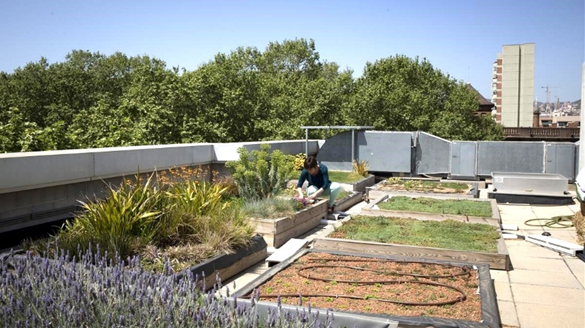
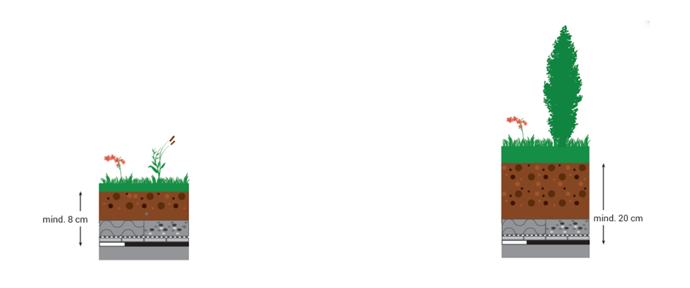
Green roofs are multi-layered systems that cover the roof of a building with vegetation and/or green landscaping over a drainage layer. There are two types of green roof: 

  • Extensive green roofs cover...

Green roof in Barcelona (ES)

Source: Green Roofs 

Extensive vs intensive green roof

Source: European Federation Green Roofs  and Walls

Possible benefits with level
Benefits Level
ES3 - Natural biomass production
Low
ES4 - Biodiversity preservation
Low
ES5 - Climate change adaptation and mitigation
Medium
ES7 - Flood risk reduction
Medium
ES9 - Filtration of pollutants
Low
ES10 - Recreational opportunities
Low
ES11 - Aesthetic/cultural value
Medium
PO2 - Improving status of physico-chemical quality elements
Low
PO4 - Improving chemical status and priority substances
Low
PO7 - Prevent surface water status deterioration
Low
PO9 - Take adequate and co-ordinated measures to reduce flood risks
Medium
PO11 - Better protection for ecosystems and more use of Green Infrastructure
Medium
PO14 - Prevention of biodiversity loss
Low
BP1 - Store runoff
Medium
BP2 - Slow runoff
Medium
BP5 - Increase evapotranspiration
High
BP8 - Reduce pollutant sources
Low
BP9 - Intercept pollution pathways
Low
BP14 - Create terrestrial habitats
Low
BP16 - Reduce peak temperature
Low
BP17 - Absorb and/or retain CO2
Low
Code
SU08
Sector
Urban
Year of Issue
2025
Other sector(s)
Agriculture
Summary

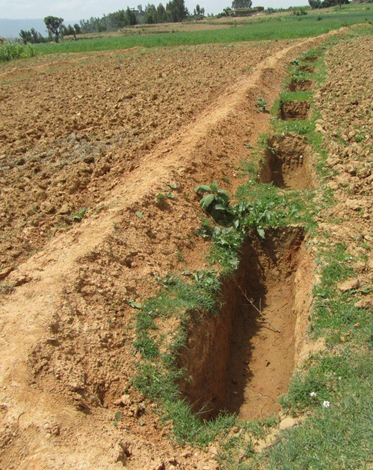
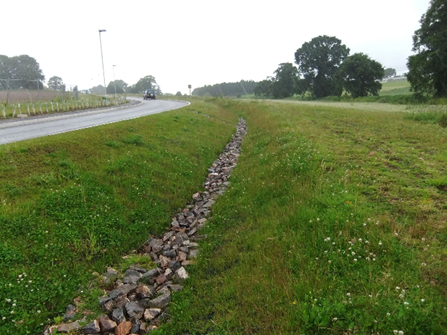
Infiltration trenches are defined as shallow excavations filled with rubble or stone. Their function is to facilitate the natural process of infiltration into the surrounding soils from the bottom and sides of the trench, thereby enhancing the soil's inherent capacity for drainage. Ideally, they should receive lateral inflow...

Infiltration trenches in agricultural area to reduce land loss

Source: WOCAT

Infiltration trenches with stones in urban area

Source: LIFE Urban Proof project 

Possible benefits with level
Benefits Level
ES1 - Water storage
Low
ES5 - Climate change adaptation and mitigation
Low
ES6 - Groundwater/aquifer recharge
High
ES7 - Flood risk reduction
High
ES8 - Erosion/sediment control
Low
ES9 - Filtration of pollutants
Medium
ES11 - Aesthetic/cultural value
Low
PO2 - Improving status of physico-chemical quality elements
Low
PO4 - Improving chemical status and priority substances
Low
PO5 - Improving quantitative status
Medium
PO7 - Prevent surface water status deterioration
Low
PO8 - Prevent groundwater status deterioration
Low
PO9 - Take adequate and co-ordinated measures to reduce flood risks
High
PO11 - Better protection for ecosystems and more use of Green Infrastructure
Low
PO12 - More sustainable agriculture and forestry
Low
BP1 - Store runoff
Medium
BP2 - Slow runoff
Low
BP6 - Increase infiltration and/or groundwater recharge
High
BP7 - Increase soil water retention
Low
BP9 - Intercept pollution pathways
Medium
BP10 - Reduce erosion and/or sediment delivery
Medium
Code
SN05
Sector
Hydro Morphology
Year of Issue
2025
Summary

Streambed (or riverbed) represents the bottom of the river, including each bank. In the past, riverbeds have been artificially modified with concrete or big boulders, altering flows and reducing habitat for wildlife and vegetation diversity. The changes were aimed at preventing flood or supporting changes of agricultural practices for example. This has led to more...

Possible benefits with level
Benefits Level
BP3 - Store river water
High
BP4 - Slow river water
High
BP5 - Increase evapotranspiration
Low
BP6 - Increase infiltration and/or groundwater recharge
High
BP7 - Increase soil water retention
Low
BP9 - Intercept pollution pathways
Medium
BP10 - Reduce erosion and/or sediment delivery
High
BP11 - Improve soils
Medium
BP12 - Create aquatic habitat
High
BP13 - Create riparian habitat
High
BP14 - Create terrestrial habitats
Low
BP16 - Reduce peak temperature
Medium
BP17 - Absorb and/or retain CO2
Low
ES1 - Water storage
Low
ES2 - Fish stocks and recruiting
Low
ES3 - Natural biomass production
Medium
ES4 - Biodiversity preservation
High
ES6 - Groundwater/aquifer recharge
Low
ES7 - Flood risk reduction
Medium
ES8 - Erosion/sediment control
High
ES9 - Filtration of pollutants
Medium
ES10 - Recreational opportunities
Medium
ES11 - Aesthetic/cultural value
Medium
PO1 - Improving status of biology quality elements
High
PO2 - Improving status of physico-chemical quality elements
Low
PO3 - Improving status of hydromorphology quality elements
Medium
PO4 - Improving chemical status and priority substances
Medium
PO5 - Improving quantitative status
Low
PO7 - Prevent surface water status deterioration
Medium
PO8 - Prevent groundwater status deterioration
Medium
PO9 - Take adequate and co-ordinated measures to reduce flood risks
Medium
PO10 - Protection of important habitats
High
PO11 - Better protection for ecosystems and more use of Green Infrastructure
High
PO13 - Better management of fish stocks
High
PO14 - Prevention of biodiversity loss
High
Code
SU07
Sector
Urban
Year of Issue
2025
Other sector(s)
Agriculture
Summary

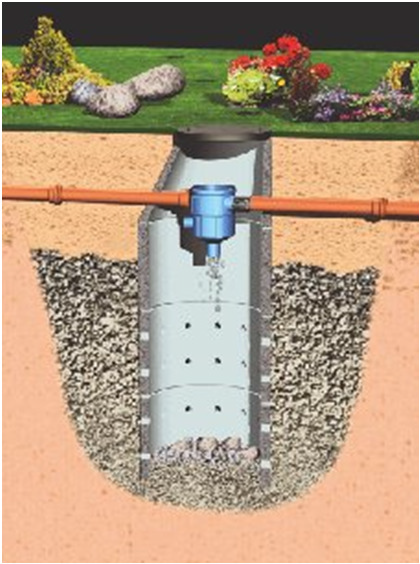
Soakaways are buried chambers that store surface water and allow it to percolate into the ground. They are typically square or circular excavations either filled with rubble or lined with brickwork, pre-cast concrete or polyethylene rings/perforated storage structures surrounded by granular backfill. The supporting structure and backfill...

Principle of a soakaway

Source: Andras Kis’ presentation, NWRM Workshop 1


Possible benefits with level
Benefits Level
ES1 - Water storage
Low
ES5 - Climate change adaptation and mitigation
Low
ES6 - Groundwater/aquifer recharge
High
ES7 - Flood risk reduction
High
ES9 - Filtration of pollutants
Low
PO2 - Improving status of physico-chemical quality elements
Low
PO4 - Improving chemical status and priority substances
Low
PO5 - Improving quantitative status
Medium
PO7 - Prevent surface water status deterioration
Low
PO8 - Prevent groundwater status deterioration
Low
PO9 - Take adequate and co-ordinated measures to reduce flood risks
High
PO11 - Better protection for ecosystems and more use of Green Infrastructure
Low
BP1 - Store runoff
Medium
BP6 - Increase infiltration and/or groundwater recharge
High
BP7 - Increase soil water retention
Low
BP8 - Reduce pollutant sources
Low
BP9 - Intercept pollution pathways
Low
Code
SN13
Sector
Hydro Morphology
Year of Issue
2025
Summary

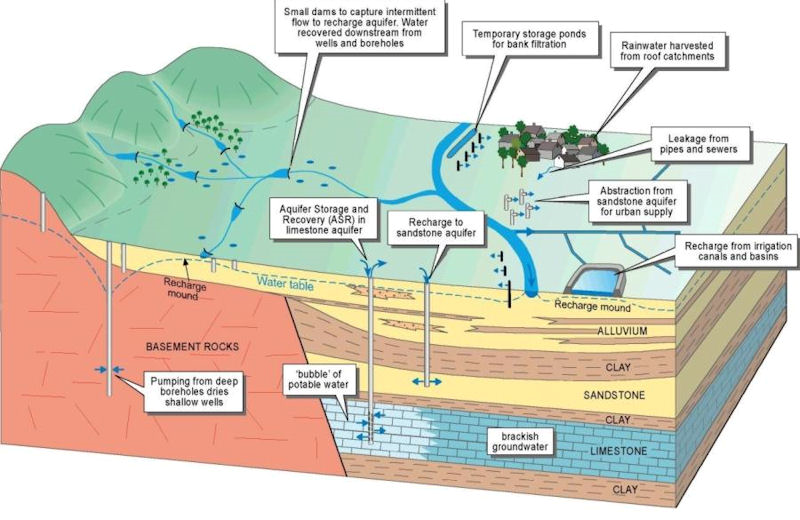
Groundwater is the part of infiltrated water which composes the water resource for population and human activities.  Previous modifications of the landscape have reduced the infiltration capacity of many European soils, thereby limiting the rate at which precipitation is able to infiltrate and recharge groundwater aquifers. Restoration of natural infiltration to groundwater enables a lowering of run-off from surrounding land, and...

Explicative scheme of enhanced infiltration (UK)

Source: HydrateLife

Possible benefits with level
Benefits Level
PO5 - Improving quantitative status
Medium
PO8 - Prevent groundwater status deterioration
Medium
PO9 - Take adequate and co-ordinated measures to reduce flood risks
Low
ES1 - Water storage
Medium
ES5 - Climate change adaptation and mitigation
Low
ES6 - Groundwater/aquifer recharge
Medium
ES7 - Flood risk reduction
Low
ES8 - Erosion/sediment control
Low
ES13 - Geological resources
High
BP1 - Store runoff
Low
BP2 - Slow runoff
Medium
BP6 - Increase infiltration and/or groundwater recharge
High
BP7 - Increase soil water retention
Medium
BP9 - Intercept pollution pathways
Low
BP10 - Reduce erosion and/or sediment delivery
Low
Code
SA04
Sector
Agriculture
Year of Issue
2025
Summary

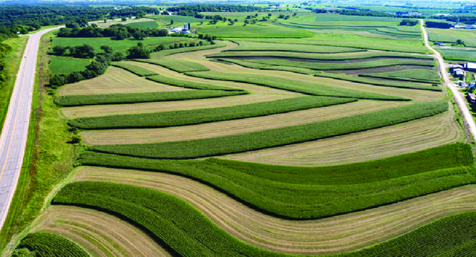
Strip cropping is a farming method used when a slope is too steep or too long, or otherwise, when one does not have an alternative method of preventing soil erosion. It alternates strips of closely sown crops which cover fully the soil when growing such as hay, wheat, or other small grains with strips of row crops, such as corn, soybeans, cotton, or sugar beets. This technique helps to stop soil...

Strip cropping along contour lines

Source: Sanjay Kumar Rathour


Possible benefits with level
Benefits Level
BP2 - Slow runoff
High
BP6 - Increase infiltration and/or groundwater recharge
Medium
BP7 - Increase soil water retention
Low
BP10 - Reduce erosion and/or sediment delivery
High
BP11 - Improve soils
Medium
ES6 - Groundwater/aquifer recharge
Medium
ES7 - Flood risk reduction
Medium
ES8 - Erosion/sediment control
High
ES9 - Filtration of pollutants
Medium
PO3 - Improving status of hydromorphology quality elements
Medium
PO5 - Improving quantitative status
Medium
PO7 - Prevent surface water status deterioration
Medium
PO9 - Take adequate and co-ordinated measures to reduce flood risks
High
PO11 - Better protection for ecosystems and more use of Green Infrastructure
High
PO12 - More sustainable agriculture and forestry
Medium
PO14 - Prevention of biodiversity loss
Medium
Code
SN01
Sector
Hydro Morphology
Year of Issue
2025
Other sector(s)
Agriculture
Urban
Forest
Summary

Basins are areas for storage of surface runoff that are free from water under dry weather flow conditions.  Basins are bodies of water designed to store surface runoff. They play a critical role in stormwater management by reducing flood risk and improving water quality. The performance of basins is highly site-dependent and often requires upstream source control to function effectively. There are three main types of basins: retention,...

Possible benefits with level
Benefits Level
BP1 - Store runoff
High
BP2 - Slow runoff
High
BP6 - Increase infiltration and/or groundwater recharge
High
BP7 - Increase soil water retention
Low
BP9 - Intercept pollution pathways
High
BP10 - Reduce erosion and/or sediment delivery
Low
BP12 - Create aquatic habitat
Low
ES1 - Water storage
High
ES5 - Climate change adaptation and mitigation
Medium
ES3 - Natural biomass production
Low
ES4 - Biodiversity preservation
Medium
ES6 - Groundwater/aquifer recharge
High
ES7 - Flood risk reduction
High
ES8 - Erosion/sediment control
Low
ES9 - Filtration of pollutants
High
ES10 - Recreational opportunities
Medium
ES11 - Aesthetic/cultural value
Medium
PO1 - Improving status of biology quality elements
Low
PO2 - Improving status of physico-chemical quality elements
Low
PO3 - Improving status of hydromorphology quality elements
Low
PO4 - Improving chemical status and priority substances
Low
PO5 - Improving quantitative status
Low
PO6 - Improving chemical status
Low
PO7 - Prevent surface water status deterioration
Medium
PO8 - Prevent groundwater status deterioration
Low
PO9 - Take adequate and co-ordinated measures to reduce flood risks
High
PO11 - Better protection for ecosystems and more use of Green Infrastructure
High
PO10 - Protection of important habitats
Medium
BP17 - Absorb and/or retain CO2
Low
PO14 - Prevention of biodiversity loss
Medium
BP16 - Reduce peak temperature
Low
BP14 - Create terrestrial habitats
Medium
BP3 - Store river water
Low
BP4 - Slow river water
Low
BP5 - Increase evapotranspiration
Low