Last update
2025
Summary
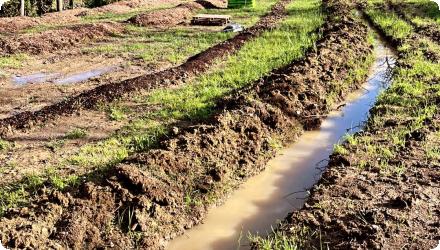
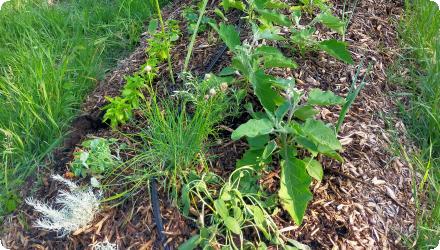
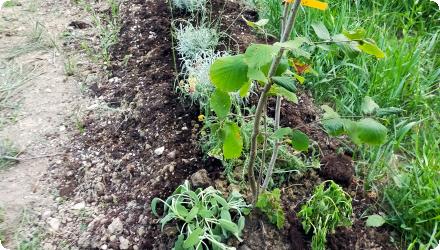
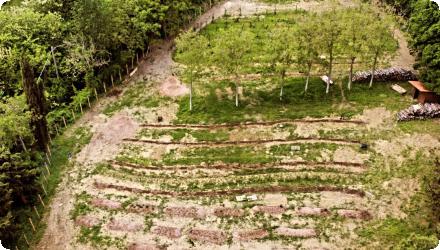
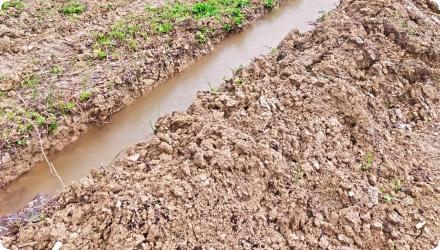
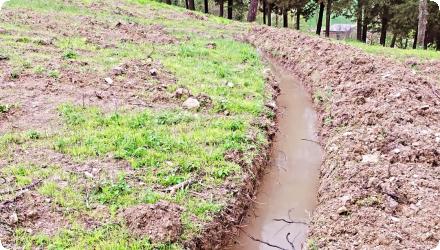
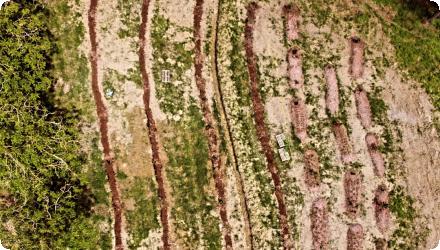
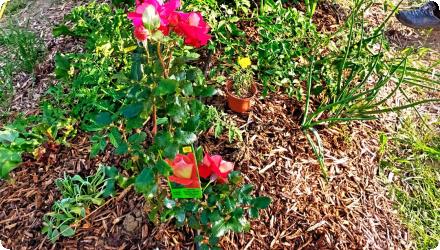
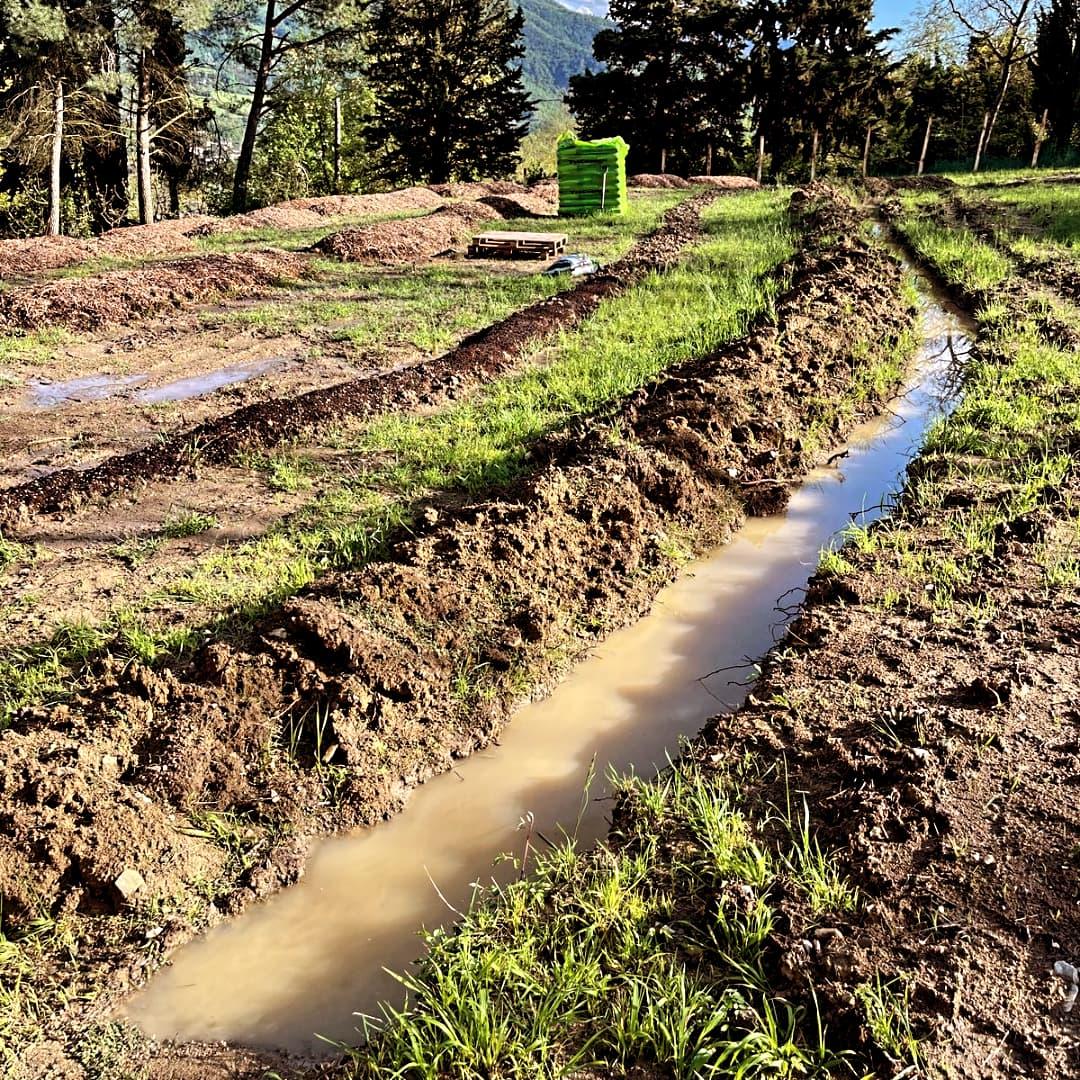
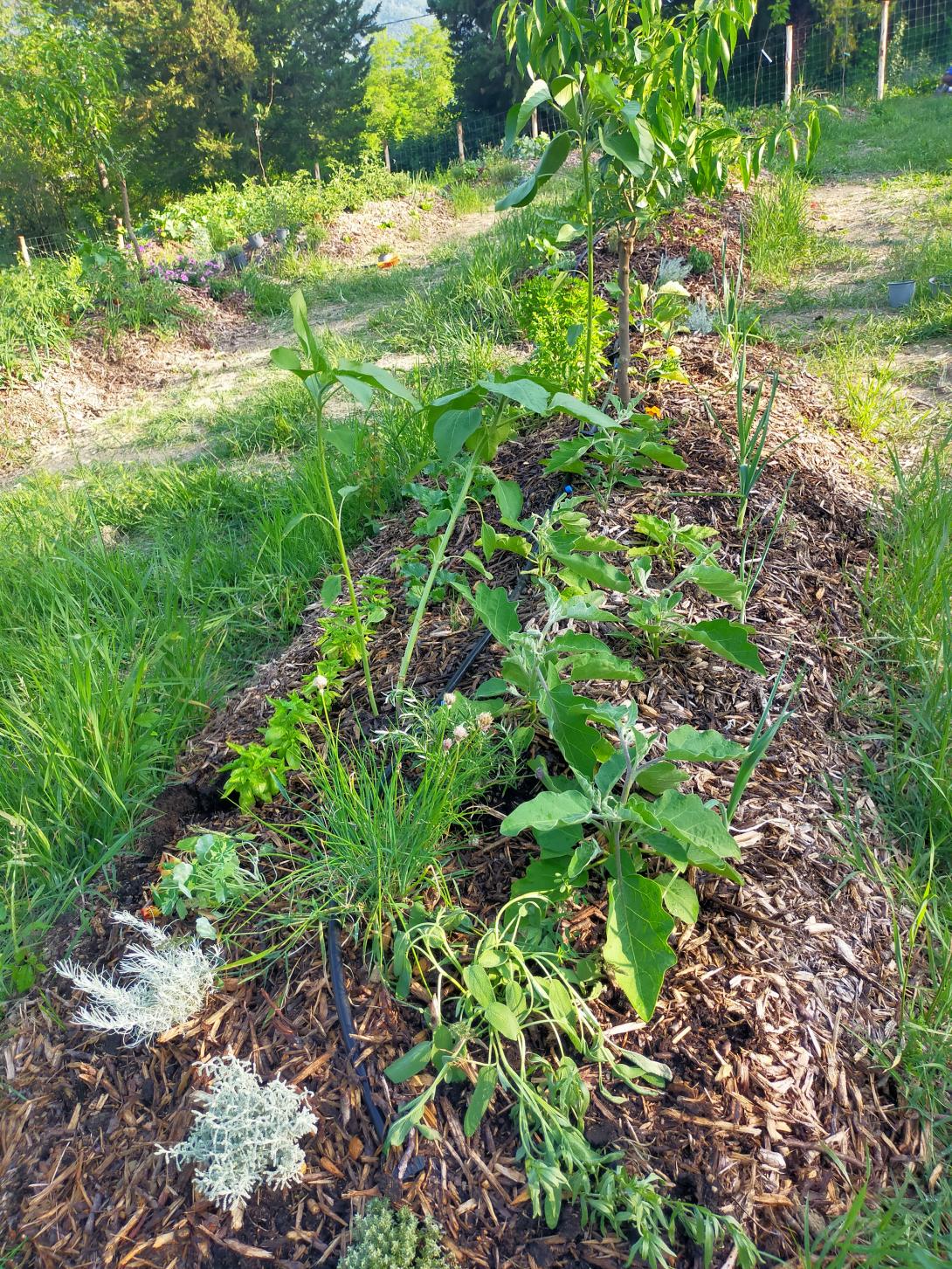
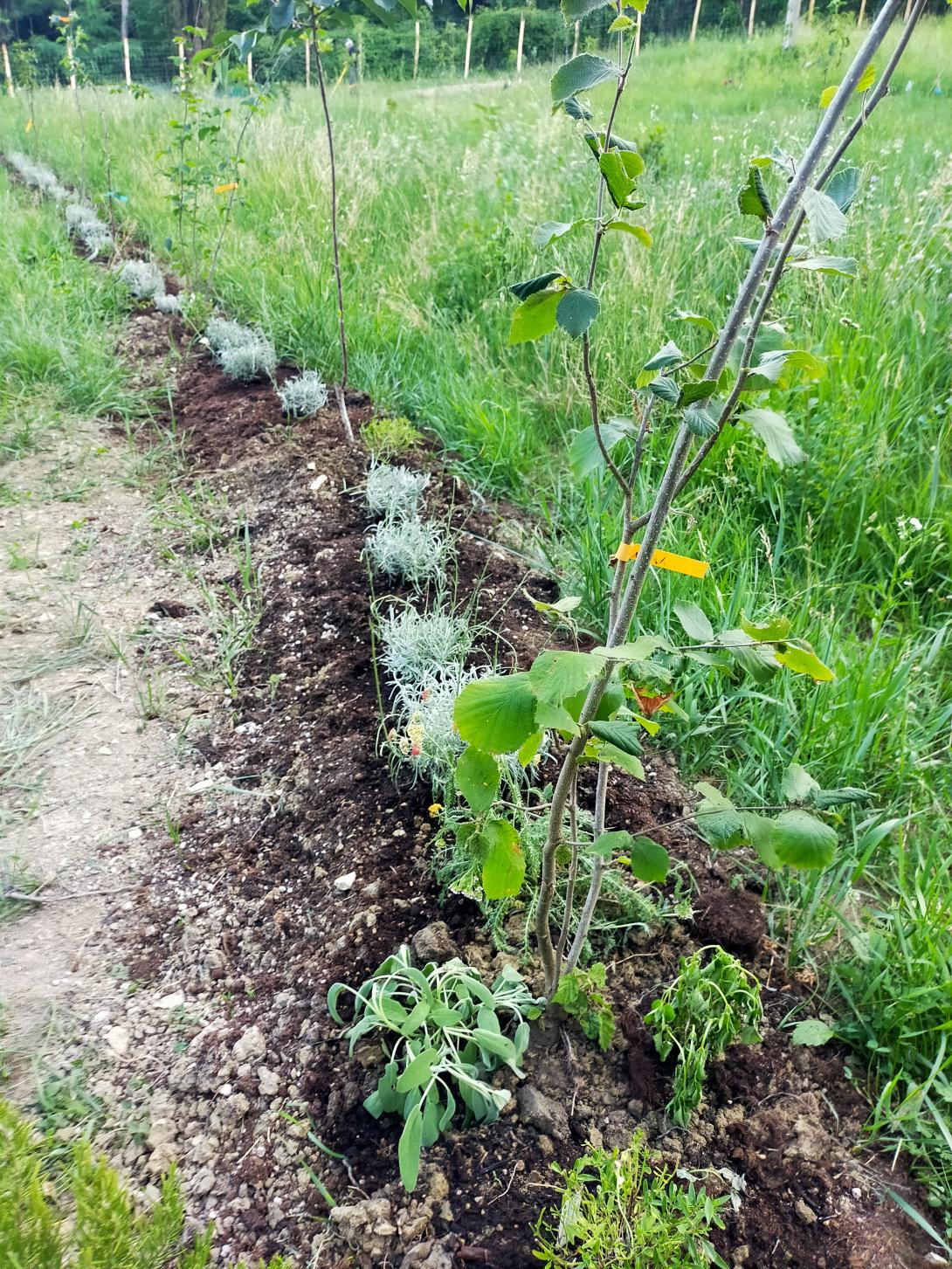
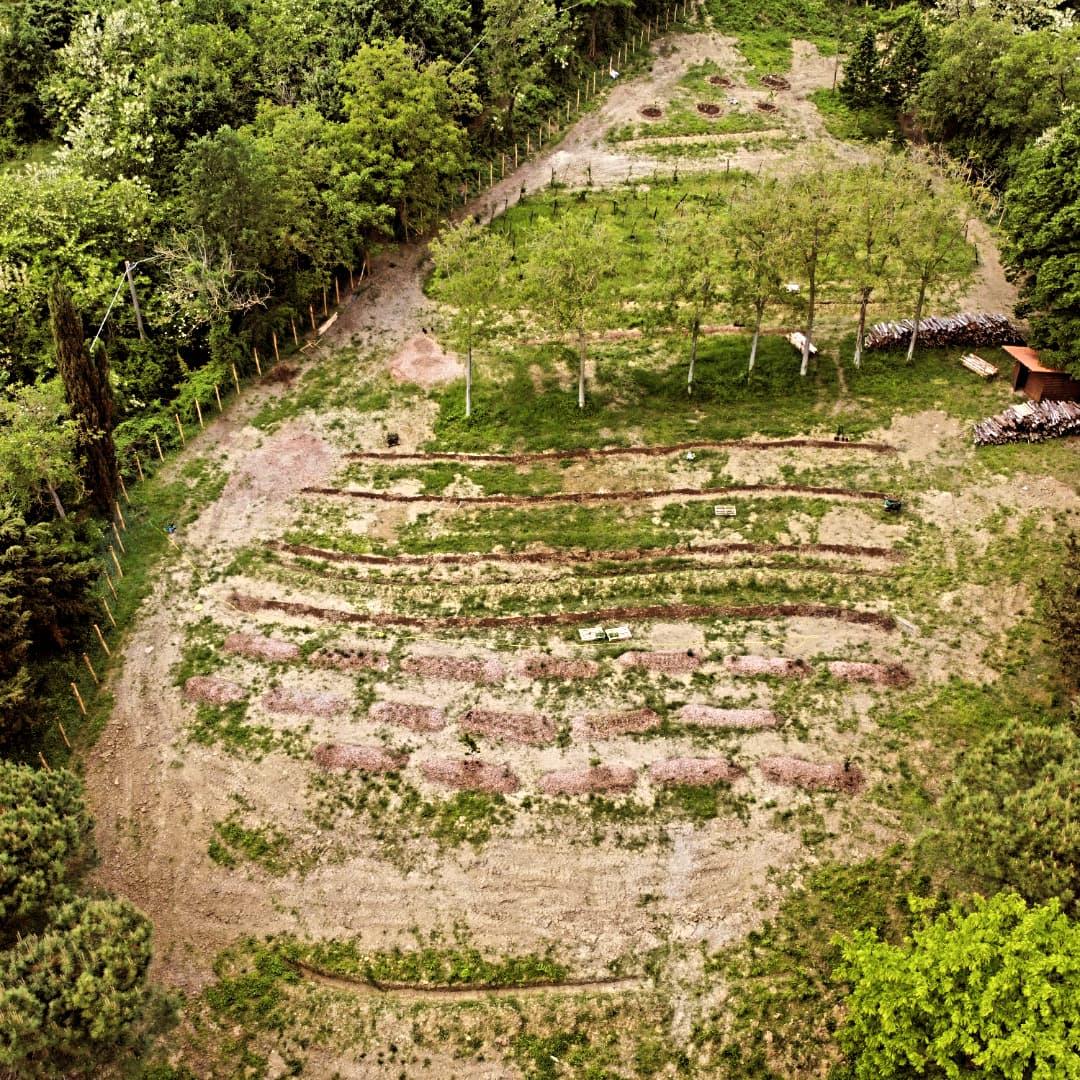
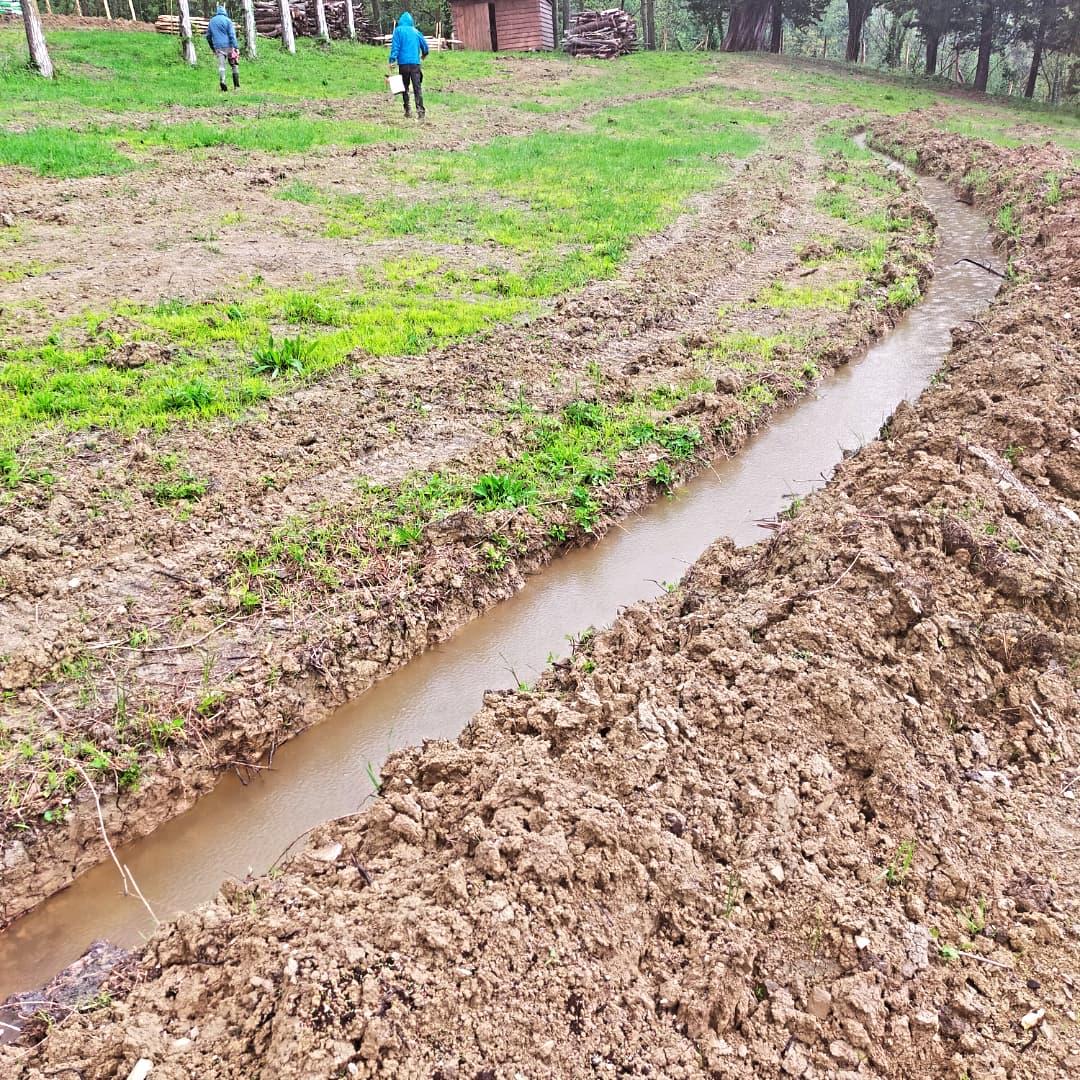
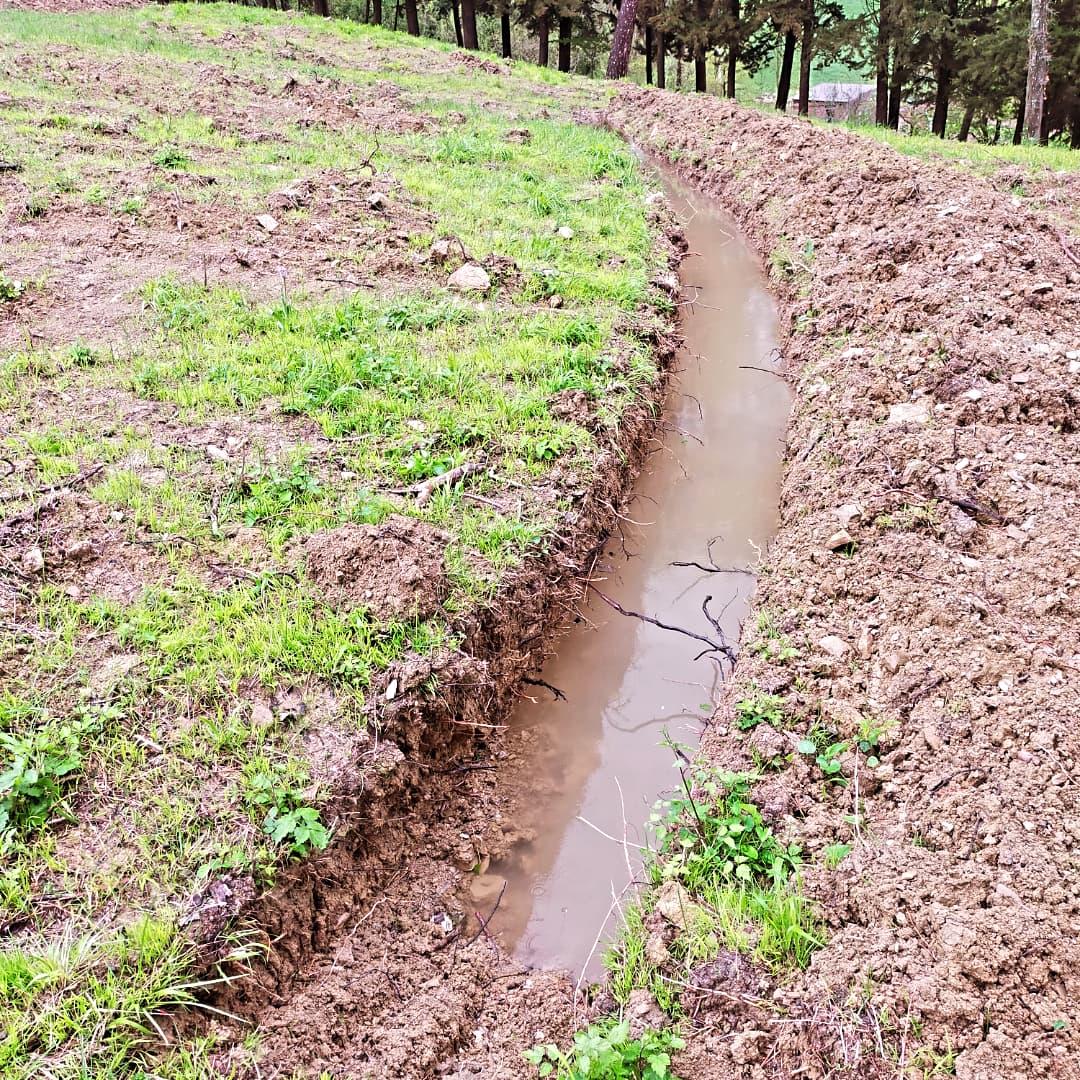
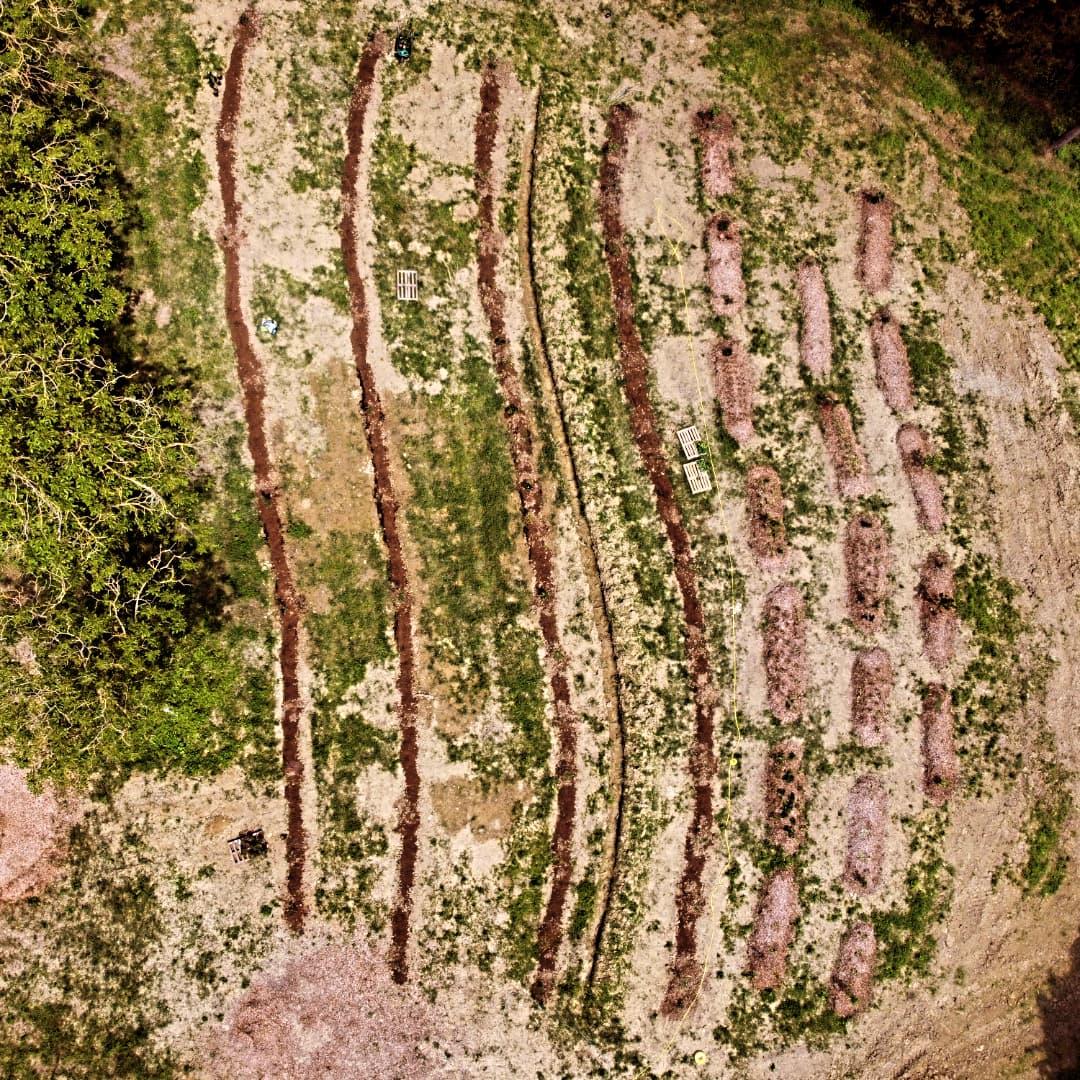
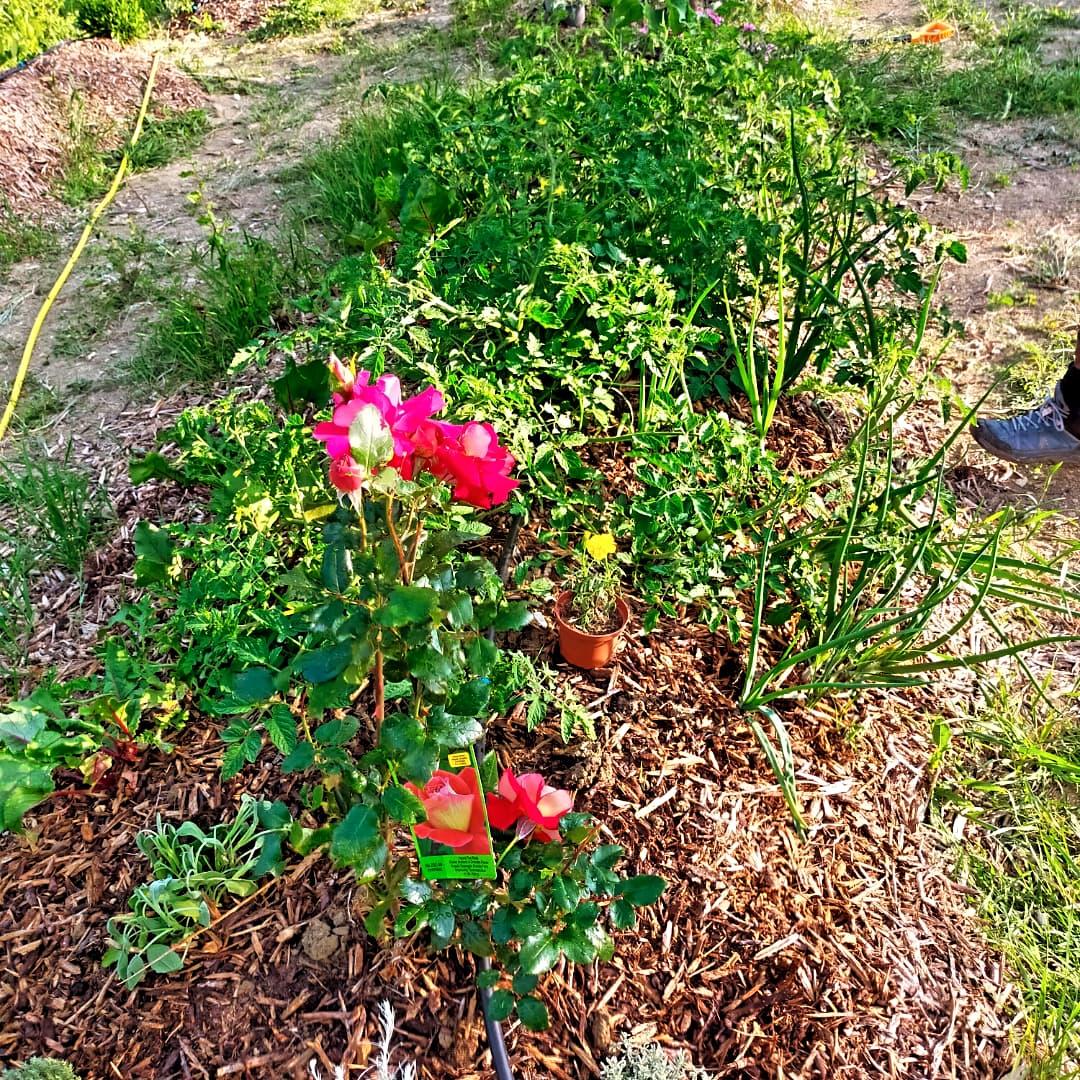
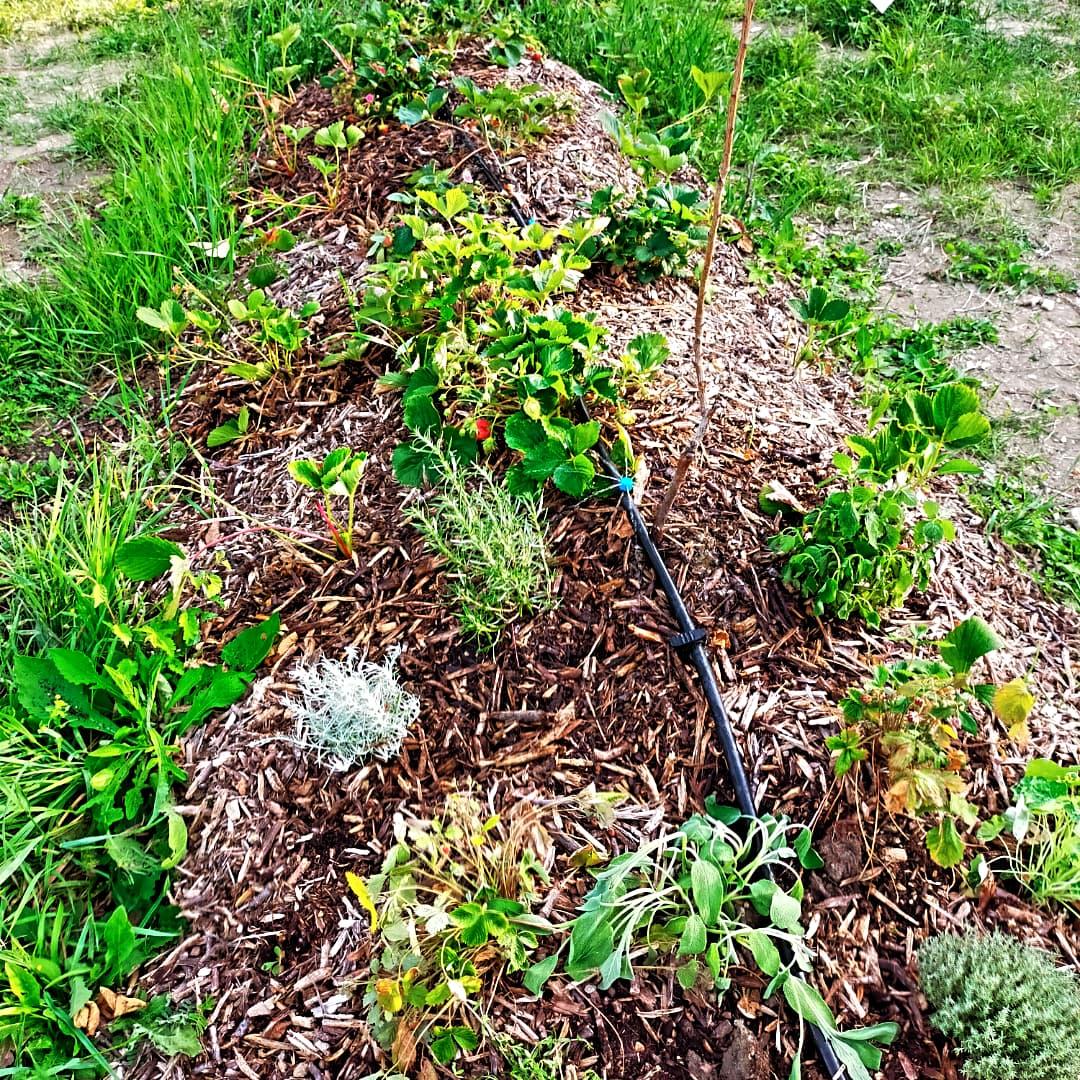
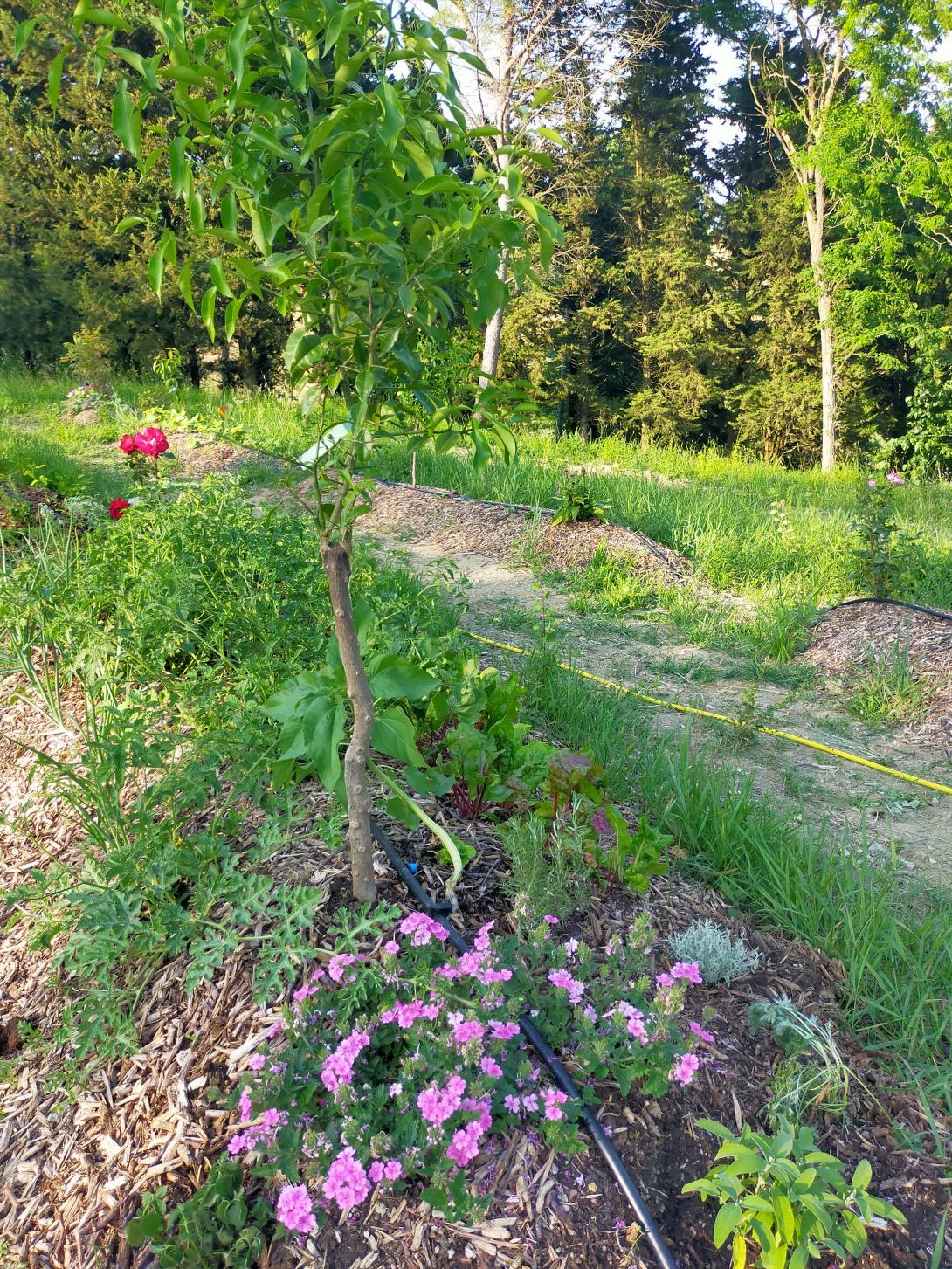
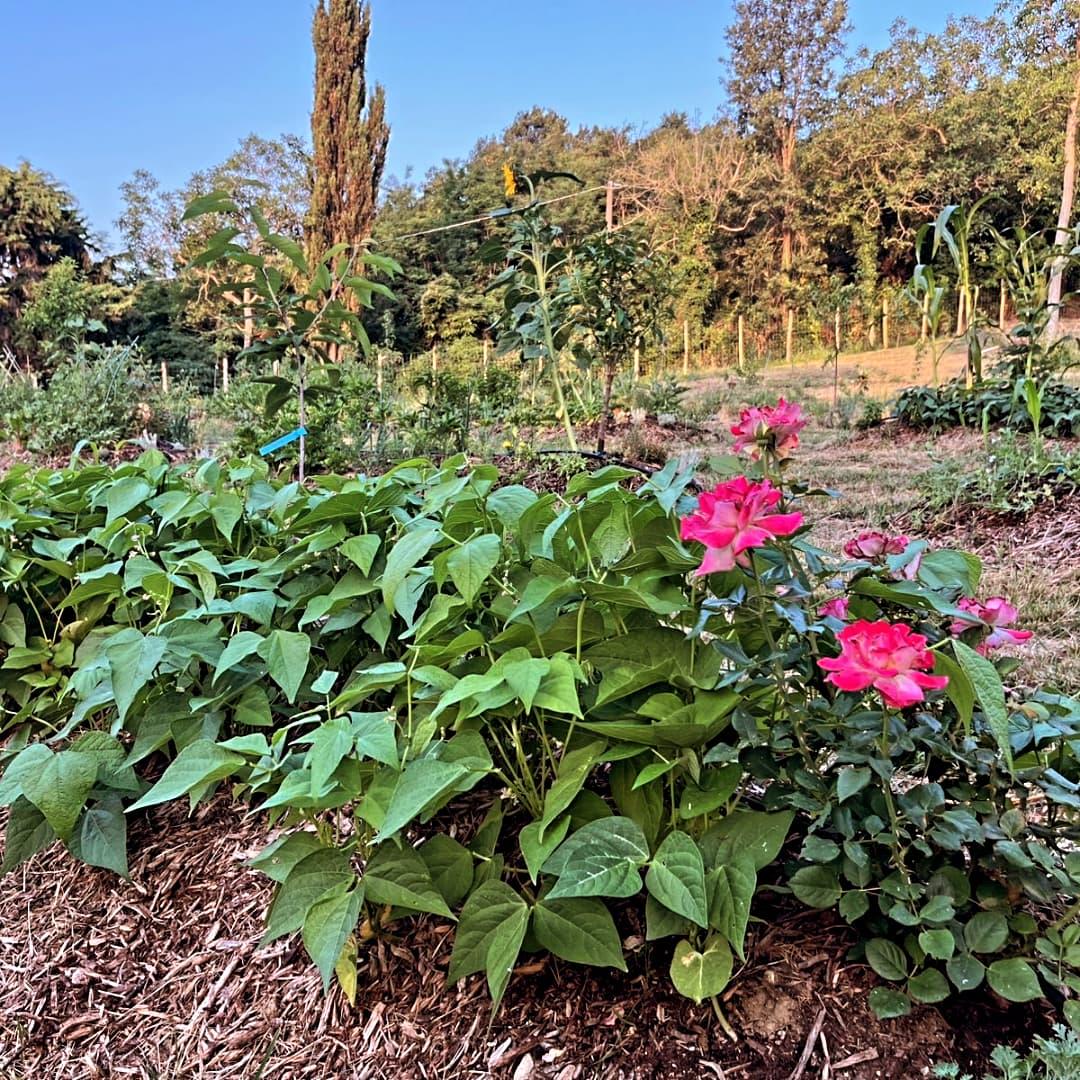
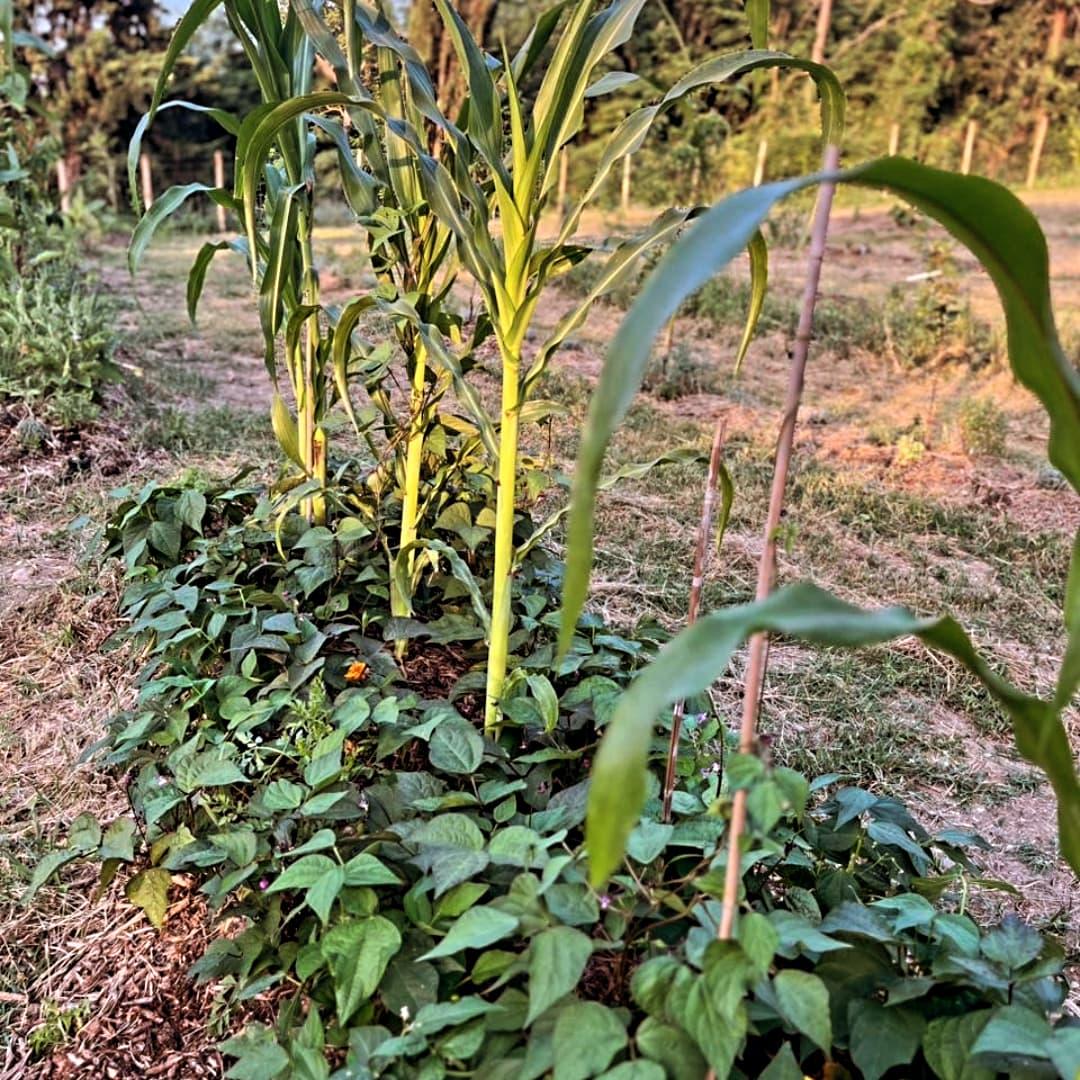
On a 1.2 ha hillside near Travo (Piacenza), a privately funded permaculture retrofit in 2024 installed a contour-based water retention system to rehydrate compact loamy clays and stop erosion. Using site reconnaissance and a functional analysis, the design by the Italian Permaculture Institute placed several 50×50 cm swales on level curves along primary and secondary flow paths, paired with raised beds and berms. Syntropic tree lines, placentas and food-forest bombs introduce layered, successional plantings across fruit trees, a diversified vineyard, vegetables and aromatic herbs. Mulching with wood chips and composted manure protects the soil, reduces evaporation and feeds soil biology.
With 901 mm of annual rainfall and slopes around 10 to 19 degrees, the system is sized for passive capture and infiltration. A 45 m swale is estimated to store about 20,000 L per year, and the overall swale network at least 70,000 L per year, with safe gravity overflows directing surplus to the valley. Implementation emphasised simple earthworks, precise contouring and minimal mechanical inputs, with maintenance limited to grass cutting, light pruning every three years and periodic compost applications.
Early observations show swales performing as intended, no surface erosion or on-site flooding, improved soil moisture near tree lines and clear increases in insects, birds and herb diversity. Some uneven filling occurred during heavy rain and is being addressed through refinements of inlets and overflows. The project targets flood and drought mitigation at site scale, soil and water conservation, biodiversity gains and long service life of at least 50 years, with full retention potential expected within about five years.
With 901 mm of annual rainfall and slopes around 10 to 19 degrees, the system is sized for passive capture and infiltration. A 45 m swale is estimated to store about 20,000 L per year, and the overall swale network at least 70,000 L per year, with safe gravity overflows directing surplus to the valley. Implementation emphasised simple earthworks, precise contouring and minimal mechanical inputs, with maintenance limited to grass cutting, light pruning every three years and periodic compost applications.
Early observations show swales performing as intended, no surface erosion or on-site flooding, improved soil moisture near tree lines and clear increases in insects, birds and herb diversity. Some uneven filling occurred during heavy rain and is being addressed through refinements of inlets and overflows. The project targets flood and drought mitigation at site scale, soil and water conservation, biodiversity gains and long service life of at least 50 years, with full retention potential expected within about five years.
Position
Latitude
44.86246
Longitude
9.545366
Installation date
2024
Implementation Status
Contact
Italian Permaculture Institute
Transboundary
0
Photo gallery
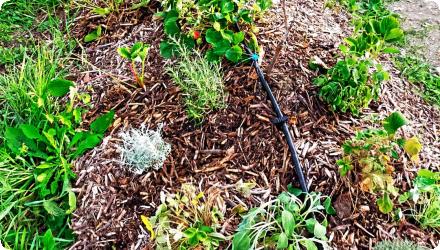
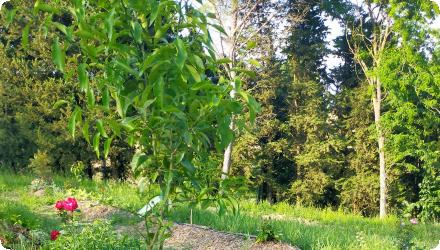
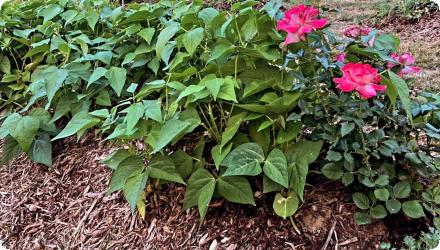
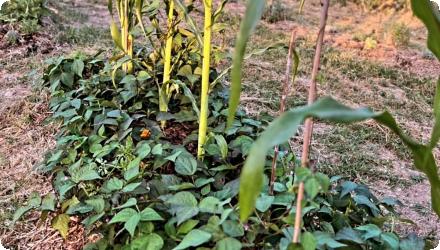
Location of the project
Hills near Travo, Province of Piacenza, Italy.
Project's objectives
Soil erosion control
Rainwater harvesting and infiltration
Biodiversity and biomass increase
Mitigation on slopes during extremes.
Rainwater harvesting and infiltration
Biodiversity and biomass increase
Mitigation on slopes during extremes.
Involved Partners
| Authority type | Authority name | Role | Comments |
|---|---|---|---|
Climate zone
cool temperate moist
Temperature
12.8 °C
Annual rainfall range
900 - 1200 mm
Elevation range
171 m
Slope range
Significant slope about 10.30° to 18.78° (≈18 to 34 %).
Vegetation class
Former walnut grove; now fruit trees, vineyard, vegetables, aromatic herbs.
Water bodies: Ecological Status
Good
Water bodies: Chemical Status
Good
Water quality status
Spring water is conveyed to a cistern, then transported; no status assessment.
Project scale
Micro
Project scale specification
Site-specific agricultural landscape.
Performance timescale
1 - 4 years
Project area
1.2 ha
Lifespan
≥50 years
Contour swales intercept primary and secondary runoff paths and spread water along slope to infiltrate compact clays
A 45 m swale of 50×50 cm stores about 20,000 L per year; the swale system is estimated to capture at least 70,000 L per year
Tree rows, vineyard trees and placentas increase roughness, shading and litter for soil biology; mulching reduces evaporation.
A 45 m swale of 50×50 cm stores about 20,000 L per year; the swale system is estimated to capture at least 70,000 L per year
Tree rows, vineyard trees and placentas increase roughness, shading and litter for soil biology; mulching reduces evaporation.
Limiting: slope and high soil compaction reduce infiltration
Favourable: clear contouring and gradients allow swales and tree lines on level curves.
Favourable: clear contouring and gradients allow swales and tree lines on level curves.
Total cost
€ 30,000
Costs total information
Earthworks for swales and beds
Tree and plant purchase
Compost and mulch
Labour.
Tree and plant purchase
Compost and mulch
Labour.
Financing authorities
Type of funding
Private funds
Comments
landowner
Compensations
0
Policy context
Mitigating soil erosion on sloped, compacted clays; not linked to a formal EU directive.
Land ownership
Private (Zucchetti family)
Community involvment
No
Contractual arrangements
0
Part of wider plan
0
On-site observation
Soil microbiology checks
Spade tests for organic matter depth
No modelling.
Soil microbiology checks
Spade tests for organic matter depth
No modelling.
Maintenance
Grass cutting Rare pruning every 3 years Compost application.
Qualitative assessments only.
Information on retained water
Swales worked as intended
No erosion or flooding observed after implementation
Runoff eliminated on site, water directed safely to nearby valley.
No erosion or flooding observed after implementation
Runoff eliminated on site, water directed safely to nearby valley.
Information on Water quality overall improvements
Runoff reduction and erosion control reported qualitatively; rehydration of surface soils.
Significant increase in diversity of insects, birds and herbs
Information on Other biophysical impacts
Climate regulation and carbon sequestration co-benefits.
Key lessons
On compact clay slopes, small contour swales plus heavy mulching and dense syntropic plantings rapidly cut surface runoff and kick-start soil biology. Correct sizing and placement on level curves are critical. Raised beds upslope of swales slow flow further. Keep design passive and gravity-based to minimise inputs and maintenance. Expect some uneven filling early on and plan safe overflows at swale ends.
Success factor(s)
| Success factor type | Success factor role | Comments | Order |
|---|---|---|---|
|
Existing staff and consultant knowledge
|
main factor
|
Passive design on contour, adequate swale capacity and overflow placement |
|
|
Other
|
secondary factor
|
Use of placentas and aromatic strips to accelerate soil recovery. |
Driver
| Driver type | Driver role | Comments | Order |
|---|---|---|---|
|
Organisation committed to it
|
main driver
|
Owner goal of ecological food production and soil erosion control
|
Transferability
Applicable in Mediterranean and temperate climates with clay soils and sloped terrain facing runoff issues.
Cost effectiveness
Low input after establishment; long-term benefits exceed initial investment.
English