PO9 - Take adequate and co-ordinated measures to reduce flood risks

Code
SA03
Sector
Agriculture
Year of Issue
2025
Summary

Crop rotation is the practice of growing a series of dissimilar or different types, species, or families of crops in the same area in sequential seasons. Judiciously applied (i.e. selecting a suitable crop) crop rotation can improve soil structure and fertility by alternating deep-rooted and shallow-rooted plants. In turn, this enhances the soil’s sponge-like behaviour by improving structural properties, fostering root-driven...
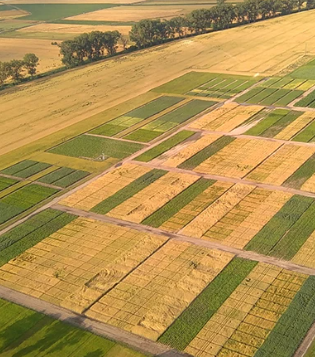
Fields in crop rotation (PL)

Source: Zuzanna Sawinska, Poznan University of Life Sciences

Possible benefits with level
Benefits Level
BP2 - Slow runoff
Medium
BP6 - Increase infiltration and/or groundwater recharge
Medium
BP7 - Increase soil water retention
Medium
BP8 - Reduce pollutant sources
Medium
BP9 - Intercept pollution pathways
High
BP10 - Reduce erosion and/or sediment delivery
Low
BP11 - Improve soils
High
BP17 - Absorb and/or retain CO2
Medium
ES4 - Biodiversity preservation
Low
ES6 - Groundwater/aquifer recharge
Medium
ES7 - Flood risk reduction
Low
ES8 - Erosion/sediment control
Low
ES9 - Filtration of pollutants
Medium
ES11 - Aesthetic/cultural value
Medium
PO2 - Improving status of physico-chemical quality elements
Medium
PO4 - Improving chemical status and priority substances
Low
PO7 - Prevent surface water status deterioration
Medium
PO9 - Take adequate and co-ordinated measures to reduce flood risks
Low
PO11 - Better protection for ecosystems and more use of Green Infrastructure
Medium
PO12 - More sustainable agriculture and forestry
Medium
Code
SA12
Sector
Agriculture
Year of Issue
2025
Summary

Livestock, particularly heavy species such as cattle, can have a number of damaging impacts on soil including compaction, destruction of soil structure (poaching) and loss of vegetation. The literature suggests that treading by livestock increases soil strength and bulk density and...


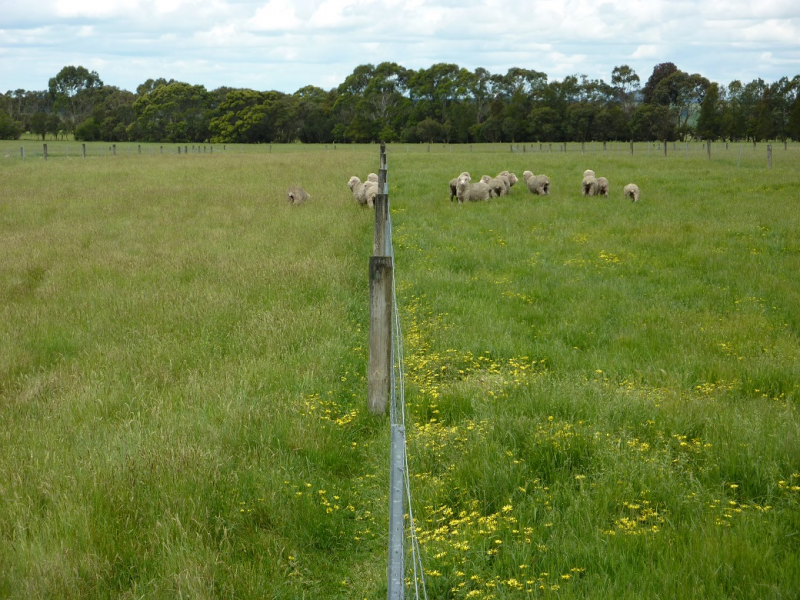
Sheep separated to reduce stocking density

Source: EverGraze website


Possible benefits with level
Benefits Level
BP2 - Slow runoff
High
BP10 - Reduce erosion and/or sediment delivery
Medium
BP11 - Improve soils
Medium
ES6 - Groundwater/aquifer recharge
Low
ES7 - Flood risk reduction
Medium
ES8 - Erosion/sediment control
Medium
ES9 - Filtration of pollutants
Medium
PO3 - Improving status of hydromorphology quality elements
Medium
PO7 - Prevent surface water status deterioration
Medium
PO9 - Take adequate and co-ordinated measures to reduce flood risks
Medium
PO11 - Better protection for ecosystems and more use of Green Infrastructure
Medium
PO12 - More sustainable agriculture and forestry
Low
PO14 - Prevention of biodiversity loss
Low
Code
SA09
Sector
Agriculture
Year of Issue
2025
Summary

The optimal sowing date is one of the most important and cost-effective field management practices that affect crop development, nutrient uptake, grain yield, technical quality, and nutritional value. Although it does not require additional inputs, adjusting the sowing date can serve as an efficient and affordable strategy to improve yields under different climatic conditions.

Early sowing refers to sowing up to six weeks before the...


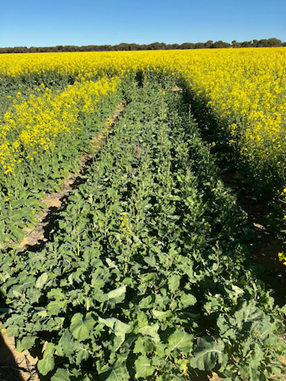
Early sowedcanola (AU)

Source: The Liebe Group

Possible benefits with level
Benefits Level
BP2 - Slow runoff
High
BP5 - Increase evapotranspiration
Medium
BP6 - Increase infiltration and/or groundwater recharge
Low
BP7 - Increase soil water retention
High
BP10 - Reduce erosion and/or sediment delivery
High
BP11 - Improve soils
Medium
BP17 - Absorb and/or retain CO2
Medium
ES6 - Groundwater/aquifer recharge
Medium
ES7 - Flood risk reduction
High
ES8 - Erosion/sediment control
High
ES9 - Filtration of pollutants
Medium
ES10 - Recreational opportunities
Medium
PO3 - Improving status of hydromorphology quality elements
Medium
PO5 - Improving quantitative status
Low
PO7 - Prevent surface water status deterioration
Medium
PO8 - Prevent groundwater status deterioration
Low
PO9 - Take adequate and co-ordinated measures to reduce flood risks
High
PO11 - Better protection for ecosystems and more use of Green Infrastructure
High
PO12 - More sustainable agriculture and forestry
Medium
PO14 - Prevention of biodiversity loss
Medium