Code
SA01
Sector
Agriculture
Year of Issue
2025
Summary
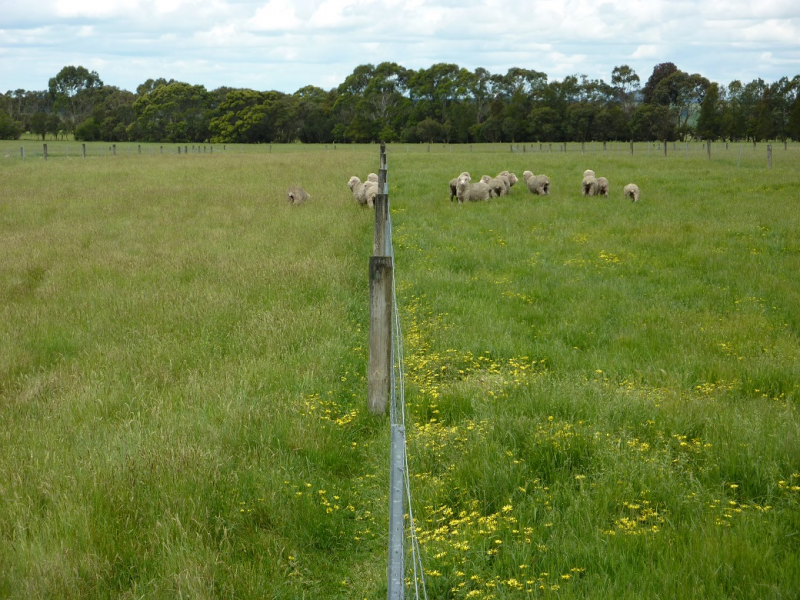
More than 30% of agricultural areas in the EU – some 50 million hectares – is covered by permanent grasslands. Meadows are areas or fields whose main vegetation is grass, or other non-woody plants, used for mowing and haying. Pastures are grassed or wooded areas, moorland or heathland, generally used for grazing. Due to their rooted soils and their permanent cover, meadows and pastures create ideal conditions for water uptake and...
Possible benefits with level
| Benefits | Level |
|---|---|
|
BP2 - Slow runoff
|
High
|
|
BP5 - Increase evapotranspiration
|
Medium
|
|
BP6 - Increase infiltration and/or groundwater recharge
|
Low
|
|
BP7 - Increase soil water retention
|
Medium
|
|
BP10 - Reduce erosion and/or sediment delivery
|
High
|
|
BP11 - Improve soils
|
Low
|
|
BP17 - Absorb and/or retain CO2
|
Medium
|
|
ES5 - Climate change adaptation and mitigation
|
Medium
|
|
ES6 - Groundwater/aquifer recharge
|
Medium
|
|
ES7 - Flood risk reduction
|
High
|
|
ES8 - Erosion/sediment control
|
High
|
|
ES9 - Filtration of pollutants
|
Medium
|
|
PO3 - Improving status of hydromorphology quality elements
|
Medium
|
|
PO5 - Improving quantitative status
|
Low
|
|
PO7 - Prevent surface water status deterioration
|
Medium
|
|
PO8 - Prevent groundwater status deterioration
|
Low
|
|
PO9 - Take adequate and co-ordinated measures to reduce flood risks
|
High
|
|
PO11 - Better protection for ecosystems and more use of Green Infrastructure
|
High
|
|
PO12 - More sustainable agriculture and forestry
|
Medium
|
|
PO14 - Prevention of biodiversity loss
|
Medium
|
Case study(ies)