BP11 - Improve soils

Code
SF06
Sector
Forest
Year of Issue
2025
Other sector(s)
Forest
Summary

Continuous cover forestry is a forest management approach that maintains a continuous canopy during the regeneration phase, avoiding clearcutting in favour of selective harvesting or small-scale clearing. The main idea behind continuous cover forestry is a reduction in the number or size of clear-cuts. Some definitions of continuous cover forestry state that no clear-cuts shall be larger than 0.25...
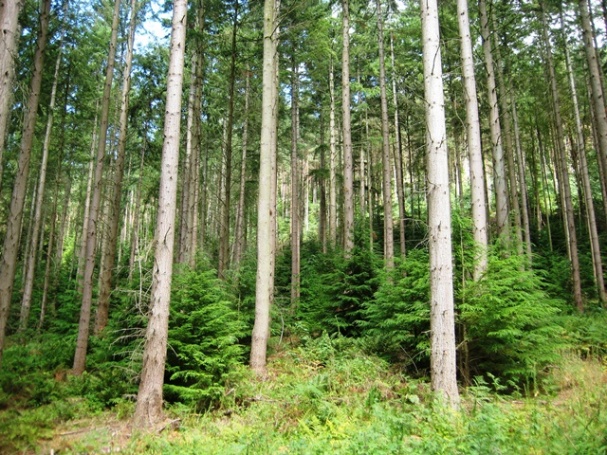
 Illustration 30: continuos cover forestry (UK)

Source: 2018 E. R. Wilson
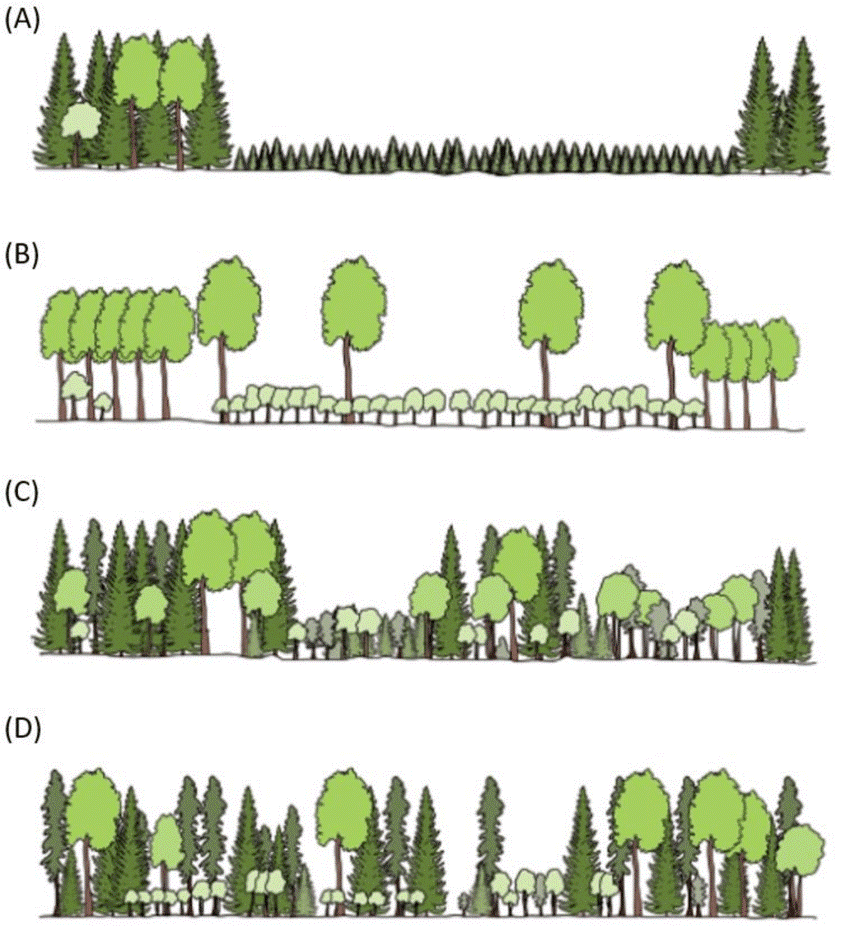
Illustration 31 : Clearfell(A), shelterwood (B); group selection (C), and single tree selection (D)

Source: Emiel De Lombaerde, 2020

Possible benefits with level
Benefits Level
BP1 - Store runoff
Medium
BP2 - Slow runoff
Medium
BP5 - Increase evapotranspiration
Low
BP6 - Increase infiltration and/or groundwater recharge
Low
BP7 - Increase soil water retention
Low
BP8 - Reduce pollutant sources
Medium
BP9 - Intercept pollution pathways
Medium
BP10 - Reduce erosion and/or sediment delivery
Medium
BP11 - Improve soils
Medium
BP14 - Create terrestrial habitats
Low
BP16 - Reduce peak temperature
Medium
BP17 - Absorb and/or retain CO2
Medium
ES1 - Water storage
Medium
ES2 - Fish stocks and recruiting
Low
ES3 - Natural biomass production
Medium
ES4 - Biodiversity preservation
High
ES5 - Climate change adaptation and mitigation
High
ES6 - Groundwater/aquifer recharge
Low
ES7 - Flood risk reduction
Medium
ES8 - Erosion/sediment control
Medium
ES9 - Filtration of pollutants
Medium
ES10 - Recreational opportunities
Medium
ES11 - Aesthetic/cultural value
Medium
PO1 - Improving status of biology quality elements
Low
PO2 - Improving status of physico-chemical quality elements
Low
PO4 - Improving chemical status and priority substances
Low
PO6 - Improving chemical status
Medium
PO7 - Prevent surface water status deterioration
Medium
PO8 - Prevent groundwater status deterioration
Medium
PO9 - Take adequate and co-ordinated measures to reduce flood risks
Low
PO10 - Protection of important habitats
Low
PO11 - Better protection for ecosystems and more use of Green Infrastructure
Medium
PO12 - More sustainable agriculture and forestry
Medium
PO14 - Prevention of biodiversity loss
High
Code
SU10
Sector
Urban
Year of Issue
2025
Other sector(s)
Forest
Summary

Urban forest parks can deliver a broad range of hydrology-related and other ecosystem services. Forests in urban areas have great amenity value, can improve air quality, moderate local microclimates, improve urban biodiversity and contribute to climate change mitigation as well as having ancillary hydrological benefits. Forest soils often have greater infiltration capacity than other urban...

Possible benefits with level
Benefits Level
BP1 - Store runoff
Medium
BP2 - Slow runoff
Medium
BP5 - Increase evapotranspiration
High
BP6 - Increase infiltration and/or groundwater recharge
High
BP7 - Increase soil water retention
High
BP8 - Reduce pollutant sources
High
BP9 - Intercept pollution pathways
High
BP10 - Reduce erosion and/or sediment delivery
Medium
BP11 - Improve soils
High
BP12 - Create aquatic habitat
Low
BP13 - Create riparian habitat
Low
BP14 - Create terrestrial habitats
High
BP15 - Enhance precipitation
Low
BP16 - Reduce peak temperature
High
BP17 - Absorb and/or retain CO2
High
ES1 - Water storage
Medium
ES2 - Fish stocks and recruiting
Low
ES3 - Natural biomass production
Medium
ES4 - Biodiversity preservation
High
ES5 - Climate change adaptation and mitigation
High
ES6 - Groundwater/aquifer recharge
Medium
ES7 - Flood risk reduction
Low
ES8 - Erosion/sediment control
Low
ES9 - Filtration of pollutants
Medium
ES10 - Recreational opportunities
High
ES11 - Aesthetic/cultural value
High
PO1 - Improving status of biology quality elements
Low
PO2 - Improving status of physico-chemical quality elements
Low
PO4 - Improving chemical status and priority substances
Low
PO5 - Improving quantitative status
Low
PO6 - Improving chemical status
Low
PO7 - Prevent surface water status deterioration
Medium
PO8 - Prevent groundwater status deterioration
Medium
PO9 - Take adequate and co-ordinated measures to reduce flood risks
Medium
PO10 - Protection of important habitats
High
PO11 - Better protection for ecosystems and more use of Green Infrastructure
High
PO13 - Better management of fish stocks
Low
PO14 - Prevention of biodiversity loss
High
Code
SF02
Sector
Forest
Year of Issue
2025
Summary

Headwater catchments are the source areas of rivers and streams and are critical for maintaining the structure, function, productivity and complexity of downstream ecosystems. They are vital to hydrologic cycle as they are one of the main areas where precipitation contributes to surface and groundwater. Headwaters are typically...

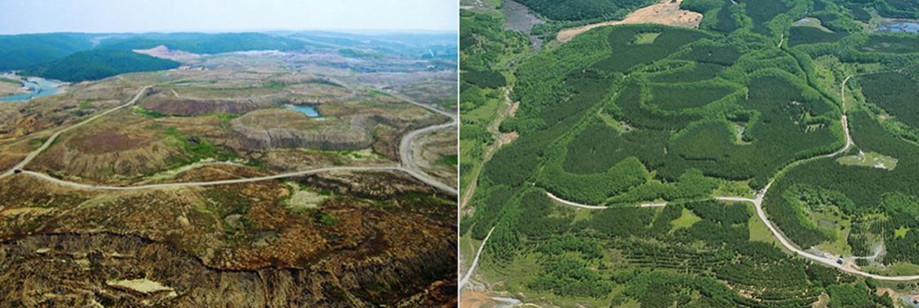
Before and after afforestation (TU)

Source: Kutorman 2012

Forest cover in upstream headwaters (BE)

Source: OPTAIN project

Possible benefits with level
Benefits Level
BP1 - Store runoff
High
BP2 - Slow runoff
High
BP5 - Increase evapotranspiration
High
BP6 - Increase infiltration and/or groundwater recharge
High
BP7 - Increase soil water retention
High
BP8 - Reduce pollutant sources
High
BP9 - Intercept pollution pathways
High
BP10 - Reduce erosion and/or sediment delivery
High
BP11 - Improve soils
Medium
BP12 - Create aquatic habitat
Medium
BP13 - Create riparian habitat
Medium
BP14 - Create terrestrial habitats
High
BP15 - Enhance precipitation
Low
BP16 - Reduce peak temperature
Medium
BP17 - Absorb and/or retain CO2
High
ES1 - Water storage
High
ES2 - Fish stocks and recruiting
Low
ES3 - Natural biomass production
High
ES4 - Biodiversity preservation
Medium
ES5 - Climate change adaptation and mitigation
High
ES6 - Groundwater/aquifer recharge
High
ES7 - Flood risk reduction
High
ES8 - Erosion/sediment control
High
ES9 - Filtration of pollutants
High
ES10 - Recreational opportunities
High
ES11 - Aesthetic/cultural value
High
PO1 - Improving status of biology quality elements
Low
PO2 - Improving status of physico-chemical quality elements
Low
PO3 - Improving status of hydromorphology quality elements
Low
PO4 - Improving chemical status and priority substances
Low
PO5 - Improving quantitative status
Medium
PO6 - Improving chemical status
Medium
PO7 - Prevent surface water status deterioration
Medium
PO8 - Prevent groundwater status deterioration
High
PO9 - Take adequate and co-ordinated measures to reduce flood risks
High
PO10 - Protection of important habitats
High
PO11 - Better protection for ecosystems and more use of Green Infrastructure
High
PO12 - More sustainable agriculture and forestry
Medium
PO13 - Better management of fish stocks
Medium
PO14 - Prevention of biodiversity loss
High
Code
SU11
Sector
Urban
Year of Issue
2025
Other sector(s)
Forest
Summary

Trees in urban areas deliver multiple benefits, including improved aesthetics, microclimate regulation, and enhanced urban hydrology. They also serve as crucial biodiversity refuges and contribute significantly to reducing particulate air pollution. Trees intercept precipitation, reducing the volumeof rainfall that needs to be processed by sewers systems and other...

Possible benefits with level
Benefits Level
BP1 - Store runoff
Medium
BP2 - Slow runoff
Medium
BP5 - Increase evapotranspiration
High
BP6 - Increase infiltration and/or groundwater recharge
Medium
BP7 - Increase soil water retention
Medium
BP8 - Reduce pollutant sources
Medium
BP9 - Intercept pollution pathways
High
BP10 - Reduce erosion and/or sediment delivery
Low
BP11 - Improve soils
Low
BP14 - Create terrestrial habitats
High
BP16 - Reduce peak temperature
High
BP17 - Absorb and/or retain CO2
High
ES1 - Water storage
Medium
ES3 - Natural biomass production
Medium
ES4 - Biodiversity preservation
High
ES5 - Climate change adaptation and mitigation
High
ES6 - Groundwater/aquifer recharge
Medium
ES7 - Flood risk reduction
Low
ES8 - Erosion/sediment control
Low
ES9 - Filtration of pollutants
High
ES10 - Recreational opportunities
High
ES11 - Aesthetic/cultural value
High
PO1 - Improving status of biology quality elements
Medium
PO5 - Improving quantitative status
Low
PO6 - Improving chemical status
Low
PO7 - Prevent surface water status deterioration
Low
PO8 - Prevent groundwater status deterioration
Low
PO9 - Take adequate and co-ordinated measures to reduce flood risks
Low
PO10 - Protection of important habitats
High
PO11 - Better protection for ecosystems and more use of Green Infrastructure
High
PO14 - Prevention of biodiversity loss
High
Code
SF03
Sector
Forest
Year of Issue
2025
Summary

Forests act as natural sponges, absorbing excess rainwater to prevent flooding and retaining moisture for gradual release during dry periods. By increasing soil infiltration and storage, forests provide a consistent water supply, buffering against the extremes of climate change and increasing the resilience of ecosystems.


...
Possible benefits with level
Benefits Level
BP1 - Store runoff
High
BP2 - Slow runoff
High
BP5 - Increase evapotranspiration
High
BP6 - Increase infiltration and/or groundwater recharge
High
BP7 - Increase soil water retention
High
BP8 - Reduce pollutant sources
High
BP9 - Intercept pollution pathways
High
BP10 - Reduce erosion and/or sediment delivery
High
BP11 - Improve soils
Medium
BP12 - Create aquatic habitat
Low
BP13 - Create riparian habitat
Medium
BP14 - Create terrestrial habitats
High
BP15 - Enhance precipitation
High
BP16 - Reduce peak temperature
Medium
BP17 - Absorb and/or retain CO2
High
ES1 - Water storage
Medium
ES2 - Fish stocks and recruiting
Low
ES3 - Natural biomass production
High
ES4 - Biodiversity preservation
High
ES5 - Climate change adaptation and mitigation
High
ES6 - Groundwater/aquifer recharge
High
ES7 - Flood risk reduction
Medium
ES8 - Erosion/sediment control
High
ES9 - Filtration of pollutants
High
ES10 - Recreational opportunities
High
ES11 - Aesthetic/cultural value
High
PO1 - Improving status of biology quality elements
Low
PO2 - Improving status of physico-chemical quality elements
Low
PO3 - Improving status of hydromorphology quality elements
Medium
PO4 - Improving chemical status and priority substances
Low
PO5 - Improving quantitative status
Medium
PO6 - Improving chemical status
Medium
PO7 - Prevent surface water status deterioration
Low
PO8 - Prevent groundwater status deterioration
Medium
PO9 - Take adequate and co-ordinated measures to reduce flood risks
High
PO10 - Protection of important habitats
Medium
PO11 - Better protection for ecosystems and more use of Green Infrastructure
High
PO13 - Better management of fish stocks
Low
PO14 - Prevention of biodiversity loss
High
Code
SF07
Sector
Forest
Year of Issue
2025
Other sector(s)
Agriculture
Hydro Morphology
Summary

Healthy forest soils, with their dense root systems and porous organic top layers, play an important role in water infiltration and retention. To maintain these hydrological functions, forest managers should strive to maintain permanent vegetation cover, reduce soil compaction and increase surface roughness, which facilitates water absorption. As highlighted in A11 Controlled Traffic...

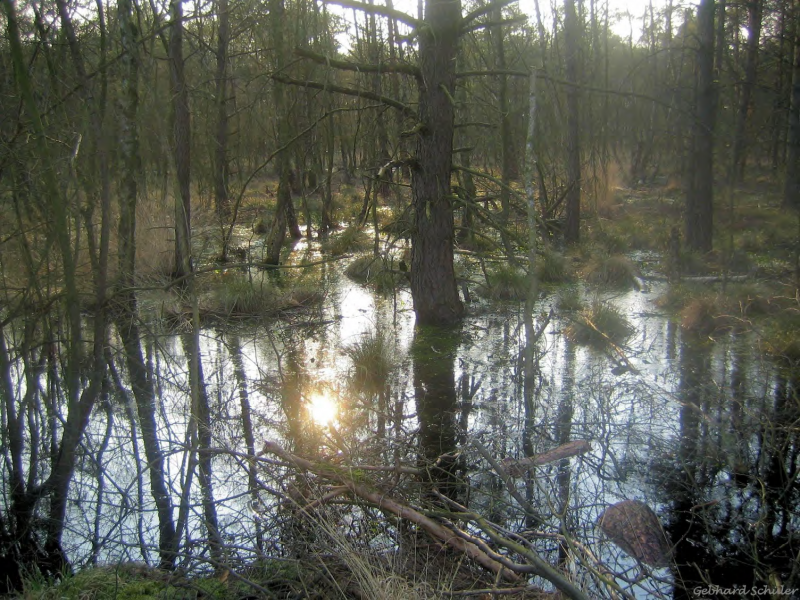
Water sensitive driving would avoid areas such as the one illustrated

Source: Gebhard Schueler’s presentation, NWRM Workshop 1


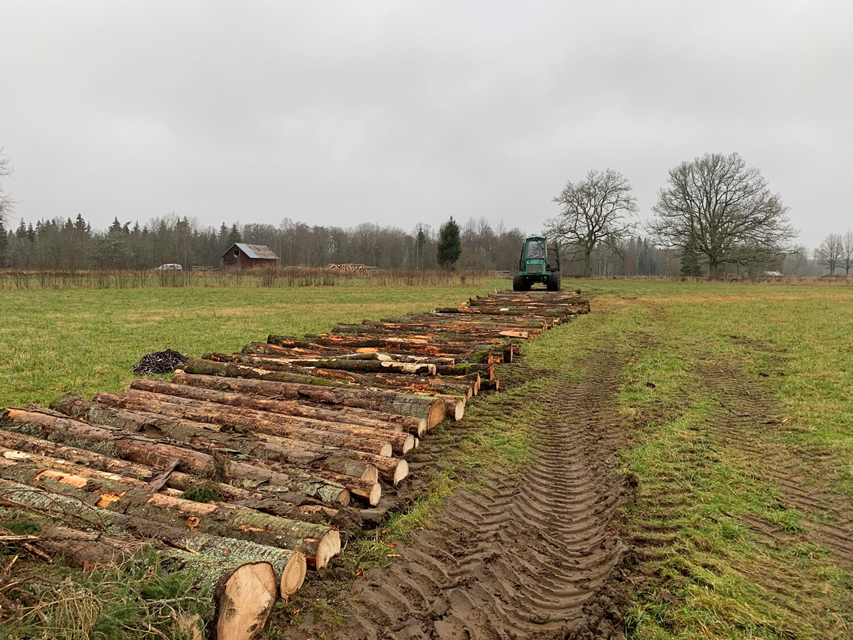
Accessways examples to forests (SE)

Source: Sydved


Possible benefits with level
Benefits Level
BP2 - Slow runoff
Low
BP6 - Increase infiltration and/or groundwater recharge
Low
BP7 - Increase soil water retention
Low
BP8 - Reduce pollutant sources
High
BP9 - Intercept pollution pathways
Medium
BP10 - Reduce erosion and/or sediment delivery
High
BP11 - Improve soils
Low
BP17 - Absorb and/or retain CO2
Low
ES4 - Biodiversity preservation
High
ES7 - Flood risk reduction
Low
ES8 - Erosion/sediment control
High
ES9 - Filtration of pollutants
Medium
ES11 - Aesthetic/cultural value
Medium
PO1 - Improving status of biology quality elements
Medium
PO2 - Improving status of physico-chemical quality elements
Medium
PO4 - Improving chemical status and priority substances
Medium
PO7 - Prevent surface water status deterioration
High
PO8 - Prevent groundwater status deterioration
Medium
PO9 - Take adequate and co-ordinated measures to reduce flood risks
Low
PO10 - Protection of important habitats
Low
PO11 - Better protection for ecosystems and more use of Green Infrastructure
Low
PO12 - More sustainable agriculture and forestry
High
PO13 - Better management of fish stocks
Medium
PO14 - Prevention of biodiversity loss
Low
Code
SN17
Sector
Hydro Morphology
Year of Issue
2025
Other sector(s)
Forest
Summary

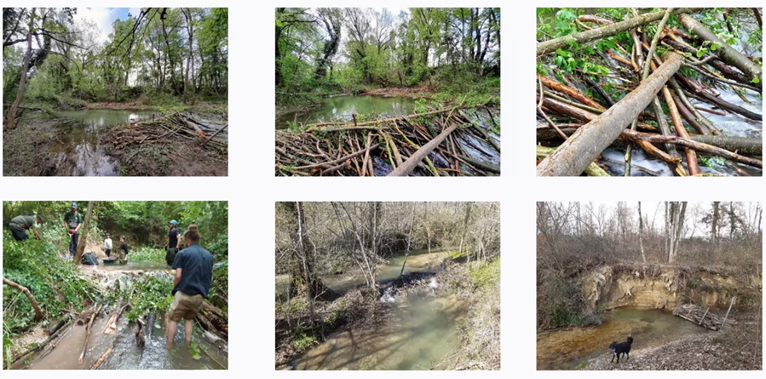
Beaver mimicry structures (BMS), also known as beaver dam analogues (BDAs), are in-stream structures designed to replicate the function of natural beaver dams. These simple, low-tech installations slow streamflow, increase groundwater recharge, favour water diversion in two or more arms, and create wetlands and alluvial forest. By mimicking beaver behaviour, they support biodiversity, improve climate resilience, and help restore degraded...

llustration: beaver mimicry structure in Lierne Véore (FR)

Beaver mimicry structures in Lierne Véore (FR)

Source: GEMAPI-Valence Romans Agglo

Possible benefits with level
Benefits Level
BP5 - Increase evapotranspiration
High
BP6 - Increase infiltration and/or groundwater recharge
High
BP7 - Increase soil water retention
Medium
BP8 - Reduce pollutant sources
High
BP9 - Intercept pollution pathways
High
BP10 - Reduce erosion and/or sediment delivery
High
BP11 - Improve soils
Medium
BP12 - Create aquatic habitat
Medium
BP13 - Create riparian habitat
High
BP14 - Create terrestrial habitats
High
BP15 - Enhance precipitation
Low
BP16 - Reduce peak temperature
High
BP17 - Absorb and/or retain CO2
High
ES1 - Water storage
High
ES2 - Fish stocks and recruiting
Medium
ES3 - Natural biomass production
High
ES4 - Biodiversity preservation
High
ES5 - Climate change adaptation and mitigation
High
ES6 - Groundwater/aquifer recharge
High
ES7 - Flood risk reduction
High
ES8 - Erosion/sediment control
High
ES9 - Filtration of pollutants
High
ES10 - Recreational opportunities
High
ES11 - Aesthetic/cultural value
High
PO1 - Improving status of biology quality elements
Low
PO2 - Improving status of physico-chemical quality elements
Low
PO3 - Improving status of hydromorphology quality elements
Low
PO4 - Improving chemical status and priority substances
Medium
PO5 - Improving quantitative status
Medium
PO7 - Prevent surface water status deterioration
Medium
PO8 - Prevent groundwater status deterioration
Medium
PO9 - Take adequate and co-ordinated measures to reduce flood risks
High
PO11 - Better protection for ecosystems and more use of Green Infrastructure
Medium
PO12 - More sustainable agriculture and forestry
Medium
PO13 - Better management of fish stocks
Low
PO14 - Prevention of biodiversity loss
Medium
PO6 - Improving chemical status
Low
BP3 - Store river water
Low
BP4 - Slow river water
High
Code
SN13
Sector
Hydro Morphology
Year of Issue
2025
Summary

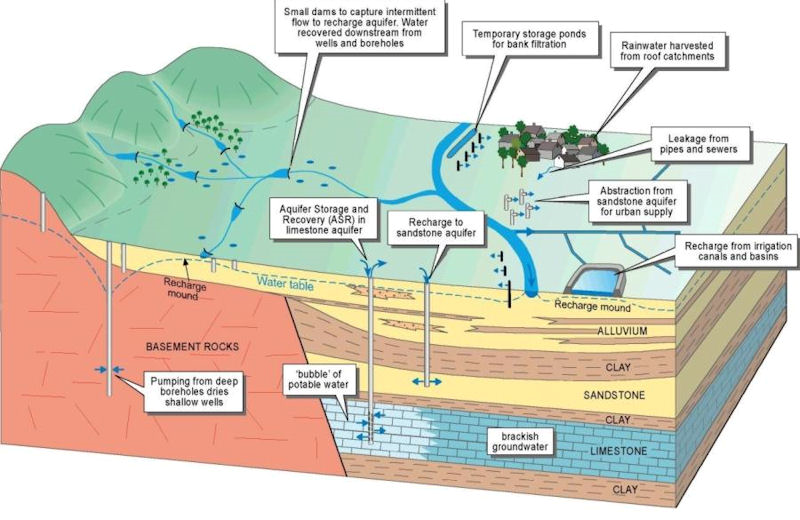
Groundwater is the part of infiltrated water which composes the water resource for population and human activities.  Previous modifications of the landscape have reduced the infiltration capacity of many European soils, thereby limiting the rate at which precipitation is able to infiltrate and recharge groundwater aquifers. Restoration of natural infiltration to groundwater enables a lowering of run-off from surrounding land, and...

Explicative scheme of enhanced infiltration (UK)

Source: HydrateLife

Possible benefits with level
Benefits Level
PO5 - Improving quantitative status
Medium
PO8 - Prevent groundwater status deterioration
Medium
PO9 - Take adequate and co-ordinated measures to reduce flood risks
Low
ES1 - Water storage
Medium
ES5 - Climate change adaptation and mitigation
Low
ES6 - Groundwater/aquifer recharge
Medium
ES7 - Flood risk reduction
Low
ES8 - Erosion/sediment control
Low
ES13 - Geological resources
High
BP1 - Store runoff
Low
BP2 - Slow runoff
Medium
BP6 - Increase infiltration and/or groundwater recharge
High
BP7 - Increase soil water retention
Medium
BP9 - Intercept pollution pathways
Low
BP10 - Reduce erosion and/or sediment delivery
Low
Code
SF01
Sector
Forest
Year of Issue
2025
Other sector(s)
Agriculture
Urban
Hydro Morphology
Summary

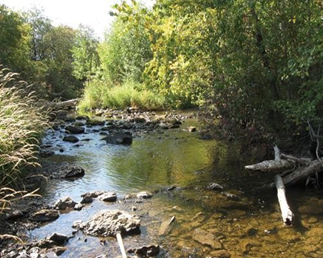
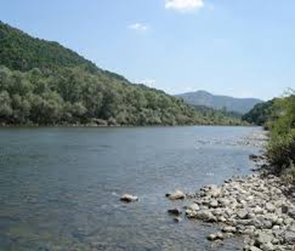
Riparian buffers are areas of land, predominantly covered with trees, shrubs, and sometimes grasses, along, and often up-gradient from, streams, watercourses, or water bodies. These natural or restored buffers serve multiple purposes. By maintaining a relatively undisturbed zone adjacent to open water, they play an important role in water quality and flow...

llustration 21: Riparian Forest buffer

Source: Amy Chadwick, Watershed Consulting

Illustration 22: Riparian buffer of white willow and white poplar (BU)

Source: WWF Bulgaria

Possible benefits with level
Benefits Level
BP1 - Store runoff
Medium
BP2 - Slow runoff
Medium
BP4 - Slow river water
Low
BP5 - Increase evapotranspiration
Low
BP6 - Increase infiltration and/or groundwater recharge
Low
BP7 - Increase soil water retention
Low
BP8 - Reduce pollutant sources
Medium
BP9 - Intercept pollution pathways
Medium
BP10 - Reduce erosion and/or sediment delivery
High
BP11 - Improve soils
Low
BP12 - Create aquatic habitat
Medium
BP13 - Create riparian habitat
High
BP14 - Create terrestrial habitats
Low
BP16 - Reduce peak temperature
Medium
BP17 - Absorb and/or retain CO2
Low
ES1 - Water storage
Low
ES2 - Fish stocks and recruiting
Medium
ES3 - Natural biomass production
Low
ES4 - Biodiversity preservation
High
ES6 - Groundwater/aquifer recharge
Low
ES7 - Flood risk reduction
Low
ES8 - Erosion/sediment control
High
ES9 - Filtration of pollutants
Medium
ES10 - Recreational opportunities
Low
ES11 - Aesthetic/cultural value
Low
ES12 - Navigation
Low
PO1 - Improving status of biology quality elements
Medium
PO2 - Improving status of physico-chemical quality elements
Medium
PO3 - Improving status of hydromorphology quality elements
Medium
PO4 - Improving chemical status and priority substances
Low
PO6 - Improving chemical status
Low
PO7 - Prevent surface water status deterioration
Medium
PO8 - Prevent groundwater status deterioration
Low
PO9 - Take adequate and co-ordinated measures to reduce flood risks
Low
PO10 - Protection of important habitats
Medium
PO11 - Better protection for ecosystems and more use of Green Infrastructure
High
PO12 - More sustainable agriculture and forestry
Medium
PO13 - Better management of fish stocks
Medium
PO14 - Prevention of biodiversity loss
Medium
Code
SN03
Sector
Hydro Morphology
Year of Issue
2025
Summary

A floodplain is the area bordering a river that naturally provides space for the retention of flood and rainwater.  Because of regular flooding, floodplain soils are generally very fertile and they have often been dried-out to be used as agricultural land. Floodplains in many places have also been separated from the river by dikes, berms or other structures designed to control the flow of the...

Floodplain 

Source: André Künzelmann/UfZ

Possible benefits with level
Benefits Level
BP1 - Store runoff
High
BP2 - Slow runoff
High
BP3 - Store river water
High
BP4 - Slow river water
High
BP5 - Increase evapotranspiration
Medium
BP6 - Increase infiltration and/or groundwater recharge
High
BP7 - Increase soil water retention
Medium
BP8 - Reduce pollutant sources
Medium
BP9 - Intercept pollution pathways
Medium
BP10 - Reduce erosion and/or sediment delivery
High
BP11 - Improve soils
High
BP12 - Create aquatic habitat
Medium
BP13 - Create riparian habitat
High
BP14 - Create terrestrial habitats
High
BP15 - Enhance precipitation
Low
BP16 - Reduce peak temperature
Medium
BP17 - Absorb and/or retain CO2
Medium
ES1 - Water storage
High
ES2 - Fish stocks and recruiting
High
ES3 - Natural biomass production
High
ES4 - Biodiversity preservation
High
ES5 - Climate change adaptation and mitigation
Medium
ES6 - Groundwater/aquifer recharge
High
ES7 - Flood risk reduction
High
ES8 - Erosion/sediment control
High
ES9 - Filtration of pollutants
Medium
ES10 - Recreational opportunities
High
ES11 - Aesthetic/cultural value
High
PO1 - Improving status of biology quality elements
High
PO2 - Improving status of physico-chemical quality elements
High
PO3 - Improving status of hydromorphology quality elements
High
PO4 - Improving chemical status and priority substances
Medium
PO5 - Improving quantitative status
Medium
PO6 - Improving chemical status
Medium
PO7 - Prevent surface water status deterioration
High
PO8 - Prevent groundwater status deterioration
Medium
PO9 - Take adequate and co-ordinated measures to reduce flood risks
High
PO10 - Protection of important habitats
High
PO11 - Better protection for ecosystems and more use of Green Infrastructure
High
PO12 - More sustainable agriculture and forestry
High
PO13 - Better management of fish stocks
High
PO14 - Prevention of biodiversity loss
High
ES5 - Climate change adaptation and mitigation
Low
Case study(ies)