Code
SA10
Sector
Agriculture
Year of Issue
2025
Summary
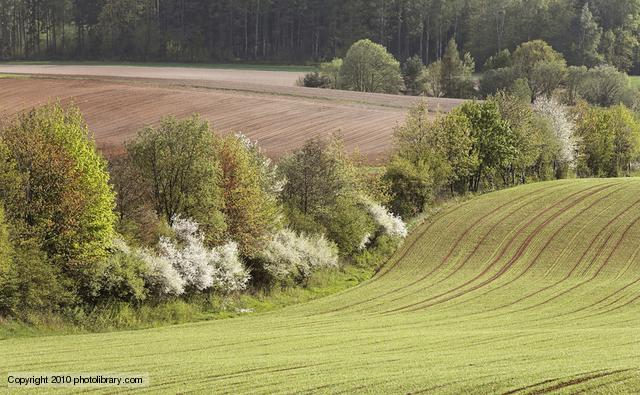
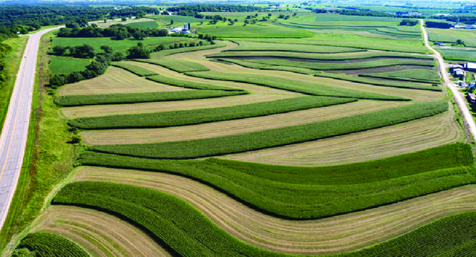
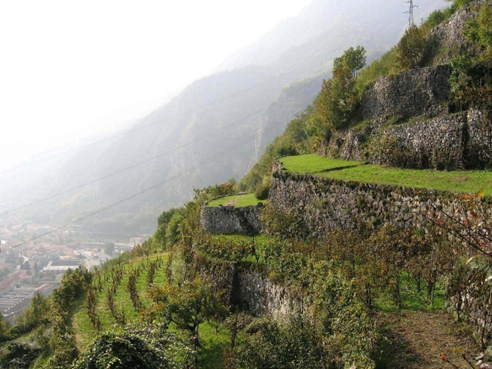
Traditional terraces consist of nearly level platforms built along contour lines of slopes, mostly sustained by stone walls, used for farming on hilly terrain. By reducing the effective slope of land, terracing can reduce erosion and surface run-off by slowing rainwater to a non-erosive velocity. This also increases the degree if...
Possible benefits with level
| Benefits | Level |
|---|---|
|
BP1 - Store runoff
|
High
|
|
BP2 - Slow runoff
|
High
|
|
BP10 - Reduce erosion and/or sediment delivery
|
High
|
|
ES7 - Flood risk reduction
|
Medium
|
|
ES8 - Erosion/sediment control
|
High
|
|
ES9 - Filtration of pollutants
|
Medium
|
|
ES11 - Aesthetic/cultural value
|
High
|
|
PO3 - Improving status of hydromorphology quality elements
|
Medium
|
|
PO7 - Prevent surface water status deterioration
|
Medium
|
|
PO9 - Take adequate and co-ordinated measures to reduce flood risks
|
High
|
|
PO11 - Better protection for ecosystems and more use of Green Infrastructure
|
Medium
|
|
PO12 - More sustainable agriculture and forestry
|
Medium
|
|
PO14 - Prevention of biodiversity loss
|
Medium
|
Case study(ies)