Summary
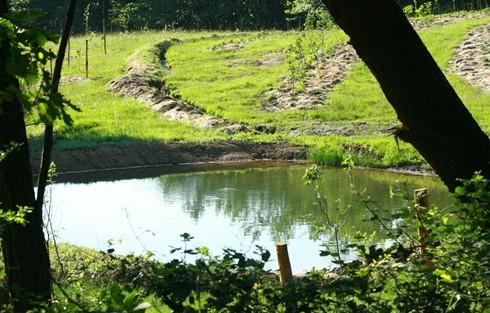
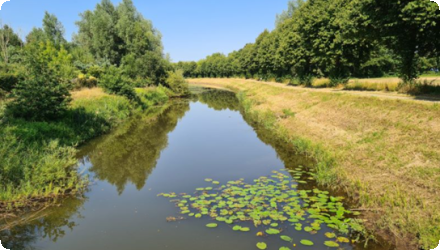
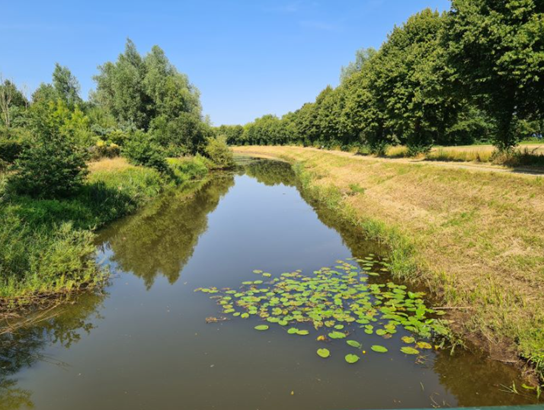
The case is in the Padrťské rybníky area on the Klabava stream, inside the Brdy Protected Landscape Area, Czechia. The site is part of the Natura 2000 EVL “Padrťsko”, designated for species including stone crayfish. Brdy PLA was established on 1 January 2016.
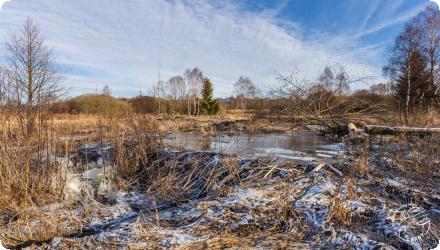
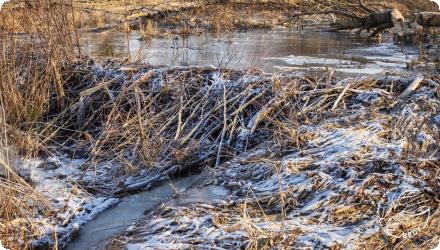
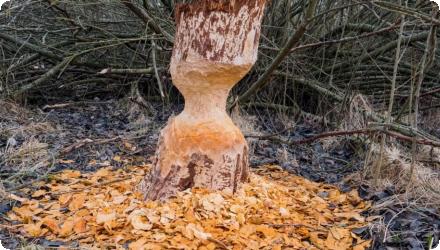
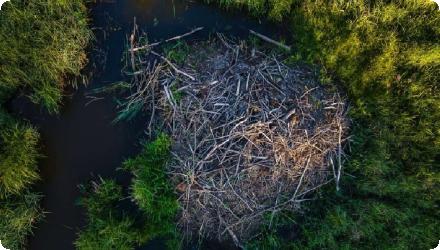
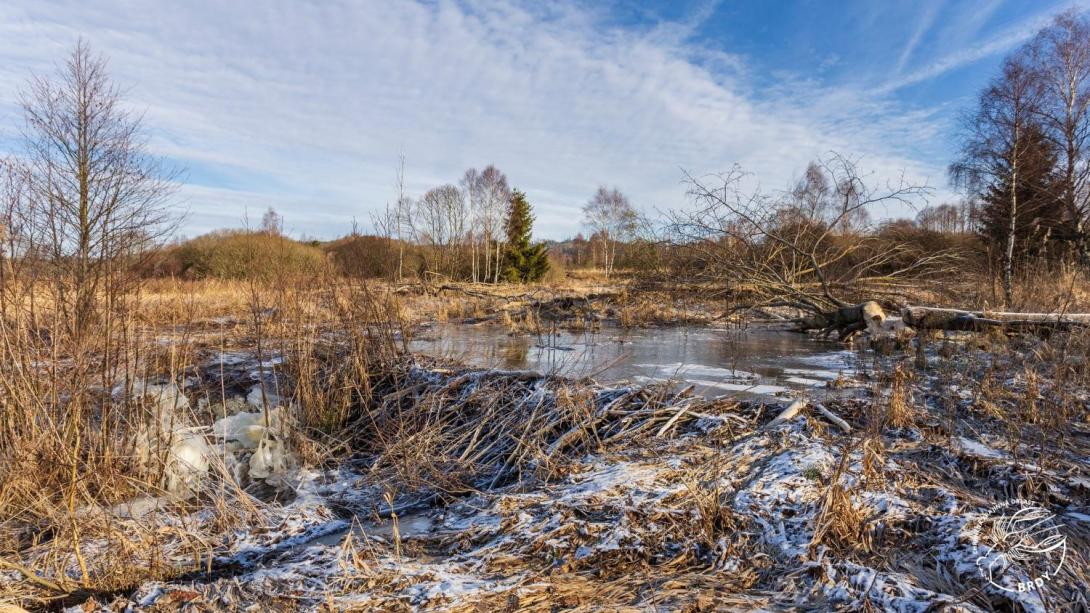
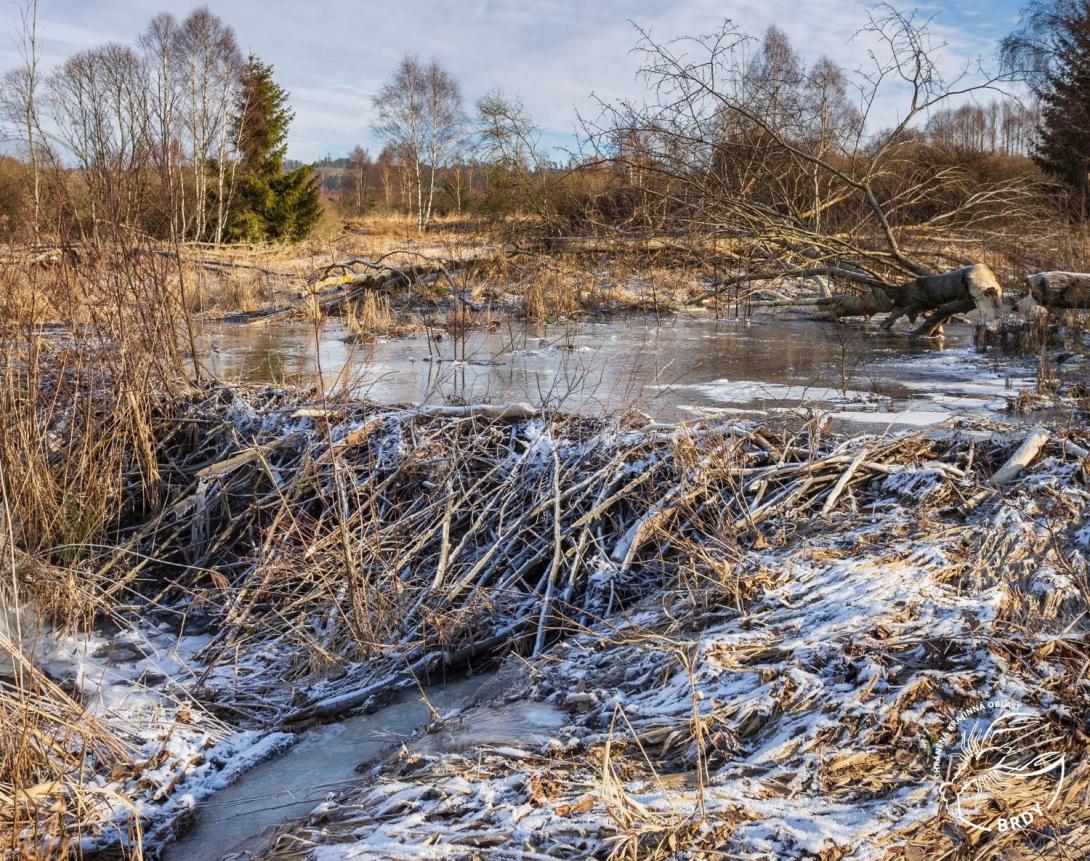
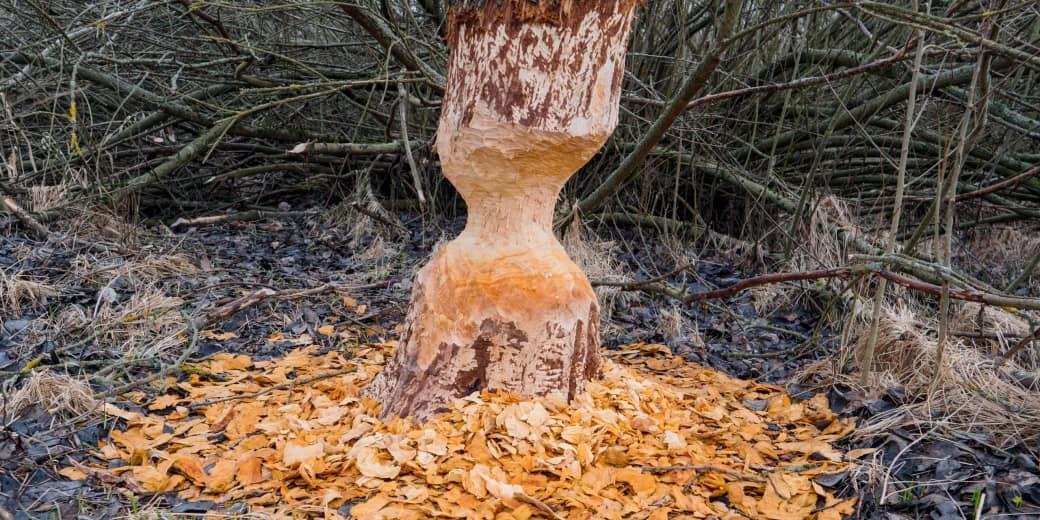
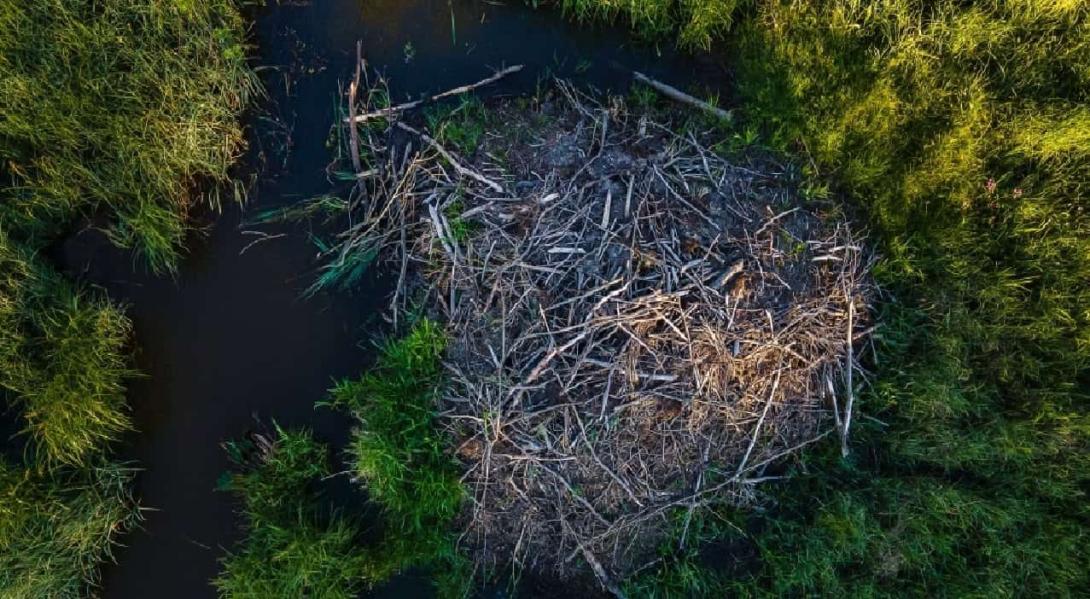
Beavers settled here around 2020. From 2021 they started building a cascade of dams below Dolejší Padrťský rybník, extending works again in 2024. Their activity restored wetland hydromorphology on a previously straightened reach and reconnected historical traces in the floodplain. A human-led revitalisation prepared for the same area became unnecessary. The state avoided roughly CZK 30 million.
Hydrological effects observed on site: clear water retention with attenuation of peak flows due to the pond cascade, and rewetting of the floodplain. Water retention enables sedimentation of fine particles, especially during pond drawdown, and shifts physico-chemical conditions, increasing nutrient status and pH. Biodiversity benefits include habitat gains for stone crayfish and ideal breeding conditions for common toads and frogs. Management reports regular site visits but no targeted beaver monitoring scheme. The setting is non-conflict, in a former military area without settlements or economic use.
After these outcomes, the site received exceptional international media exposure, widely reported as an emblematic example of nature-led wetland restoration and cost savings.
Last update
2025
Summary
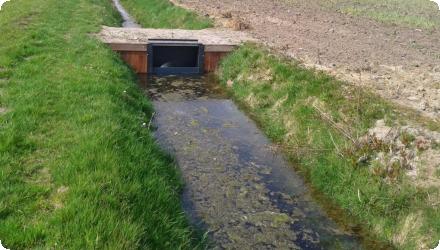
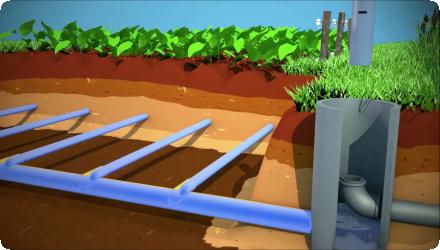
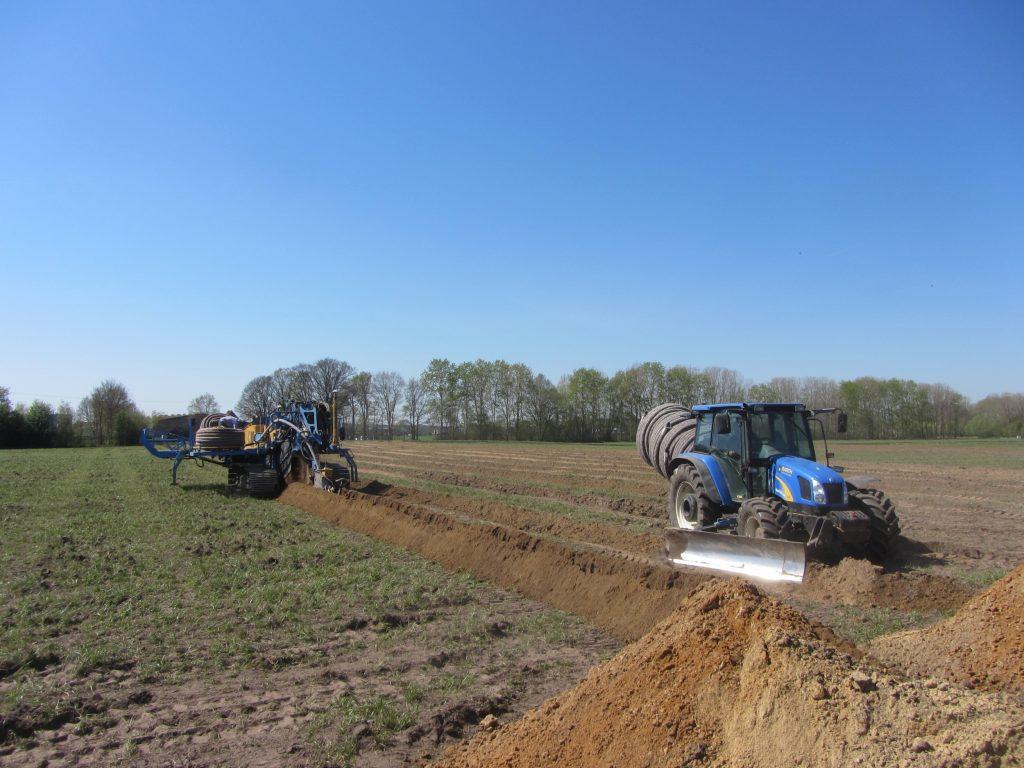
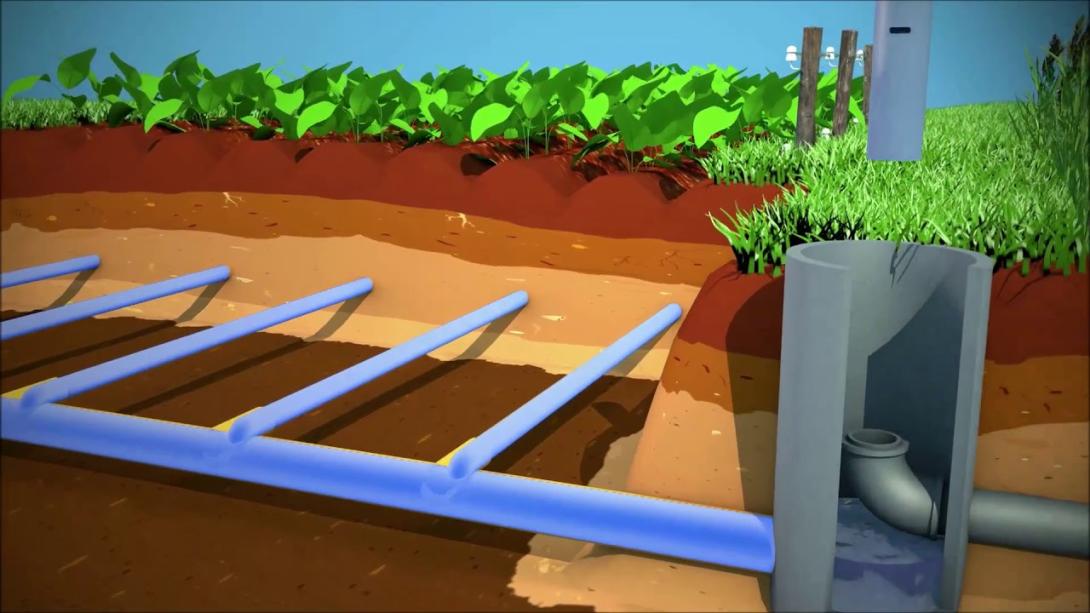
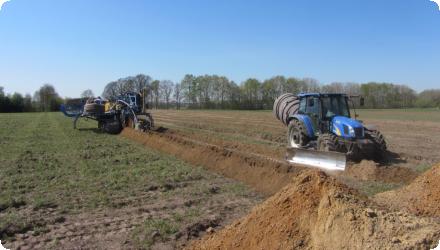
This case study documents applied research in Flanders that tested and scaled controlled drainage and simple adjustable weirs on arable land. The LEADER Drainage Plus pilot (2016 to 2019) converted nine parcels totalling 35 ha from conventional systems to level-controlled drainage, installing control pits and combining on-farm demonstrations with monitoring and modelling led with the Belgian Soil Service. The goal was to retain winter water in the root zone, reduce downstream peaks, and improve yields in a region facing summer drought and wetter winters. The project showed that, on suitable flat and permeable fields, controlled drainage increased crop growth, with income gains from about €100 up to several hundred euro per hectare depending on crop and year, and it triggered wider farmer uptake.
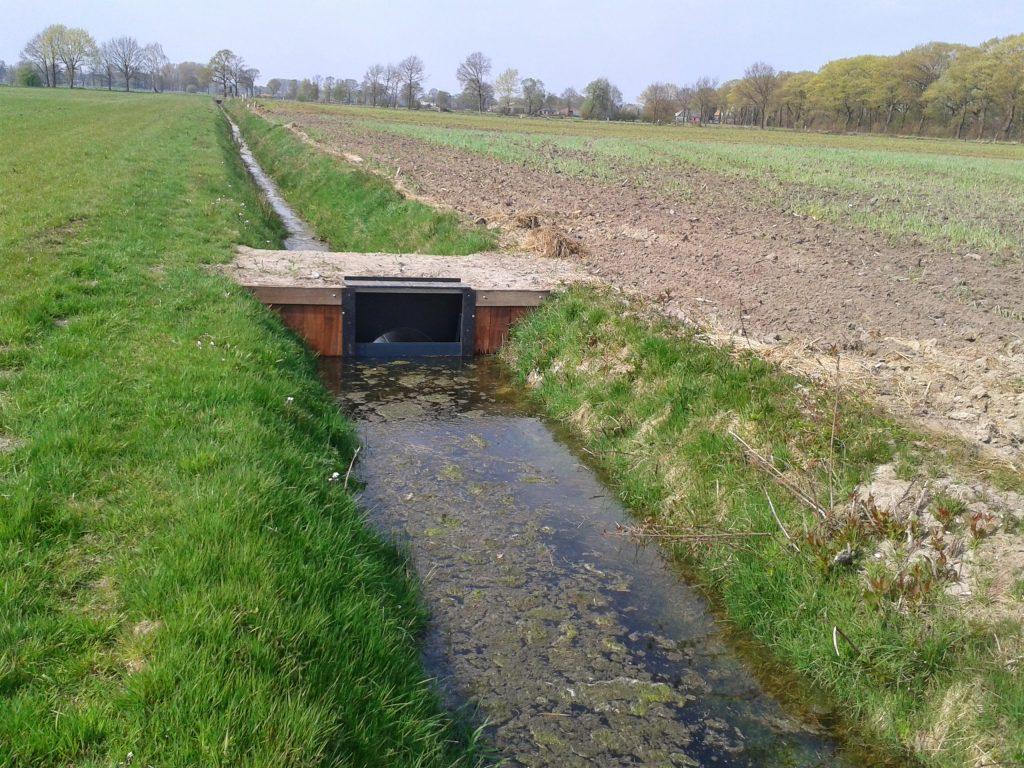
Follow-up regional work expanded monitoring and practical guidance (Van Landbouw tot Waterbouw) and OP-PEIL is mapping where conversion is technically and economically viable; weirs were promoted as fast, no-land-take devices to hold ditch water with siting criteria. Field rules of thumb were consolidated: a 10 cm groundwater rise can add roughly 30 to 35 mm evapotranspiration and about 1 t/ha dry matter; maize water stress can be postponed up to two weeks; indicative local storage is about 500 m³ per hectare. Barriers included permit complexity for each weir, costs and the legacy preference for fast evacuation. Typical costs reported are about €2,000 per hectare when reusing drains, about €4,500 per hectare for full renewal, and about €4,500 per weir. A major outcome was policy change: Flanders created a subsidy for controlled drainage (75 percent support up to €2,000 per hectare) and 100 percent subsidy for weirs with limited budgets, directly linked to the early pilots. Today the pilot is finished, follow-ups delivered monitoring and guidance, and conversions continue where site conditions and farmer motivation align.
Last update
2025
Summary
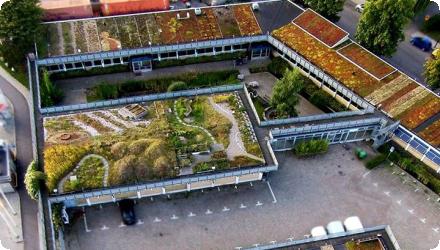
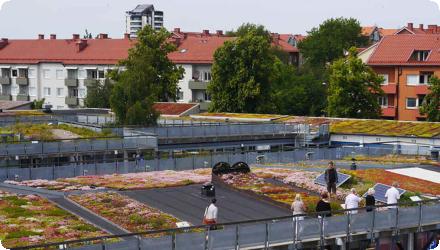
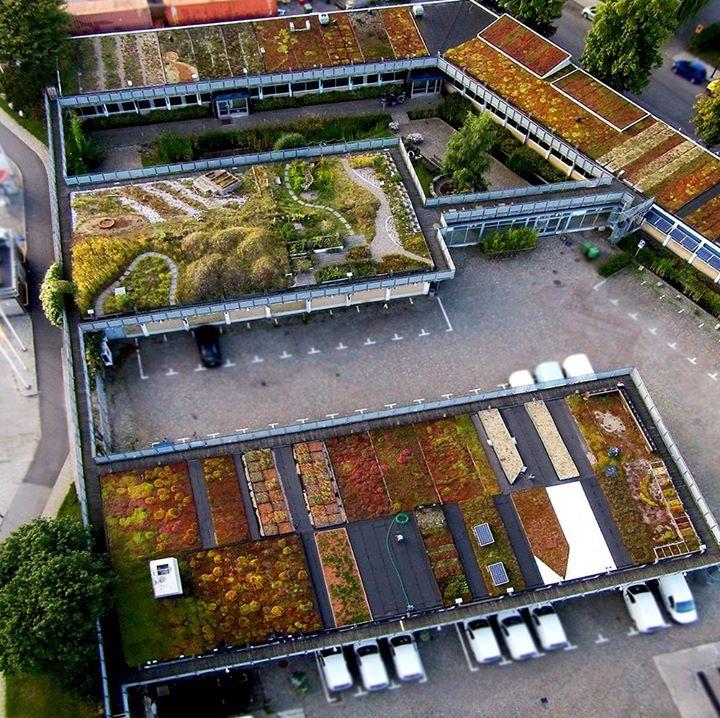
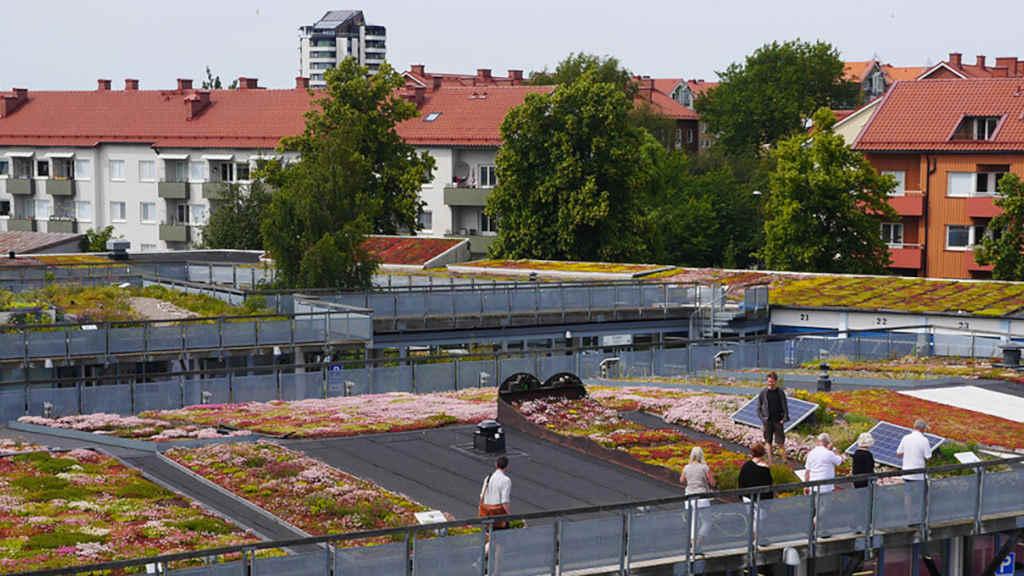
Augustenborg’s Botanical Roof Garden is a large, publicly accessible green roof complex built within the Eco-city Augustenborg regeneration in Malmö. It was created to reduce local flooding and to add green space and wellbeing benefits in a district facing social challenges. The City of Malmö led and funded the installation. The Scandinavian Green Roof Institute provided maintenance and outreach. SLU and Lund University carried out long-term monitoring.
About 9,500 m² of extensive roofs were implemented on buildings with low load capacity, following Agenda 21 principles for local stormwater management. The roof garden was tied to the wider Ekostaden programme alongside open stormwater elements at ground level.The botanical roof garden opened to the public in 2001 as part of the award-winning Eco-city Augustenborg project.
Hydrologic performance has been documented on thin sedum-moss systems typical of southern Sweden. Monthly water balance studies show much lower annual runoff than hard roofs due to evapotranspiration. Field capacity is about 9 mm. For peaks, a 1.5-year runoff corresponds to only a 0.4-year rain, indicating strong detention. At the district scale, the regeneration report states that green roofs intercept roughly half of total annual runoff.
Vegetation studies on similar Malmö-region roofs found sedum dominance and limited spontaneous diversity in unfertilised thin systems. Over 2 to 22 years, substrates accumulate nitrogen, with estimated gains around 2.9 g N/m²/yr, while plant biomass and diversity remain broadly stable.
Governance and financing sat with the City of Malmö, complemented by national funds, LIFE and research councils. Community discussions accompanied the broader open stormwater redevelopment, with some concerns about space use and perceived costs. A local assessment notes costs were not higher than rebuilding underground drainage, though operating costs can be higher and co-benefits are hard to monetise.
Today, formal maintenance is very limited and the roof garden project itself is reported as closed, while research on Augustenborg-type roofs continues through universities.
Last update
2025
Summary
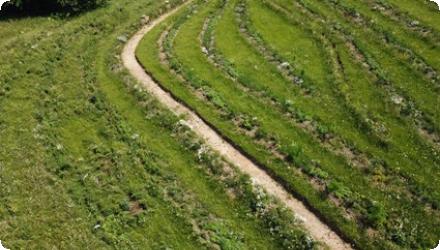
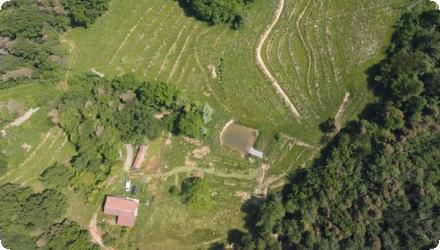
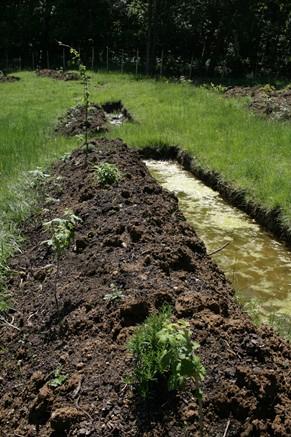
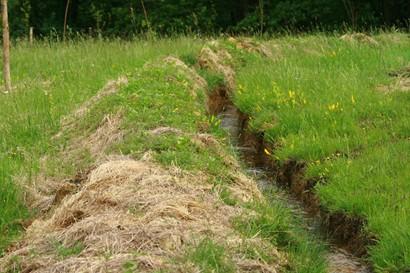
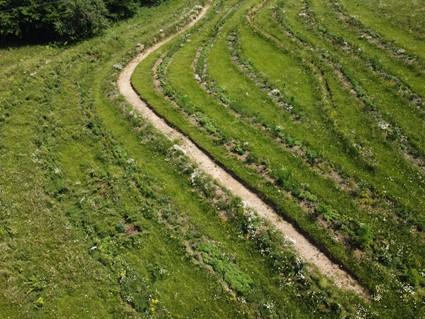
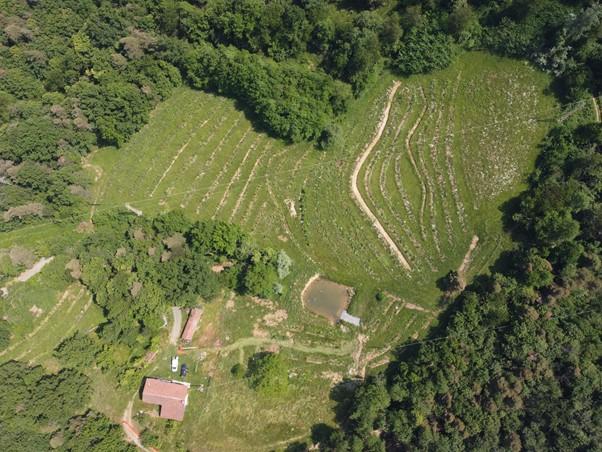
This project is a permaculture-based regenerative agroecological farm and agritourism initiative located in Cairo Montenotte, Italy. It integrates syntropic planting, swales, and keyline water management to create a resilient, productive farm that harmonizes with the natural Mediterranean mountain environment. The design focuses on water infiltration, soil fertility, biodiversity enhancement, and establishing a low-stress, small-scale business producing organic food and offering educational workshops.
Last update
2025
Summary
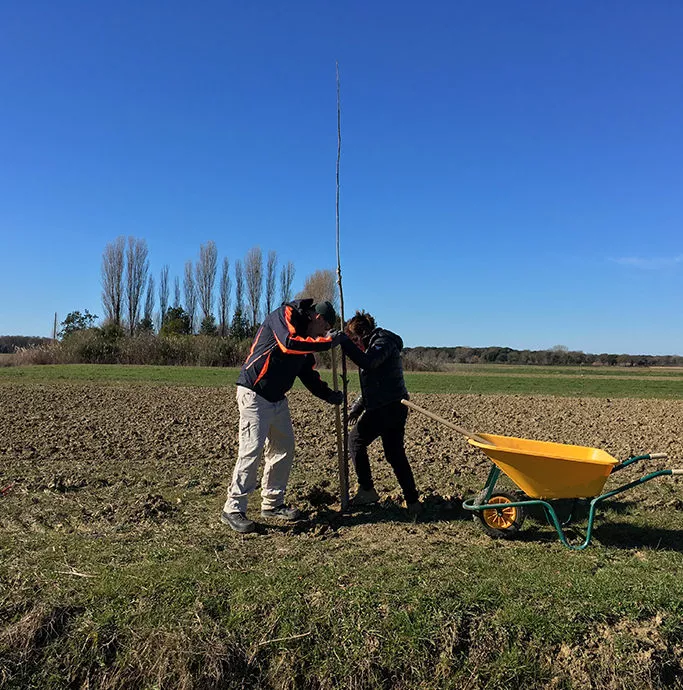
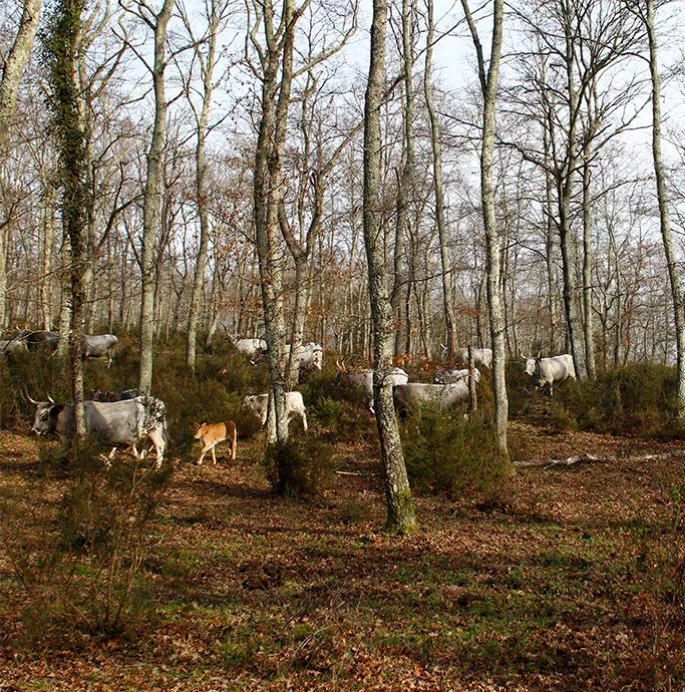
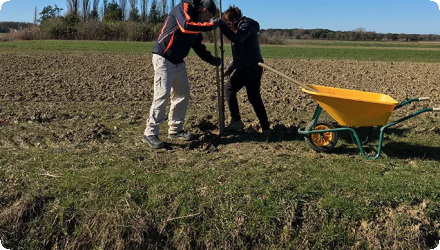
Agroforestry in Tuscany links farm practice and research to build climate resilience. Two complementary trial sites show how trees, crops and livestock are combined under AGROMIX and the regional GO NEWTON network. At Tenuta di Paganico (Grosseto), a silvopastoral system uses tree shade to buffer Mediterranean heat. Monitoring tracks animal behaviour, heat load, performance and hair cortisol. Results show clear summer benefits: cattle in shaded paddocks maintain average daily gain and lower heat stress, while in spring differences fade when thermal stress is low. At Arnino (CiRAA, Pisa), silvoarable alley cropping tests tree rows within rotations to improve soil fertility, biodiversity and carbon. Measurements cover yields, soils, weeds, microclimate and plant water status, building a long-term evidence base.

Design choices focus on tree density, windbreaks and machinery access, with practical challenges such as wildlife pressure and tree protection. Funding combines H2020 AGROMIX and the Tuscan rural programme; governance relies on a living-lab approach with farmers, universities and regional partners. Outreach includes demos and an Agroforestry School. Expected hydrological co-benefits are higher infiltration and soil moisture retention, supporting drought adaptation. The case shows that shade delivers fast welfare gains in hot summers, while soil and carbon benefits require time, making agroforestry a robust path for Mediterranean farms.
Last update
2025
Summary
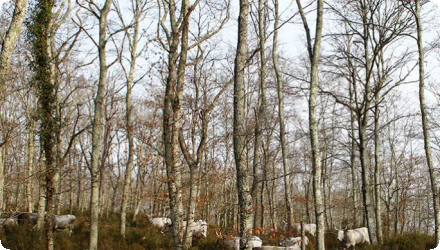
The Aa of Weerijs pilot tests how Nature-based Solutions can build drought resilience in a flat, sandy catchment between Flanders and Noord-Brabant. Led by IHE Delft within the EIFFEL H2020 program from 2021 to 2024, partners include Open University, the Province of Noord-Brabant and Water Board Brabantse Delta. The team co-designed a decision-support web app to compare options and support planning.

Models combine GEOSS and local datasets with KNMI’23 climate scenarios. KPIs track surface water availability, groundwater availability and soil moisture. Provincial opportunity maps and green-blue policy zones steer siting where benefits and feasibility align.

The strategies assessed cover ditch blocking, infiltration ponds, wetland restoration, heathland restoration, brook bed barriers and tree planting. Results indicate the strongest gains for groundwater and soil moisture from ditch blocking, infiltration ponds and heathland restoration. Wetland restoration and brook bed barriers show mixed performance across subareas. Tree planting often reduces drought indicators in some locations due to higher evapotranspiration.

Outputs include prioritised maps, combined strategies aligned with policy zones and agricultural areas, and a transparent web interface used in workshops. No physical works were built within the project window. The package readies local actors for investment and monitoring. The pilot links WFD objectives with provincial nature and water policies, including the Nature Management Plan and Green-Blue values layer, to scale NBS where they deliver multiple benefits. Cross-border hydrological controls, canalised networks and competing water uses remain constraints. Key lesson: in sandy lowland basins, infiltration-focused measures outperform planting for hydrological drought resilience. The toolset persists beyond the grant to support implementation and monitoring.
Last update
2025