Completed

Summary
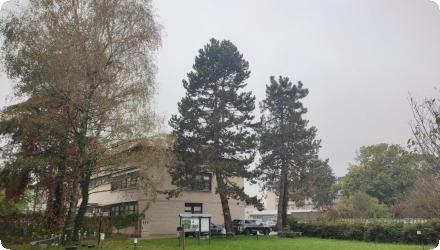
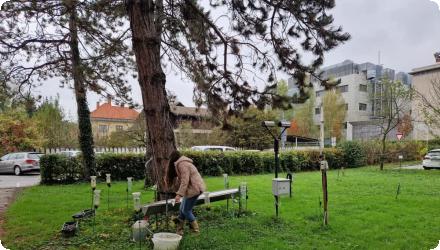
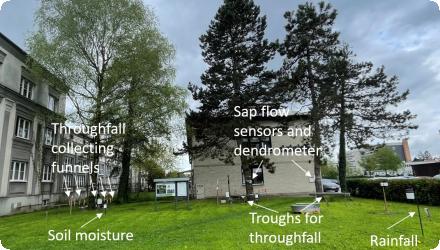
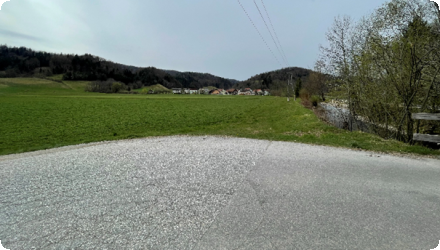
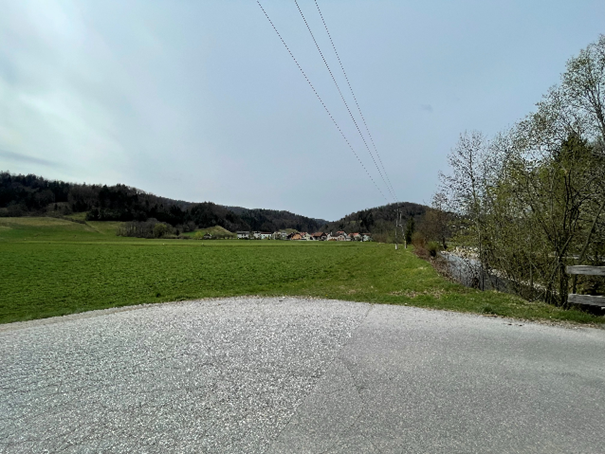
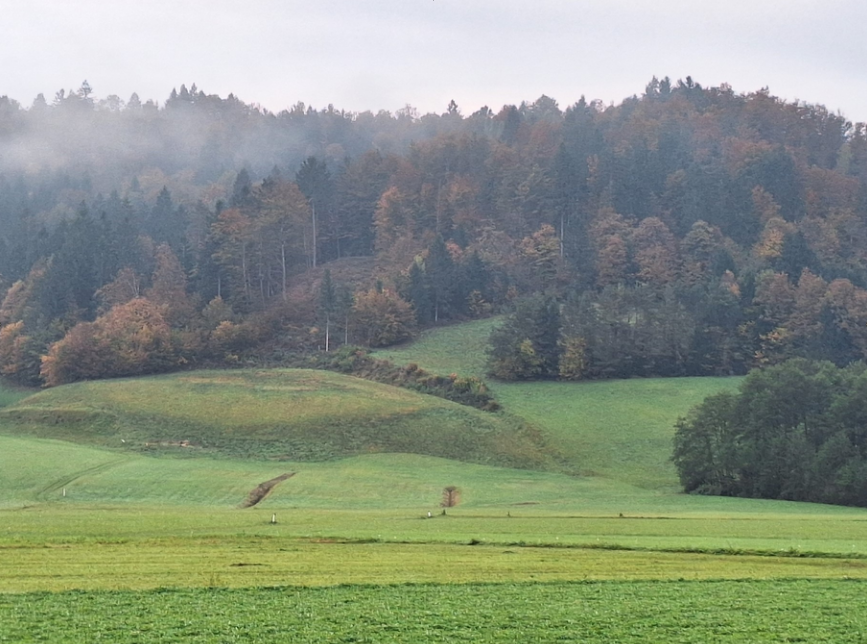
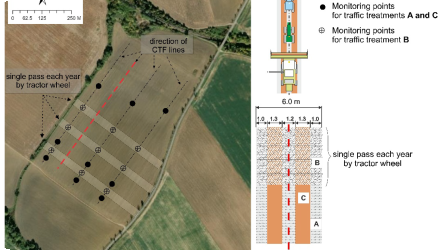
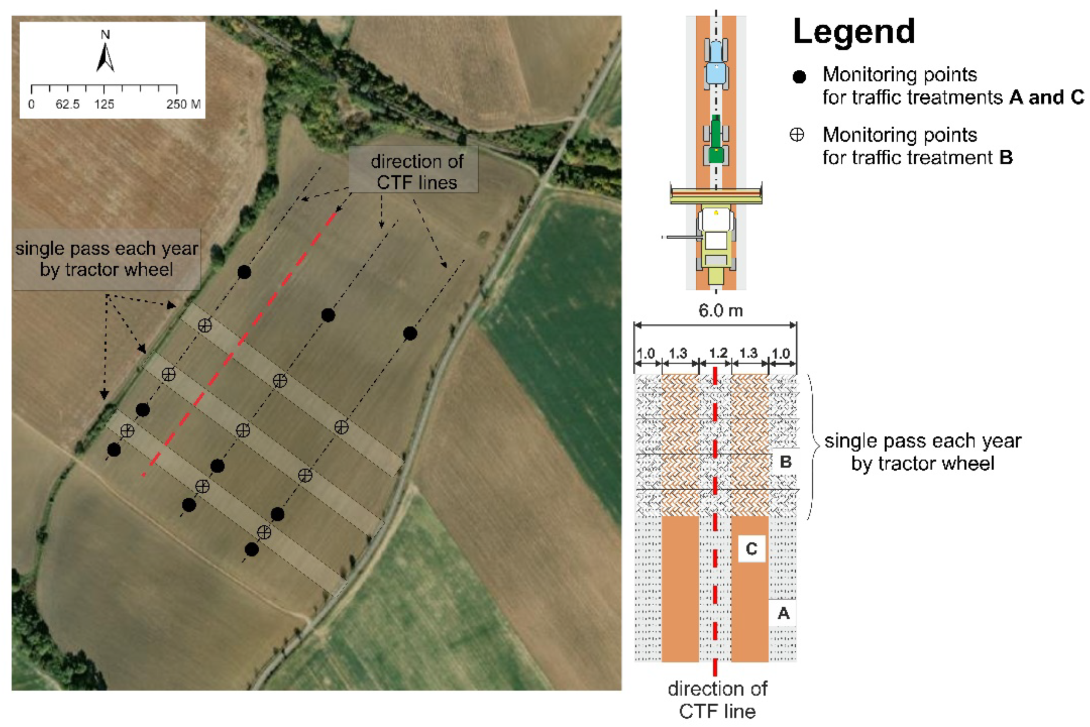
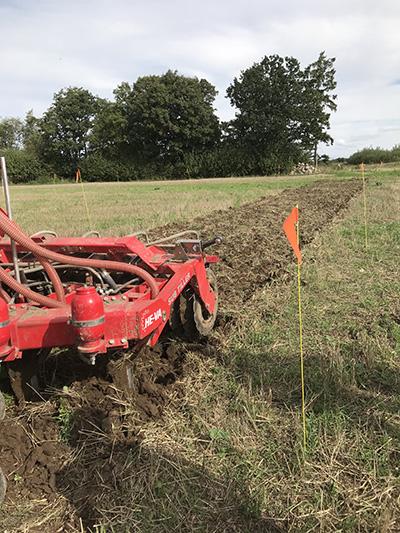
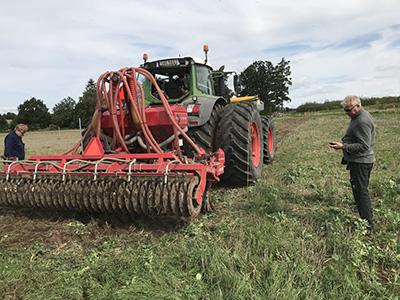
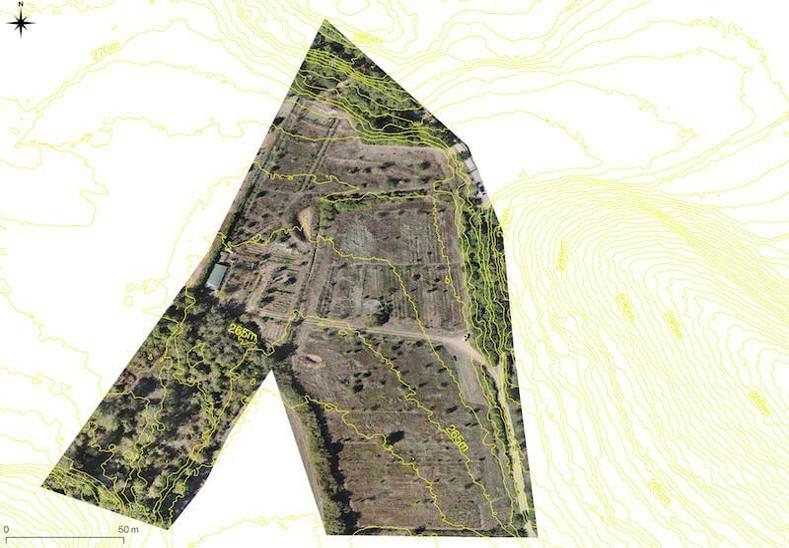
This case study documents a long-term Controlled Traffic Farming (CTF) experiment on a 16 ha steep arable field operated by the Slovak University of Agriculture near Kolíňany, Nitra Region, Western Slovakia. CTF was introduced in 2009 and the field-scale layout was established in 2010 using a 6 m machinery module with permanent tramlines. The design confines wheel traffic to fixed lanes so that about half the field remains traffic-free. Slopes are mostly 3 to 7 % on silt-loam soils in a continental climate.
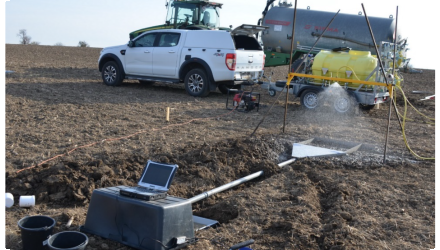
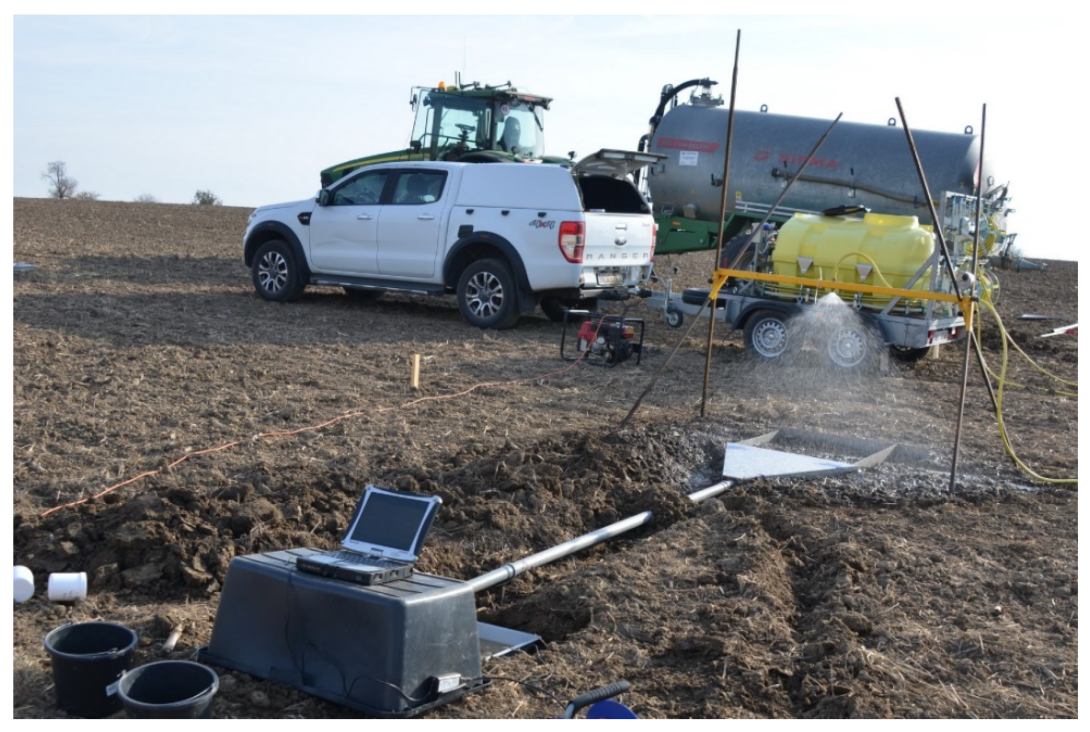
The objective was to test whether confining traffic reduces rainfall-induced runoff and soil loss under Central European conditions. The team combined erosion risk mapping using USLE and RUSLE with targeted field measurements. In 2021 they used a rainfall simulator on three locations representing different traffic intensities. They also assessed soil physical condition using a cone penetrometer.

Results show that the no-traffic area showed the lowest runoff, with runoff intensity after 20 min about ten times lower than in the multiple-traffic area. Total sediment collected after 35 minutes was about 70 % lower in no-traffic than in single-pass, and only a quarter of the multiple-pass loss. Across the 16 ha field, modelling indicated that roughly 30 % of the area has a potential annual soil loss of 5 to 15 t ha⁻¹, which aligns with Slovak regulatory thresholds. The traffic-free strips consistently exhibited better structure and infiltration, confirming the mechanism behind reduced runoff.

Implementation factors that supported performance include permanent tramlines perpendicular to slope, a consistent 6 m module, and continuity of the layout over more than a decade. The study also notes that European adoption often follows a tiered pathway, from low-cost layout conversion using existing machinery to wider modules that require equipment changes. While detailed costs for this site are not provided, prior European analyses show potential payback from yield and tillage savings as systems scale. Overall, the case provides robust, Central Europe-specific evidence that CTF can substantially reduce runoff and soil loss on sloping cropland when tramlines are maintained and operations are aligned to the layout.
Last update
2025
Summary
At Orup in Skåne, Sweden, SoilCare tested whether loosening a naturally compacted subsoil could improve rooting and yields. The site is a silty sand with high subsoil bulk density and roots seldom below 30 cm. The trial compared three treatments implemented once in autumn 2018: standard practice, subsoiling to the upper subsoil, and subsoiling with straw pellets injected into the 24 to 35 cm layer. A randomized block design with four replicates and 6 × 20 m plots was used. Winter wheat grew in 2019 and sugar beet in 2020. Measurements covered the volume of subsoil affected, root counts by depth, penetration resistance with a 2.5 MPa root-limiting threshold, bulk density and coarse fragments, soil C, N and pH in top- and subsoil, and yields.

Mechanical loosening created distinct subsoil rows. Only 38 to 45 percent of the upper subsoil volume was affected. Straw pellets settled at the bottom of loosened rows rather than mixing. Even so, rooting improved. Maximum rooting depth reached about 35 cm with subsoiling plus straw, compared to about 27 cm in the control. Penetration into the compacted layer increased from roughly 4 cm in the control to about 11 cm with loosening treatments. Despite better rooting, grain and beet yields did not differ significantly at whole-plot scale over two seasons. When results were adjusted for the fraction of subsoil actually affected by the strips, relative yields increased compared to the control.

Stakeholders judged the approach plausible and were interested in learning more, but highlighted barriers. Injecting large amounts of organic material is technically demanding and costly. Advisory capacity and subsidy flexibility matter for adoption. The short-term conclusion is pragmatic. Subsoiling, with or without straw pellets, improved rooting in a naturally compacted subsoil but did not deliver short-term yield gains. Longer-term, repeated treatments, alternative organic materials and multi-site testing are needed to understand agronomic and hydrological benefits.
Last update
2025
Summary
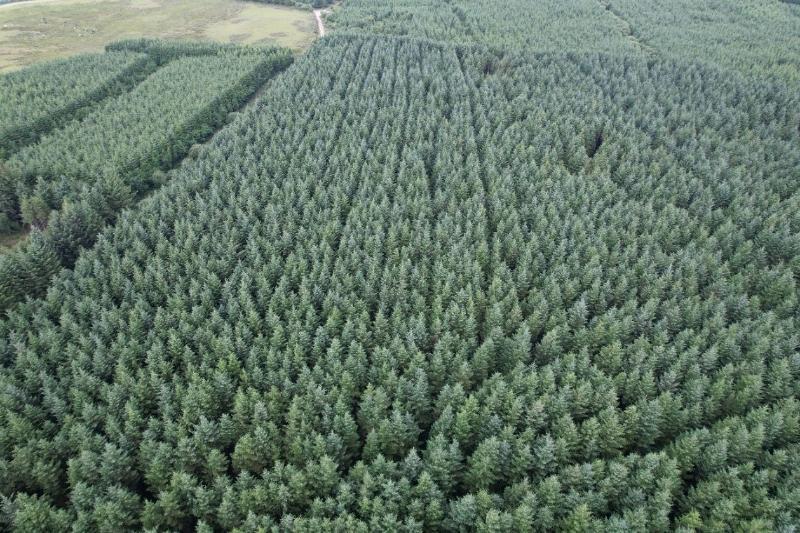
Ireland is testing a practical pathway to move even-aged Sitka spruce away from clearfell toward Continuous Cover Forestry. ContinuFOR is a four-year collaboration led by UCD with Teagasc and Maynooth University, designed to quantify the synergies and trade-offs of this shift for timber, biodiversity, carbon and resilience. It builds on a decade of Irish work and is funded by the Department of Agriculture, Food and the Marine.
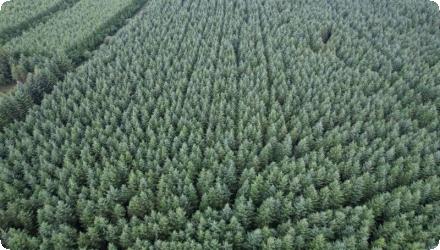
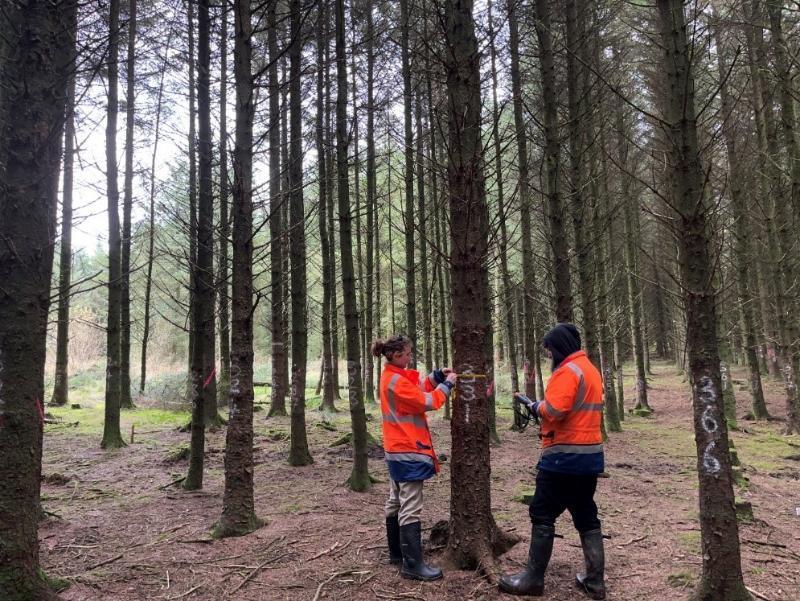
The project uses two long-term trial forests at Ballycullen, County Wicklow, and Fossy Hill, County Laois. These sites were first established under the LISS project, then advanced in the replicated TranSSFor experiment. Each site was divided into blocks and 50 × 50 m plots where three thinning pathways were randomly assigned and compared. The reference is Low thinning. Two transformation options are tested: Crown thinning that selects and releases quality “Q-trees”, and Graduated Density Thinning that opens the canopy more strongly near racks to create heterogeneous structure and regeneration opportunities.
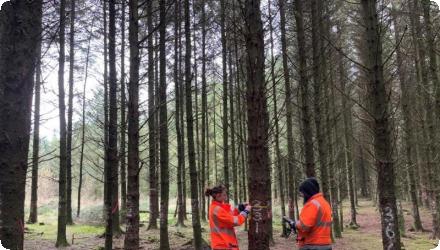
By 2023 both sites had reached a fourth thinning, using marked extraction racks, mechanised harvesting and repeated measurements to track growth, stability, wood quality and regeneration. Field updates confirm the partnership with FERS Ltd for modelling and the continuing emphasis on knowledge transfer.
ContinuFOR operates within a national policy context that now provides practical support to owners who choose CCF. Under the Woodland Improvement Scheme 2023–2027, Element 3 offers fixed per-hectare grants for three CCF interventions and a Payment for Ecosystem Services premium when a CCF management plan is followed. The scheme acts as the scaling pathway from research plots to wider adoption.
Practice examples such as the Dunranhill case in County Wicklow illustrate how regular small harvests, careful timing and protection of regeneration can deliver transformation while maintaining cover. These lessons feed back into the project’s guidance and outreach.
Last update
2025
Summary
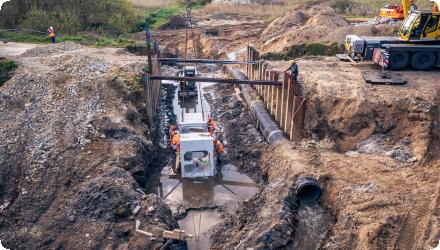
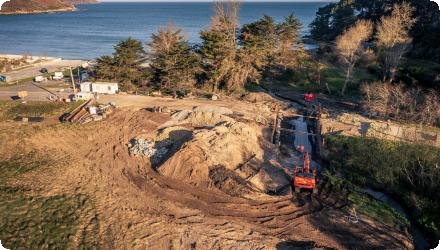
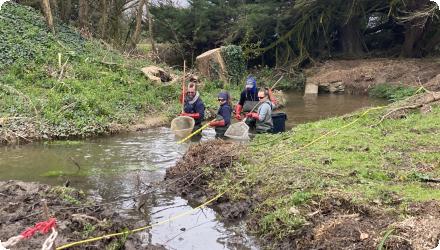
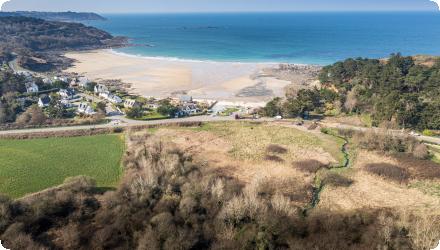
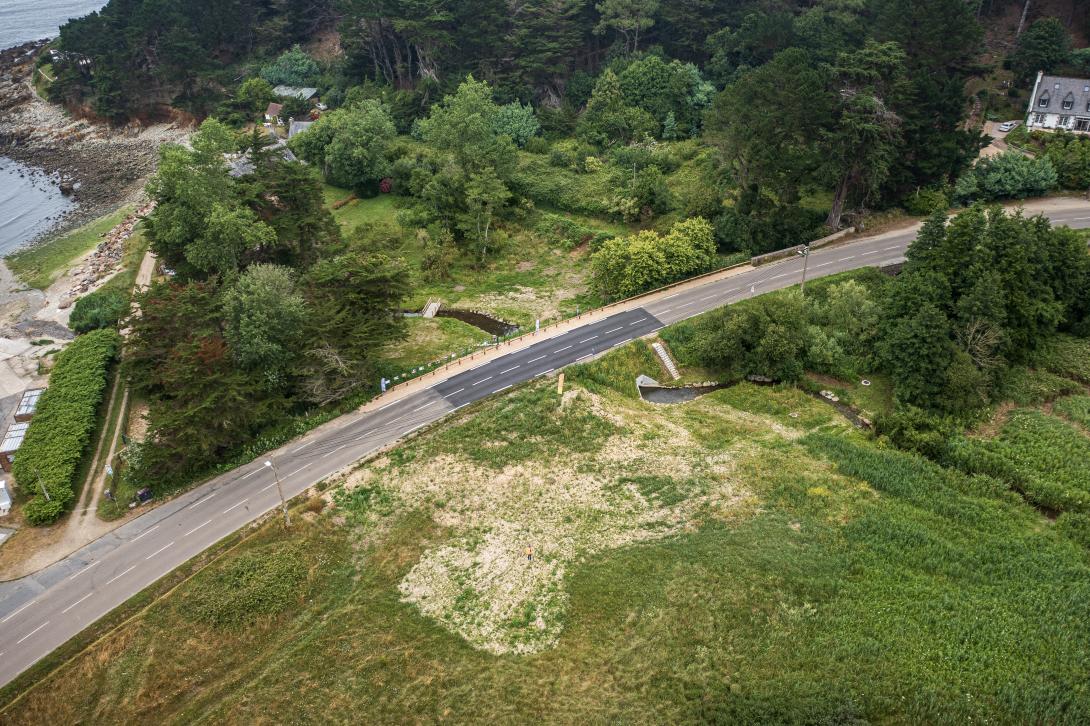
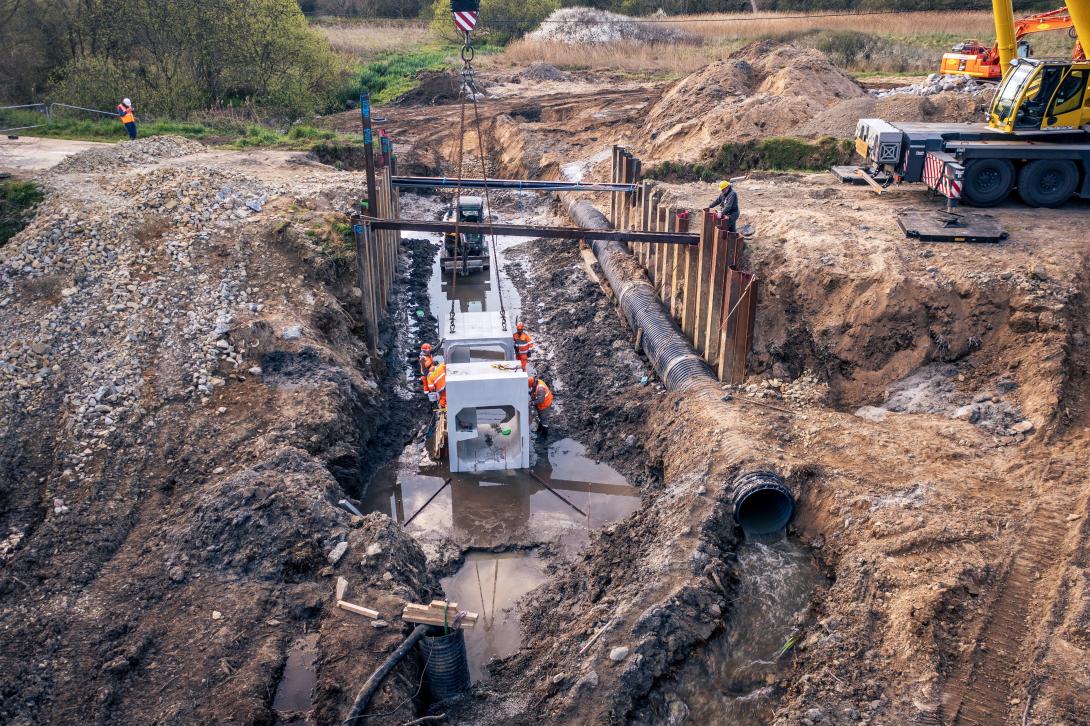
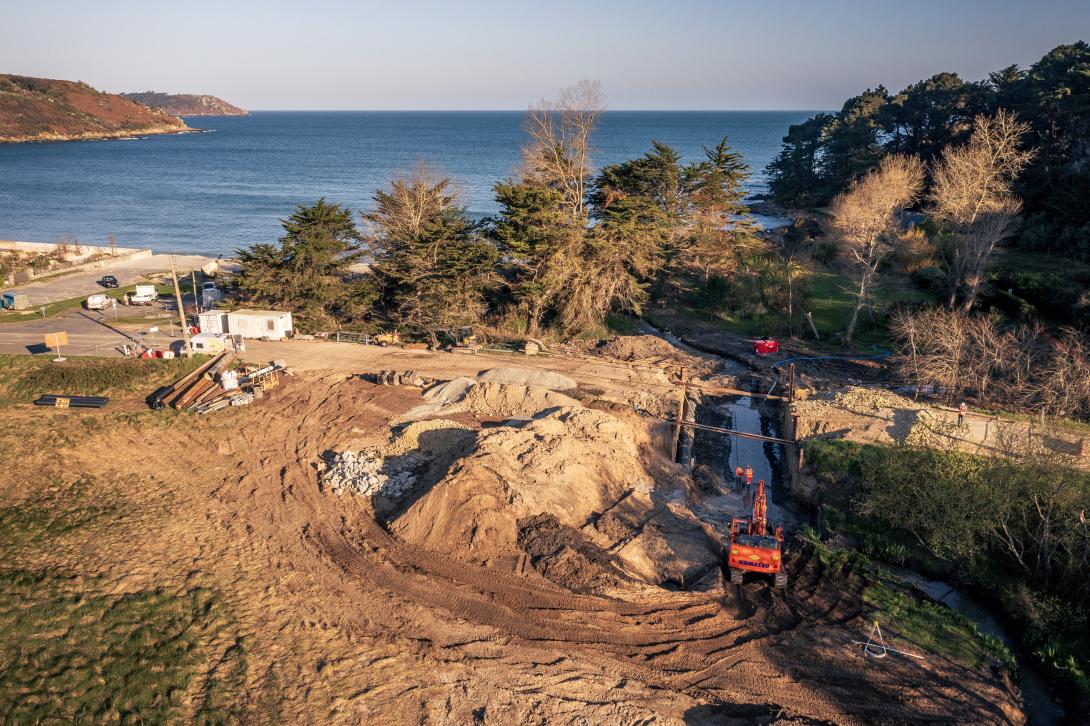
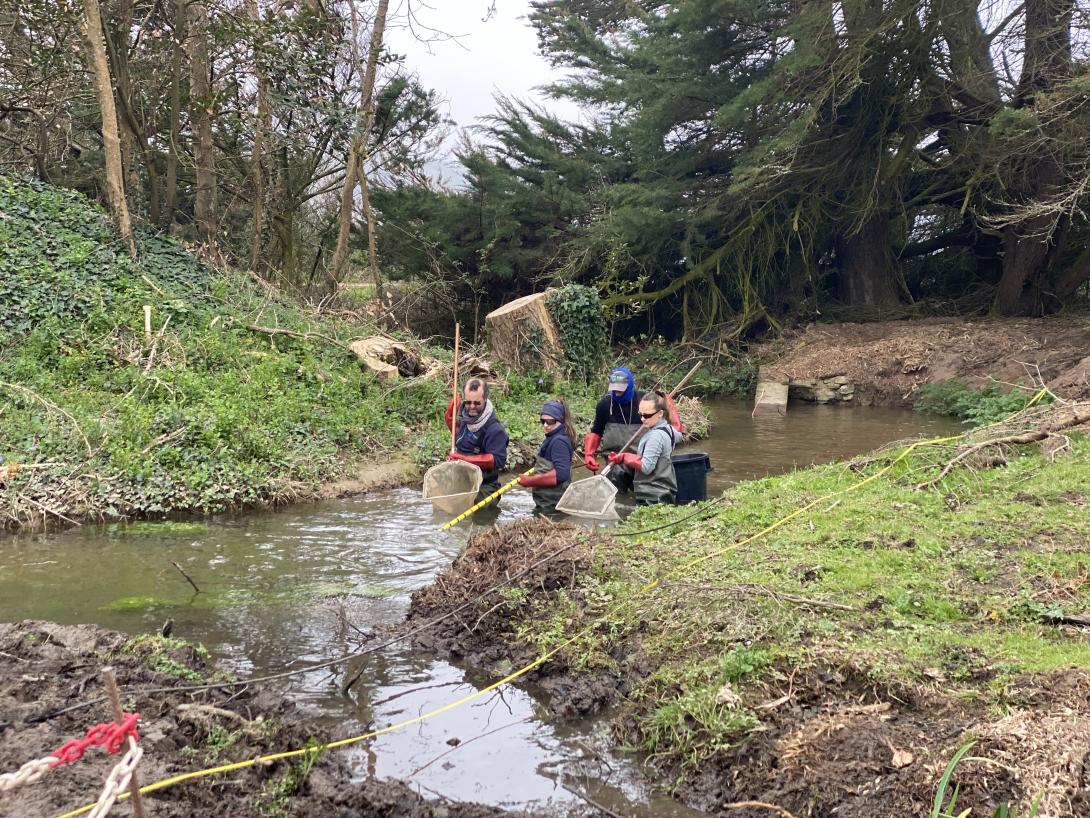
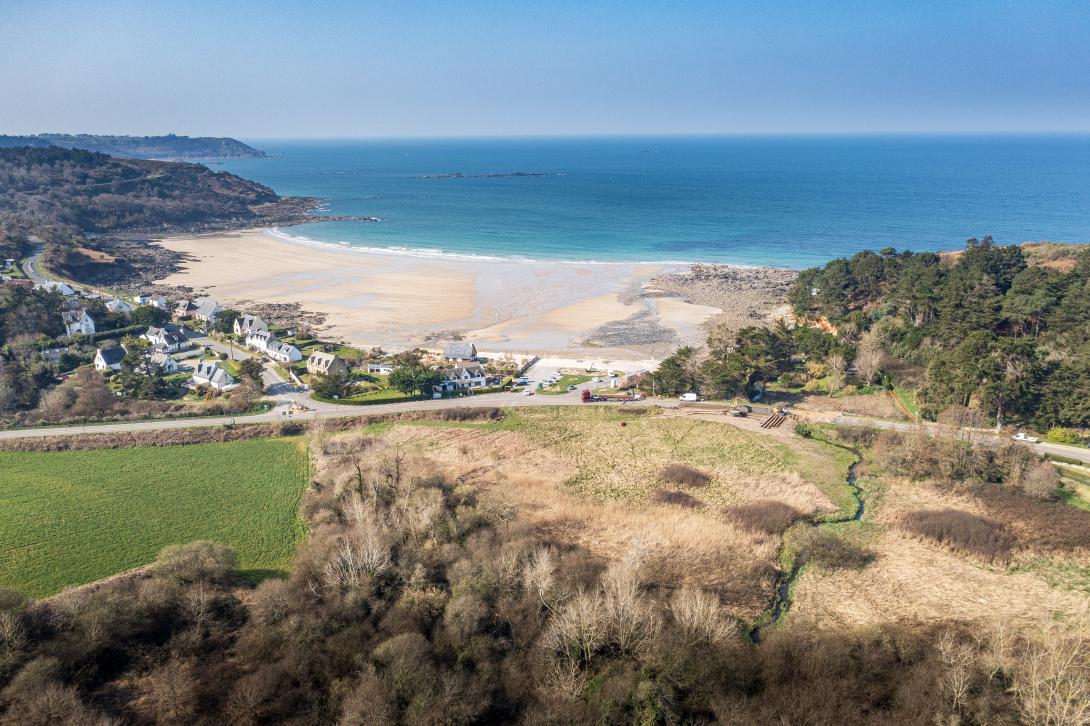
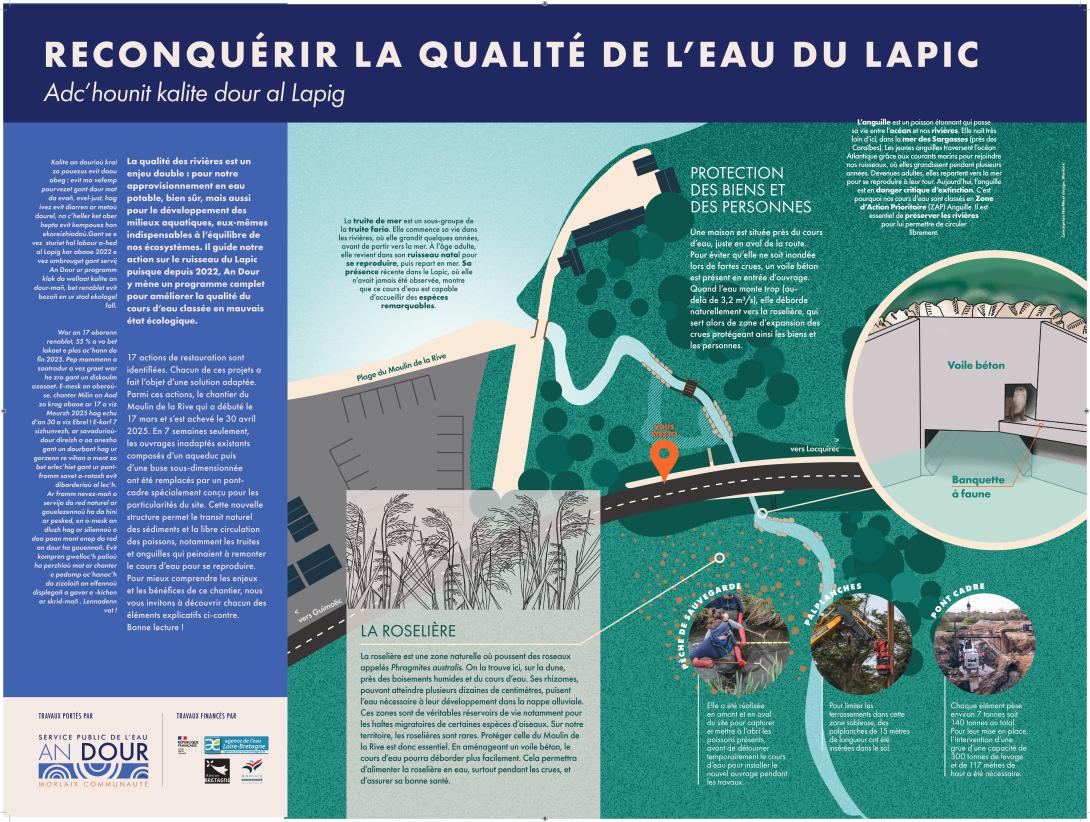
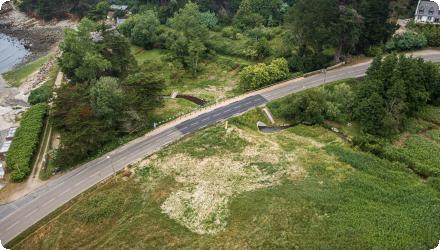
At Locquirec’s Moulin de la Rive, the old aqueduct and undersized culvert on the Lapic blocked fish migration and sediment transport and created a drop that proved impassable, despite the site being a priority action zone for eel and sea trout. Rescue electrofishing during works confirmed the barrier effect, with far fewer eels and trout upstream than downstream. The project replaced the structure with a 20 m precast frame bridge set 60 cm lower than the former invert, restored a more natural bed with stone and blocks, and added a concrete control wall at the inlet so that high flows can safely spill into the upstream wetland reedbed. The design also integrates a faunal shelf for mammals and bat roosting blocks under the deck, and it secured vulnerable sewer lines that lay near the channel bed. Implementation required careful coordination around numerous underground utilities and a tight spring window to avoid the summer tourism season, combined with strong, proactive communication with residents, surfers and local associations. Traffic on RD64 was diverted from 17 March, and the route reopened ahead of schedule on 30 April 2025. Funding came from Agence de l’Eau Loire-Bretagne, Région Bretagne and Morlaix Communauté. Early observations show fish passage working, otter prints upstream and downstream, macrophyte recovery and rapid revegetation of disturbed zones. The project contributes to WFD ecological continuity targets in a basin facing multiple pressures, including agricultural pollution, hydrocarbons from runoff and intensive anthropogenic footprint.
Last update
2025
Summary
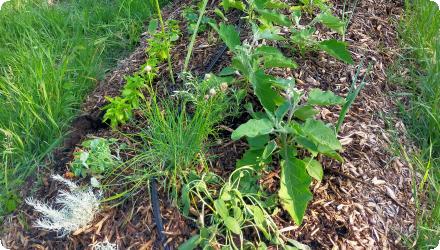
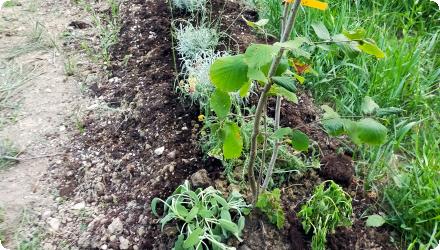
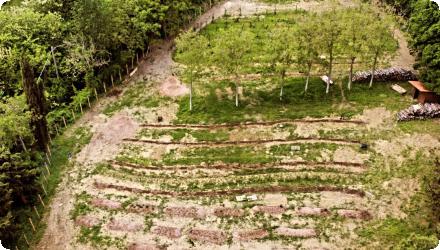
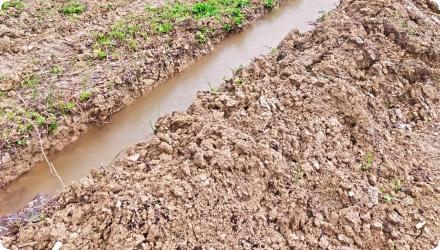
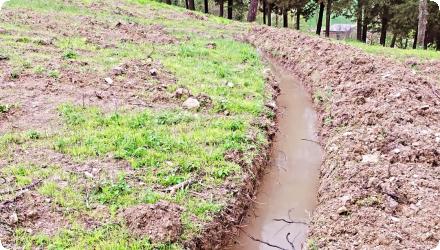
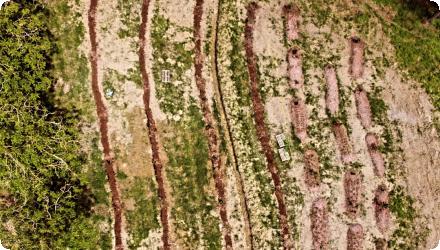
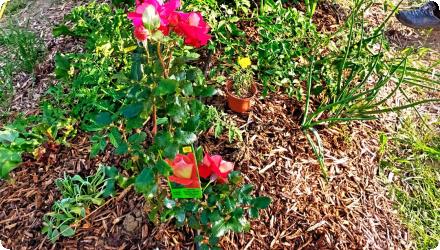
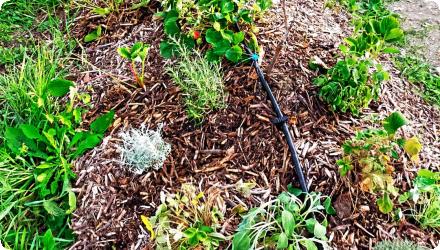
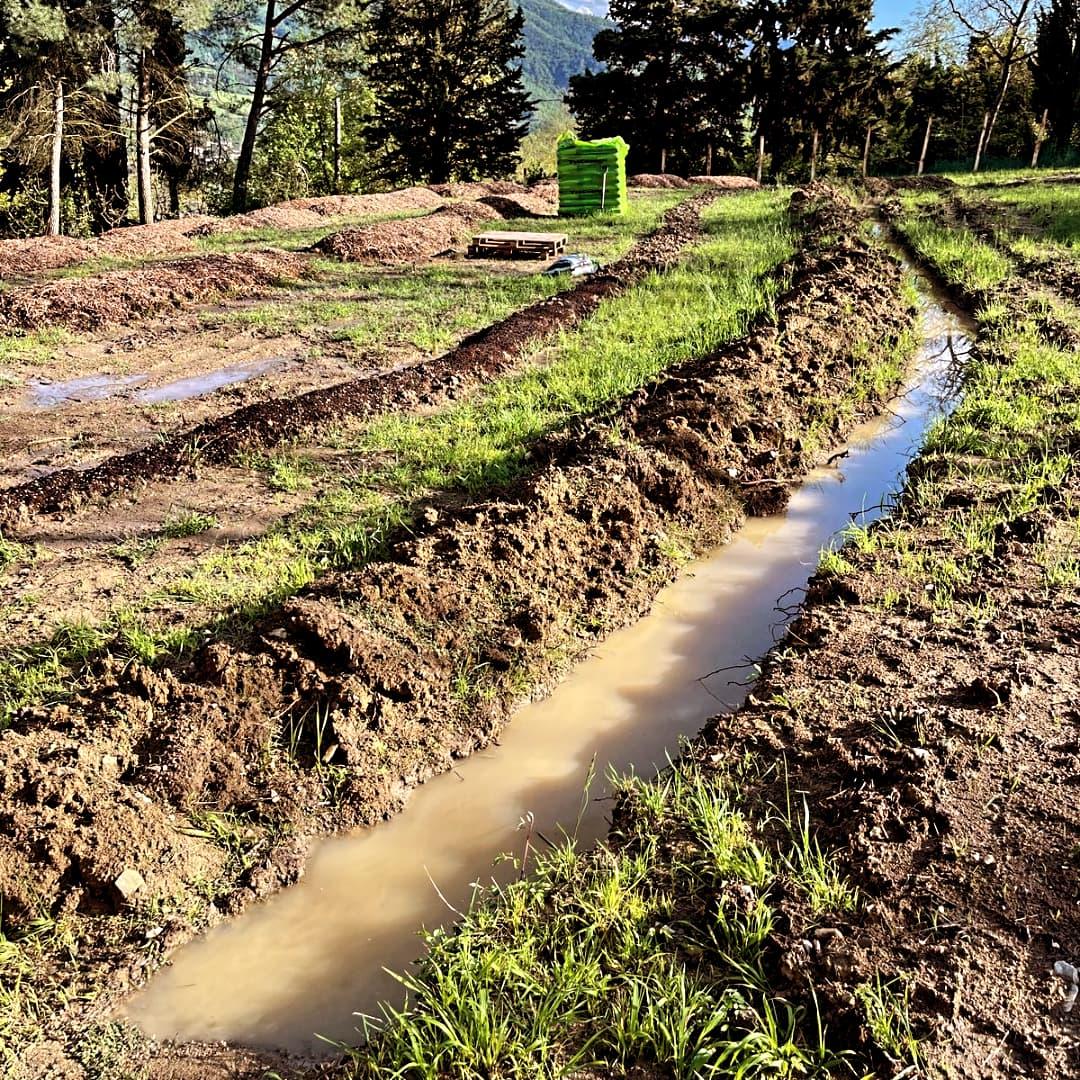
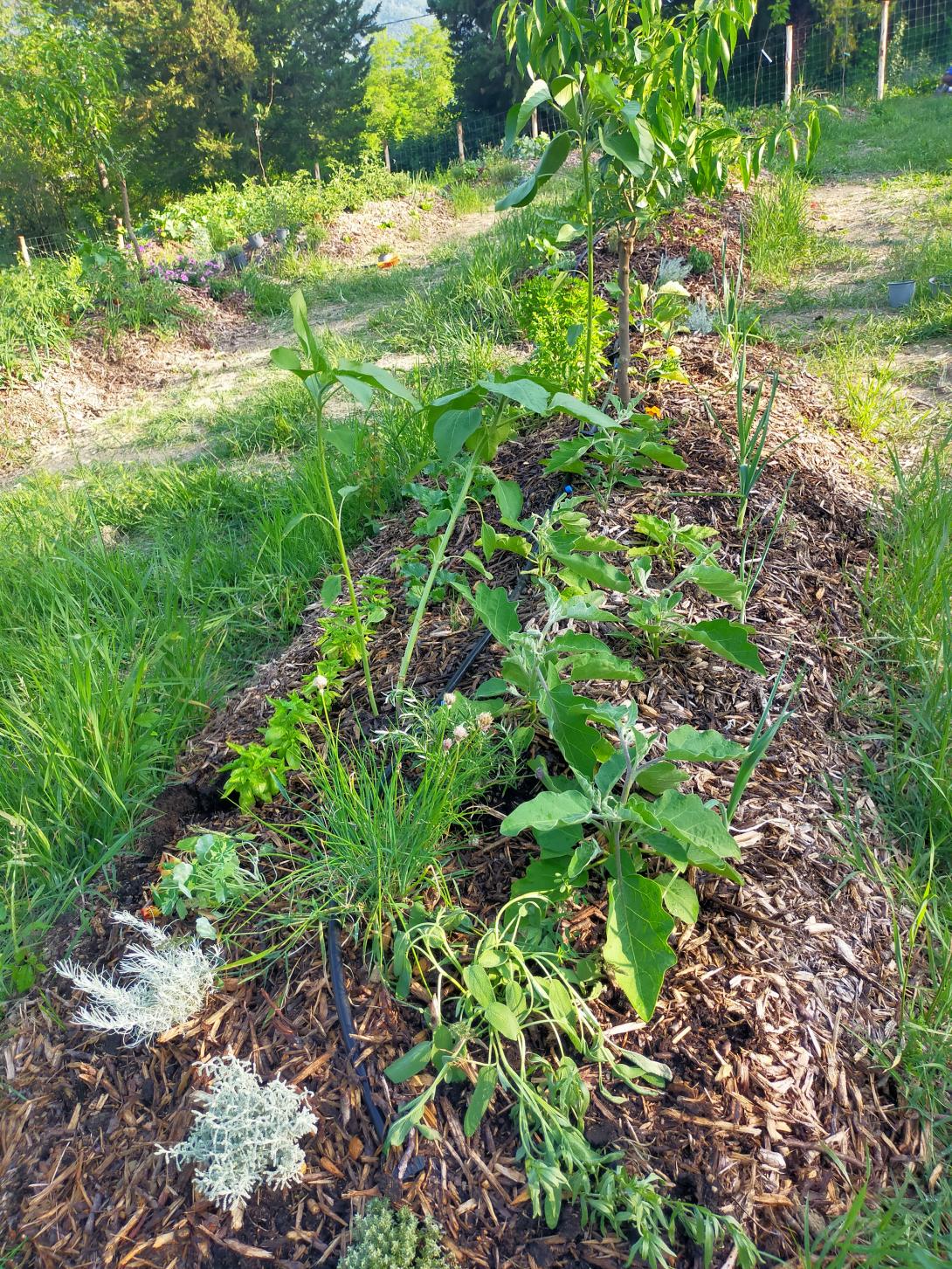
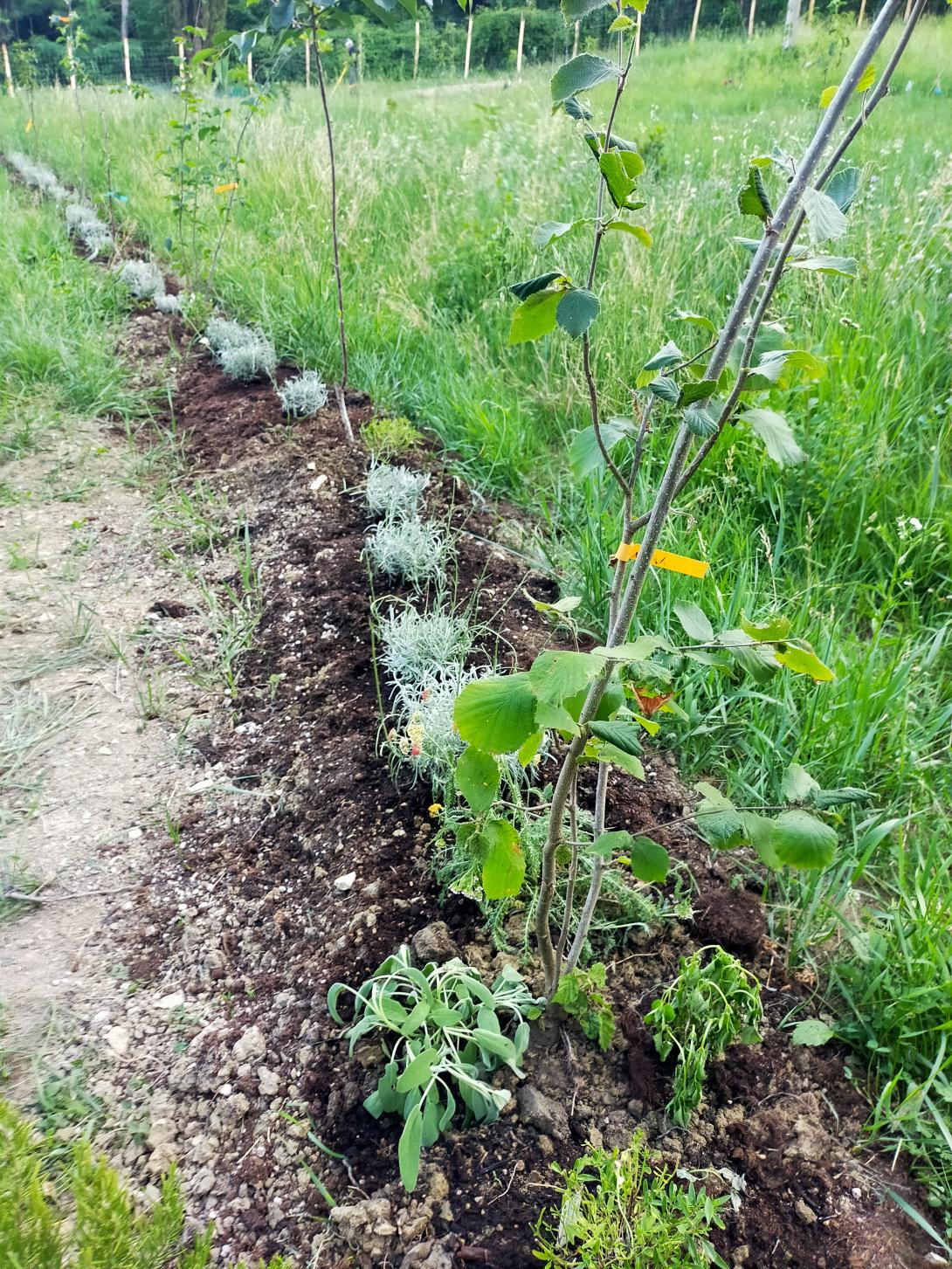
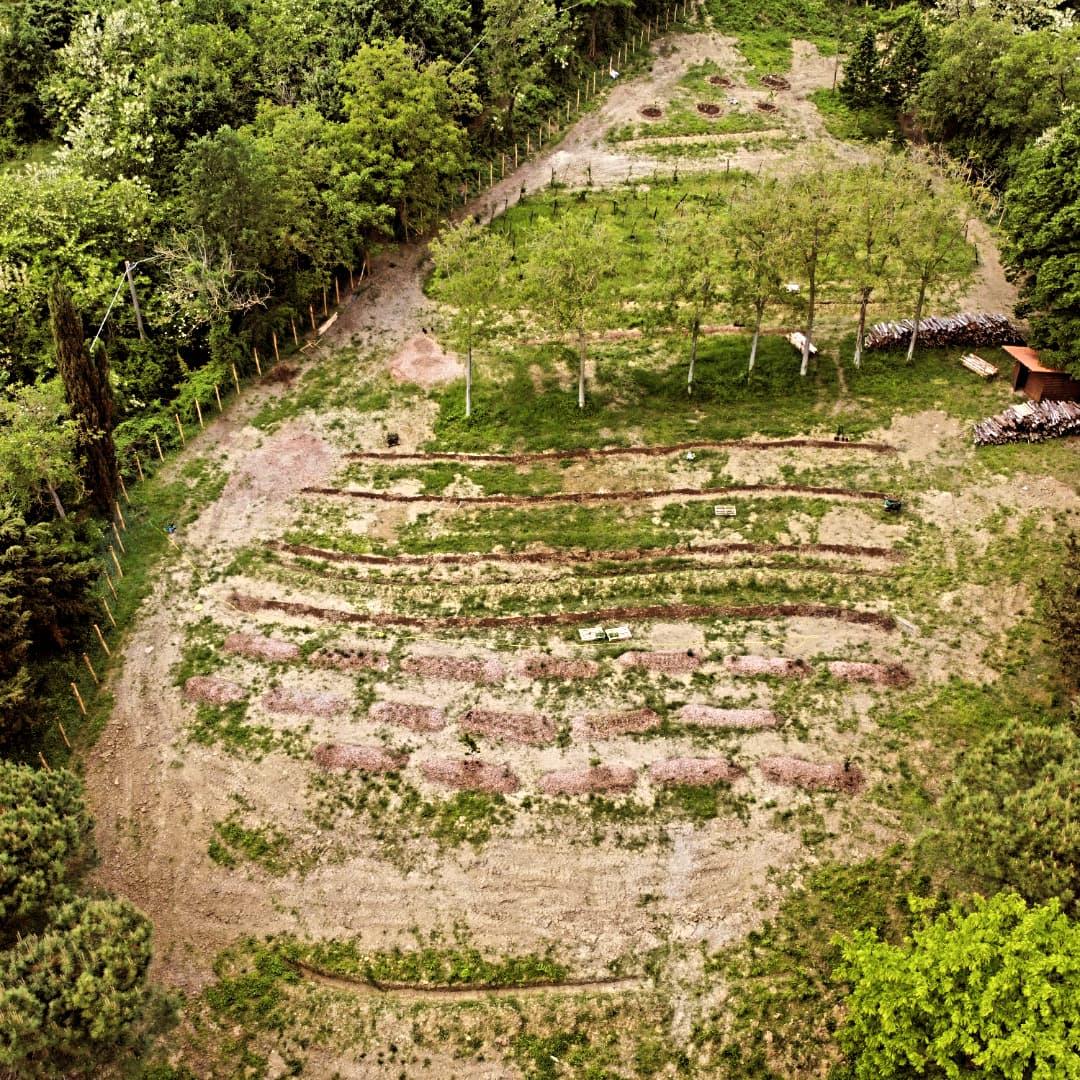
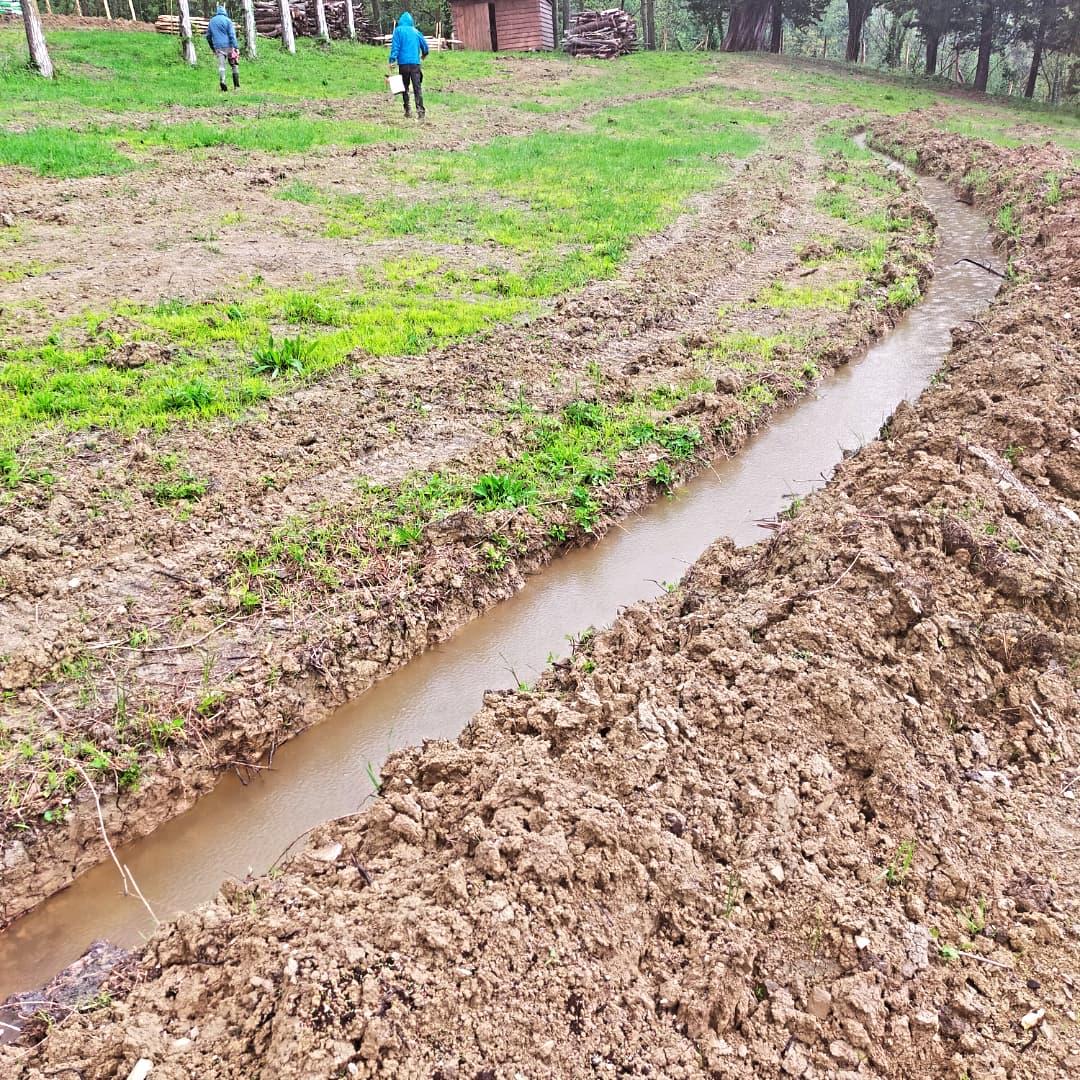
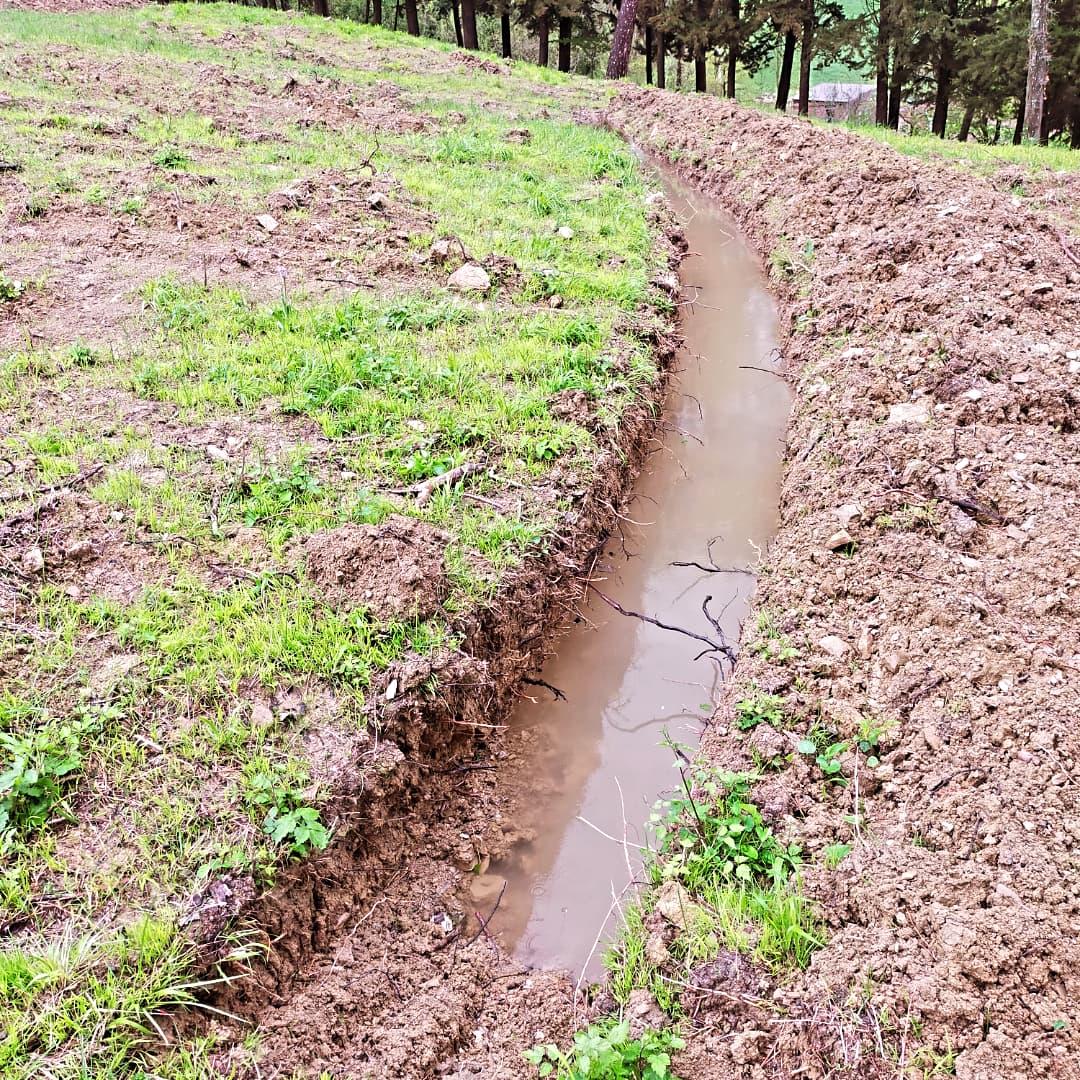
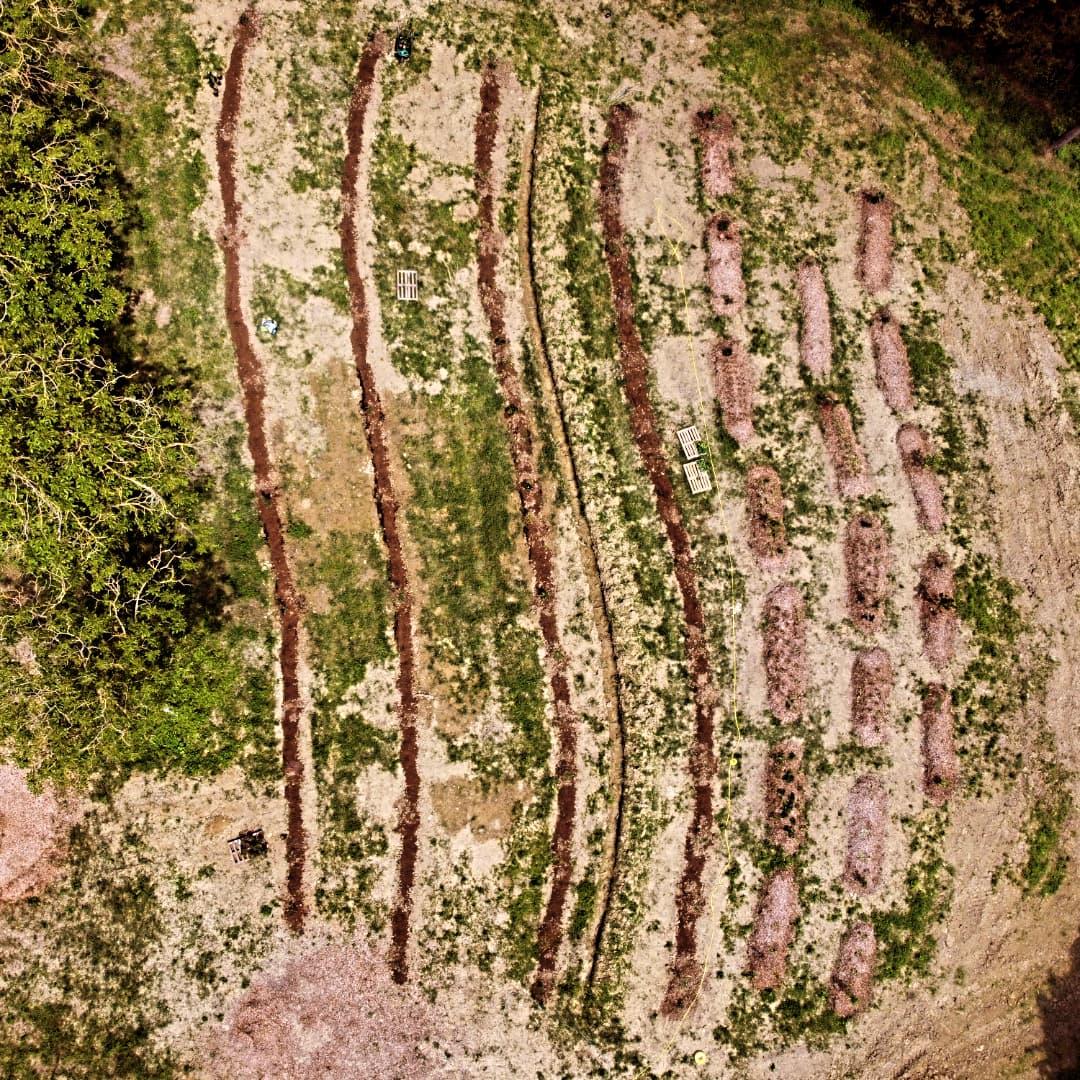
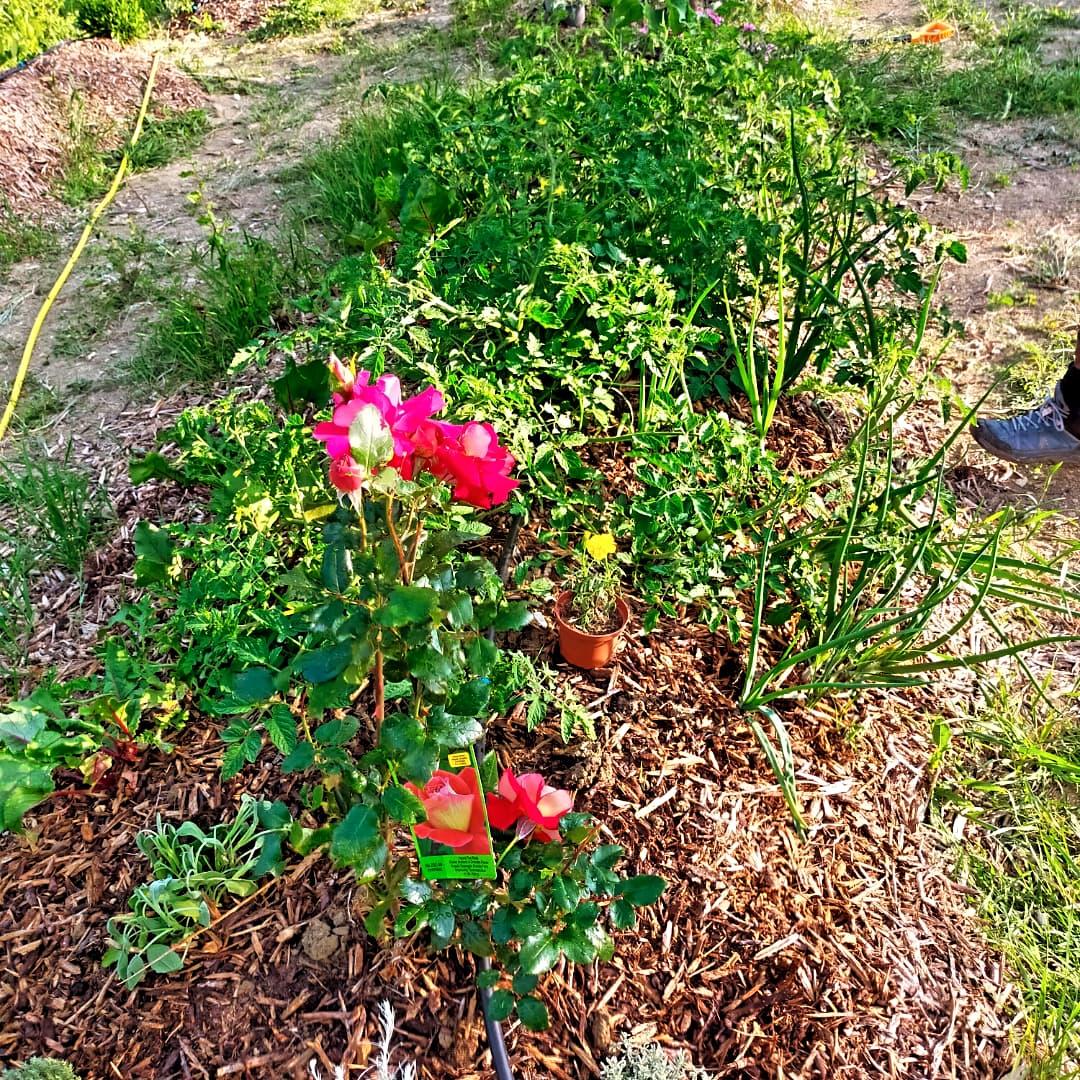
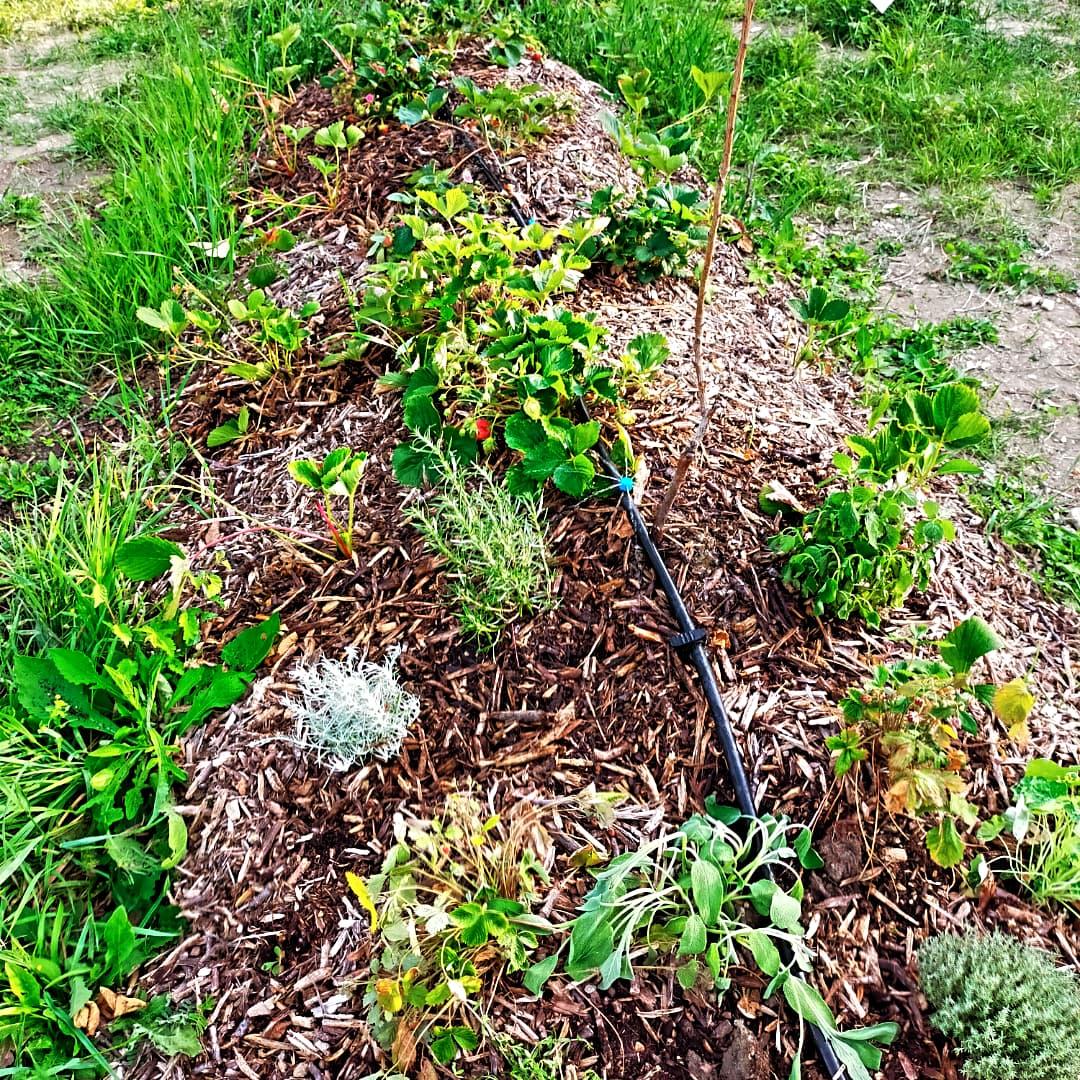
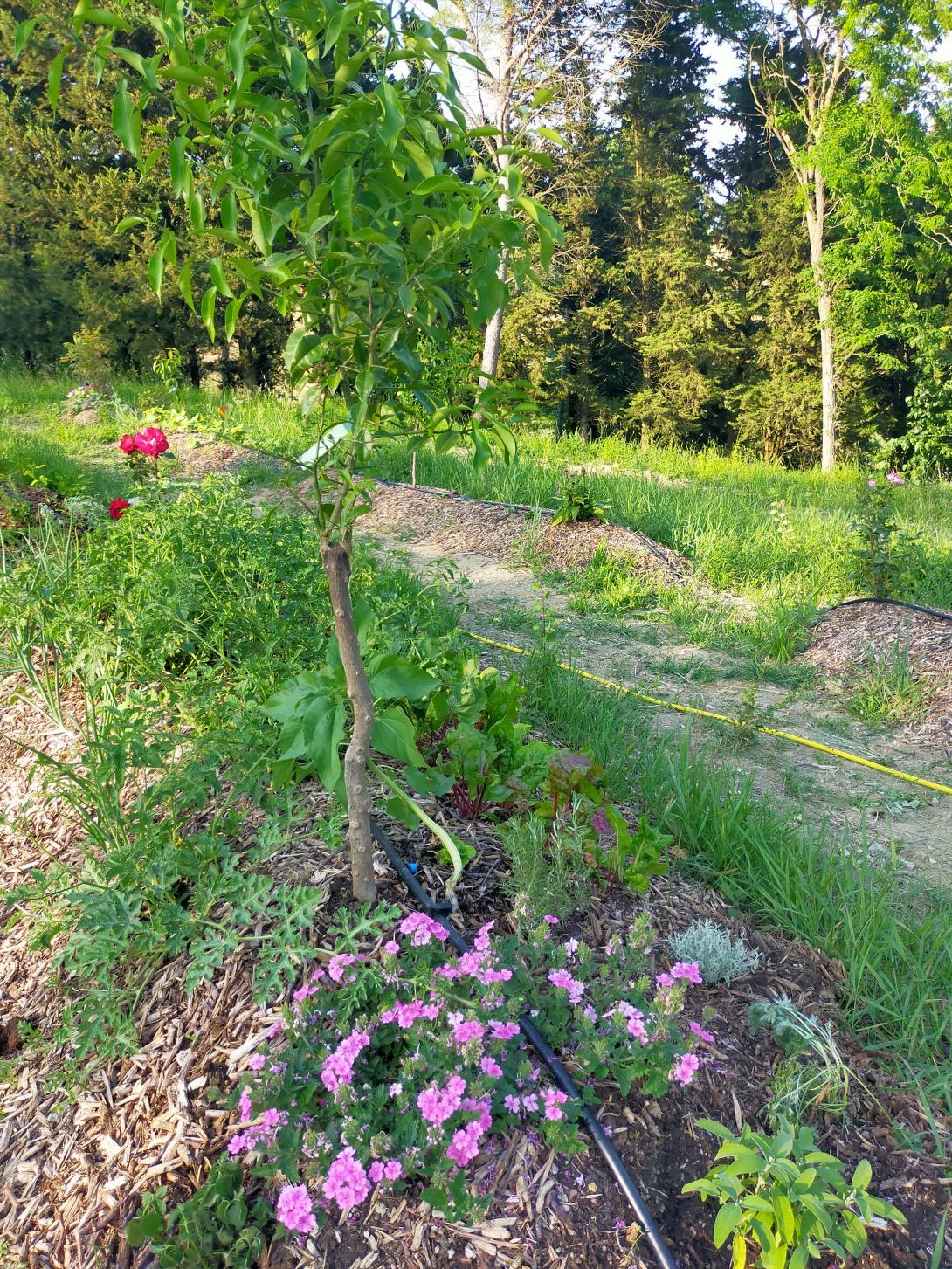
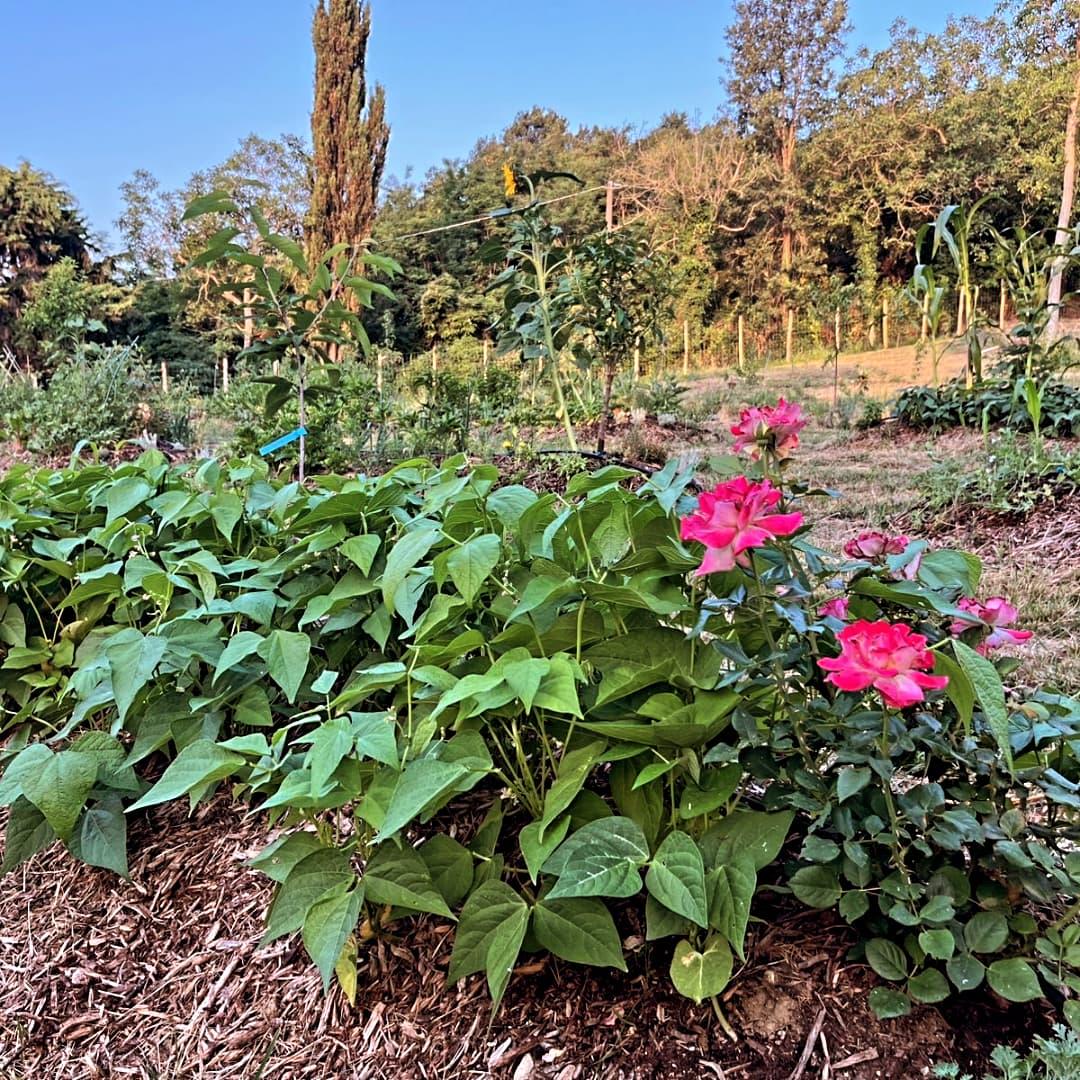
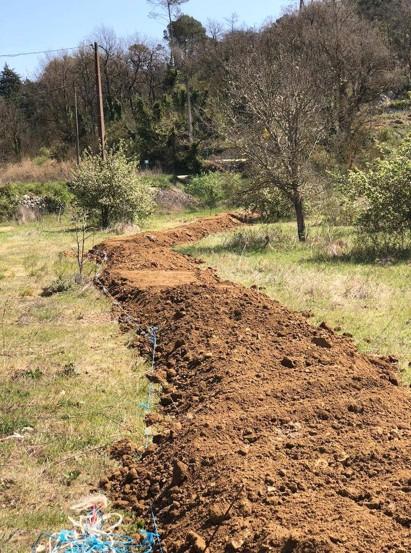
On a 1.2 ha hillside near Travo (Piacenza), a privately funded permaculture retrofit in 2024 installed a contour-based water retention system to rehydrate compact loamy clays and stop erosion. Using site reconnaissance and a functional analysis, the design by the Italian Permaculture Institute placed several 50×50 cm swales on level curves along primary and secondary flow paths, paired with raised beds and berms. Syntropic tree lines, placentas and food-forest bombs introduce layered, successional plantings across fruit trees, a diversified vineyard, vegetables and aromatic herbs. Mulching with wood chips and composted manure protects the soil, reduces evaporation and feeds soil biology.

With 901 mm of annual rainfall and slopes around 10 to 19 degrees, the system is sized for passive capture and infiltration. A 45 m swale is estimated to store about 20,000 L per year, and the overall swale network at least 70,000 L per year, with safe gravity overflows directing surplus to the valley. Implementation emphasised simple earthworks, precise contouring and minimal mechanical inputs, with maintenance limited to grass cutting, light pruning every three years and periodic compost applications.

Early observations show swales performing as intended, no surface erosion or on-site flooding, improved soil moisture near tree lines and clear increases in insects, birds and herb diversity. Some uneven filling occurred during heavy rain and is being addressed through refinements of inlets and overflows. The project targets flood and drought mitigation at site scale, soil and water conservation, biodiversity gains and long service life of at least 50 years, with full retention potential expected within about five years.
Last update
2025
Summary
The case is in the Padrťské rybníky area on the Klabava stream, inside the Brdy Protected Landscape Area, Czechia. The site is part of the Natura 2000 EVL “Padrťsko”, designated for species including stone crayfish. Brdy PLA was established on 1 January 2016.
Beavers settled here around 2020. From 2021 they started building a cascade of dams below Dolejší Padrťský rybník, extending works again in 2024. Their activity restored wetland hydromorphology on a previously straightened reach and reconnected historical traces in the floodplain. A human-led revitalisation prepared for the same area became unnecessary. The state avoided roughly CZK 30 million.
Hydrological effects observed on site: clear water retention with attenuation of peak flows due to the pond cascade, and rewetting of the floodplain. Water retention enables sedimentation of fine particles, especially during pond drawdown, and shifts physico-chemical conditions, increasing nutrient status and pH. Biodiversity benefits include habitat gains for stone crayfish and ideal breeding conditions for common toads and frogs. Management reports regular site visits but no targeted beaver monitoring scheme. The setting is non-conflict, in a former military area without settlements or economic use.
After these outcomes, the site received exceptional international media exposure, widely reported as an emblematic example of nature-led wetland restoration and cost savings.
Last update
2025
Summary
This case study documents applied research in Flanders that tested and scaled controlled drainage and simple adjustable weirs on arable land. The LEADER Drainage Plus pilot (2016 to 2019) converted nine parcels totalling 35 ha from conventional systems to level-controlled drainage, installing control pits and combining on-farm demonstrations with monitoring and modelling led with the Belgian Soil Service. The goal was to retain winter water in the root zone, reduce downstream peaks, and improve yields in a region facing summer drought and wetter winters. The project showed that, on suitable flat and permeable fields, controlled drainage increased crop growth, with income gains from about €100 up to several hundred euro per hectare depending on crop and year, and it triggered wider farmer uptake.
Follow-up regional work expanded monitoring and practical guidance (Van Landbouw tot Waterbouw) and OP-PEIL is mapping where conversion is technically and economically viable; weirs were promoted as fast, no-land-take devices to hold ditch water with siting criteria. Field rules of thumb were consolidated: a 10 cm groundwater rise can add roughly 30 to 35 mm evapotranspiration and about 1 t/ha dry matter; maize water stress can be postponed up to two weeks; indicative local storage is about 500 m³ per hectare. Barriers included permit complexity for each weir, costs and the legacy preference for fast evacuation. Typical costs reported are about €2,000 per hectare when reusing drains, about €4,500 per hectare for full renewal, and about €4,500 per weir. A major outcome was policy change: Flanders created a subsidy for controlled drainage (75 percent support up to €2,000 per hectare) and 100 percent subsidy for weirs with limited budgets, directly linked to the early pilots. Today the pilot is finished, follow-ups delivered monitoring and guidance, and conversions continue where site conditions and farmer motivation align.
Last update
2025
Summary
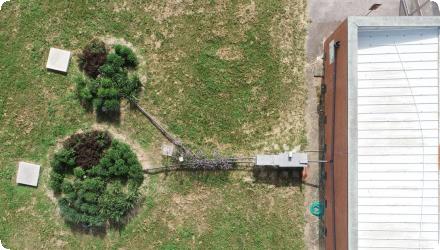
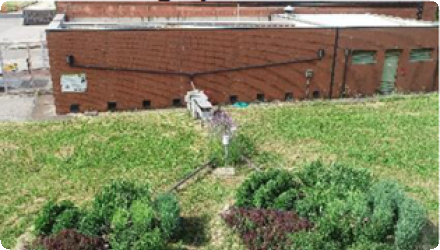
Augustenborg’s Botanical Roof Garden is a large, publicly accessible green roof complex built within the Eco-city Augustenborg regeneration in Malmö. It was created to reduce local flooding and to add green space and wellbeing benefits in a district facing social challenges. The City of Malmö led and funded the installation. The Scandinavian Green Roof Institute provided maintenance and outreach. SLU and Lund University carried out long-term monitoring.
About 9,500 m² of extensive roofs were implemented on buildings with low load capacity, following Agenda 21 principles for local stormwater management. The roof garden was tied to the wider Ekostaden programme alongside open stormwater elements at ground level.The botanical roof garden opened to the public in 2001 as part of the award-winning Eco-city Augustenborg project.
Hydrologic performance has been documented on thin sedum-moss systems typical of southern Sweden. Monthly water balance studies show much lower annual runoff than hard roofs due to evapotranspiration. Field capacity is about 9 mm. For peaks, a 1.5-year runoff corresponds to only a 0.4-year rain, indicating strong detention. At the district scale, the regeneration report states that green roofs intercept roughly half of total annual runoff.
Vegetation studies on similar Malmö-region roofs found sedum dominance and limited spontaneous diversity in unfertilised thin systems. Over 2 to 22 years, substrates accumulate nitrogen, with estimated gains around 2.9 g N/m²/yr, while plant biomass and diversity remain broadly stable.
Governance and financing sat with the City of Malmö, complemented by national funds, LIFE and research councils. Community discussions accompanied the broader open stormwater redevelopment, with some concerns about space use and perceived costs. A local assessment notes costs were not higher than rebuilding underground drainage, though operating costs can be higher and co-benefits are hard to monetise.
Today, formal maintenance is very limited and the roof garden project itself is reported as closed, while research on Augustenborg-type roofs continues through universities.
Last update
2025
Summary
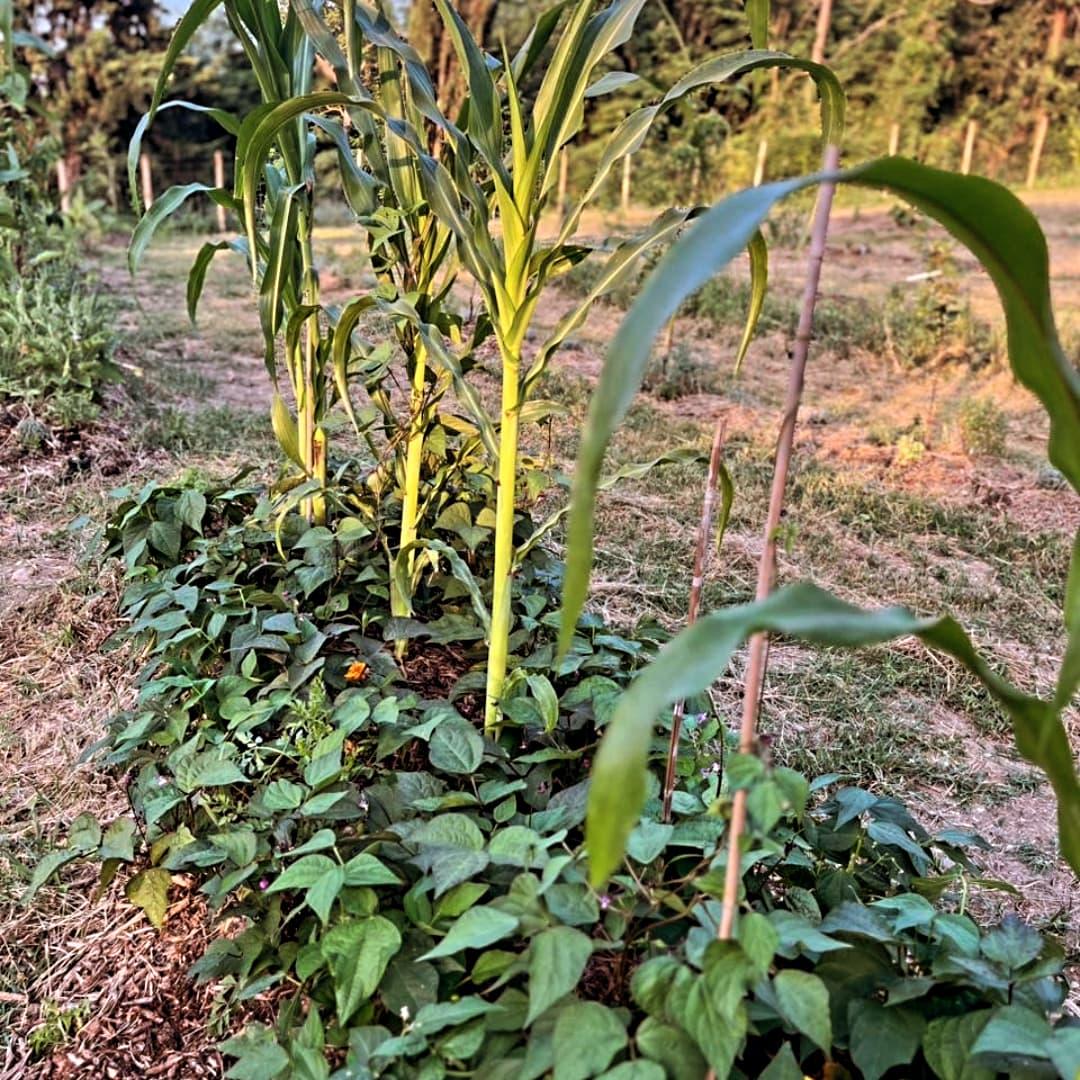
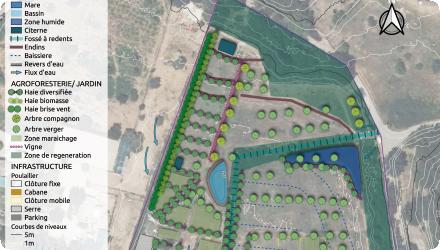
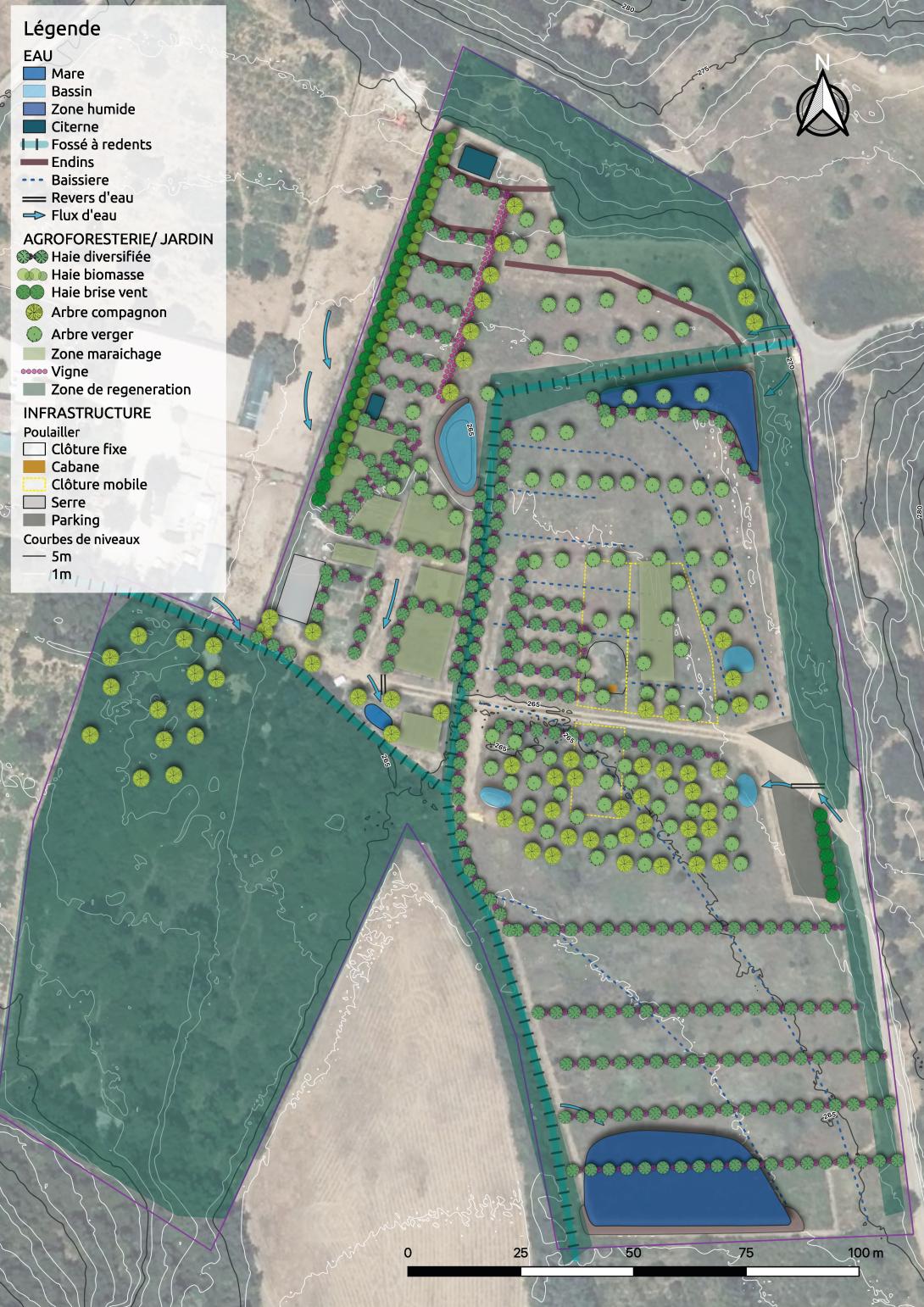
This project is a permaculture-based regenerative agroecological farm and agritourism initiative located in Cairo Montenotte, Italy. It integrates syntropic planting, swales, and keyline water management to create a resilient, productive farm that harmonizes with the natural Mediterranean mountain environment. The design focuses on water infiltration, soil fertility, biodiversity enhancement, and establishing a low-stress, small-scale business producing organic food and offering educational workshops.
Last update
2025
Summary
EIP-AGRI Operational Group “DaLeA” tested a clover-based permanent living mulch interplanted with arable main crops to suppress weeds, regulate soil temperature, retain water and minimise tillage, while assessing feasibility, transferability and economics across three years and three sites.
Last update
2025