Code
SU04
Sector
Urban
Year of Issue
2025
Other sector(s)
Agriculture
Summary
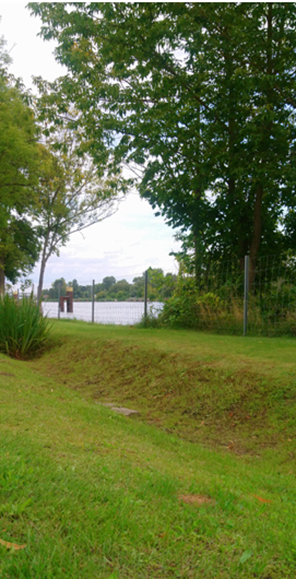
Swales are broad, shallow, linear vegetated channels which can store or convey surface water (reducing the rate and volume of runoff) and remove pollutants. They can be used as conveyance features to pass the runoff to the next stage of the SuDS treatment train and can be designed to promote infiltration where soil and groundwater conditions...
Possible benefits with level
| Benefits | Level |
|---|---|
|
ES1 - Water storage
|
Low
|
|
ES3 - Natural biomass production
|
Low
|
|
ES4 - Biodiversity preservation
|
Medium
|
|
ES5 - Climate change adaptation and mitigation
|
Medium
|
|
ES6 - Groundwater/aquifer recharge
|
Medium
|
|
ES7 - Flood risk reduction
|
Medium
|
|
ES8 - Erosion/sediment control
|
Low
|
|
ES9 - Filtration of pollutants
|
Medium
|
|
ES11 - Aesthetic/cultural value
|
Medium
|
|
PO2 - Improving status of physico-chemical quality elements
|
Low
|
|
PO4 - Improving chemical status and priority substances
|
Low
|
|
PO5 - Improving quantitative status
|
Low
|
|
PO7 - Prevent surface water status deterioration
|
Medium
|
|
PO8 - Prevent groundwater status deterioration
|
Low
|
|
PO9 - Take adequate and co-ordinated measures to reduce flood risks
|
High
|
|
PO11 - Better protection for ecosystems and more use of Green Infrastructure
|
Medium
|
|
PO12 - More sustainable agriculture and forestry
|
Low
|
|
PO14 - Prevention of biodiversity loss
|
Medium
|
|
BP1 - Store runoff
|
Medium
|
|
BP2 - Slow runoff
|
High
|
|
BP5 - Increase evapotranspiration
|
Medium
|
|
BP6 - Increase infiltration and/or groundwater recharge
|
Medium
|
|
BP7 - Increase soil water retention
|
Low
|
|
BP8 - Reduce pollutant sources
|
Low
|
|
BP9 - Intercept pollution pathways
|
Medium
|
|
BP10 - Reduce erosion and/or sediment delivery
|
Medium
|
|
BP13 - Create riparian habitat
|
Low
|
|
BP14 - Create terrestrial habitats
|
Low
|
|
BP16 - Reduce peak temperature
|
Low
|
|
BP17 - Absorb and/or retain CO2
|
Low
|
Case study(ies)